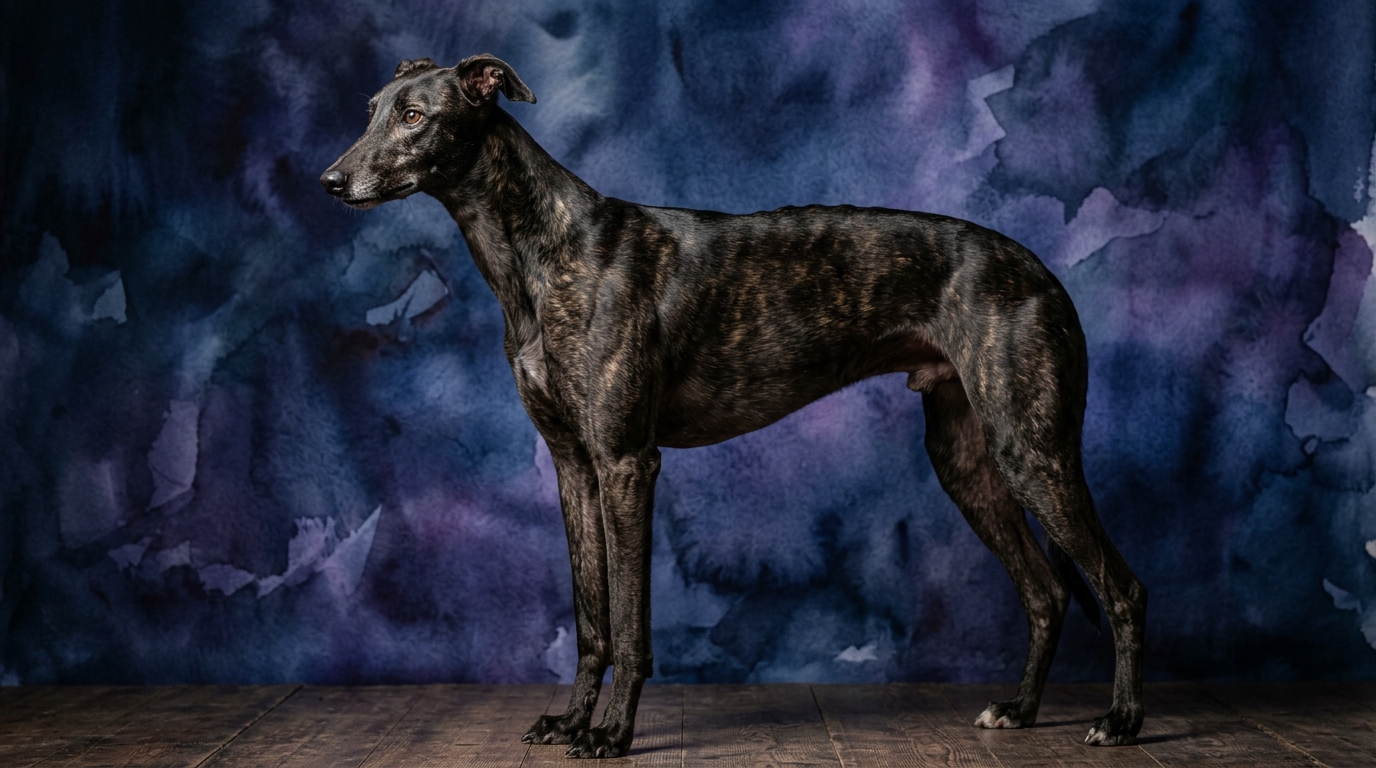
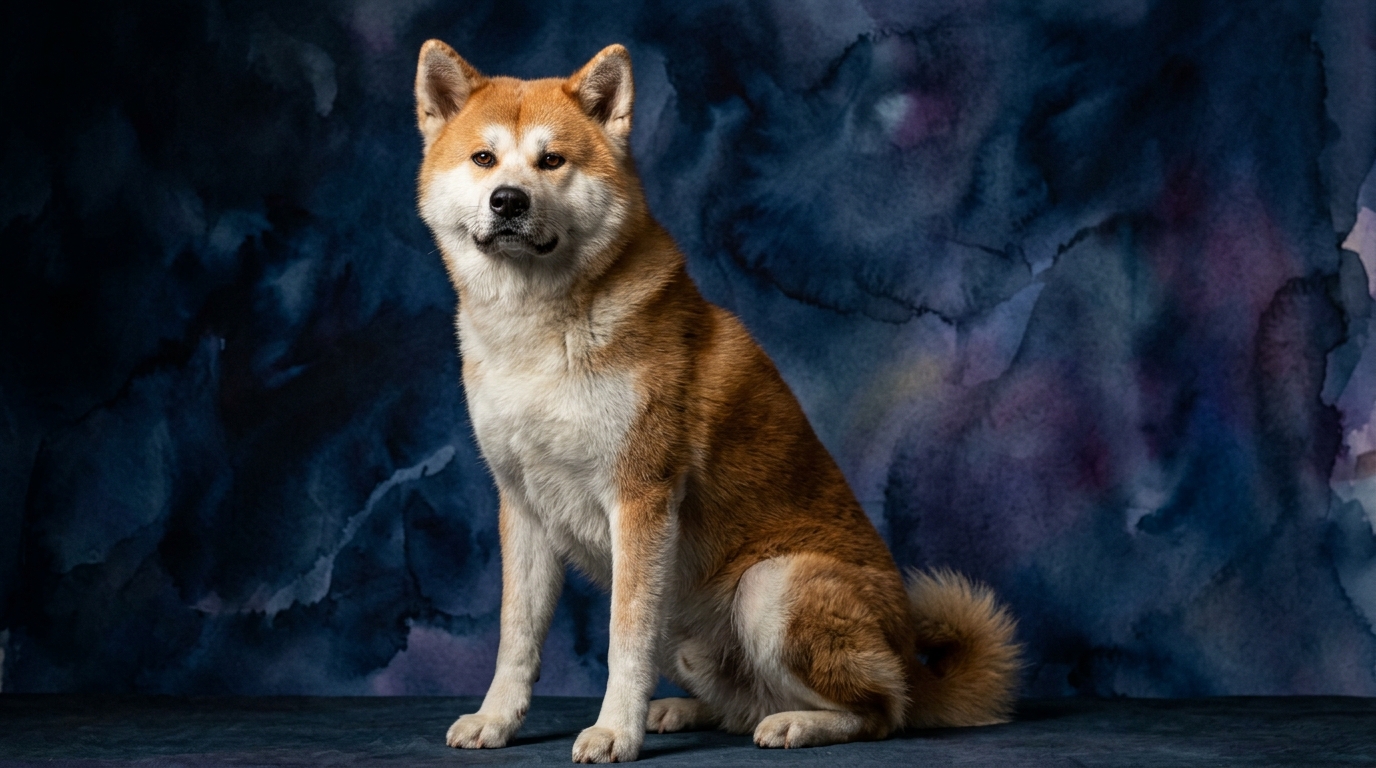
Side-by-Side IQ Profile: Greyhound vs. Akita
At The Cosmic Pet Pet IQ Lab, we evaluate canine intelligence across five key dimensions, offering a granular view beyond generic assumptions. The Greyhound, a Hound group member with a Coren rank of #46, and the Akita, from the Working group with a Coren rank of #54, share some intriguing similarities and distinct differences in their cognitive makeup.
Both breeds register a **Problem Solving score of 3/5**. This indicates that both Greyhounds and Akitas possess a moderate capacity for independent thought and navigating novel situations. They are capable of figuring out moderately complex puzzles or overcoming obstacles when motivated, but neither is typically a master strategist or an inventive escape artist. Their approach to problem-solving is often direct and driven by their innate motivations rather than complex planning.
In **Training Speed, both breeds score 2/5**. This lower rating suggests that neither the Greyhound nor the Akita is among the quickest breeds to grasp new commands or complex routines. Owners should anticipate a need for patience, consistency, and highly motivating rewards. Repetition and positive reinforcement are crucial, as both breeds can be sensitive to harsh methods and may become disengaged if training is not engaging or if they perceive it as overly demanding. Their independence often means they weigh the benefit of compliance against their own desires.
Their **Social Intelligence is also identical at 3/5**. This score implies a reasonable ability to read social cues and interact appropriately within their established social circles. Both breeds are capable of forming strong bonds with their primary caregivers and family members, understanding human emotions to a certain extent, and adapting their behavior to social norms within their trusted environment. However, neither is typically described as overly effusive or universally friendly, often reserving their deepest connections for a select few.
A striking similarity appears in **Instinctive Drive, with both scoring a perfect 5/5**. This high score is a testament to the powerful, deeply ingrained behaviors that define each breed. For the Greyhound, this manifests as an incredibly strong prey drive, an urge to chase anything that moves at high speed, rooted in centuries of sighthound breeding. For the Akita, the 5/5 instinctive drive translates into powerful guarding instincts, a protective nature towards their family and territory, and a self-assured independence that stems from their heritage as hunting and guard dogs in Japan. While the score is the same, the *manifestation* of this drive is very different.
Finally, we observe a notable difference in **Memory**. The Greyhound scores 3/5, indicating a good but not exceptional recall of experiences, routines, and learned behaviors. They remember what serves them and can retain training with consistent reinforcement. In contrast, the Akita scores 4/5, suggesting a superior capacity for memory. This means Akitas are likely to retain training and routines more enduringly once learned, and they may remember positive and negative experiences with people or other animals for a longer time, influencing their future interactions.
Where the Greyhound Wins Cognitively
Despite sharing several identical scores with the Akita, the Greyhound's cognitive strengths lie in its specific application of its abilities, particularly in areas tied to its sighthound heritage. Its slightly higher Coren rank of #46 suggests a generally quicker overall learning aptitude compared to the Akita's #54, even if individual dimensions are similar. While both have a 3/5 in problem-solving, the Greyhound’s problem-solving is often geared towards efficiency and speed, for instance, finding the quickest path to a perceived 'prey' or navigating a lure course with elegant precision. Their keen visual processing allows them to quickly identify and react to targets, a cognitive skill honed for open field coursing. This breed excels in tasks requiring rapid decision-making based on visual stimuli, demonstrating a streamlined cognitive process optimized for burst action rather than sustained, complex strategizing. They possess a selective focus, capable of tuning out distractions when their prey drive is engaged, a testament to their highly specialized cognitive architecture.
Where the Akita Wins Cognitively
The Akita’s primary cognitive advantage, as indicated by its 4/5 memory score compared to the Greyhound's 3/5, offers a significant edge in long-term retention of information and experiences. This superior memory means that once an Akita learns a command, a routine, or the rules of the household, it is likely to remember them with remarkable consistency over time. This extends beyond formal training; an Akita will remember past interactions, both positive and negative, shaping its future responses to people and other animals. Their strong memory contributes to their reliability and steadfast nature, making them excellent at remembering their 'job' whether it's guarding or companionship. Furthermore, while their problem-solving is also 3/5, it often manifests as a more deliberate, watchful assessment of situations, leveraging their memory of past outcomes to inform current decisions, a trait valuable in a protective working breed.
Which is Easier to Train and Why
Given that both the Greyhound and the Akita score 2/5 in Training Speed, neither breed is inherently 'easy' to train in the conventional sense compared to breeds known for their eager-to-please nature. However, the *nature* of their training challenges differs significantly, largely due to their distinct instinctive drives and social intelligence profiles. Greyhounds, with their strong instinctive drive (5/5) focused on chasing, can be highly distractible by moving objects, making recall in an open environment a perennial challenge unless meticulously trained with high-value rewards and in secure areas. Their sensitive nature means they respond poorly to harsh corrections, often shutting down or becoming fearful, requiring a gentle, positive, and reward-based approach. They are generally more willing to please their owner when they understand the request, but their independent streak and comfort-seeking tendencies mean they might opt out if the reward isn't compelling enough.
Akitas, while also scoring 2/5 in Training Speed, present a different hurdle: their potent instinctive drive (5/5) towards guarding and their inherent independence. They possess a strong will and often require a confident, consistent leader who can establish clear boundaries without resorting to force. Their training is less about speed and more about mutual respect and understanding. An Akita needs to perceive value in performing a command, and their stronger memory (4/5) means that while initial learning might be slow, once a behavior is cemented, it is deeply ingrained. They are less likely to be distracted by external stimuli than a Greyhound chasing a squirrel, but more likely to 'question' a command if it doesn't align with their own perceived purpose. Successful Akita training relies on patience, firm but fair leadership, and harnessing their natural loyalty and superior memory to reinforce desired behaviors over the long term. Therefore, while both require patience, the Akita's superior memory might make learned behaviors more stable in the long run, provided the initial teaching overcomes their inherent independence.
Which Suits Active Owners vs. Relaxed Owners
When considering the activity levels and lifestyles of potential owners, the cognitive and physical needs of the Greyhound and Akita present distinct profiles. The Greyhound, despite its racing heritage, often surprises owners with its '45 mph couch potato' reputation. While they possess an explosive instinctive drive (5/5) for short, intense bursts of speed, they are typically quite relaxed indoors, content to lounge for much of the day. They thrive with owners who can provide secure opportunities for them to stretch their legs in a fenced area or on a leash for moderate walks, followed by ample indoor rest. Their problem-solving (3/5) and training speed (2/5) mean they aren't constantly seeking complex mental challenges, making them suitable for relaxed owners who appreciate calm companionship but can commit to daily physical releases for their powerful instincts. They generally adapt well to apartment living if their exercise needs are met.
The Akita, on the other hand, with its working dog background and strong instinctive drive (5/5) for purpose and protection, demands a more consistently active and engaged owner. While not necessarily requiring the same explosive speed as a Greyhound, Akitas need regular, purposeful exercise that engages both their bodies and minds. This can include long walks, hiking, or training sessions that challenge their problem-solving (3/5) and leverage their superior memory (4/5). Their independent nature and protective instincts mean they benefit from owners who are confident and consistent in their leadership, providing structure and routine. Akitas are better suited for active owners who enjoy outdoor activities and are prepared to dedicate significant time to training, socialization, and mental enrichment to prevent boredom and channel their strong drives constructively. They generally prefer a home with a secure yard and an owner who understands the nuances of managing a powerful, independent breed.
The Verdict: When to Choose Each
The Verdict
Choose a Greyhound if you seek a calm, affectionate companion who enjoys short bursts of intense activity followed by extensive lounging, and you appreciate a sensitive, visually-driven learner who thrives on gentle guidance.
Opt for an Akita if you are an experienced, active owner ready to provide consistent leadership and mental stimulation, valuing a loyal, protective companion with a remarkable memory and a deliberate approach to life.
🧠 Find Your Pet's IQ Score
Our Pet IQ Lab assessment covers 25+ tests across 5 cognitive dimensions — personalized to your breed.
Take the Full IQ Test →Frequently Asked Questions
Are Greyhounds good apartment dogs despite their speed?
Yes, Greyhounds can adapt well to apartment living provided they receive daily opportunities for a brisk walk or a secure, fenced area for short sprints. Indoors, they are typically calm and enjoy lounging, making them surprisingly good urban companions for owners who meet their exercise needs.
Do Akitas get along with other pets or children easily?
Akitas, with their strong instinctive drive and protective nature, often require careful, early socialization to coexist peacefully with other pets and children. Their interactions need close supervision, as their independence and guarding instincts mean they may not be universally friendly, especially with unfamiliar animals or rambunctious children.
What is the biggest training challenge for each breed?
For Greyhounds, the biggest training challenge often revolves around their powerful prey drive and sensitive nature, making off-leash recall difficult and requiring gentle, consistent methods. For Akitas, their strong will and independent temperament demand a confident, consistent leader and patience, as they learn at their own pace and often need to perceive the value in complying with commands.