Side-by-Side Cognitive Profiles: Greyhound vs. Bichon Frisé
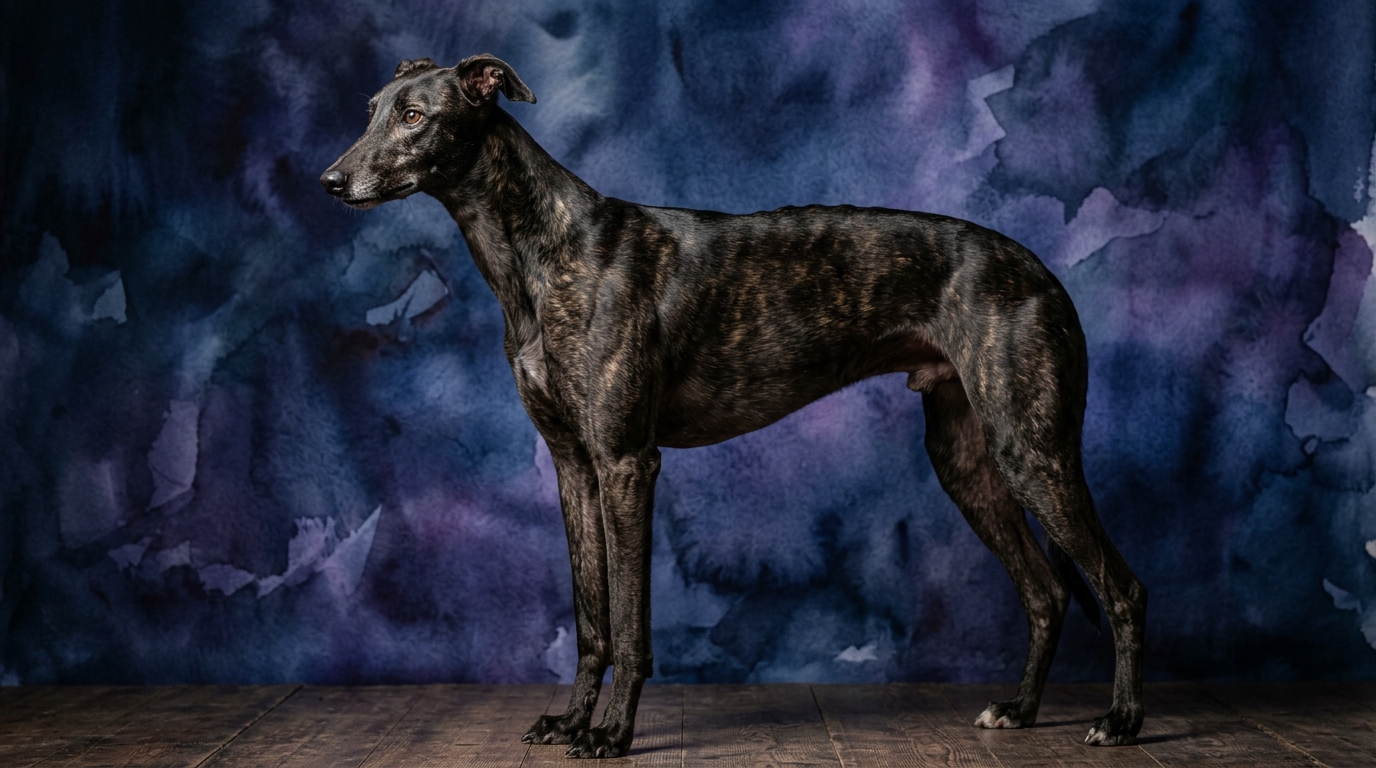
The Cosmic Pet Pet IQ Lab provides a structured framework to understand canine intelligence across five critical dimensions. For the Greyhound, ranked #46 by Coren, its problem-solving acumen sits at 3/5, indicating a moderate ability to navigate novel challenges and figure out solutions independently. Its training speed, however, is a more measured 2/5, suggesting that while capable of learning, it often requires more repetition and specific motivation to embed commands consistently. Social intelligence for the Greyhound registers at 3/5, reflecting a breed that forms bonds but often maintains a degree of independence rather than constantly seeking human interaction. Where the Greyhound truly shines is in its instinctive drive, scoring an impressive 5/5, a testament to its profound heritage as a sight hound with an unparalleled chase instinct. Finally, its memory registers at a solid 3/5, indicating a reasonable capacity to recall learned behaviors and experiences over time.
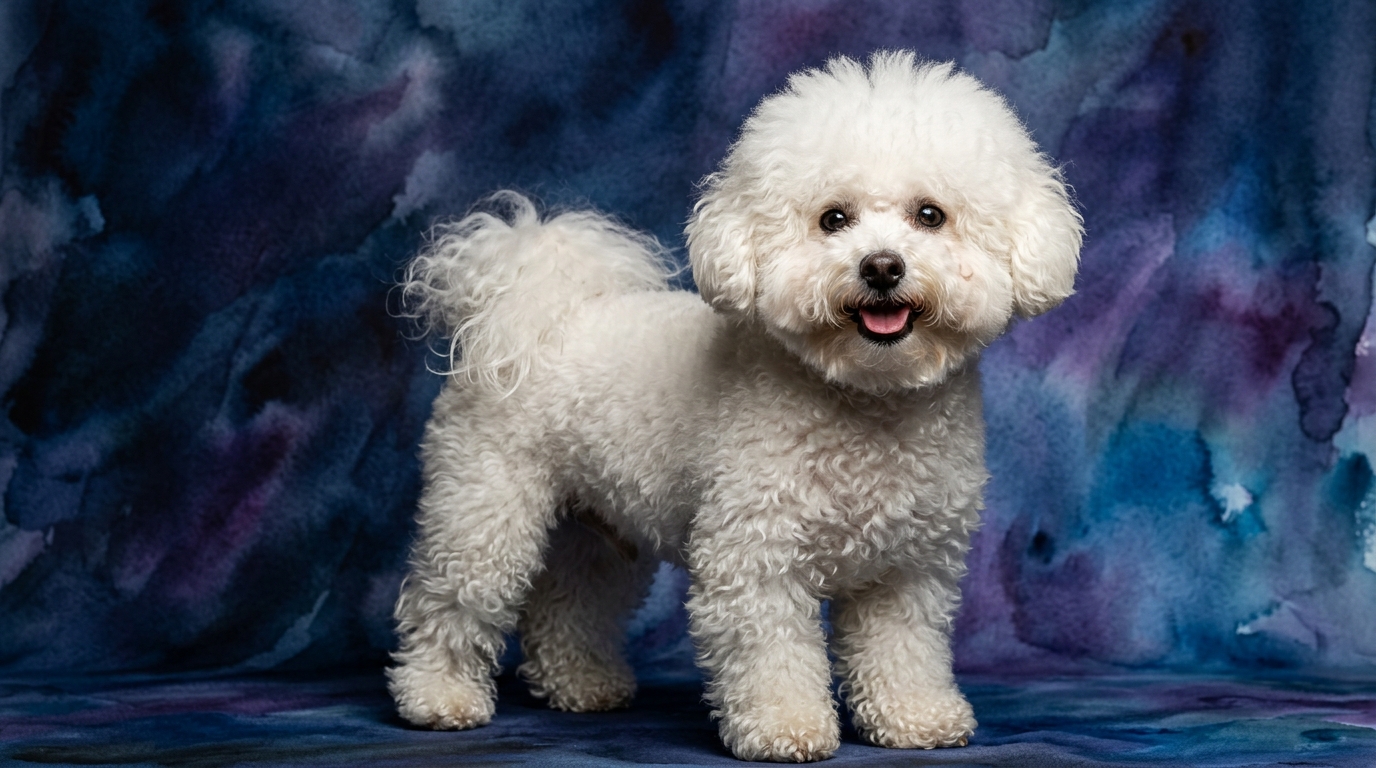
In contrast, the Bichon Frisé, with a Coren ranking of #45, presents a slightly different cognitive blueprint. Its problem-solving score mirrors the Greyhound at 3/5, suggesting an equivalent capacity for navigating everyday puzzles or learning complex sequences. The Bichon's training speed, at 3/5, shows a slightly quicker uptake of new commands and a more eager response to instruction compared to the Greyhound. Its social intelligence is a standout feature, scoring a perfect 5/5, highlighting its deep desire for connection, its ability to read human emotions, and its skill in integrating into family dynamics. The instinctive drive for the Bichon Frisé is a modest 2/5, reflecting a breed whose primary purpose shifted long ago from hunting to companionship, with a much lower innate drive for chasing or independent exploration. Like the Greyhound, its memory is rated at 3/5, allowing it to retain training and remember familiar faces and routines effectively.
Where the Greyhound's Cognition Excels
The Greyhound's cognitive strengths are deeply rooted in its ancient purpose as a pursuit predator. Its 5/5 instinctive drive is not merely about speed, but also involves sophisticated visual tracking and rapid decision-making in high-stakes situations. This means a Greyhound can process visual stimuli at incredible speeds, identify a moving target, and execute a complex chase sequence with astonishing efficiency. Their problem-solving, while moderate overall, often manifests in their ability to find the most efficient path to their objective, whether it's a lure on a track or a squirrel across a park. This innate drive and focused visual processing give them a unique cognitive edge in tasks requiring intense focus on a moving object and immediate, physical response.
Where the Bichon Frisé's Cognition Shines
The Bichon Frisé's cognitive brilliance is centered around its exceptional social intelligence, scoring 5/5. This isn't just about being friendly; it reflects a profound capacity to understand and respond to human social cues, emotions, and intentions. A Bichon is adept at adapting its behavior to its environment, often anticipating what its human companion desires or needs. Their slightly higher training speed (3/5) is intrinsically linked to this social acumen, as they are motivated by positive human interaction and feedback, making them highly receptive to communication. This breed excels in forming deep emotional bonds and navigating complex social structures within a household, making them masters of companionship and emotional support.
Training Receptiveness: Greyhound vs. Bichon Frisé
When it comes to ease of training, the Bichon Frisé generally presents a more straightforward experience for the average owner due to its 3/5 training speed and superior social intelligence. Bichons thrive on interaction and positive reinforcement, making them eager to please and quick to pick up new commands. Their strong desire for companionship means they are highly motivated by praise, treats, and the attention of their human. Behavioral differences stem from their core drives: a Bichon's low instinctive drive means fewer distractions from external stimuli like prey, allowing for more focused training sessions.
The Greyhound, with a 2/5 training speed, can be more challenging. While certainly capable of learning, their independent nature and powerful instinctive drive (5/5) mean they can be easily distracted by their environment, especially anything that triggers their chase instinct. Training a Greyhound often requires more patience, consistency, and a deep understanding of their motivations. They may learn commands, but their execution can be conditional on their mood or the presence of more enticing stimuli. Effective training for Greyhounds often involves making learning a game that taps into their innate drives, rather than solely relying on a desire to please.
Lifestyle Suitability: Active vs. Relaxed Owners
The cognitive profiles of these two breeds naturally align with different owner lifestyles. The Greyhound, despite its racing heritage, can often surprise owners with its relaxed demeanor indoors, but its 5/5 instinctive drive means it requires outlets for its physical and mental energy. Owners who appreciate structured exercise, secure off-leash areas for sprinting, or engage in activities like lure coursing will find a Greyhound's cognitive and physical needs met. They suit owners who understand their need for bursts of intense activity followed by deep relaxation, and who can manage their strong prey drive responsibly.
The Bichon Frisé, with its high social intelligence and lower instinctive drive, is an ideal companion for more relaxed owners or those seeking a constant, engaging presence. Their moderate exercise needs can be met with daily walks and indoor play, but their profound need for social interaction means they thrive in homes where they are central to family life. Owners who enjoy consistent companionship, prefer interactive games, and are home often will find the Bichon's cognitive makeup perfectly complements their lifestyle. They are less about physical exertion and more about emotional engagement and shared presence.
The Verdict
Choose a Greyhound if you admire an independent spirit, can provide secure outlets for their powerful chase instinct, and appreciate a dog that balances intense bursts of activity with quiet companionship.
Opt for a Bichon Frisé if you seek a highly social, emotionally attuned companion who thrives on constant interaction and is eager to engage in shared activities within a family setting.
🧠 Find Your Pet's IQ Score
Our Pet IQ Lab assessment covers 25+ tests across 5 cognitive dimensions — personalized to your breed.
Take the Full IQ Test →Frequently Asked Questions
Do Greyhounds make good apartment dogs despite their speed?
Yes, many Greyhounds adapt well to apartment living. While they possess incredible speed, they are often quite calm indoors, content to lounge after their daily exercise. Their primary requirement is access to secure, fenced areas for their essential bursts of running, not constant activity.
Are Bichon Frisés prone to separation anxiety?
Given their exceptional social intelligence (5/5) and strong desire for companionship, Bichon Frisés can indeed be prone to separation anxiety if not properly socialized and trained. They thrive on being with their human family, so consistent training and gradual desensitization to alone time are crucial for their well-being.
How do their problem-solving abilities compare in daily life?
Both breeds share a 3/5 problem-solving score, meaning they generally approach daily challenges with similar cognitive capacity. A Greyhound might use this to figure out how to get to a perceived 'prey' object, while a Bichon might apply it to manipulating a toy or figuring out how to get attention from their human, reflecting their differing primary motivations.