Side-by-Side Cognitive Profiles
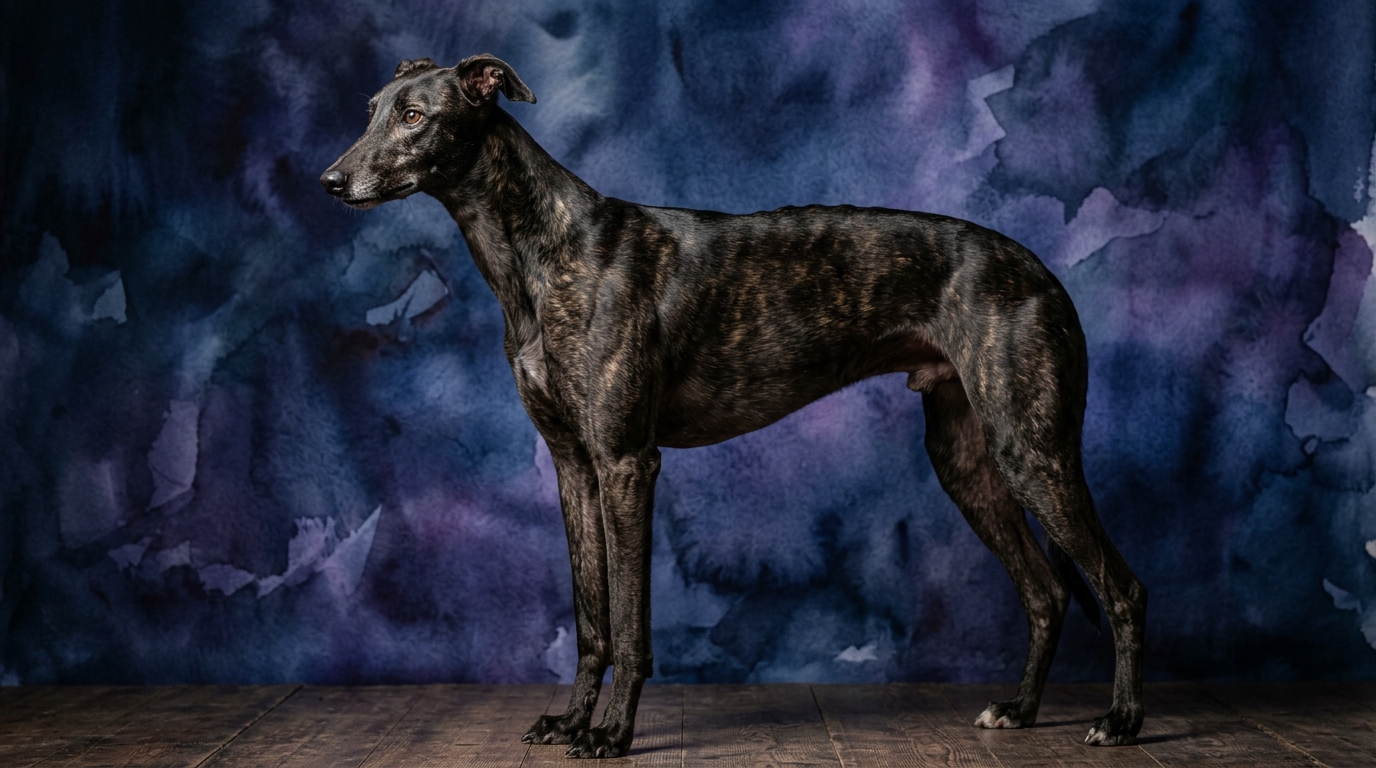
**Greyhound (Coren Rank #46)**: This sighthound's problem-solving (3/5) is moderately applied to practical, goal-oriented tasks, often related to navigation or pursuit, excelling at efficient pathfinding. Their training speed (2/5) is lower due to an independent nature and selective focus, meaning they learn best with consistent, prey-like motivation rather than repetitive commands. Social intelligence (3/5) is moderate, fostering deep bonds with family, though they can be reserved and prefer calm interactions. An exceptionally high instinctive drive (5/5) for sight-hunting dictates keen observation of movement and powerful motivation for the chase. Greyhounds possess moderate memory (3/5) for routines, familiar people, and environments, though recall can be situationally influenced by stronger instincts.
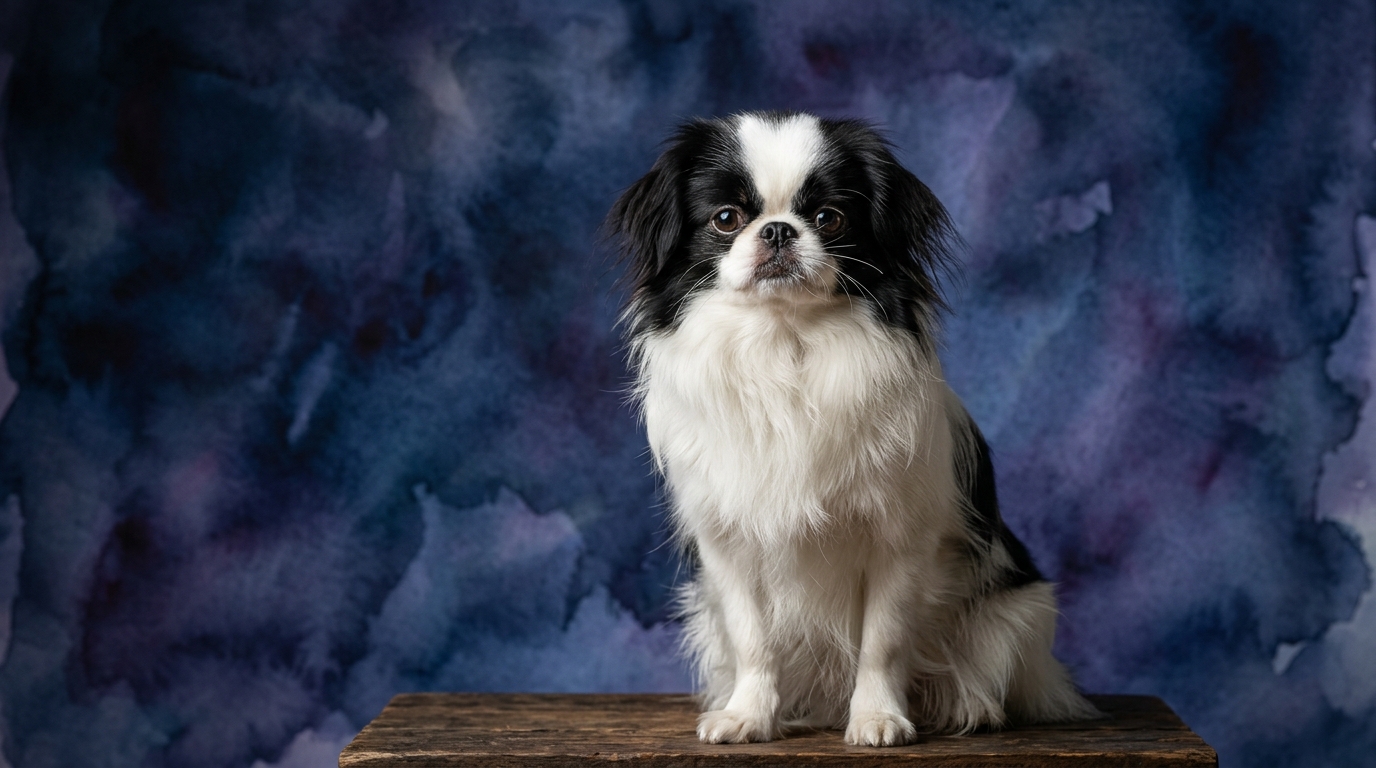
**Japanese Chin (Not Coren-Ranked)**: Japanese Chins show moderate problem-solving skills (3/5), often using cleverness to gain comfort or attention, such as opening cupboards or manipulating toys. Their moderate training speed (3/5) is aided by a desire to please and focus on human interaction, making them responsive to positive reinforcement and steady learners. Social intelligence (3/5) is moderate, as they are highly attuned to human moods, forming strong, nuanced bonds, being affectionate yet somewhat independent. A moderate instinctive drive (3/5) focuses on companionship and comfort, not hunting; playful chase instincts exist but are significantly less pronounced than in working breeds. Japanese Chins have moderate memory (3/5), effectively retaining routines, people, and learned commands, reinforced by consistent family interaction.
Where the Greyhound Cognitively Excels
The Greyhound's cognitive architecture truly excels in domains tied to its powerful instinctive drive, rated at a perfect 5/5. This translates into unparalleled situational awareness for visual stimuli and movement within its environment. A Greyhound's brain is wired for split-second decisions in high-speed pursuit, allowing rapid assessment of prey trajectory, terrain changes, and potential obstacles with incredible precision. This is a cognitive processing advantage that enables them to make complex, on-the-fly calculations for interception.
Their problem-solving, while rated 3/5, shines brightest when intrinsically linked to this drive. For instance, a Greyhound might ingeniously navigate a complex course or find a subtle opening in a fence that a less instinctively driven breed would miss, all in pursuit of a perceived target. This type of problem-solving is practical, applying keen senses and motor planning for a defined, instinctive goal. Their moderate memory effectively supports recalling successful hunting strategies or familiar running grounds, enhancing efficiency in subsequent pursuits.
Where the Japanese Chin Cognitively Excels
The Japanese Chin's cognitive strengths lie in areas supporting its role as a dedicated companion, particularly evident in its training speed (3/5) compared to the Greyhound's 2/5. This breed demonstrates a greater eagerness to engage in cooperative learning and respond to human direction. Their moderate instinctive drive (3/5) means they are less likely to be distracted by external stimuli that trigger strong prey drive, allowing consistent focus on their handler during training. This responsiveness makes them quicker to grasp and retain commands not tied to primal urges.
Furthermore, while both breeds share a 3/5 in social intelligence and memory, the Japanese Chin's expression often centers on nuanced human interaction. They are adept at reading subtle cues from their owners, anticipating needs, and adapting behavior to maintain harmony within the household. This makes their social intelligence particularly effective domestically, fostering a profound, reciprocal bond that might require less overt communication than with a more independent breed. Their memory supports retaining specific preferences and household routines.
Training Dynamics: Ease and Behavioral Differences
When evaluating ease of training, the Japanese Chin generally presents a more straightforward experience. Their training speed rating of 3/5 reflects a willingness to learn and a natural inclination to cooperate. This stems from their primary motivation: social engagement and a desire to please, making positive reinforcement highly effective. Their moderate instinctive drive (3/5) means fewer internal distractions from primal urges, allowing consistent focus on tasks. They thrive on interaction, viewing training as a shared activity that accelerates new behavior acquisition.
The Greyhound, with a training speed of 2/5, offers a different dynamic. Their independence and profound instinctive drive (5/5) mean they are often less motivated by simple human approval and more by opportunities to satisfy innate urges like chasing. While capable of learning, their training requires creativity, consistency, and understanding their sighthound nature. Trainers often need to incorporate elements mimicking pursuit or providing strong, tangible rewards. These behavioral differences stem from selective breeding: the Chin for companionship, the Greyhound for independent, high-speed pursuit.
Matching Breeds to Lifestyles: Active vs. Relaxed Owners
The choice between a Greyhound and a Japanese Chin largely depends on an owner's lifestyle and definition of "active." For owners who enjoy structured bursts of intense physical activity followed by extensive rest, the Greyhound is surprisingly fitting. Despite their athletic prowess and 5/5 instinctive drive, Greyhounds are often "45-mph couch potatoes" indoors. They require opportunities to run and burn energy in a secure area, satisfying their chase instinct, but once exercised, they are typically calm, quiet, and content to lounge. This suits owners who provide dedicated sprint time and then appreciate a relaxed presence.
Conversely, the Japanese Chin is an ideal match for more relaxed owners or those living in smaller spaces. Their moderate exercise requirements are satisfied by short walks and indoor play, aligning perfectly with a less strenuous lifestyle. While they enjoy interaction, their moderate instinctive drive (3/5) means they don't possess the same urgent need for high-speed outlets as a Greyhound. They are adaptable, content to curl up on a lap or engage in gentle play, making them excellent companions for individuals seeking a charming, attentive presence without intense activity demands.
The Verdict
Choose a Greyhound if you appreciate an independent spirit, can provide safe outlets for their powerful chase instinct, and desire a calm, affectionate companion after their exercise needs are met.
Choose a Japanese Chin if you seek an attentive, adaptable companion with moderate exercise needs, valuing their cooperative nature and charming presence in a relaxed home environment.
🧠 Find Your Pet's IQ Score
Our Pet IQ Lab assessment covers 25+ tests across 5 cognitive dimensions — personalized to your breed.
Take the Full IQ Test →Frequently Asked Questions
Do Greyhounds require a lot of exercise daily?
While Greyhounds are capable of incredible speed, they typically only need short bursts of intense running each day, followed by lounging. Many are content with a couple of brisk walks and a secure yard for occasional sprints.
Are Japanese Chins good for first-time dog owners?
Yes, Japanese Chins are often considered suitable for first-time owners due to their adaptable nature, moderate training speed, and relatively low exercise requirements. Their desire for companionship makes them eager to bond and learn.
How do their social needs differ?
Greyhounds tend to be reserved with strangers but form deep bonds with their family, preferring calm social settings. Japanese Chins are generally more outgoing and thrive on constant interaction with their human companions, often seeking to be at the center of family life.