Side-by-Side: Greyhound and Toller IQ Profiles
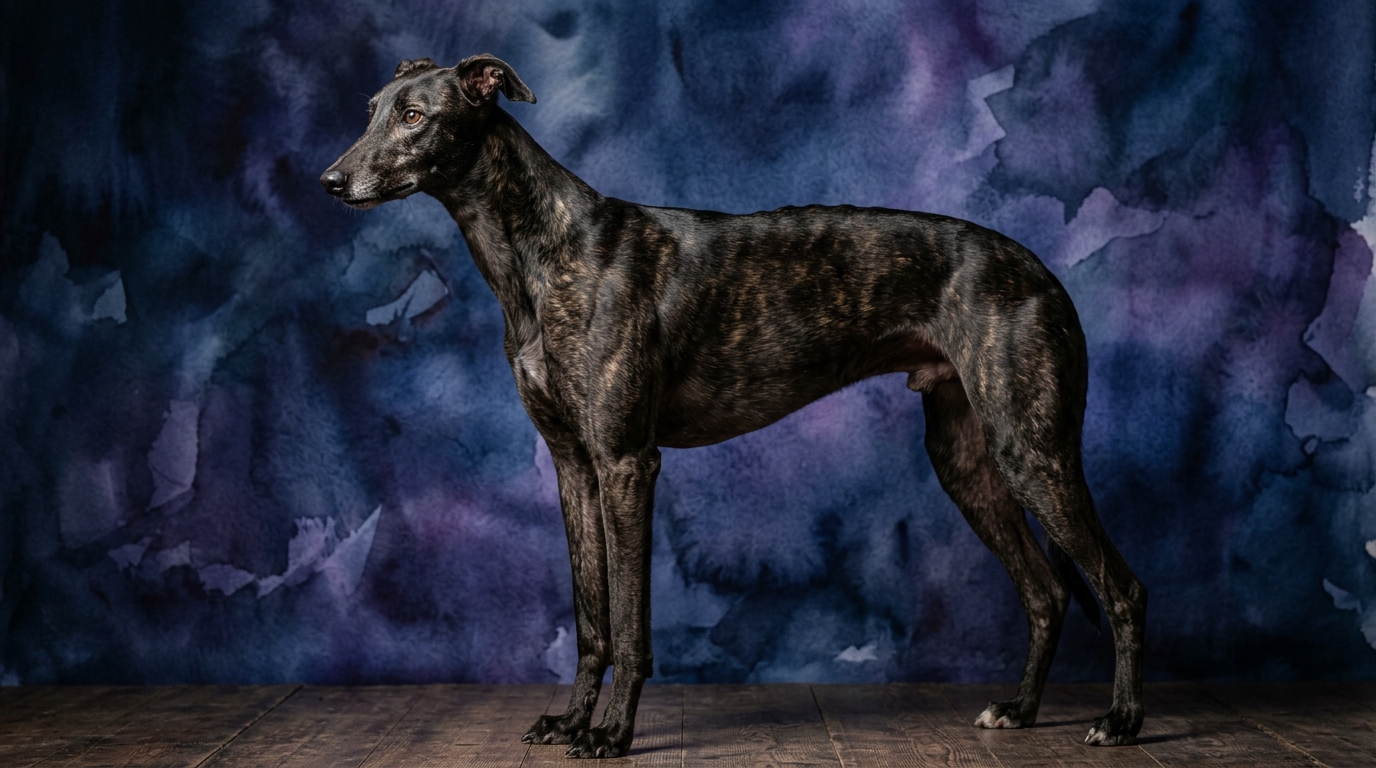
At The Cosmic Pet's IQ Lab, we dissect canine intelligence across five dimensions. For the Greyhound, problem solving registers at 3/5, indicating an average capacity to tackle novel situations, often favoring direct and efficient solutions. Their training speed is 2/5, suggesting they may require more consistent repetition due to their independent nature. Social intelligence is 3/5, meaning they generally gauge human moods competently but often display a reserved demeanor with strangers. Instantly recognizable is their instinctive drive, scoring an exceptional 5/5, a testament to their powerful sighthound heritage focused on chase. Memory for learned behaviors and routines stands at 3/5, an average retention.
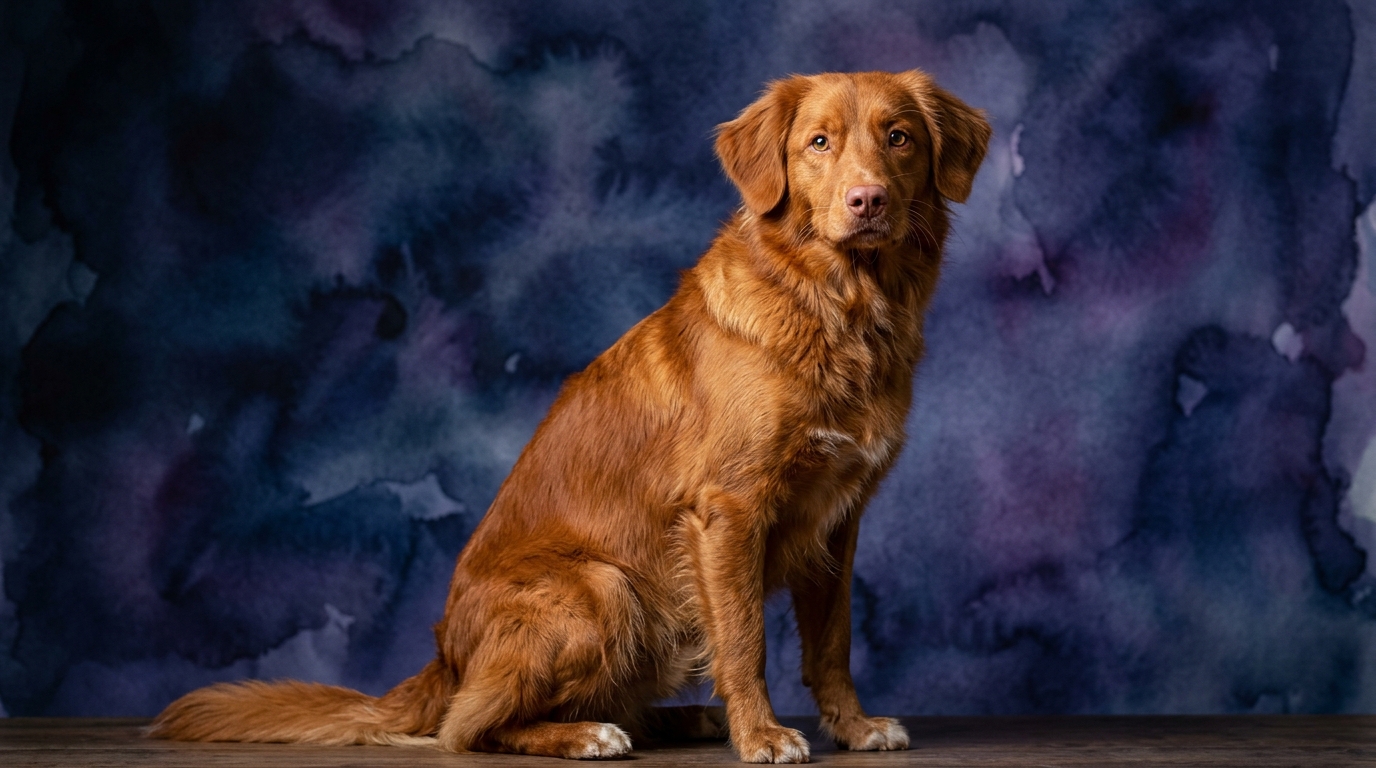
The Nova Scotia Duck Tolling Retriever presents a slightly different cognitive blueprint. Their problem solving mirrors the Greyhound at 3/5, approaching challenges with an adaptable, often hands-on enthusiasm. Training speed for Tollers is 3/5, indicating a more average pace of learning new commands, aided by their eagerness to engage with handlers. Social intelligence is also 3/5, typically manifesting as an outgoing and friendly disposition, adept at reading social cues. Their instinctive drive is 3/5, a moderate but focused drive geared towards cooperative retrieving and playful interaction. Finally, their memory capacity is 3/5, allowing them to recall commands and routines reliably.
Cognitive Wins for the Greyhound
The Greyhound's definitive cognitive advantage lies in its profound instinctive drive, rated at 5/5. This isn't merely a physical attribute; it's a deeply ingrained mental framework that prioritizes visual cues, rapid assessment of movement, and an immediate, powerful chase response. This unparalleled focus on pursuit means their cognitive resources are heavily dedicated to environmental scanning for potential targets and executing incredibly efficient, high-speed maneuvers. Their ability to instantly process visual stimuli and react with such precision is a testament to a highly specialized form of intelligence, honed over centuries for hunting by sight.
While both breeds score 3/5 in problem solving, the Greyhound’s approach often manifests in practical, energy-efficient ways when it comes to navigating their environment or securing comfort. They might quickly figure out the easiest route to a favorite napping spot or the most direct path to a food bowl, demonstrating a pragmatic spatial awareness driven by their desire for comfort and efficiency, rather than complex manipulation of objects for a task.
Toller's Cognitive Strengths
The Nova Scotia Duck Tolling Retriever's cognitive edge surfaces primarily in its training speed and the nature of its instinctive drive. While both breeds score 3/5 in problem solving, the Toller's approach often involves more deliberate interaction with its environment and handler. Their slightly higher training speed (3/5 vs 2/5 for Greyhounds) indicates a greater inherent receptiveness to instruction and a stronger motivation to collaborate on tasks, making them more pliable in learning complex sequences or multi-step commands.
Furthermore, the Toller's instinctive drive, while moderate (3/5), is specifically geared towards cooperative work and retrieving. This translates into a cognitive strength in understanding and executing tasks that involve handler interaction, object manipulation, and sustained focus on a goal like fetching. They demonstrate a mental tenacity for repetitive, task-oriented play, which requires a specific form of concentration and a desire to complete a 'job' that Greyhounds, with their chase-oriented drive, may not share to the same degree.
Training Dynamics: Which Breed Learns Faster?
When it comes to training speed, the Nova Scotia Duck Tolling Retriever generally holds an edge, scoring 3/5 compared to the Greyhound's 2/5. This difference isn't about one breed being inherently 'smarter,' but rather about their predispositions and historical roles. Tollers were bred to work closely with hunters, requiring them to be attentive, biddable, and eager to please. This translates into a dog that is often more receptive to cues, maintains focus during training sessions, and finds reinforcement in cooperative tasks, making them typically quicker to grasp and execute new commands.
Greyhounds, on the other hand, were developed for independent pursuit, relying on their own judgment in the field. This heritage often manifests as a more independent spirit during training. While perfectly capable of learning, their motivation might be less about pleasing a handler and more about what's immediately rewarding to them. They can be sensitive and respond best to positive reinforcement and short, engaging sessions, but their inherent independence means they might require more patience and consistency to solidify new behaviors compared to the more handler-focused Toller. Their high instinctive drive (5/5) for chasing can also be a significant distraction in environments with moving stimuli.
Lifestyle Match: Active vs. Relaxed Companionship
The cognitive profiles of these two breeds paint distinct pictures for ideal living situations. A Greyhound, despite its legendary speed, often thrives in a relatively relaxed home environment once its exercise needs are met. Their high instinctive drive (5/5) means they require secure, enclosed spaces for safe off-leash running or regular opportunities for sprinting, but indoors, they are often content to lounge. Their average problem-solving and social intelligence, combined with a lower training speed, suggest they are best suited for owners who appreciate an independent companion and are prepared for a consistent, patient approach to training. They are not typically dogs that demand constant mental tasks but rather require understanding of their unique sighthound nature.
The Nova Scotia Duck Tolling Retriever, conversely, is better suited for highly active owners who can provide consistent mental and physical challenges. While its instinctive drive is moderate (3/5), it's a working drive that requires outlets. Tollers excel in dog sports like agility, obedience, and retrieving, which tap into their problem-solving abilities (3/5), average training speed (3/5), and cooperative nature. Owners who enjoy teaching new tricks, engaging in interactive games, and spending significant time outdoors will find the Toller's cognitive makeup aligns perfectly with their lifestyle. They need more than just physical exercise; they need a 'job' or mental engagement to truly flourish.
The Verdict
Choose a Greyhound if you admire an independent spirit, are prepared for their powerful chase instinct, and seek a companion that enjoys bursts of intense activity followed by serene relaxation indoors. They fit owners who value quiet companionship and can provide secure spaces for their unique exercise needs.
Opt for a Nova Scotia Duck Tolling Retriever if you lead an active lifestyle, enjoy engaging in dog sports or extensive outdoor adventures, and desire a cooperative, eager-to-please partner for training and interactive play. They thrive with owners who can provide consistent mental and physical stimulation.
🧠 Find Your Pet's IQ Score
Our Pet IQ Lab assessment covers 25+ tests across 5 cognitive dimensions — personalized to your breed.
Take the Full IQ Test →Frequently Asked Questions
Do Greyhounds need a lot of exercise despite being relaxed indoors?
Yes, Greyhounds require regular opportunities for short, intense sprints to satisfy their high instinctive drive. While they are often calm indoors, daily bursts of high-speed running in a securely fenced area are crucial for their physical and mental well-being, complementing their relaxed home demeanor.
Are Nova Scotia Duck Tolling Retrievers good for first-time dog owners?
Tollers can be a good fit for dedicated first-time owners who are prepared for their energy and training needs. Their eagerness to please and moderate training speed make them responsive, but their need for consistent mental and physical stimulation means owners must be committed to active engagement and learning.
How do their social intelligence scores of 3/5 differ in practice?
While both score 3/5, Greyhounds tend to be more reserved, forming deep bonds with family but often aloof with strangers, indicating a discerning social approach. Tollers, conversely, are typically more outgoing and friendly, readily engaging with people and other dogs, reflecting their cooperative nature and desire for interaction.