Side-by-Side Cognitive Profiles: A Deeper Look
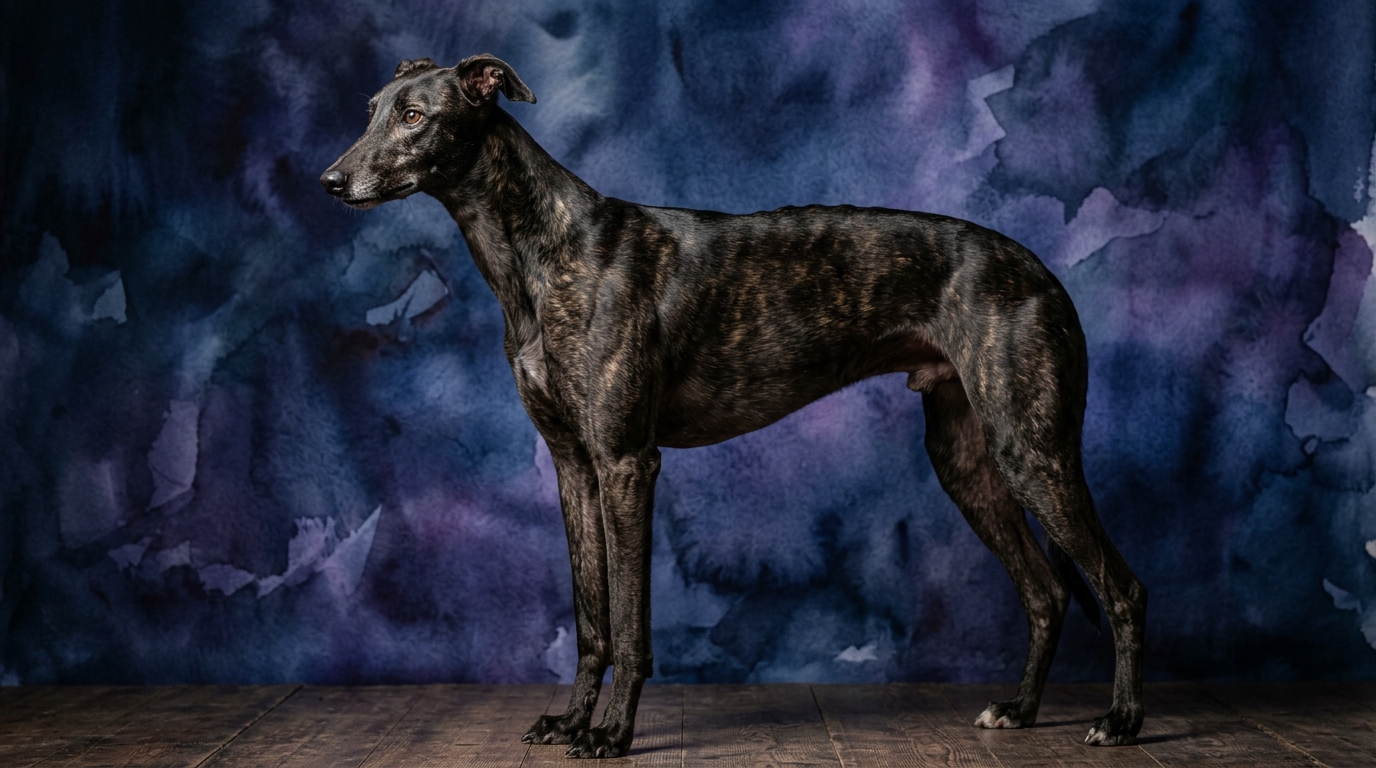
The Cosmic Pet Pet IQ Lab evaluates five key dimensions of canine intelligence, offering a granular view of how different breeds process the world. For the Greyhound, a breed recognized by Coren at rank #46, their profile paints a picture of specialized focus. They score 3/5 in Problem Solving, indicating an average capacity to navigate novel situations or overcome obstacles. Their Training Speed registers at 2/5, suggesting they may require more repetition and patience to grasp new commands. Social Intelligence sits at 3/5, reflecting a moderate ability to understand and respond to human and canine cues. However, their Instinctive Drive soars to an impressive 5/5, a clear nod to their heritage as pursuit predators, while Memory is rated at 3/5.
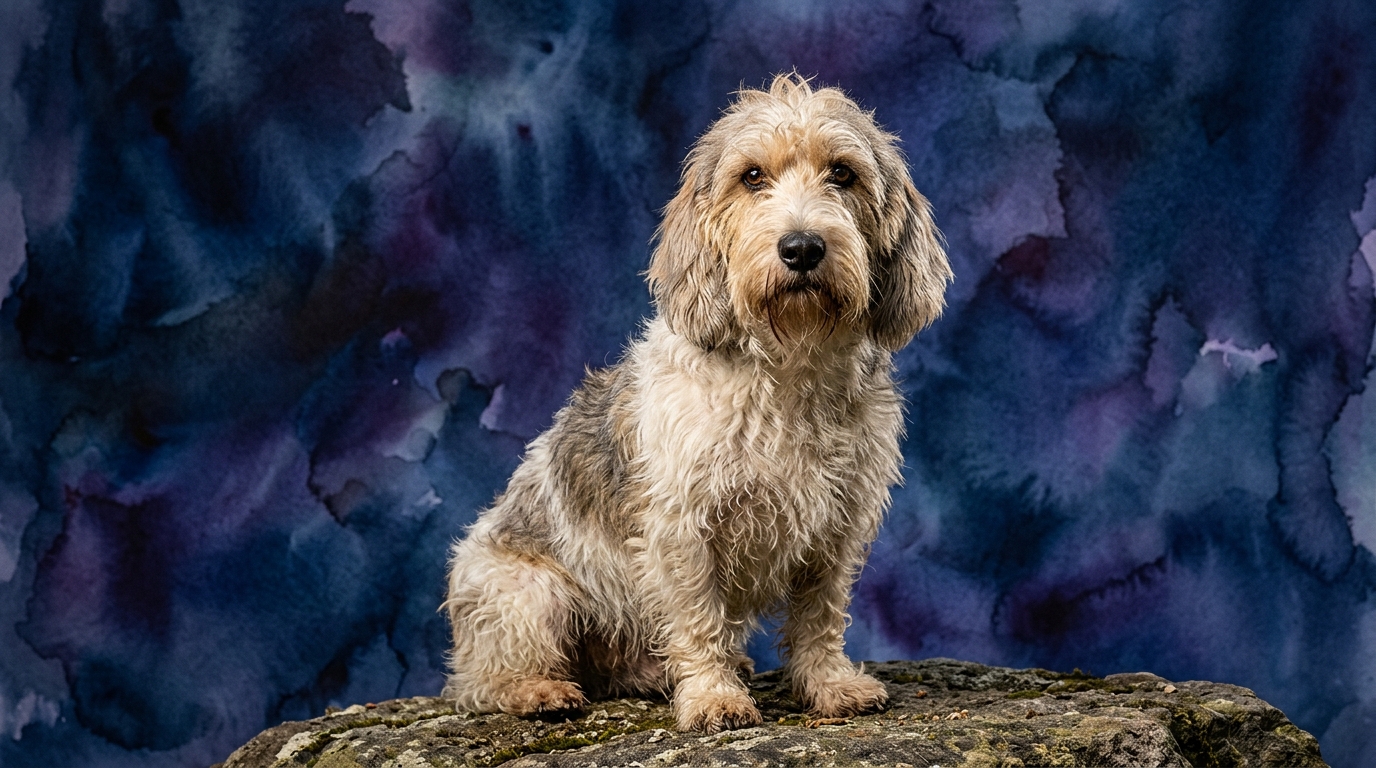
The Petit Basset Griffon Vendéen, though not Coren-ranked, presents a more uniformly balanced cognitive profile. PBGVs also score 3/5 in Problem Solving, mirroring the Greyhound's capacity to figure things out. Interestingly, their Training Speed is rated higher at 3/5, implying they might pick up new behaviors more readily than their sighthound counterpart. Their Social Intelligence is also 3/5, indicating a similar level of aptitude for interaction. The PBGV's Instinctive Drive is a solid 3/5, reflecting their scenthound heritage but without the extreme focus seen in the Greyhound. Finally, their Memory also comes in at 3/5, suggesting an average recall of experiences and learned associations.
Where the Greyhound's Cognition Excels
The Greyhound's undeniable cognitive strength lies in its Instinctive Drive, rated at a perfect 5/5. This isn't merely about physical speed; it represents an unparalleled mental focus and determination when it comes to visual tracking and pursuit. Their minds are wired for spotting movement at a distance, assessing trajectory, and executing a lightning-fast, highly coordinated chase. This specialized problem-solving manifests in their ability to anticipate a lure's path or make split-second decisions during a sprint, demonstrating a unique form of situational awareness and predictive intelligence tied directly to their ancient hunting role. While their general problem-solving is average, their capacity for strategic, high-speed execution within their domain is exceptional, a testament to centuries of selective breeding for this specific cognitive function.
Furthermore, their streamlined physique and quiet demeanor often belie a profound observational intelligence. Greyhounds are adept at reading their environment and human companions, often choosing to conserve energy until a stimulus warrants action. Their memory, while rated 3/5, contributes to their ability to recall preferred lounging spots, routines, and safe areas for their powerful bursts of energy. This combination of intense, specialized drive and calm, observant nature defines their unique cognitive edge.
Cognitive Strengths of the Petit Basset Griffon Vendéen
The Petit Basset Griffon Vendéen showcases its cognitive prowess through a more balanced and persistent intellectual approach, particularly in areas related to scent work and adaptability. Their 3/5 Instinctive Drive, while lower than the Greyhound's, signifies a tenacious and focused application of their olfactory senses. This drive fuels their problem-solving in tracking, requiring them to constantly analyze complex scent trails, differentiate between odors, and maintain focus over long periods – a distinct form of sustained cognitive effort. Their problem-solving score of 3/5, combined with this instinct, means they are adept at figuring out how to follow a trail despite obstacles, or how to reach a fascinating scent source.
Another area where the PBGV shines is its Training Speed, scoring 3/5 compared to the Greyhound's 2/5. This indicates a greater willingness or capacity to absorb new commands and behaviors, suggesting a more cooperative cognitive framework that can be leveraged in various learning scenarios. Their social intelligence, also 3/5, supports this by making them generally receptive to interactions and group dynamics, which is beneficial in training contexts. Their memory, at 3/5, assists them in retaining complex scent patterns and learned routes, crucial for their historical role as pack hunters.
Training Dynamics: Greyhound vs. PBGV
When it comes to training, the practical differences between these two breeds become apparent. The Greyhound's Training Speed of 2/5 means that while they are capable of learning, they often require more patience, repetition, and highly motivating rewards. Their independent nature, coupled with their powerful instinctive drive to chase, can make them less inclined to comply with commands if a more compelling visual stimulus is present. Training a Greyhound often involves understanding their drive to sprint and incorporating safe opportunities for this, while gently guiding them in other areas. They are not necessarily stubborn, but their mental focus is often directed externally, towards movement, rather than solely on their handler.
The Petit Basset Griffon Vendéen, with a Training Speed of 3/5, generally exhibits a more receptive attitude towards training. Their slightly higher score suggests they can grasp concepts more quickly and may be more eager to please, although their scenthound instincts can also present challenges. A PBGV's nose is a powerful cognitive tool, and it can easily lead them astray if an interesting scent appears. Successful training with a PBGV often involves making it a fun, engaging, and mentally stimulating activity that competes with the allure of their nose, leveraging their natural curiosity and moderate social intelligence to foster cooperation.
Matching Cognitive Needs to Owner Lifestyles
The cognitive profiles of these two hounds dictate very different ideal owner lifestyles. For the Greyhound, an owner who appreciates explosive bursts of energy followed by profound periods of rest is key. Their 5/5 instinctive drive demands regular, safe opportunities for high-speed running in a securely fenced area, which provides crucial mental and physical release. Beyond these sprints, however, Greyhounds are typically calm and quiet indoors, making them suitable for owners who enjoy a relaxed home environment but are committed to fulfilling their unique exercise requirements. Their 3/5 social intelligence means they enjoy companionship but aren't typically demanding of constant interaction, content to observe from a comfortable spot.
The Petit Basset Griffon Vendéen, with its balanced 3/5 instinctive drive and problem-solving, thrives with an owner who embraces consistent activity and mental engagement. PBGVs require regular walks where they can use their nose to explore, engaging their keen olfactory senses and satisfying their innate curiosity. They are more consistently active than Greyhounds and need owners who are prepared for a dog that is always 'on the hunt' for interesting smells and experiences. Their 3/5 training speed and social intelligence mean they enjoy learning and participating in family activities, making them a good fit for active families or individuals who enjoy outdoor adventures and can provide consistent mental stimulation through training and exploration.
The Verdict
Choose the Greyhound if you appreciate a calm indoor companion who requires specific, high-intensity exercise outlets to satisfy their unparalleled visual pursuit drive, and you value a dog with a quietly observant nature.
Opt for the Petit Basset Griffon Vendéen if you seek an active, curious companion eager for consistent mental engagement through scent work and exploration, and you enjoy a dog that is generally more amenable to varied training.
🧠 Find Your Pet's IQ Score
Our Pet IQ Lab assessment covers 25+ tests across 5 cognitive dimensions — personalized to your breed.
Take the Full IQ Test →Frequently Asked Questions
Do Greyhounds make good apartment dogs despite their speed?
Yes, surprisingly, Greyhounds can adapt well to apartment living because they are typically very calm and quiet indoors, often preferring to nap. However, their 5/5 instinctive drive means they absolutely require regular, safe opportunities for off-leash sprinting in a secure, enclosed space to fulfill their physical and mental needs.
Is a Petit Basset Griffon Vendéen difficult to train due to its hound nature?
While PBGVs possess an independent hound nature and a strong scent drive that can be distracting, their 3/5 training speed suggests they are generally receptive to learning. Consistent, positive reinforcement training that engages their problem-solving and leverages their natural curiosity is most effective, helping them to focus beyond enticing smells.
Which breed is better for a first-time dog owner?
For a first-time owner, the PBGV might be a slightly more forgiving choice due to its higher training speed and more balanced instinctive drive, potentially making it easier to integrate into a diverse range of activities. Greyhounds, while gentle, have very specific exercise needs related to their extreme instinctive drive that a novice owner might initially underestimate.