Side-by-Side IQ Profile: Greyhound vs. Schipperke
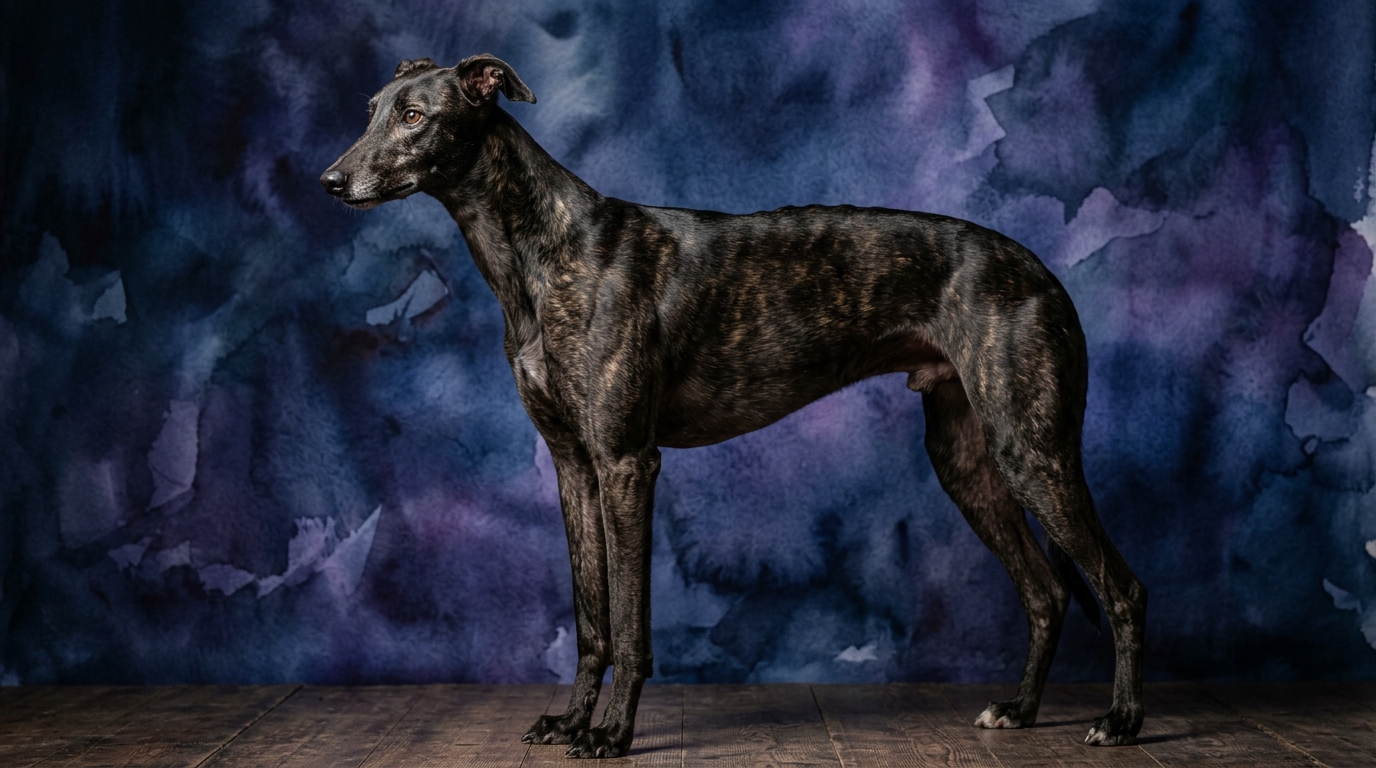
The Greyhound, ranked #46 by Coren, presents a cognitive profile optimized for its sighthound heritage. Their Problem Solving is rated 3/5; while not prone to intricate puzzles, they excel at navigating open spaces to intercept moving targets, a specific form of environmental problem-solving. Training Speed sits at 2/5, indicating they require consistent, positive reinforcement and patience, as their independent nature means they aren't always driven by a desire to please. Social Intelligence is 3/5; they form profound bonds with their inner circle and are attuned to their family's emotions, though they often maintain a dignified reserve with strangers. Their Instinctive Drive is a powerful 5/5, dominated by an unparalleled prey drive and the urge to chase anything that moves. Memory, rated 3/5, allows them to retain routines and familiar commands, but their recall might be more context-dependent, especially when their chase instinct is engaged. They are masters of energy conservation, often appearing languid, but their minds are always primed for action.
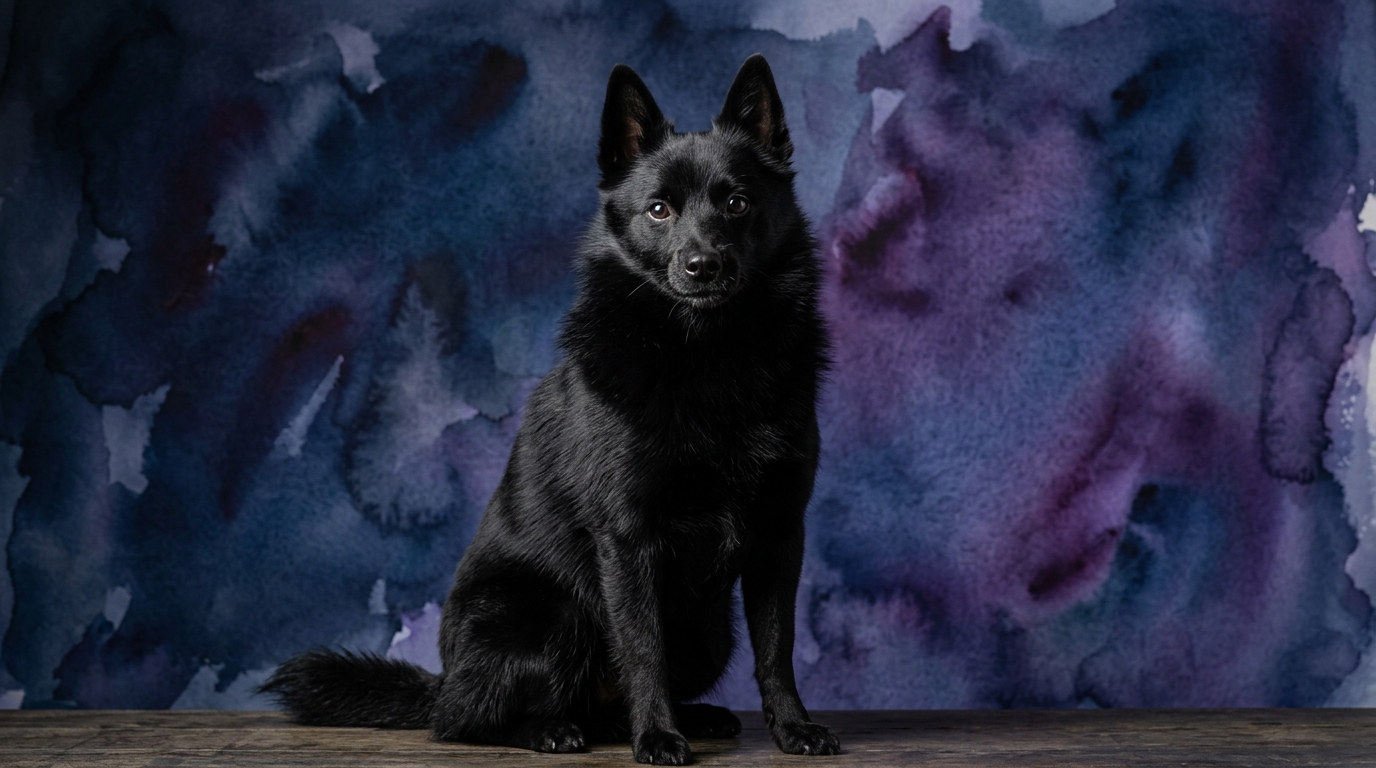
In stark contrast, the Schipperke, a Coren #15, showcases a mind built for vigilance and clever engagement. Their Problem Solving is a remarkable 5/5; these small dogs are adept at figuring out complex mechanisms, opening latches, or devising strategies to achieve their goals, demonstrating a high degree of independent thought. Training Speed is 5/5, meaning they pick up new commands and tricks with exceptional rapidity, often relishing the mental challenge. Social Intelligence is 3/5; they are highly perceptive of their human companions' moods and often use this understanding to their advantage, though they can be quite wary and protective around unfamiliar faces. Instinctive Drive is 3/5, primarily focused on their historical roles as watchdogs and vermin hunters, demonstrating an alert, inquisitive nature rather than an overwhelming chase impulse. Memory is an impressive 5/5; they retain a vast array of learned behaviors and experiences, making them consistent performers once a task is mastered. Their quick wit and boundless curiosity mean their minds are rarely at rest.
Where the Greyhound Wins Cognitively
The Greyhound's cognitive strengths are deeply intertwined with their evolutionary purpose. Their primary cognitive triumph lies in their unparalleled Instinctive Drive (5/5), specifically their visual processing and motor planning for high-speed pursuit. This isn't just a physical attribute; it's a sophisticated mental algorithm that allows them to instantly calculate trajectories, anticipate prey movement, and adjust their own biomechanics at full sprint. Their visual acuity and sensitivity to movement, even at great distances, represent a specialized form of environmental awareness that few breeds can match. Furthermore, their 'efficiency of mental energy' is a win; they don't expend cognitive resources on unnecessary tasks, reserving their intense focus for the chase. This intelligent energy management allows them to be incredibly calm and restful indoors, only to unleash an explosive, cognitively demanding performance when their sighthound instincts are engaged. This selective application of mental effort is a unique form of cognitive optimization.
Where the Schipperke Wins Cognitively
The Schipperke truly shines in areas demanding adaptive intellect and rapid learning. Their Problem Solving (5/5) is exceptional; these small dogs frequently outwit their owners, devising clever ways to access treats, escape enclosures, or manipulate situations to their benefit. This involves abstract thinking and an ability to learn through observation and experimentation. Coupled with their astounding Training Speed (5/5), Schipperkes absorb new commands and complex sequences with remarkable ease, often requiring fewer repetitions than many other breeds. They thrive on mental challenges, quickly grasping new concepts and eagerly participating in activities that stimulate their quick minds. Their superior Memory (5/5) ensures that once a lesson is learned or a trick mastered, it's retained for the long term, contributing to their consistent performance. This combination of swift learning and excellent recall makes them incredibly versatile in training and dog sports, showcasing a dynamic and adaptable cognitive framework.
Which is Easier to Train and Why
When it comes to ease of training, the Schipperke holds a distinct advantage. Their high Training Speed (5/5) means they grasp new concepts with impressive rapidity, often enjoying the mental stimulation of learning. Their problem-solving abilities (5/5) translate directly into a dog that actively tries to understand what's being asked, rather than passively waiting for guidance. They respond well to consistent, engaging training methods and are often eager to demonstrate their cleverness. Conversely, the Greyhound, with a Training Speed of 2/5, presents more of a challenge. While certainly capable of learning, their independent sighthound nature means they require more repetition and motivation, often in the form of high-value rewards. Their profound Instinctive Drive (5/5) is a major factor; a fleeting squirrel or a distant movement can instantly override any learned command, making reliable recall in an unsecured environment a lifelong training endeavor. Greyhounds are not inherently driven to 'work' for their human in the same way many breeds are; they operate on their own terms, and training must respect and work with this inherent independence.
Which Suits Active Owners vs. Relaxed Owners
The suitability for active versus relaxed owners also diverges significantly between these two breeds. The Schipperke is undeniably better suited for active owners. Their keen intellect, high energy levels, and strong problem-solving drive mean they require consistent mental and physical engagement. Owners who enjoy dog sports, advanced obedience, regular long walks, and interactive puzzle toys will find a rewarding companion in the Schipperke. Without sufficient stimulation, their cleverness can quickly turn to destructive boredom or excessive barking. The Greyhound, on the other hand, can surprisingly fit both categories, albeit with specific considerations. For active owners, they excel in short, intense bursts of exercise like lure coursing or secure off-leash running, followed by significant downtime. For relaxed owners, Greyhounds are often perfect. They are famously known as '45 mph couch potatoes,' content to lounge for hours on a soft bed after a brisk walk or two. They don't demand constant mental 'work' or endless activity, making them excellent companions for those who appreciate a calm, quiet presence indoors, provided their brief, intense exercise needs are met in a safe environment.
The Verdict
If you seek a calm, dignified companion who excels in short, explosive athletic endeavors and appreciates luxurious lounging indoors, while understanding their profound sighthound instincts, the Greyhound is an ideal choice.
For those who thrive on interactive training, enjoy a highly engaged and clever partner for dog sports or mental challenges, and are prepared to meet the demands of a perpetually curious and vigilant small dog, the astute Schipperke will be a truly rewarding match.
🧠 Find Your Pet's IQ Score
Our Pet IQ Lab assessment covers 25+ tests across 5 cognitive dimensions — personalized to your breed.
Take the Full IQ Test →Frequently Asked Questions
Is a Greyhound difficult to train?
Greyhounds are not inherently difficult, but their independent nature and powerful prey drive mean they require patient, consistent training with high-value motivation. Recall, especially, needs careful attention in secure environments.
Do Schipperkes need a lot of exercise?
While small, Schipperkes are energetic and mentally sharp, requiring regular physical activity and significant mental stimulation through training and puzzle games to prevent boredom and potential mischievous behaviors.
Which breed is better with children?
Both breeds can be good with children with proper socialization and supervision. Greyhounds are generally gentle and tolerant, while Schipperkes can be protective and may require more management around very young or boisterous children due to their alert nature.