Side-by-Side IQ Profile: Greyhound vs. Scottish Terrier
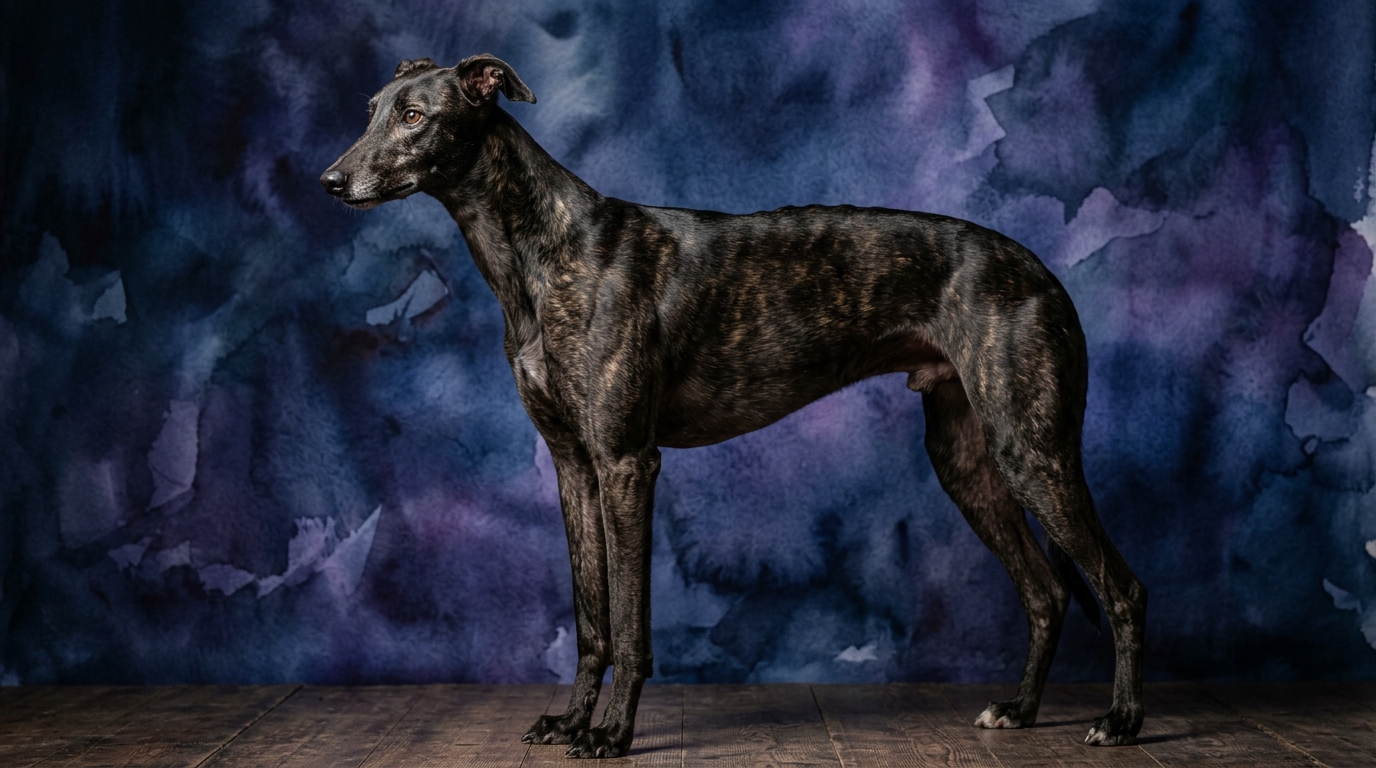
The Cosmic Pet Pet IQ Lab employs a five-dimensional model to assess canine intelligence, offering a nuanced view beyond simple ranking. For the Greyhound, ranked #46 by Coren, its Problem Solving ability scores a 3/5, indicating competence in tasks relevant to its sighthound heritage, such as tracking movement, but less generalized aptitude for abstract puzzles. Its Training Speed is 2/5, suggesting that while capable of learning, it often requires patient, motivation-driven methods tailored to its independent nature. Social Intelligence stands at 3/5, reflecting an ability to form deep bonds and understand familiar human cues, though they can be reserved with strangers. The Greyhound's Instinctive Drive is a profound 5/5, an unparalleled capacity for focused pursuit and rapid reaction to visual stimuli, representing its core cognitive strength. Memory is rated 3/5, meaning it retains routines and experiences, particularly those linked to comfort or its powerful prey drive.
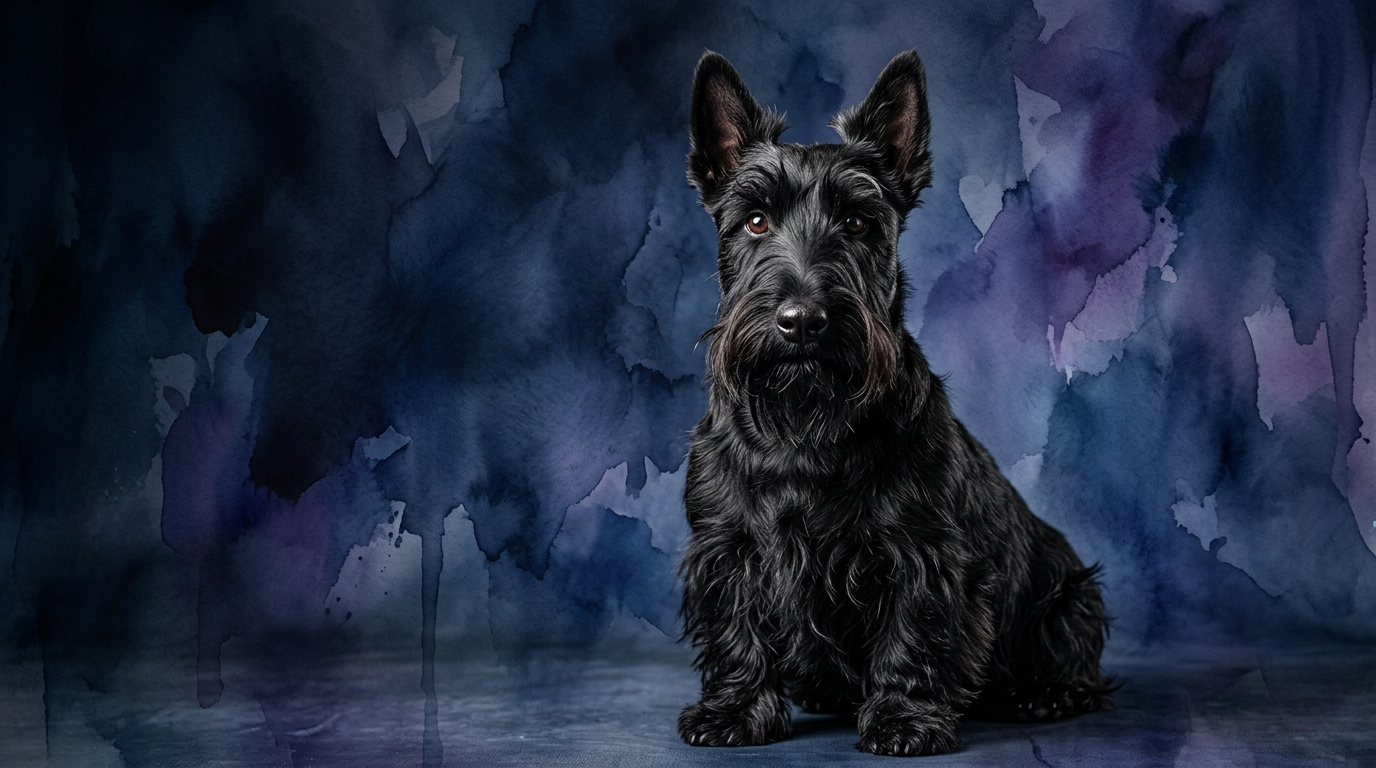
The Scottish Terrier, ranking #65 by Coren, presents a different cognitive blueprint. Its Problem Solving also scores 3/5, but this manifests as resourcefulness in tasks aligned with its terrier roots, like navigating tight spaces or outwitting small prey, showcasing independent thought and determination. Notably, its Training Speed is 3/5, indicating a moderate learning pace and a more cooperative, albeit sometimes stubborn, approach to commands compared to the Greyhound. Social Intelligence matches at 3/5, as they are observant of their family dynamics and capable of affection, yet often selective in their attachments and wary of outsiders. The Scottish Terrier's Instinctive Drive is 3/5, present in behaviors like digging, chasing small animals, and territoriality, but it doesn't dominate their cognitive landscape in the same overwhelming way as a sighthound’s. Finally, its Memory is 3/5, allowing it to retain commands and experiences, including those that led to success or reward, and sometimes long-held perceptions.
Where the Greyhound Wins Cognitively
The Greyhound's definitive cognitive triumph lies in its extraordinary Instinctive Drive, scoring a perfect 5/5. This isn't merely about physical speed; it represents a sophisticated neurocognitive system geared for immediate perception and rapid execution. A Greyhound processes visual stimuli with unparalleled efficiency, allowing for instantaneous recognition of movement and calculation of pursuit trajectories. Their brains are finely tuned instruments for observation, pattern recognition in motion, and the precise coordination required to chase and capture, often over vast distances. This deep-seated drive means they possess a specialized form of intelligence, excelling in tasks that demand acute sensory awareness and lightning-fast reflexes.
Furthermore, their cognitive strength extends to a profound understanding of energy conservation and bursts. While appearing calm and relaxed, their minds are always subtly processing the environment for potential triggers, demonstrating a highly efficient cognitive economy. This specialized intelligence allows them to transition from serene repose to full-speed pursuit in a fraction of a second, a testament to their inherent cognitive design for their historical role as sighthounds. Their memory, while rated 3/5, is particularly strong for routes, familiar environments, and comfort zones, showcasing a practical spatial intelligence.
Where the Scottish Terrier Wins Cognitively
The Scottish Terrier exhibits distinct cognitive strengths that set it apart, particularly in areas reflecting its origins as an independent working terrier. Its Problem Solving score of 3/5, while numerically matching the Greyhound, manifests very differently. Scotties excel at independent strategizing, such as figuring out how to access a desired object or persistently digging to achieve a goal. This tenacity isn't just physical; it's a cognitive trait involving sustained focus and determination to overcome obstacles, often without direct human instruction. They demonstrate a shrewd, individualistic approach to challenges, reflecting their historical need to work autonomously underground.
Another area where the Scottish Terrier holds an edge is in Training Speed, scoring 3/5 compared to the Greyhound's 2/5. While they possess a renowned independent streak, Scotties generally show a greater willingness to engage in structured learning and respond to commands, provided the motivation is compelling and the training is consistent. This slightly higher aptitude for learning obedience stems from a different balance of drives, making them somewhat more receptive to human direction in a formal training setting. Their social intelligence, also 3/5, often involves a keen observation of their human family, understanding routines and anticipating events, which contributes to their ability to adapt to household rules.
Which is Easier to Train and Why
When considering ease of training, the Scottish Terrier generally offers a more cooperative experience than the Greyhound, a difference clearly reflected in their respective Training Speed scores of 3/5 and 2/5. Scotties, despite their independent nature, often possess a strong desire to engage with their owners and can be quite responsive to positive reinforcement and consistent methods. Their problem-solving skills, coupled with a moderate instinctive drive, allow them to process commands and associate them with rewards more readily. They learn best with clear boundaries and a trainer who understands their feisty, persistent personality, often enjoying the mental stimulation that training provides.
Greyhounds, on the other hand, can be more challenging to train for traditional obedience. Their powerful Instinctive Drive (5/5) means they are highly susceptible to distractions, especially anything that moves. Their motivation often revolves around chase or comfort, making them less inherently inclined to perform complex commands purely to please. Training a Greyhound requires immense patience, short and engaging sessions, and a deep understanding of what truly motivates them, often high-value treats or opportunities for a controlled sprint. Their independent, sometimes "cat-like" demeanor means they may simply choose not to comply if they don't see the immediate benefit, highlighting a significant behavioral difference rooted in their cognitive makeup.
Which Suits Active Owners vs. Relaxed Owners
The suitability of each breed for active versus relaxed owners hinges significantly on their overall energy profiles and cognitive needs. The Greyhound, often dubbed a "45-mph couch potato," is surprisingly well-suited for relaxed owners who can provide short bursts of intense exercise. They thrive on secure, fenced areas where they can sprint to their heart's content, but are otherwise content to lounge and enjoy a quiet, calm indoor environment. Their high instinctive drive means leashed walks are crucial outside of secure areas, making them less ideal for owners seeking a long-distance jogging companion or off-leash hiking partner due to their prey drive and speed.
The Scottish Terrier, in contrast, aligns better with owners who are consistently active in a moderate sense. They require regular daily walks and enjoy exploring, digging, and engaging in play sessions. While not needing the explosive speed of a Greyhound, their sturdy build and tenacious spirit mean they appreciate consistent outdoor activity and mental stimulation. Owners who enjoy moderate daily adventures, are prepared for a dog with a strong personality, and can manage their territorial and digging instincts will find a fulfilling companion in the Scottish Terrier, as their cognitive makeup supports a more engaged, exploratory lifestyle.
The Verdict
For owners who appreciate a calm, independent companion content with short, intense bursts of secure exercise and a quiet home life, understanding their profound sighthound instincts and reserved nature, the Greyhound is an excellent choice.
For those seeking a tenacious, engaging companion for moderate daily adventures and consistent training, who appreciate a breed with independent problem-solving skills and a strong, spirited personality, the Scottish Terrier will be a rewarding addition.
🧠 Find Your Pet's IQ Score
Our Pet IQ Lab assessment covers 25+ tests across 5 cognitive dimensions — personalized to your breed.
Take the Full IQ Test →Frequently Asked Questions
Are Greyhounds good with other pets?
Greyhounds often possess a strong prey drive (instinctive drive 5/5), which means they may view smaller, fast-moving animals as potential prey. Careful introductions and constant supervision are crucial, especially with cats or small dogs, though many can learn to coexist peacefully with proper training and management.
Do Scottish Terriers need a lot of grooming?
Yes, Scottish Terriers have a dense, wiry double coat that requires regular grooming to prevent matting and maintain its distinctive appearance. This typically involves brushing several times a week and professional stripping or clipping every few months to keep their coat healthy and tidy.
Which breed is better for apartment living?
Both breeds can adapt well to apartment living if their specific exercise needs are consistently met. Greyhounds are often calm and quiet indoors, requiring less constant activity, while Scottish Terriers need consistent daily walks and mental engagement to prevent boredom and potential destructive behaviors.