Side-by-Side Cognitive Profiles: Decoding Canine Intellect
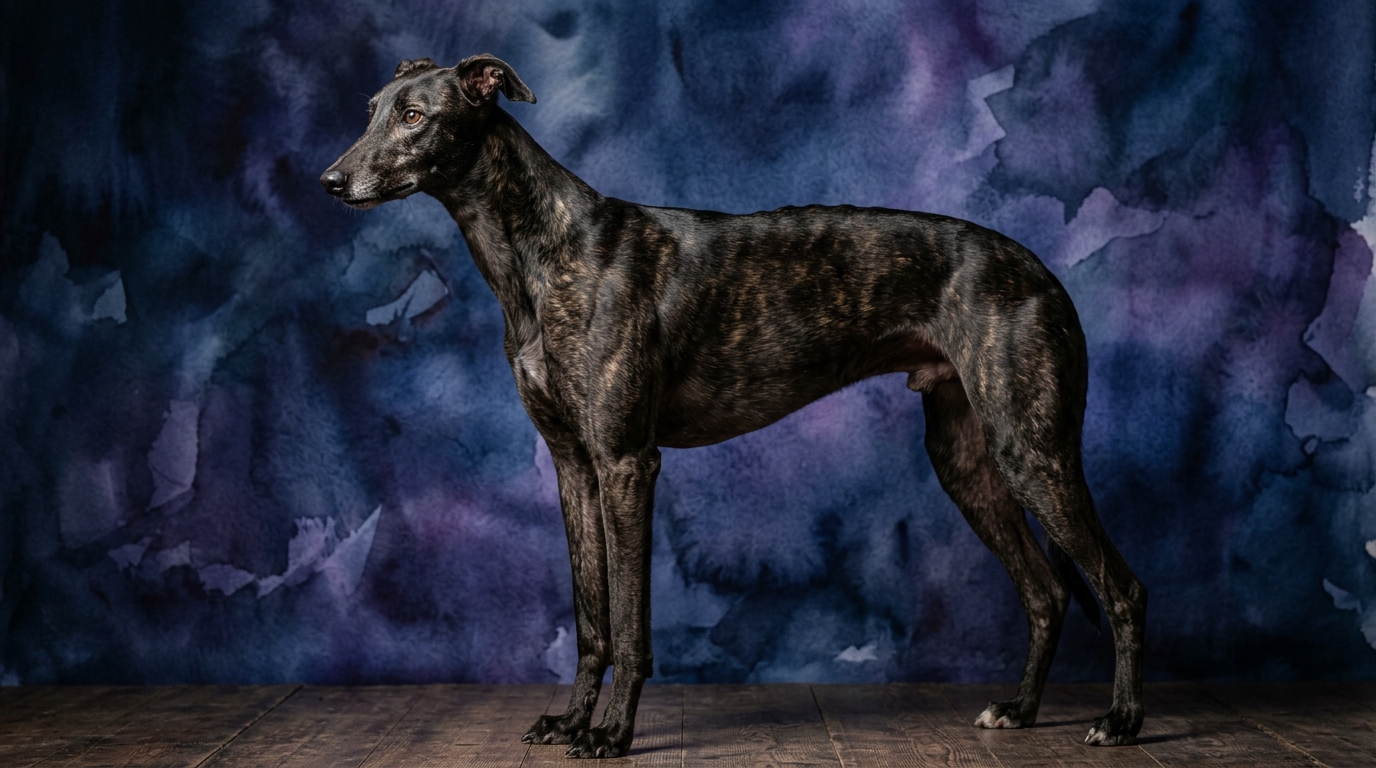
The Greyhound, a quintessential sighthound, possesses a cognitive framework honed for rapid pursuit. The Cosmic Pet Pet IQ Lab assigns them a Problem Solving score of 3/5, indicating a moderate capacity for navigating novel challenges, often relying on their acute senses rather than intricate reasoning. Their Training Speed is 2/5, suggesting that consistent, patient methods are crucial, as these independent thinkers prioritize their instincts. Social Intelligence registers at 3/5, reflecting their ability to form bonds and interpret social cues. However, their Instinctive Drive is a perfect 5/5, encompassing an intense prey drive, exceptional speed, and a profound focus on visual stimuli. Memory is 3/5, allowing for effective retention of routines. Their Coren rank of #46 places them in the "average working/obedience intelligence" bracket.
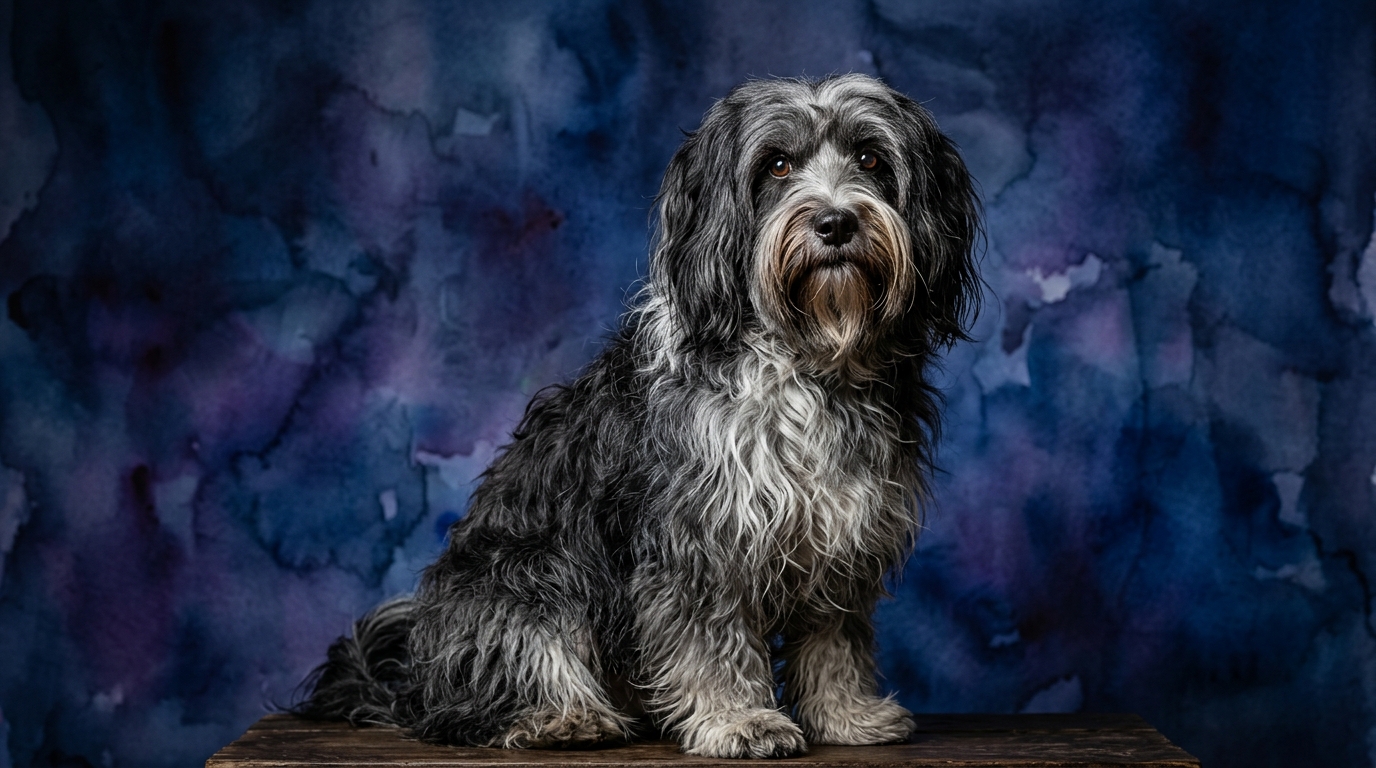
Hailing from the Himalayas, the Tibetan Terrier developed a versatile cognitive skill set for companionship and guarding. Their Problem Solving is also 3/5, comparable to the Greyhound, indicating independent thought in environmental navigation. Notably, their Training Speed is 3/5, slightly surpassing the Greyhound, suggesting a quicker grasp of commands and greater eagerness for structured learning. Social Intelligence mirrors the Greyhound at 3/5, underscoring their capacity for strong bonds. Their Instinctive Drive is a moderate 3/5, focused on vigilance and alerting rather than singular pursuit. Memory stands at 3/5, reflecting reliable retention. With a Coren rank of #63, Tibetan Terriers fall into the "fair working/obedience intelligence" category, requiring more repetitions for consistent obedience than Greyhounds in a traditional sense, despite their faster learning pace.
Where the Greyhound's Mind Excels Cognitively
The Greyhound's cognitive prowess is intrinsically linked to its specialized role as a pursuit hunter. Their exceptional Instinctive Drive, rated 5/5, is a hallmark of their intellect. This isn't merely physical speed; it represents a sophisticated neurological wiring for rapid visual processing. Greyhounds can instantaneously identify and track distant movement, calculating complex pursuit trajectories with astonishing precision. This intense focus on visual stimuli and the inherent drive to chase means they thrive in activities like lure coursing, where their natural inclinations are engaged. While their Problem Solving is 3/5, it manifests uniquely in their ability to efficiently navigate open spaces or find the optimal path toward a perceived quarry. Their memory, while 3/5 generally, is particularly robust for spatial awareness and visual landmarks, making them highly effective navigators within their familiar environments, demonstrating an innate understanding of kinetics.
Where the Tibetan Terrier's Mind Shines Cognitively
The Tibetan Terrier’s cognitive strengths stem from its heritage as a versatile companion and guardian in demanding environments. Their higher Training Speed (3/5 compared to the Greyhound's 2/5) suggests a greater inherent receptiveness to human instruction and a quicker acquisition of new commands. This points to a more cooperative learning style, making them more adaptable in structured training. Their Instinctive Drive, a moderate 3/5, is characterized by broad situational awareness and a strong desire to alert their human companions to novelties, a form of cognitive vigilance. They approach problem-solving (3/5) with a balanced blend of independence and willingness to collaborate, often employing persistent, methodical exploration rather than relying solely on speed or visual cues. Their social intelligence (3/5) is adept, allowing them to read human emotions and adjust behavior, a nuanced skill for a devoted companion.
Ease of Training: Greyhound vs. Tibetan Terrier
Evaluating ease of training reveals distinct approaches for these two breeds. The Tibetan Terrier generally offers a more straightforward experience for the typical owner. Their Training Speed of 3/5 indicates a quicker grasp of new commands and a greater inclination to please through cooperation. While their Coren rank of #63 suggests they may require more repetitions for consistent obedience than some breeds, their motivation often arises from a desire for interaction and partnership, making positive reinforcement highly effective. They can excel in various dog sports where their adaptable nature and willingness to engage are valuable.
Conversely, the Greyhound's 2/5 Training Speed and Coren rank of #46 highlight a different learning dynamic. Greyhounds often need more repetitions to solidify commands, and their motivation is frequently tied to their powerful instinctive drives. Their pronounced prey drive (Instinctive Drive 5/5) can pose significant challenges for off-leash recall, as the sight of a moving object can easily override learned commands. They are independent thinkers, less driven by human approval and more by opportunities to run or chase. Training a Greyhound demands immense patience, unwavering consistency, and a deep understanding of their sighthound nature, recognizing that their "selective hearing" often reflects deeply ingrained instincts rather than a lack of comprehension.
Suiting Active vs. Relaxed Lifestyles
The ideal owner lifestyle for each breed presents an intriguing contrast. The Greyhound, despite its athletic build, is often characterized as a "45-mph couch potato." While they require daily opportunities for intense, short bursts of running in a securely fenced area to satisfy their 5/5 Instinctive Drive, these periods are typically brief. They are not endurance athletes and prefer extensive periods of napping. Their mental engagement often involves observing their surroundings and, of course, the thrill of a chase. Therefore, a Greyhound suits an owner who can provide safe, off-leash sprinting outlets and appreciates a calm, quiet, and independent companion indoors, balancing short, intense outdoor activity with a largely relaxed home environment.
The Tibetan Terrier, conversely, is a more consistently active and enduring companion, aligning better with a sustained active lifestyle. Their moderate Instinctive Drive (3/5) translates into a desire for regular, engaging walks, hikes, and play sessions. Possessing surprising agility and stamina, they enjoy dog sports and varied outdoor adventures. Their cognitive profile, with a 3/5 Training Speed and Problem Solving, means they also thrive on mental challenges like puzzle toys, obedience training, and learning new tricks, which constructively channels their energy. They are sturdy, adaptable dogs who enjoy participating in diverse family activities, from long park strolls to weekend excursions, fitting owners who prefer a dog that consistently keeps pace with their active and engaging life.
The Verdict
Opt for a Greyhound if you appreciate an independent, calm companion who requires specific bursts of intense exercise in a secure area, followed by extensive periods of quiet relaxation, and you are prepared to manage a strong prey drive with patient, consistent training.
Select a Tibetan Terrier if you seek a versatile, engaging, and adaptable companion for a consistently active lifestyle, one who thrives on regular physical and mental stimulation and enjoys being a more integral, interactive part of family adventures.
🧠 Find Your Pet's IQ Score
Our Pet IQ Lab assessment covers 25+ tests across 5 cognitive dimensions — personalized to your breed.
Take the Full IQ Test →Frequently Asked Questions
Are Greyhounds difficult to train due to their independence?
Greyhounds are not inherently difficult, but their training requires understanding their sighthound nature. Their 2/5 training speed means more repetitions and patience, and their strong prey drive (5/5 instinctive drive) often means they prioritize chasing over commands in certain situations, requiring dedicated recall training in secure areas.
Do Tibetan Terriers need a lot of mental stimulation?
Yes, Tibetan Terriers benefit from regular mental stimulation. Their 3/5 problem-solving and training speed, combined with their history as versatile utility dogs, means they enjoy learning new tricks, puzzle toys, and engaging in dog sports to keep their minds active and prevent boredom.
Which breed is better for a first-time dog owner?
Generally, the Tibetan Terrier might be a slightly easier choice for a first-time owner due to their higher training speed (3/5) and more cooperative nature. Greyhounds, while gentle, require an owner who understands their unique sighthound instincts and independent temperament, which can be challenging for someone new to dog ownership.