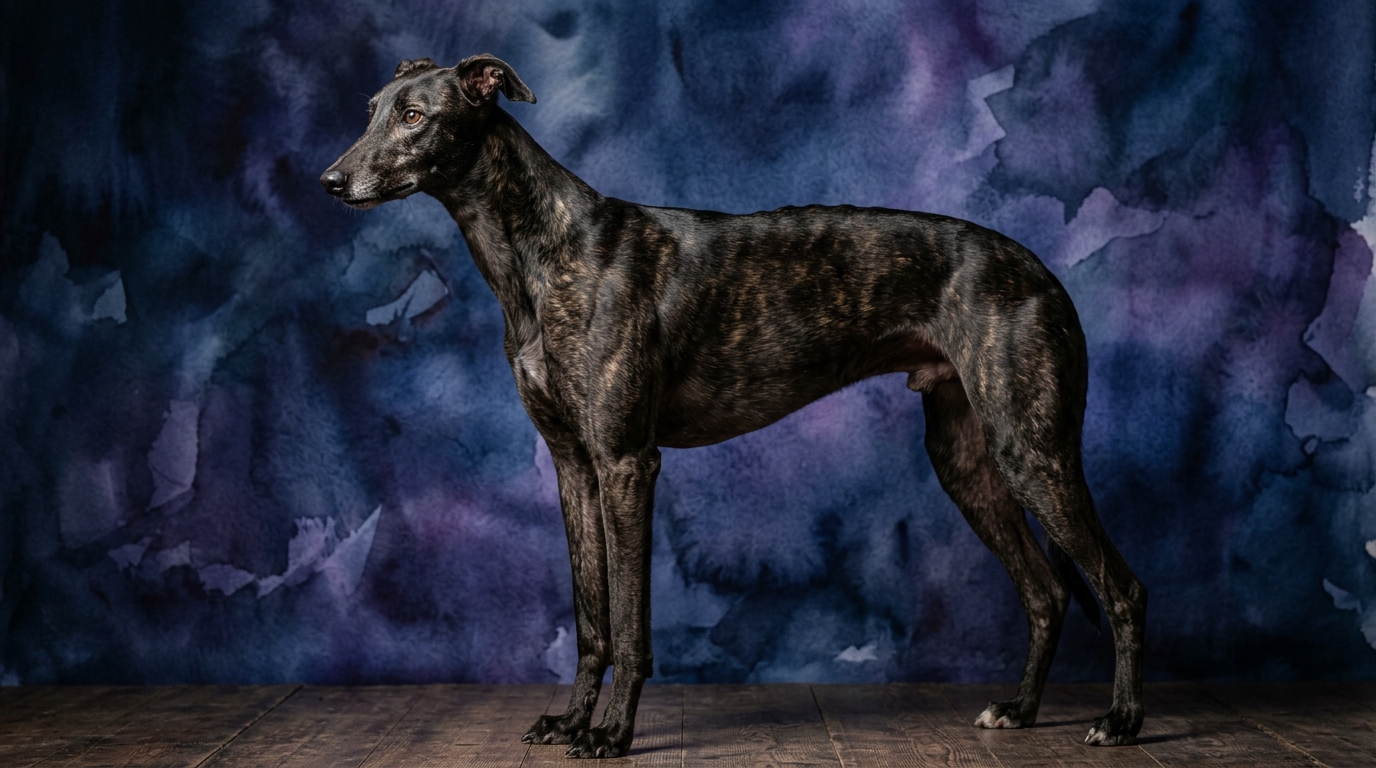
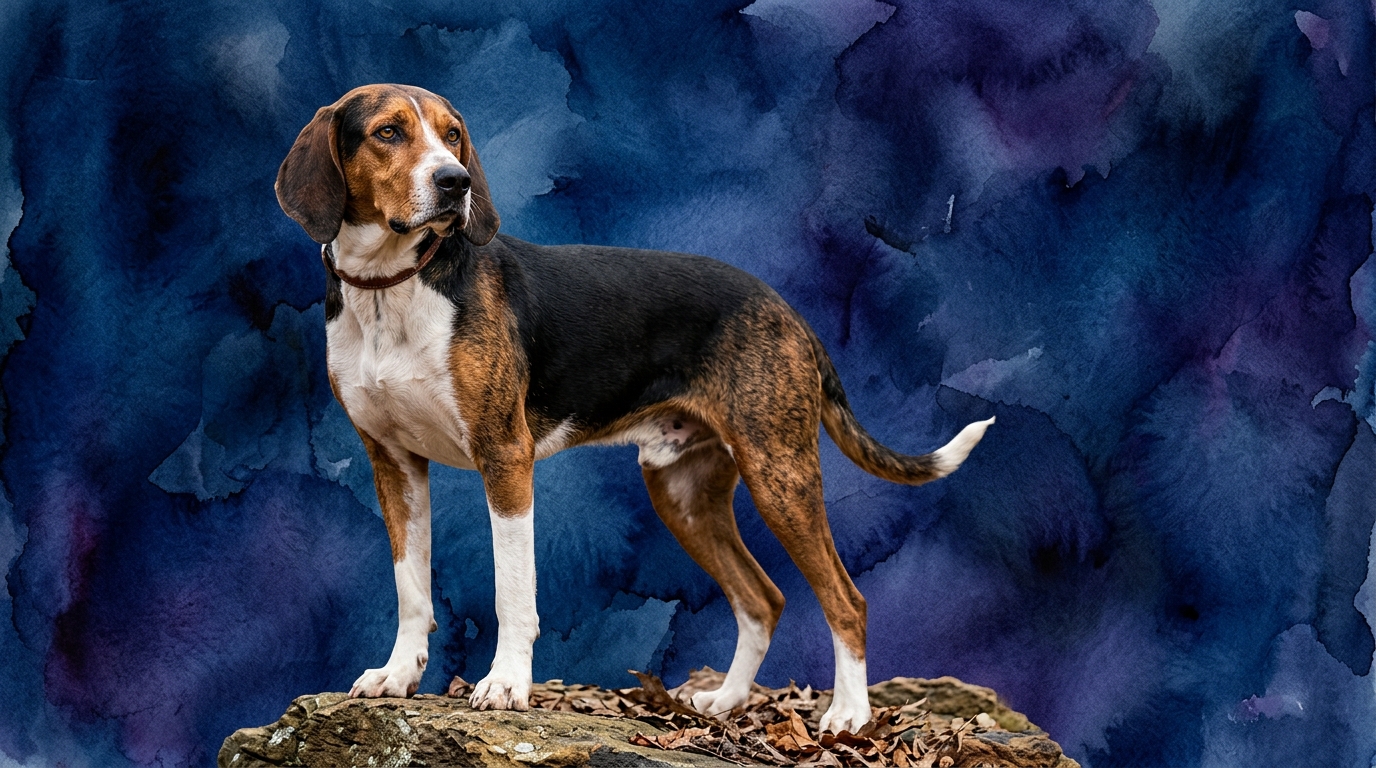
Side-by-Side IQ Profile: Greyhound vs. Treeing Walker Coonhound
At The Cosmic Pet Pet IQ Lab, we evaluate canine cognition across five key dimensions. For the Greyhound, a breed without a Coren ranking, we observe a Problem Solving score of 3/5, indicating a moderate ability to navigate novel situations, often with a practical, task-oriented approach. Their Training Speed registers at 2/5, suggesting they require patient, consistent methods due to an independent streak. Social Intelligence is 3/5, marking them as generally polite and observant, though sometimes reserved. Instinctive Drive is exceptionally high at 5/5, reflecting their powerful sighthound prey drive. Finally, Memory stands at 3/5, allowing them to retain routines and specific commands effectively.
The Treeing Walker Coonhound, also without a Coren ranking, presents a slightly different cognitive fingerprint. Their Problem Solving ability is likewise 3/5, characterized by persistent, often scent-driven reasoning. Training Speed is rated at 3/5, indicating a moderate responsiveness to instruction, though their environmental focus can present distractions. Social Intelligence matches the Greyhound at 3/5, describing a generally outgoing and pack-oriented demeanor. Their Instinctive Drive is 3/5, primarily focused on scent tracking and vocal communication during the hunt. Memory for the Treeing Walker Coonhound is 3/5, particularly strong in recalling scent trails and learned hunting patterns.
Where the Greyhound Wins Cognitively
The Greyhound’s cognitive strengths are deeply intertwined with its history as a sighthound, excelling in tasks demanding rapid visual processing and singular focus. Their 5/5 Instinctive Drive translates into an unparalleled ability to identify and pursue moving targets over vast distances, requiring quick decision-making based on visual cues. This isn't just about raw speed; it involves an intricate cognitive mapping of terrain and prey movement at high velocity, allowing them to anticipate and adjust their trajectory with astonishing precision. While their Problem Solving is rated 3/5, within the context of a chase, it becomes exceptionally refined, demonstrating a specialized form of intelligence geared towards efficiency and success in their primary purpose.
Furthermore, their moderate 3/5 Social Intelligence often manifests as a calm, observant nature, allowing them to quickly assess their environment and the intentions of others without overt displays. This can be a cognitive advantage in discerning safe spaces or identifying potential threats from a distance, contributing to their generally composed demeanor. Their memory, while rated 3/5, is particularly effective for remembering sequences of events related to their routine, such as where and when walks occur, which contributes to their adaptability in a home environment after a life of racing or hunting.
Where the Treeing Walker Coonhound Wins Cognitively
The Treeing Walker Coonhound's cognitive prowess shines in its ability to process complex olfactory information and maintain unwavering focus on a scent trail, a testament to its 3/5 Instinctive Drive. This involves a sophisticated form of problem-solving (3/5) where they must differentiate between countless odors, remember the path of a specific scent, and ignore distractions, often over varied and challenging terrain. Their ability to 'tree' prey requires not just finding the scent, but also locating the animal visually once it's aloft and communicating its presence through persistent vocalization, a multi-sensory cognitive task that demands immense concentration and analytical skill.
Their moderate 3/5 Training Speed, while not as quick as some breeds, reflects a willingness to engage, particularly when the training incorporates elements of their natural drive, such as scent games or outdoor exploration. This responsiveness, combined with their 3/5 Social Intelligence, which often includes a strong desire to work cooperatively with their human partners, makes them highly adaptable in working environments. Their memory (3/5) is exceptionally adept at recalling the intricacies of past trails, allowing them to learn and refine their hunting strategies over time, demonstrating a deep, practical learning capability rooted in their ancestral purpose.
Which Is Easier to Train and Why
When comparing ease of training, the Treeing Walker Coonhound generally holds a slight edge over the Greyhound. The Treeing Walker Coonhound's Training Speed is rated at 3/5, indicating a moderate responsiveness. They are often eager to please and, while easily distracted by compelling scents, they respond well to positive reinforcement, especially when training is framed as a collaborative activity. Their pack-oriented nature and vocal communication, though sometimes challenging to manage, can be harnessed to foster a strong working relationship with their owner, making them receptive to consistent guidance.
In contrast, the Greyhound's Training Speed is 2/5, reflecting a more independent and sometimes aloof nature. They are not inherently driven to perform for human approval in the same way. Training a Greyhound often requires significant patience, clear communication, and finding highly motivating rewards. Their intense 5/5 Instinctive Drive means that off-leash recall can be particularly challenging in open spaces, as their visual prey drive can override learned commands instantly. While they certainly learn, the process typically demands more dedication and understanding of their unique sighthound mentality, making the Treeing Walker Coonhound generally more amenable to conventional training methods.
Which Suits Active Owners vs. Relaxed Owners
The Greyhound, despite its racing lineage, often surprises owners with its indoor demeanor, earning it the nickname '45 mph couch potato.' While they possess an explosive 5/5 Instinctive Drive that necessitates short, intense bursts of running in a secure area (like a fenced yard or lure coursing track), their moderate Problem Solving and Social Intelligence, combined with a generally calm disposition indoors, make them well-suited for relaxed owners. They thrive on routine, enjoying long naps on the sofa, and typically require less sustained, high-impact exercise than many other breeds. Owners who appreciate quiet companionship and are prepared for brief, high-energy outdoor sessions will find a Greyhound to be an excellent fit.
The Treeing Walker Coonhound, conversely, is a breed built for endurance and sustained activity. Their 3/5 Instinctive Drive, focused on scent work and trailing, means they require consistent, moderate-to-high levels of physical and mental engagement. They are best suited for active owners who enjoy long walks, hikes, or field activities where their scenting abilities can be put to good use. Their moderate Problem Solving and Social Intelligence thrive with regular outdoor exploration and tasks that challenge their nose and mind. Owners who lead an active lifestyle and want a vocal, enthusiastic partner for adventures, particularly those in varied outdoor environments, will find the Treeing Walker Coonhound to be a rewarding companion.
The Verdict
Choose a Greyhound for a companion who appreciates routine, short bursts of intense exercise followed by long naps, and a generally quiet indoor presence.
Opt for a Treeing Walker Coonhound if you seek an active, vocal partner for outdoor adventures, particularly those involving scent work or extended exploration.
🧠 Find Your Pet's IQ Score
Our Pet IQ Lab assessment covers 25+ tests across 5 cognitive dimensions — personalized to your breed.
Take the Full IQ Test →Frequently Asked Questions
Are Greyhounds generally good with other pets?
Greyhounds have a 5/5 instinctive prey drive, which means they can be a risk to small, fast-moving pets like cats or rabbits. However, many Greyhounds can learn to coexist peacefully with other animals through careful introductions and supervision, especially if they have been socialized from a young age or if the other pets are dog-savvy.
How much exercise does a Treeing Walker Coonhound need daily?
Treeing Walker Coonhounds require a significant amount of daily exercise, typically an hour or more of vigorous activity. This should ideally include opportunities for off-leash exploration in a secure area or scent work, as their 3/5 instinctive drive thrives on engaging their powerful nose.
Can a Treeing Walker Coonhound live in an apartment?
While possible, living in an apartment can be challenging for a Treeing Walker Coonhound due to their high energy levels, vocal nature, and need for scent work. They typically do best with a fenced yard and owners committed to providing extensive daily outdoor activity and mental stimulation to prevent boredom and excessive barking.