The Cosmic Pet Pet IQ Lab: Side-by-Side Profiles
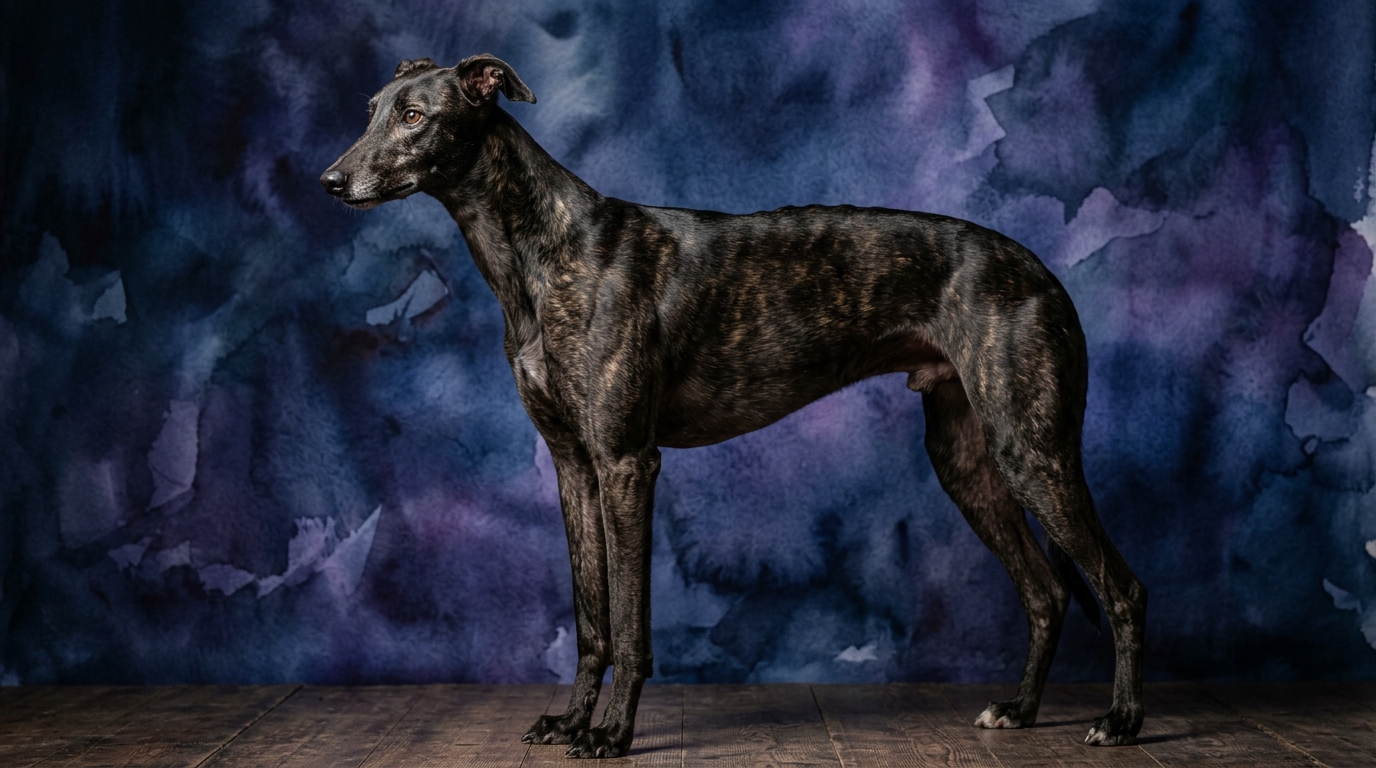
At The Cosmic Pet Pet IQ Lab, we delve beyond simple observations to quantify cognitive strengths across five key dimensions. For the Greyhound, a sighthound ranked #46 by Coren, its profile is distinctly shaped by its heritage: Problem Solving at 3/5, Training Speed at 2/5, Social Intelligence at 3/5, Instinctive Drive at a remarkable 5/5, and Memory at 3/5. This suggests a breed whose cognitive architecture is highly specialized.
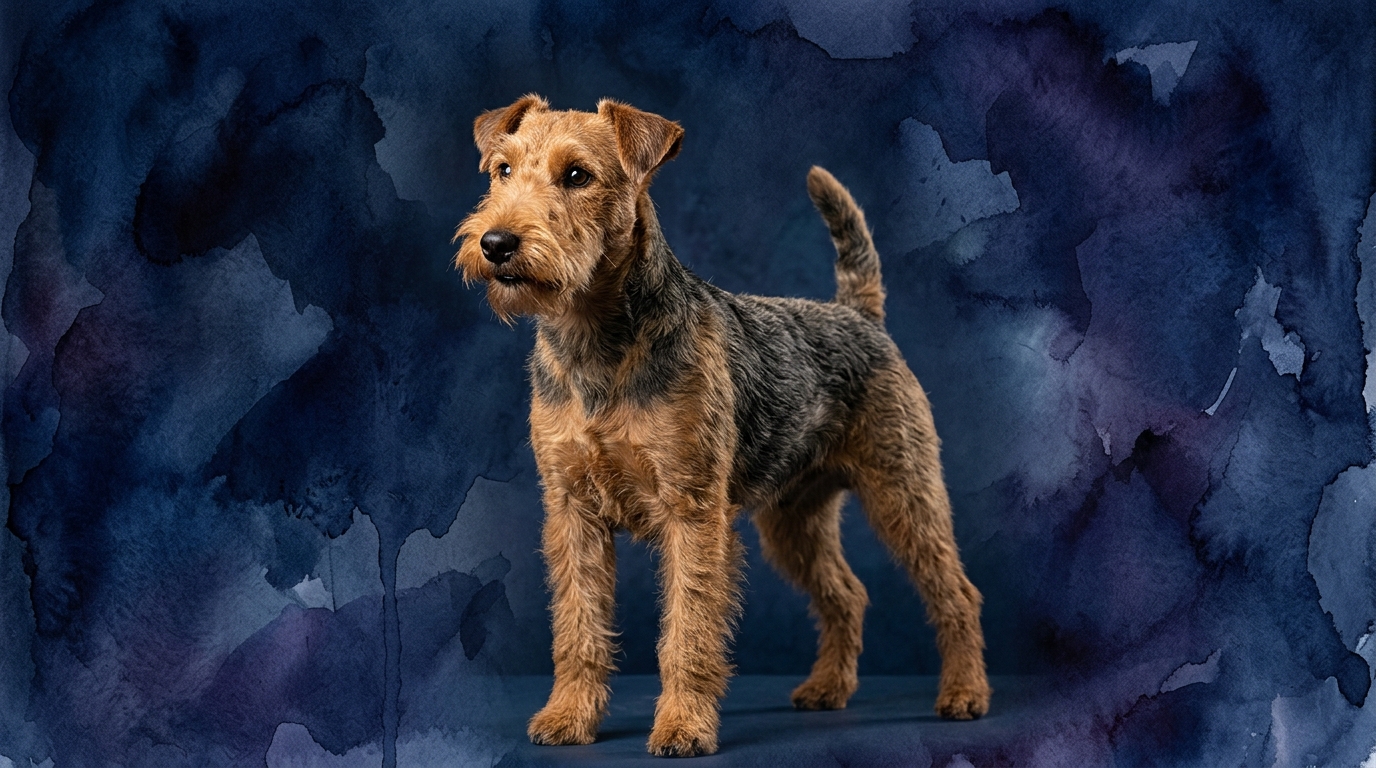
The Welsh Terrier, a terrier breed not currently Coren-ranked, presents a more balanced, albeit tenacious, cognitive makeup. Its scores include Problem Solving at 3/5, Training Speed at 3/5, Social Intelligence at 3/5, Instinctive Drive at 3/5, and Memory also at 3/5. This breed's intellectual blueprint reflects a versatile and persistent nature, characteristic of its terrier group.
Delving deeper into the Greyhound's profile, its 3/5 for Problem Solving indicates an ability to navigate straightforward tasks, particularly those related to spatial reasoning in pursuit, but not necessarily complex, abstract challenges. The 2/5 in Training Speed highlights an independent spirit; while capable of learning, their motivation to comply with human commands might be lower than breeds bred for intensive cooperation. Social Intelligence at 3/5 points to a gentle and sensitive nature, forming strong, quiet bonds with their chosen family, often reserved with strangers. Their 5/5 Instinctive Drive is paramount, representing an unparalleled genetic predisposition for chase and speed, a profound mental focus on moving targets. Memory at 3/5 suggests good retention of routines and familiar cues, but perhaps not for intricate, multi-step sequences.
The Welsh Terrier's consistent 3/5 across all categories paints a picture of robust, adaptable cognition. Their 3/5 in Problem Solving reflects a cleverness often applied to practical, self-serving tasks like figuring out how to access a desired object or navigate an obstacle course in the garden. A Training Speed of 3/5 means they are generally responsive and eager to learn, though their terrier tenacity can introduce a stubborn streak requiring consistent handling. Social Intelligence at 3/5 indicates an affectionate and playful disposition with their family, coupled with a confident, sometimes assertive, demeanor towards the outside world. Their 3/5 Instinctive Drive manifests as a persistent urge to dig, explore, and chase small prey, a multi-faceted drive that fuels their curiosity. Memory at 3/5 ensures they recall learned behaviors and their environment effectively, often using this knowledge to their advantage.
Where Greyhound Wins Cognitively
The Greyhound's undeniable cognitive strength lies in its extraordinary Instinctive Drive, scoring a perfect 5/5. This isn't just about physical speed; it represents a highly specialized mental capacity for rapid assessment, strategic pursuit, and unwavering focus on a moving target. Their brains are wired for the chase, allowing them to instantly calculate trajectories, anticipate movements, and maintain intense concentration during high-speed activity. This cognitive specialization is what makes them exceptional athletes in lure coursing or racing.
While their Problem Solving is rated 3/5, within the context of their primary drive, they demonstrate remarkable cognitive efficiency. A Greyhound can quickly ascertain the most direct and effective path to intercept a lure, making split-second decisions based on visual input. Their memory, also 3/5, supports this by allowing them to recall the nuances of a track or the pattern of a lure, optimizing their performance. This singular, powerful drive dominates their cognitive landscape, making them masters of their ancestral purpose.
Where Welsh Terrier Wins Cognitively
The Welsh Terrier shines with a more balanced and adaptable cognitive profile, particularly in its slightly higher Training Speed (3/5 compared to the Greyhound's 2/5). This indicates a greater intrinsic motivation to engage with human commands and learn new tasks, making them generally more responsive to traditional training methods. Their problem-solving (3/5) is often applied to a wider variety of everyday challenges, from figuring out how to open a cabinet to navigating a complex scent trail in the yard, showcasing a versatile intellect.
Their Instinctive Drive (3/5), while not as singularly focused as the Greyhound's, is persistent and multi-faceted. It fuels a tenacious curiosity and a desire to interact with their environment in a hands-on way, whether through digging, exploring new spaces, or engaging in playful skirmishes. This cognitive persistence, combined with their readiness to learn, allows them to adapt to diverse situations and excel in activities requiring both physical and mental dexterity, such as agility or earthdog trials.
Which is Easier to Train and Why
Comparing training ease, the Welsh Terrier generally presents a more straightforward experience for the average owner. With a Training Speed of 3/5, they tend to pick up commands more readily and show a greater eagerness to please than Greyhounds. Their problem-solving skills and persistent nature mean they often enjoy the process of learning and figuring out what is expected of them, responding well to varied, engaging sessions. However, their terrier stubbornness means consistency and firm, fair leadership are crucial to prevent them from developing their own rules.
The Greyhound, with a Training Speed of 2/5, requires a different approach. Their independence and profound instinctive drive often mean they are less motivated by human approval for generalized obedience. While they are sensitive and respond well to positive reinforcement, their recall can be particularly challenging due to their supreme prey drive, which can override any learned command if a moving object catches their eye. Training a Greyhound is not about overcoming a lack of capacity, but rather understanding their unique motivations and leveraging their gentle nature with patience and consistency, focusing on short, rewarding sessions that don't bore them. For an owner seeking a generally compliant and interactive learner, the Welsh Terrier holds an edge.
Which Suits Active Owners vs. Relaxed Owners
The choice between these two breeds heavily depends on an owner's lifestyle and activity preferences. Despite their reputation for incredible speed, Greyhounds are often affectionately termed '45 mph couch potatoes.' Their requirement for physical activity is specific: they need short, intense bursts of running in a securely fenced area, followed by extensive periods of rest. Indoors, they are typically calm, quiet, and content to lounge. Their social intelligence, while 3/5, leans towards quiet companionship rather than constant engagement, making them an excellent fit for owners who appreciate a gentle, reserved presence and can provide dedicated sprint opportunities without needing a constant playmate.
The Welsh Terrier, on the other hand, is better suited for truly active owners. Their combination of a 3/5 Instinctive Drive and 3/5 Problem Solving means they require consistent mental stimulation and physical activity to thrive. They are not content to simply rest; their curious, tenacious nature demands daily walks, engaging playtime, puzzle toys, and potentially dog sports. They are spirited companions who thrive on interaction and exploration, making them ideal for owners who enjoy hiking, training, and involving their dog in a variety of activities. A relaxed owner might find the Welsh Terrier's energy and persistent curiosity overwhelming, whereas an active owner will find a willing and enthusiastic partner.
The Verdict
Opt for a Greyhound if you admire profound instinctual focus and seek a calm, affectionate companion who thrives on dedicated, high-speed exercise sessions followed by extensive periods of rest. They suit owners who appreciate a gentle, reserved nature and can provide a secure environment for their innate need to run.
Select a Welsh Terrier if you're an active individual seeking an interactive, spirited companion who enjoys varied activities, mental challenges, and consistent engagement. They are ideal for owners prepared for a persistent, curious, and sometimes stubborn partner eager to explore the world with them.
🧠 Find Your Pet's IQ Score
Our Pet IQ Lab assessment covers 25+ tests across 5 cognitive dimensions — personalized to your breed.
Take the Full IQ Test →Frequently Asked Questions
Is a Greyhound hard to train because of its intelligence?
Greyhounds aren't 'hard' to train due to a lack of intelligence, but rather their specialized cognitive wiring and independent nature. Their strong prey drive means they respond best to positive reinforcement and understanding their intrinsic motivations, rather than traditional obedience drills. This requires patience and consistency, focusing on what truly motivates them.
Do Welsh Terriers need a lot of mental stimulation?
Yes, Welsh Terriers benefit significantly from mental stimulation due to their balanced problem-solving and persistent instinctive drive. Activities like puzzle toys, training new tricks, and varied environments keep their inquisitive minds engaged and prevent boredom-related behaviors. Regular mental challenges complement their physical exercise needs.
How do their social intelligences compare?
Both breeds score 3/5 in social intelligence, but express it differently. Greyhounds are often more sensitive and reserved, forming deep bonds with their families while being cautious with strangers. Welsh Terriers are typically outgoing and playful with their chosen people, though they can be assertive and require good socialization to manage interactions with unfamiliar dogs or people.