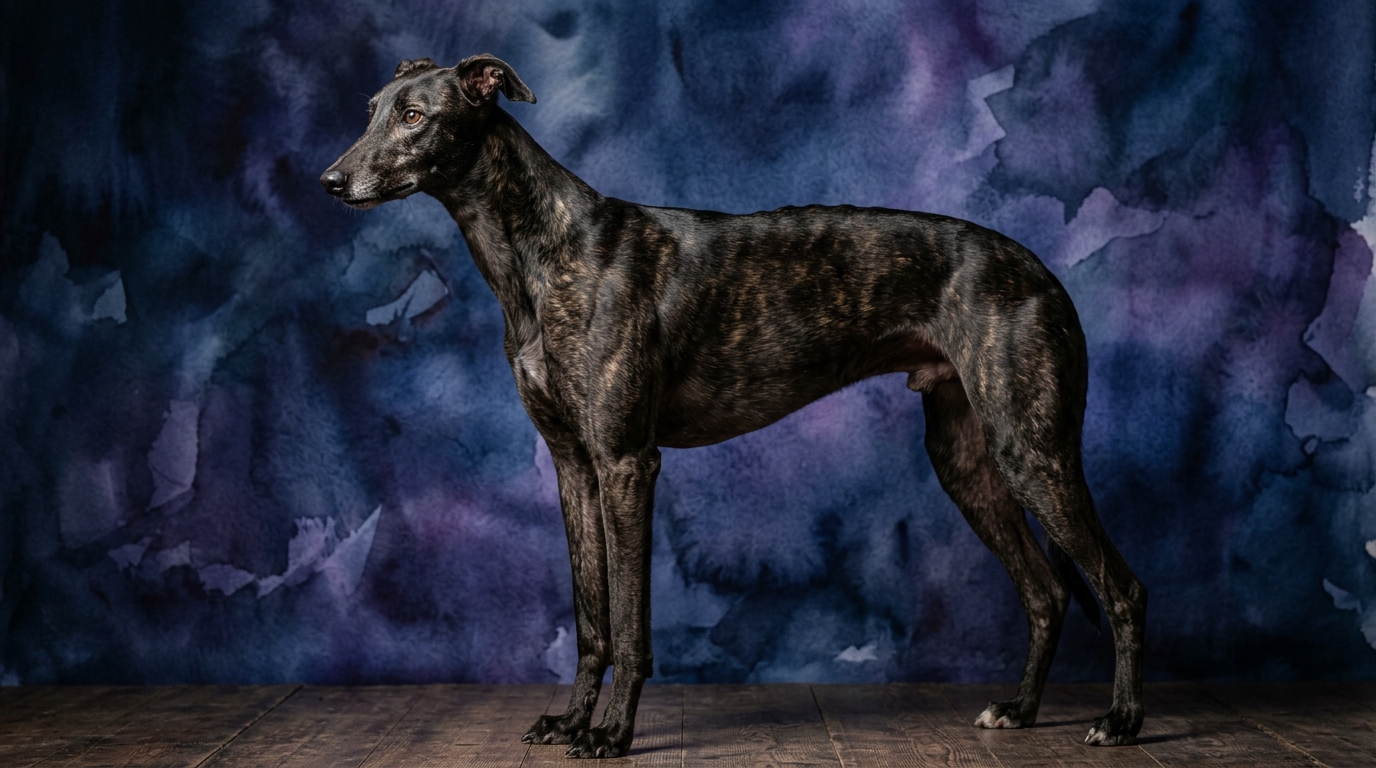
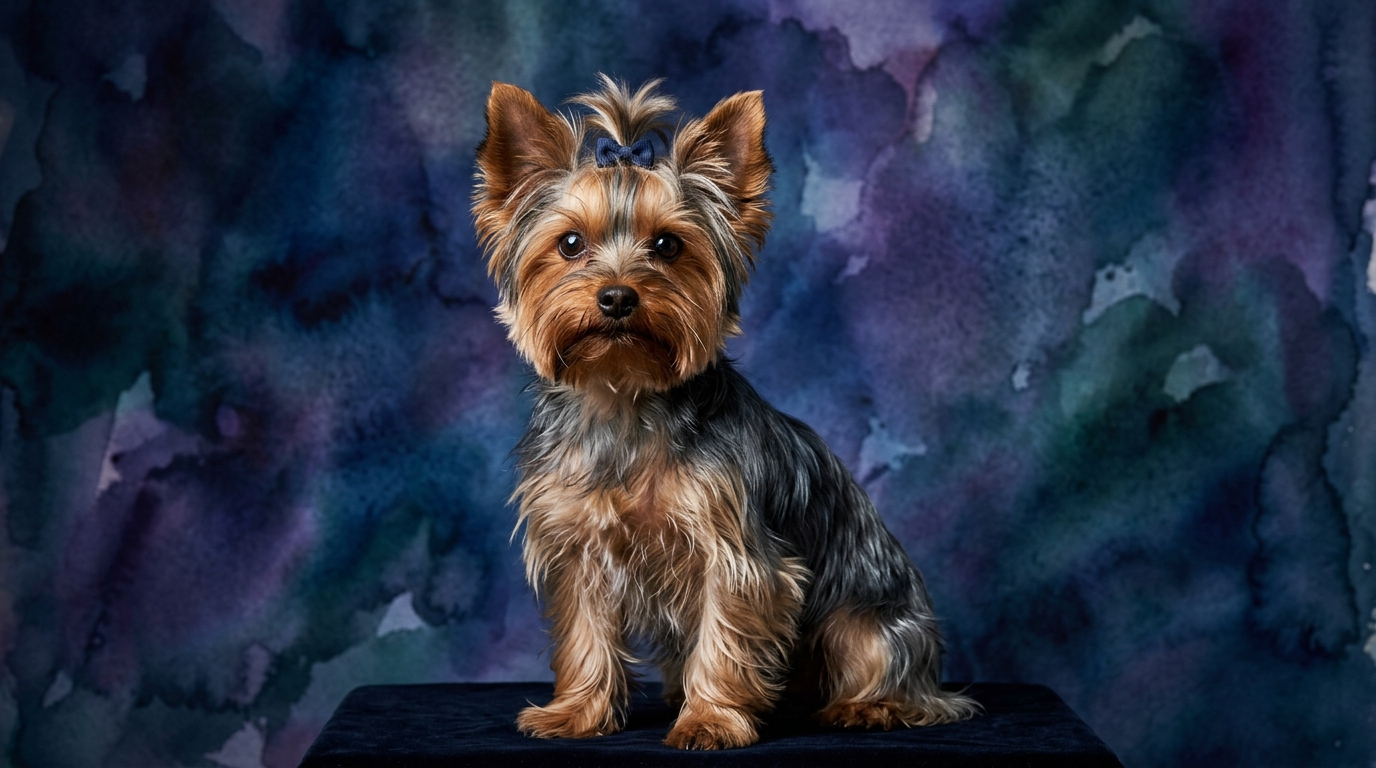
Side-by-Side IQ Profile: Greyhound vs. Yorkshire Terrier
The Cosmic Pet Pet IQ Lab employs a multi-dimensional approach to assess canine intelligence, moving beyond single scores to reveal a breed's true cognitive landscape. For the Greyhound (Coren rank #46), our analysis shows a moderate Problem Solving score of 3/5, indicating practical intelligence often related to navigation and physical obstacles rather than complex puzzles. Their Training Speed is rated 2/5, suggesting a more independent learning curve that requires consistent, patient methods. In terms of Social Intelligence, they score 3/5, forming deep bonds with their primary caregivers but often appearing reserved with strangers and preferring quiet companionship. The Greyhound's Instinctive Drive is exceptionally high at 5/5, reflecting their powerful sighthound heritage and an innate focus on chase and pursuit. Finally, their Memory is moderate at 3/5, allowing them to recall learned commands but perhaps needing more reinforcement for intricate sequences.
Shifting our focus to the Yorkshire Terrier (Coren rank #27), we observe a different cognitive emphasis. Their Problem Solving ability is also 3/5, but often manifests as persistence and clever manipulation to achieve desired outcomes within their environment, such as gaining attention. The Yorkie shines in Training Speed with a score of 4/5, indicating a quick grasp of new commands and routines, often fueled by their eagerness to please and responsiveness to positive reinforcement. Their Social Intelligence is higher at 4/5, showing an adeptness at reading human cues and actively seeking engagement, making them highly interactive companions. The Yorkshire Terrier's Instinctive Drive is a robust 4/5, characterized by a tenacious terrier prey drive, curiosity, and a determined spirit for exploration and 'hunting' small items. Lastly, their Memory is strong at 4/5, enabling them to retain a broad repertoire of behaviors and associations effectively.
Where the Greyhound Wins Cognitively
The Greyhound's cognitive strengths are deeply rooted in its evolutionary purpose: speed and pursuit. Their exceptional instinctive drive (5/5) means they possess an unparalleled ability to focus on and react to moving stimuli, demonstrating a highly specialized form of intelligence geared towards detection and capture. This isn't just about physical speed; it involves rapid visual processing, immediate assessment of moving objects, and an innate understanding of physics in motion, allowing them to anticipate trajectories and execute precise maneuvers. While their problem-solving scores are average, these are often applied to practical, spatial challenges related to navigating complex environments at high speeds. For instance, a Greyhound might quickly calculate the optimal path through a cluttered field to intercept a lure, a cognitive feat distinct from solving a puzzle box. Their reserved social intelligence, while not outwardly demonstrative, allows them to maintain a calm focus, avoiding distractions that might impede their primary drive.
Where the Yorkshire Terrier Wins Cognitively
The Yorkshire Terrier's cognitive advantages shine in areas demanding adaptability, social finesse, and a quick wit. Their superior training speed (4/5) and memory (4/5) are significant assets, enabling them to learn and retain a broader range of commands and tricks faster than many breeds. This isn't just about obedience; it reflects a capacity for rapid association and generalization, allowing them to apply learned concepts to new scenarios. Their higher social intelligence (4/5) means they are exceptionally attuned to human emotions and social dynamics, often using this understanding to communicate their needs or desires effectively. A Yorkie might quickly learn which human behaviors elicit a desired response, demonstrating a sophisticated ability to 'read the room' and influence interactions. Their instinctive drive, while different from the Greyhound's, fuels their curiosity and tenacity, driving them to persistently explore and overcome small challenges within their domestic environment, often through clever manipulation rather than sheer force.
Which is Easier to Train and Why
Based on The Cosmic Pet Pet IQ Lab data, the Yorkshire Terrier is generally easier to train compared to the Greyhound. The Yorkie's training speed is rated 4/5, significantly higher than the Greyhound's 2/5. This difference stems from several behavioral traits. Yorkies often possess a stronger desire to engage with and please their human companions, coupled with a higher memory score (4/5 vs. 3/5). This combination means they grasp new commands more quickly and retain them for longer periods, requiring fewer repetitions. Their higher social intelligence also makes them more responsive to verbal cues and body language, allowing for more nuanced communication during training sessions. In contrast, Greyhounds, with their lower training speed and a powerful instinctive drive (5/5), can be more independent and less motivated by conventional rewards when their chase instinct is activated. Their focus can be difficult to redirect, requiring immense patience and highly specific, consistent training methods to overcome their innate desire to pursue. While both breeds are trainable, the Yorkie’s cognitive makeup makes the process smoother and often faster for the average owner.
For a Greyhound, training success hinges on understanding their inherent drives. Their chase instinct is paramount, meaning off-leash training in unsecured areas is risky, and recall must be meticulously practiced and maintained. They respond best to positive reinforcement and short, engaging sessions that prevent boredom. Yorkies, however, often thrive on the mental stimulation of learning and can excel in various dog sports like agility or obedience, showcasing their cognitive flexibility. Their smaller size and portability also make them easier to integrate into diverse training environments. The key difference lies in the intrinsic motivation: Yorkies often find engagement with their owner rewarding, while Greyhounds are driven more by their deep-seated instincts.
Which Suits Active Owners vs. Relaxed Owners
When considering an active versus relaxed lifestyle, the choice between these breeds presents a clear distinction. The Greyhound, despite its racing background, often suits a more relaxed owner in terms of daily activity, provided their specific needs are met. While they require bursts of high-speed running in a secure area to satisfy their intense instinctive drive (5/5), they are famously '45-mph couch potatoes' indoors. Their moderate social intelligence means they appreciate quiet companionship and are not constantly demanding attention. An active owner for a Greyhound would be one who provides regular, safe opportunities for them to sprint, but understands their need for extensive rest and calm around the house.
Conversely, the Yorkshire Terrier, with its robust instinctive drive (4/5) and higher social intelligence (4/5), often thrives with a more consistently active and engaged owner, albeit on a smaller scale. They require regular mental stimulation and short, frequent walks or play sessions to satisfy their curiosity and terrier energy. Owners who enjoy interactive play, consistent training, and incorporating their dog into daily social activities will find the Yorkie a more fitting companion, as they generally prefer being involved and stimulated rather than just lounging. Their cognitive makeup drives them to be more 'on' and attentive to their surroundings, seeking interaction and engagement throughout the day.
The Verdict
Choose a Greyhound if you appreciate a calm, independent companion who needs intense, short bursts of activity to satisfy their powerful chase instinct, and you can provide a secure space for them to run.
Opt for a Yorkshire Terrier if you desire a highly interactive, quick-learning companion eager for consistent engagement, training, and social participation in your daily life.
🧠 Find Your Pet's IQ Score
Our Pet IQ Lab assessment covers 25+ tests across 5 cognitive dimensions — personalized to your breed.
Take the Full IQ Test →Frequently Asked Questions
Are Greyhounds difficult to train because of their low training speed?
Greyhounds aren't inherently difficult, but their training speed (2/5) indicates they require more patience and consistency. Their strong instinctive drive means owners must focus on positive reinforcement and clear boundaries, especially regarding their chase instinct, which can be a powerful distraction.
Do Yorkshire Terriers bark a lot due to their instinctive drive?
Yorkshire Terriers' instinctive drive (4/5) often includes a strong territorial and alert component, which can manifest as barking. They tend to be vocal about perceived intruders or novel stimuli, a trait that can be managed with consistent training and redirection from a young age.
How does Coren rank relate to the specific IQ scores for these breeds?
The Coren rank provides a general measure of 'working and obedience intelligence,' which broadly correlates with training speed and problem-solving. While the Yorkie (Coren #27) outranks the Greyhound (Coren #46), our IQ Lab breaks down intelligence into specific dimensions, revealing nuances beyond a single obedience measure, such as Greyhound's superior instinctive drive.