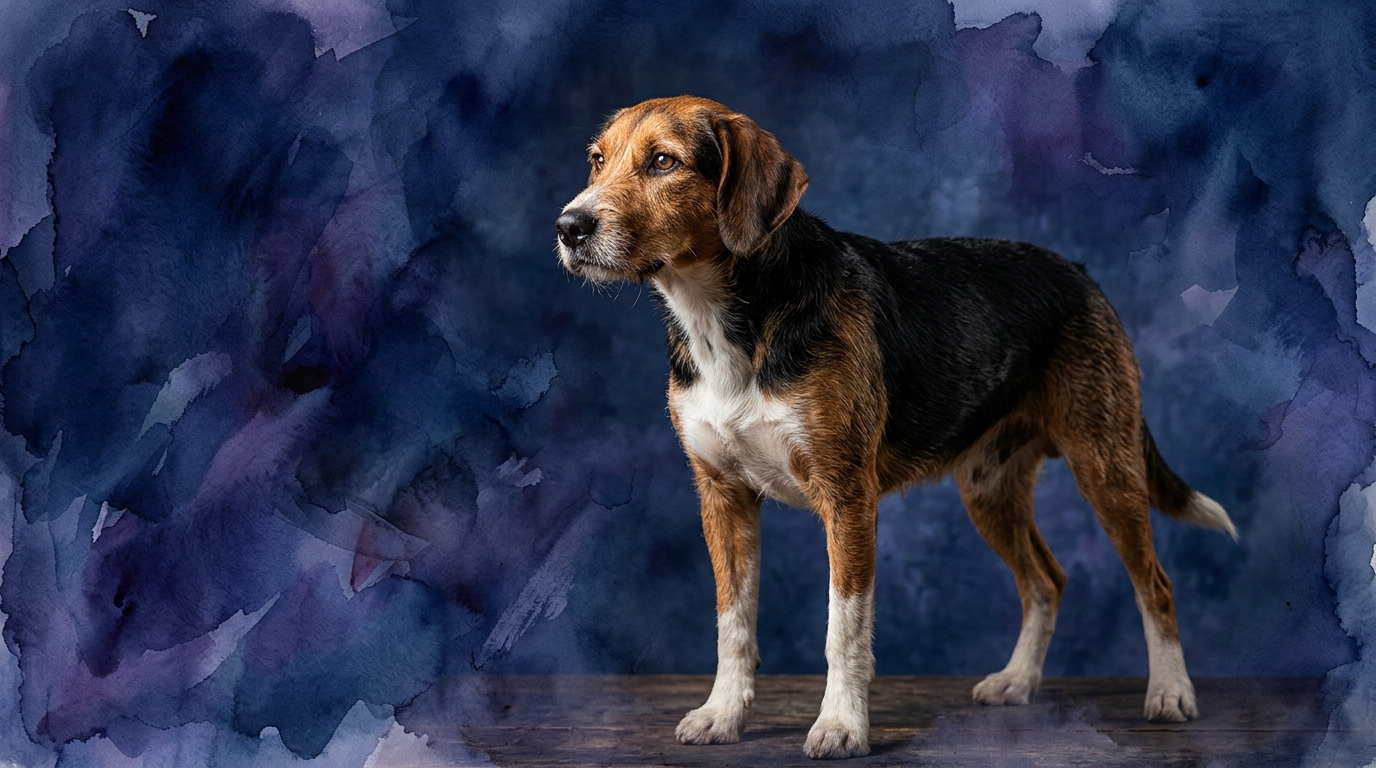
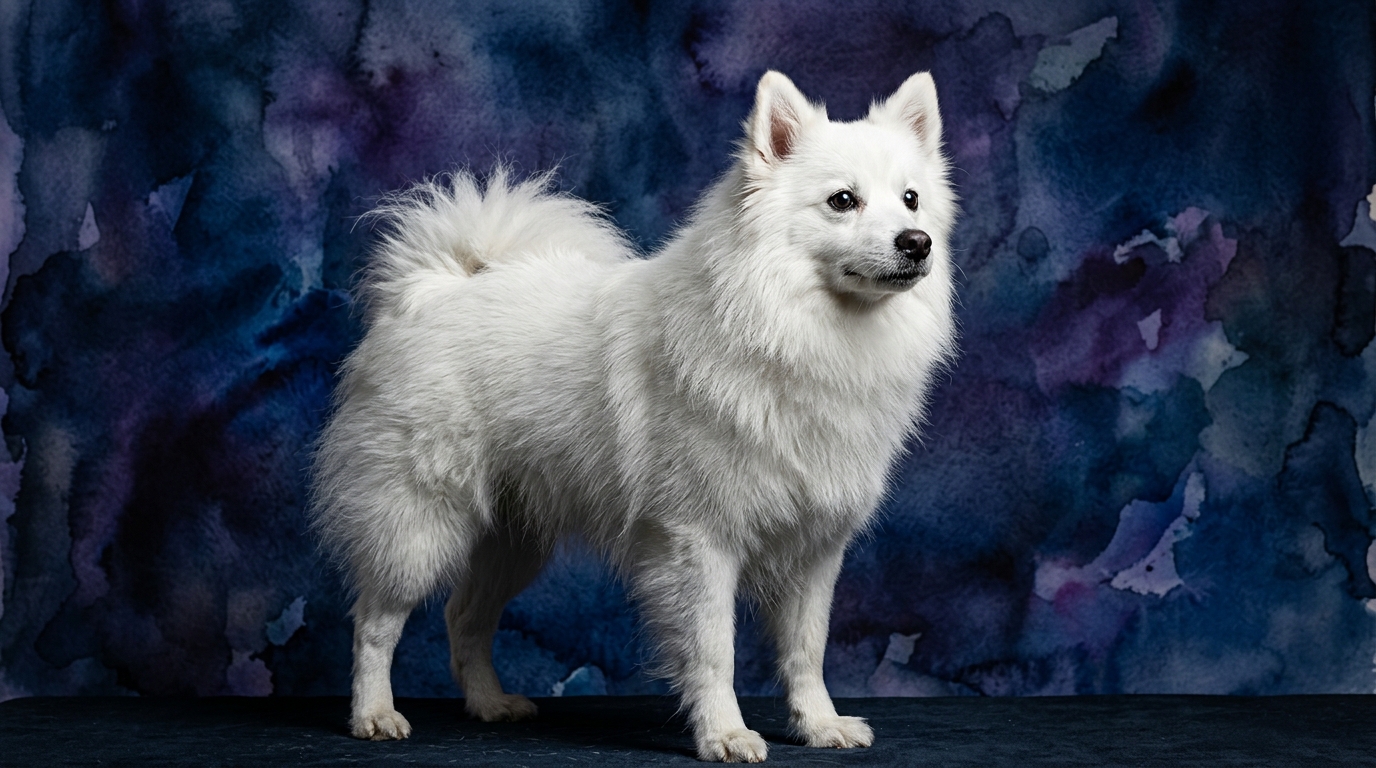
Side-by-Side Cognitive Profiles: Decoding the 3/5 Scores
Both the Harrier and the American Eskimo Dog register a consistent 3/5 across all five cognitive dimensions: Problem Solving, Training Speed, Social Intelligence, Instinctive Drive, and Memory. This uniform scoring indicates that neither breed possesses an overwhelming advantage in raw cognitive capacity over the other, but rather suggests their 'average' canine intelligence is applied and expressed in distinct, breed-specific ways. A 3/5 score, while not top-tier, signifies a capable and adaptable mind, well within the normal range for a working dog or an attentive companion. It means these dogs are neither exceptionally quick to grasp complex concepts nor particularly slow; they are generally receptive and can learn effectively with consistent effort.
For the Harrier, a 3/5 in Problem Solving often manifests as strategic thinking when tracking, figuring out how to navigate obstacles or decipher complex scent trails in the field, rather than solving intricate human-designed puzzles. Their 3/5 Training Speed means they can learn commands and routines, but their independent hound nature requires engaging methods to maintain focus. Social Intelligence at 3/5 suggests they are aware of their pack (human or canine) dynamics, but might prioritize their hunting instincts over direct human pleas in certain situations. Their 3/5 Instinctive Drive is powerfully channeled into scenting and chasing, a core part of their being, while their 3/5 Memory supports recalling trails and learned hunting patterns.
The American Eskimo Dog's 3/5 Problem Solving often translates to clever ways of engaging their owners, figuring out how to get attention, or mastering trick sequences. Their 3/5 Training Speed indicates a willingness to learn, often coupled with a desire to please, making them responsive to positive reinforcement. Social Intelligence at 3/5 means they are generally attuned to human emotions and social cues, thriving on interaction and often forming strong bonds. Their 3/5 Instinctive Drive is typically expressed as alertness, watchdog tendencies, and a desire to be involved in family activities, sometimes with a vocal component. Finally, their 3/5 Memory allows them to retain a wide repertoire of tricks and routines, making them excellent candidates for performance sports.
Where the Harrier's Cognitive Profile Shines
While their scores are identical, the Harrier's cognitive strengths are uniquely aligned with their historical purpose. Their 3/5 Problem Solving, combined with their 3/5 Instinctive Drive, creates a formidable tracking machine. A Harrier excels in scenarios demanding sustained, independent focus on a sensory task, such as following a faint scent over varied terrain for extended periods. This isn't just brute force; it requires cognitive mapping, decision-making based on scent changes, and an unwavering commitment to the 'puzzle' of the trail. Their 3/5 Memory serves them well in recalling specific scent patterns or remembering the layout of areas they've previously hunted, contributing to their efficiency in the field.
In activities like scent work or tracking sports, the Harrier's cognitive architecture provides a distinct advantage. Their mental energy is inherently directed towards analyzing olfactory information, making them remarkably adept at tasks that might quickly bore or overwhelm other breeds. This focused application of their cognitive abilities, particularly their problem-solving and instinctive drive, allows them to 'win' in environments where a keen nose and persistent pursuit are paramount, demonstrating a specialized cognitive talent that few can match.
Where the American Eskimo Dog's Cognitive Profile Offers Distinct Advantages
The American Eskimo Dog, with its identical 3/5 scores, demonstrates its cognitive prowess in more interactive and performance-oriented settings. Their 3/5 Social Intelligence is a cornerstone, allowing them to form deep connections with their human companions and interpret subtle cues, making them highly responsive partners in activities like obedience, rally, or agility. Their 3/5 Problem Solving often manifests as a cleverness in manipulating situations to their advantage within a social context, or a quick grasp of complex trick sequences that require multiple steps.
An Eskie's cognitive profile particularly shines in environments where close cooperation and responsiveness to human direction are valued. Their 3/5 Memory enables them to retain extensive repertoires of commands and behaviors, making them excellent candidates for competitive dog sports or even therapy work, where consistent, reliable performance is crucial. Their 3/5 Instinctive Drive, often channeled into vigilance and a desire to 'work' alongside their people, provides the motivation to excel in these mentally stimulating tasks. This breed's specific cognitive strengths make them exceptionally well-suited for roles requiring a blend of mental agility, memory, and a strong partnership with their handler.
Training Dynamics: Harrier vs. American Eskimo Dog
Despite both breeds scoring 3/5 in Training Speed, the practical experience of training each can feel quite different due to their underlying motivational structures and other cognitive traits. The Harrier's independent nature, deeply rooted in its hound heritage, means that while it is capable of learning, its 3/5 Instinctive Drive for scenting can often override its desire to comply with human commands. Training a Harrier requires immense patience, consistency, and a creative approach to making tasks more rewarding than the allure of an interesting smell. Their 3/5 Problem Solving might be applied to figuring out how to pursue a scent despite obstacles, rather than focusing on the 'human' problem of obedience. High-value rewards and engaging, varied training sessions are essential to compete with their natural predilections, making them seem more challenging to train for a novice.
The American Eskimo Dog, conversely, often appears more 'trainable' to the average owner, primarily due to their strong 3/5 Social Intelligence and desire for interaction. They generally enjoy learning and performing for their people, and their 3/5 Problem Solving is readily applied to figuring out what their handler wants. However, their vocal tendencies and potential for manipulative behaviors (born from their social awareness) can present their own training hurdles. They require mental stimulation to prevent boredom, which can lead to unwanted behaviors, and their 3/5 Instinctive Drive for alertness means they can be easily distracted by novel sights or sounds. While they learn quickly, consistency is still key to manage their energetic and sometimes opinionated personalities. Therefore, neither is 'easier' in an absolute sense, but the Harrier demands a trainer who can work with an independent, scent-driven mind, while the Eskie thrives with a trainer who appreciates their interactive nature and provides ample mental engagement.
Finding the Right Fit: Active vs. Engaged Owners
Choosing between a Harrier and an American Eskimo Dog based on owner lifestyle boils down to the *type* of activity and engagement desired. The Harrier is unequivocally suited for active owners who relish outdoor adventures and are prepared to incorporate scent-based activities into their routine. Their 3/5 Instinctive Drive and the physical stamina required for tracking mean they need significant daily exercise and mental stimulation that taps into their innate abilities. A relaxed owner would likely find a Harrier's unfulfilled drives manifesting as restless energy, destructive behaviors, or persistent attempts to escape and follow a scent. Their problem-solving (3/5) would be applied to finding ways to entertain themselves, often not in ways appreciated by a sedentary household.
The American Eskimo Dog, while not quite as demanding in terms of sheer physical endurance as a Harrier, still requires a highly engaged owner. Their 3/5 Social Intelligence means they thrive on interaction and mental challenges like trick training, agility, or obedience. They need moderate daily exercise, but equally important is consistent mental stimulation to prevent boredom and channel their 3/5 Instinctive Drive for alertness into positive outlets. A truly relaxed or absent owner would likely face issues with excessive barking, destructive behaviors, or anxiety, as the Eskie's cognitive need for companionship and purpose would go unfulfilled. They are best for owners who are active in a variety of dog sports, enjoy teaching, and desire a highly interactive companion rather than a purely physical one.
The Verdict
Choose the Harrier if you are an avid outdoors enthusiast, passionate about scent work or tracking, and appreciate a dog with an independent spirit and unwavering drive to follow its nose.
Opt for the American Eskimo Dog if you seek an interactive, alert companion for dog sports, enjoy teaching tricks, and desire a highly engaged, family-oriented dog that thrives on mental stimulation and companionship.
🧠 Find Your Pet's IQ Score
Our Pet IQ Lab assessment covers 25+ tests across 5 cognitive dimensions — personalized to your breed.
Take the Full IQ Test →Frequently Asked Questions
Do Harriers make good family pets?
Harriers can be wonderful family pets, especially for active families who understand their strong prey drive and need for ample exercise. Their 3/5 social intelligence means they form bonds, but their independent nature often means they're not as 'velcro' as some other breeds, preferring to follow a scent over cuddling on the couch.
Are American Eskimo Dogs prone to barking?
Yes, American Eskimo Dogs are known for their vocal nature, which stems from their 3/5 instinctive drive for alertness and their history as watchdogs. Consistent training from a young age, coupled with sufficient mental and physical stimulation, is key to managing their propensity to bark at novelties or when bored.
What kind of mental stimulation benefits these breeds most?
Harriers benefit greatly from scent work, tracking games, and long walks where they can explore with their nose, engaging their 3/5 problem-solving and instinctive drive. American Eskimo Dogs thrive on puzzle toys, trick training, obedience classes, and interactive games that engage their 3/5 social intelligence and memory, providing an outlet for their cleverness.