Side-by-Side Cognitive Profiles: Harrier vs. Keeshond
To truly understand the mental landscape of these two breeds, The Cosmic Pet Pet IQ Lab breaks down their cognitive strengths across five key dimensions. This granular view moves beyond broad generalizations, offering a precise look at how each breed processes information and navigates its world.
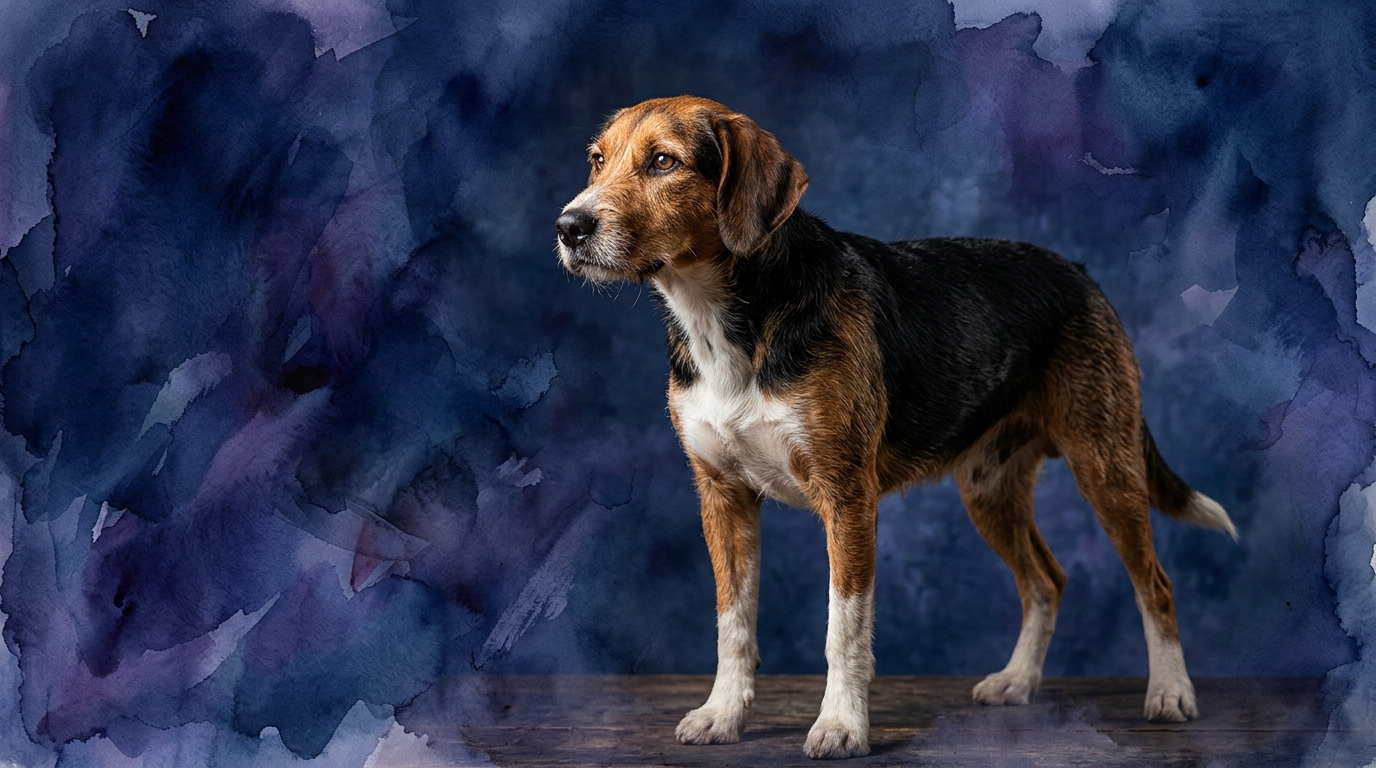
The **Harrier**, a lesser-known hound, is not ranked on Coren's scale, indicating a cognitive style that prioritizes instinctual action over formal obedience. Its Problem Solving is rated 3/5, suggesting a practical, resourceful approach to challenges, often relying on scent and physical persistence rather than abstract deduction. Training Speed is 3/5; Harriers can learn, but their independent spirit and powerful olfactory focus mean they may not always prioritize human directives. Social Intelligence, also 3/5, reflects their ability to function within a pack dynamic, understanding canine cues and family routines, yet their primary engagement might be with their environment's scent tapestry. Instinctive Drive is 3/5, a persistent, unwavering focus on scent trails, driving their exploration. Finally, their Memory is 3/5, sufficient for routines and repeated tasks, but perhaps less for abstract concepts or complex sequences over long periods.
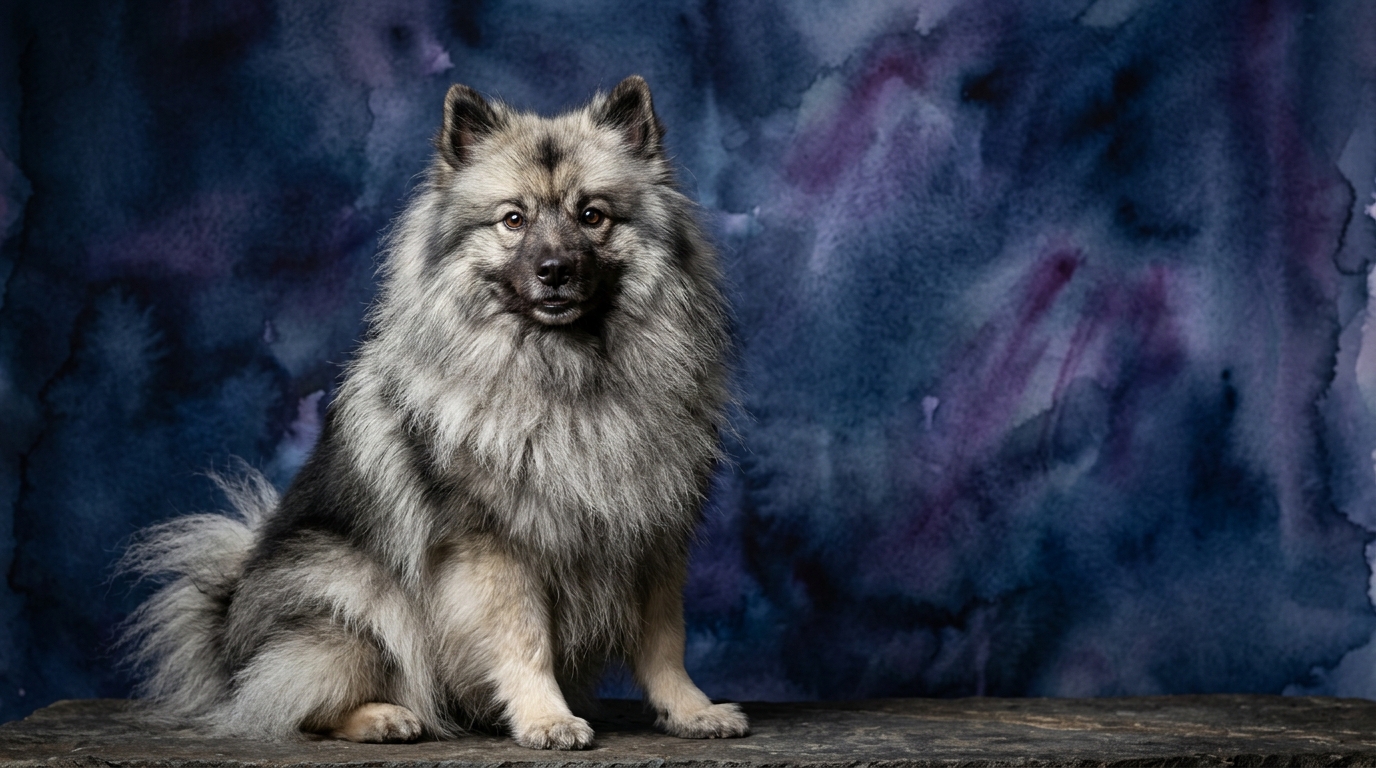
In contrast, the **Keeshond**, a fluffy Non-Sporting breed, holds a respectable Coren rank of #16, placing it among breeds noted for more consistent obedience. Its Problem Solving is a higher 4/5, indicating a capacity for figuring out intricate tasks and adapting strategies, often with a keen eye for cause and effect. Training Speed is 4/5, as Keeshonden are generally quick to grasp new commands and eager to engage in learning sessions with their human partners. Social Intelligence, at 3/5, showcases their attentiveness to human emotions and household dynamics, making them perceptive companions, though they might be reserved with strangers. Their Instinctive Drive is 3/5, primarily manifesting as an alert watchdog nature and a desire to be involved in family activities, rather than a strong prey or scent drive. The Keeshond's Memory shines brightest at 5/5, reflecting an exceptional ability to retain commands, routines, and past experiences with remarkable accuracy and longevity.
Where the Harrier's Mind Excels
The Harrier’s cognitive strengths are deeply rooted in its heritage as a scent hound, making it a specialist in a way the Keeshond is not. This breed truly wins in scenarios demanding olfactory-driven problem-solving and sustained outdoor persistence. Their 3/5 Problem Solving score, while not topping the charts for abstract puzzles, translates to superior competence in navigating complex terrains by scent alone, piecing together invisible trails with remarkable dedication. A Harrier can methodically work through a field of varied scents, prioritizing and following a specific target with an unwavering focus that few other breeds can match. This isn't about understanding complex human language; it's about an unparalleled ability to interpret and act upon a rich sensory world.
Furthermore, their instinctive drive, rated 3/5, combined with their pack mentality, gives them an edge in collaborative, independent field work. A Harrier understands the subtle cues of fellow hounds and can coordinate efforts without direct human command, a form of social intelligence uniquely adapted to their hunting role. They display a resilience and self-sufficiency in pursuit, making decisions based on environmental stimuli rather than waiting for handler instruction, which is invaluable in their traditional tasks. This cognitive independence, while sometimes challenging in a domestic setting, is a profound strength in their element.
Where the Keeshond's Mind Shines
The Keeshond's cognitive advantages lie primarily in its role as a companion and vigilant home guardian, qualities that demand a different set of mental faculties. Their standout Memory score of 5/5 is a significant win; a Keeshond will remember commands, household rules, and training cues with exceptional long-term recall. This translates into reliable obedience and a dog that consistently understands expectations, making cumulative learning highly effective. This superior memory allows them to build a vast repertoire of skills and behaviors, retaining them over extended periods, which is a considerable asset for a family companion.
Their Problem Solving at 4/5 also gives them an edge in domestic contexts. Keeshonden are adept at figuring out how to open latches, retrieve specific toys, or manipulate objects to achieve a desired outcome, often observing and strategizing before acting. This cognitive flexibility allows them to adapt quickly to new routines or household changes, demonstrating a thoughtful approach to their environment. Coupled with a Training Speed of 4/5, they pick up new skills rapidly and enjoy the mental engagement of learning, often thriving on structured tasks and interactive games that challenge their intellect. Their social intelligence, while rated 3/5 like the Harrier, manifests differently; it's a deep attunement to their human family's moods and routines, making them perceptive and responsive companions in a home setting.
Training Dynamics: Harrier vs. Keeshond
When it comes to ease of training, the **Keeshond** generally presents a more straightforward path for most owners. Their Training Speed of 4/5 and exceptional Memory at 5/5 mean they absorb and retain commands quickly and reliably. Keeshonden are typically eager to please their human companions, responding well to positive reinforcement and consistency. Their focus is often on their people, making them attentive students in a training session. For instance, teaching a Keeshond to 'stay' or 'come' will likely involve fewer repetitions and result in more consistent adherence due to their strong recall and willingness to comply. Their watchdog instincts, rated 3/5 for instinctive drive, also contribute to their attentiveness to their surroundings and their handler's cues, making them receptive learners.
The **Harrier**, with a Training Speed of 3/5 and Memory also at 3/5, requires a different approach. Their powerful instinctive drive (3/5), particularly their scenting ability, can be a significant distraction. A Harrier in a training class might suddenly become engrossed by a fascinating scent on the floor, momentarily tuning out their handler. Their independence, a strength in the field, can be perceived as stubbornness in a domestic training scenario. Training a Harrier demands immense patience, creativity, and a deep understanding of their hound nature. Sessions need to be engaging, high-reward, and often conducted in low-distraction environments initially. For example, teaching a Harrier reliable recall requires diligent, consistent effort to compete with the allure of an interesting scent trail, often necessitating long lines and incremental steps to build a strong foundation. Success with a Harrier often comes from channeling their natural drives into constructive activities, rather than trying to suppress them.
Lifestyle Match: Active vs. Relaxed Owners
The **Harrier** is unequivocally suited for active owners who relish outdoor adventure and can provide extensive physical and mental stimulation. This breed possesses substantial stamina and a deep-seated need to explore and follow scents. An owner who enjoys long hikes, trail running, or participates in dog sports like scent work or agility will find a Harrier a fulfilling partner. Their 3/5 instinctive drive means they thrive when given a 'job' that engages their nose and body, and a lack of appropriate outlets can lead to boredom and potentially destructive behaviors. They are not content with short walks around the block; they require vigorous, prolonged activity to truly flourish, making them a poor fit for sedentary lifestyles.
The **Keeshond**, while certainly an active and playful breed, offers more adaptability, making them suitable for owners who might describe themselves as more 'balanced' rather than 'extreme' in their activity levels. Their desire to be involved in family life means they enjoy walks, playtime in the yard, and engaging in mental games indoors. They are perfectly happy to curl up on the couch after a good walk, provided they've had sufficient daily mental and physical engagement. Their 3/5 social intelligence ensures they are attuned to family dynamics and are typically content to be wherever their people are. While they appreciate regular exercise and mental challenges, they don't possess the same relentless drive for outdoor exploration as a Harrier, making them a more flexible choice for households with varying activity preferences, as long as consistent interaction and moderate exercise are part of the daily routine.
The Verdict: When to Choose Each Breed
Choosing between a Harrier and a Keeshond ultimately comes down to aligning their distinct cognitive profiles and lifestyle needs with your own.
If you are an experienced, active individual or family seeking a resilient, independent canine partner for outdoor adventures, scent work, or a dog that thrives on exploring the world through its nose, the Harrier is your match. They require an owner dedicated to channeling their powerful natural instincts and providing ample physical and mental challenges.
Conversely, if you desire a highly trainable, attentive, and loyal family companion who excels in domestic settings, enjoys engaging in mental challenges, and appreciates consistent interaction, the Keeshond will likely bring immense joy. Their exceptional memory and eagerness to please make them a rewarding choice for many households, including those with slightly less intense activity demands.
The Verdict
Choose the Harrier if you seek a resilient, independent canine partner for extensive outdoor adventures and scent work, thriving on challenges that engage their powerful instincts.
Opt for the Keeshond if you desire a highly trainable, attentive, and loyal family companion who excels in domestic settings and enjoys engaging in mental challenges and structured activities.
🧠 Find Your Pet's IQ Score
Our Pet IQ Lab assessment covers 25+ tests across 5 cognitive dimensions — personalized to your breed.
Take the Full IQ Test →Frequently Asked Questions
Are Harriers difficult to train?
Harriers are not inherently difficult, but their strong scent drive and independent nature (Instinctive Drive 3/5) mean training requires exceptional patience, consistency, and creative methods to compete with environmental distractions. They respond best to engaging, reward-based training that taps into their natural instincts.
Do Keeshonden bark a lot?
Keeshonden, with their historical role as watchdogs (Instinctive Drive 3/5), do have a propensity to bark to alert their families to new sights or sounds. However, with consistent training and proper socialization, this behavior can be managed and channeled effectively, allowing them to be excellent, attentive companions.
Which breed is better for first-time dog owners?
For most first-time dog owners, the Keeshond is generally a more manageable choice due to their higher Training Speed (4/5) and excellent Memory (5/5), making them quicker to learn and more consistent. Harriers, with their strong independent drive and high exercise needs, typically require more experienced handling to thrive.