Unpacking Identical Scores: A Side-by-Side IQ Profile
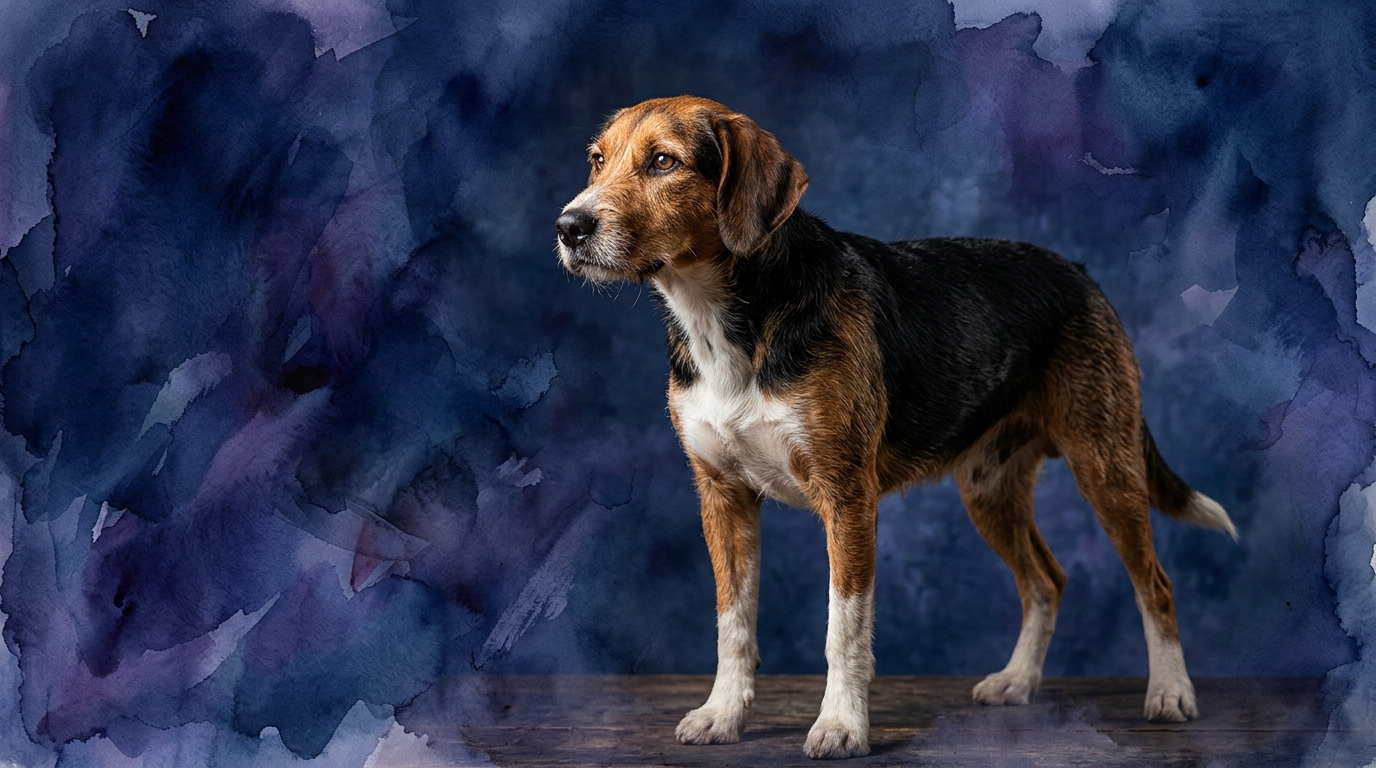
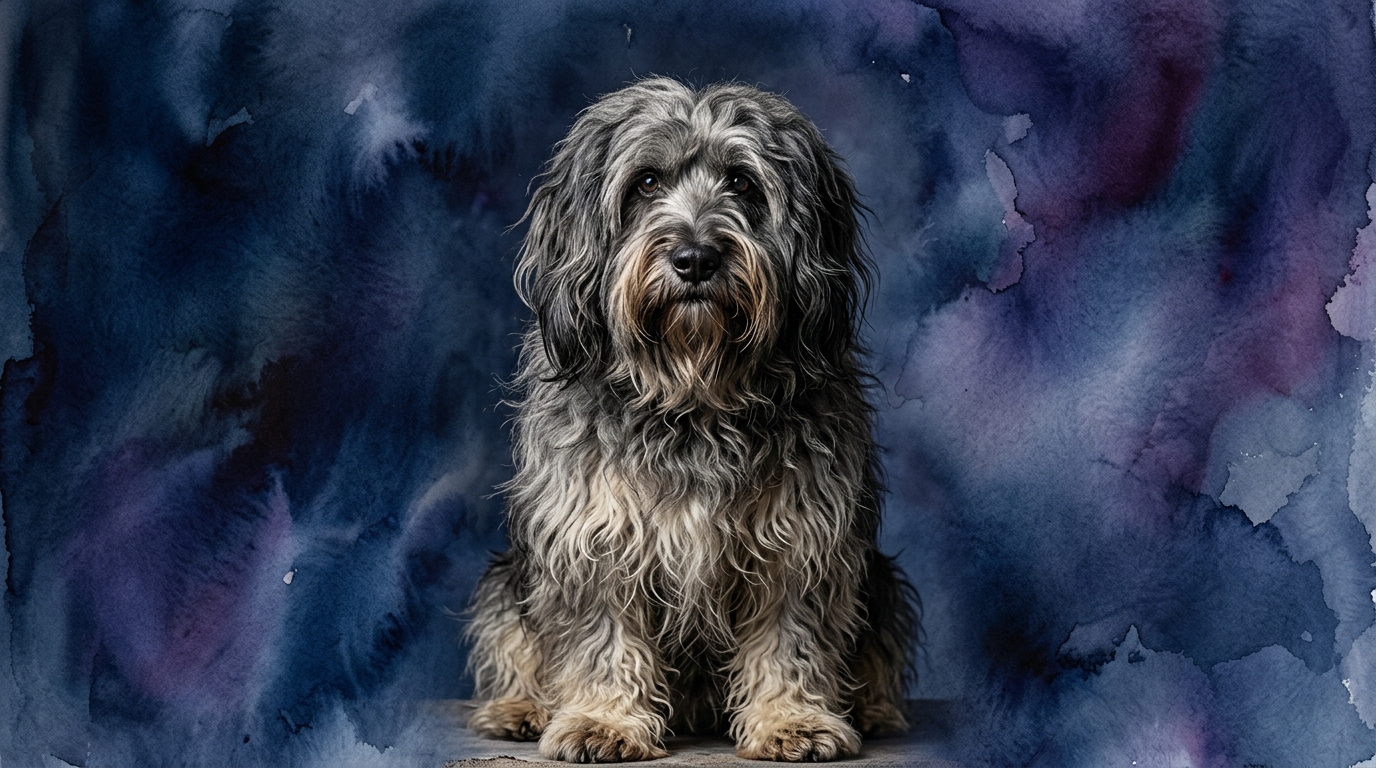
While both breeds register a 3/5 in Problem Solving, the manifestation of this ability diverges significantly. The Harrier, a scent hound bred for relentless pursuit, excels at intricate environmental problem-solving, such as tracking a complex scent trail over varied terrain, navigating obstacles, and identifying the source of a smell. Their ingenuity often lies in persistence and sensory interpretation. In contrast, the Polish Lowland Sheepdog (PLS), a herding breed, applies its problem-solving skills to managing and controlling livestock, which involves strategic positioning, anticipating animal movements, and adapting tactics to keep a flock cohesive. Their problem-solving leans towards social and logistical challenges.
When it comes to Training Speed, both breeds score 3/5, yet their learning styles present different challenges. Harriers can quickly grasp new commands, but their strong independent nature and powerful instinct to follow a scent can make consistent compliance a slower process, often requiring significant motivation and patience to override their primary drives. The PLS also learns at a moderate pace, often displaying a keen desire to please its handler, but their strong-willed and sometimes opinionated nature means they require consistent, clear instruction and an owner who can establish firm, fair boundaries from the outset.
Social Intelligence at 3/5 reflects different priorities for each breed. Harriers, traditionally working in packs, exhibit good dog-dog communication and can be amiable with people, but their deepest social bonds often revolve around the shared activity of the hunt rather than intense human-centric interaction. The PLS, conversely, develops profound social connections within its human 'flock,' demonstrating a strong capacity to read human emotions and cues, often acting as a watchful and devoted family companion, though they can be reserved or wary with strangers.
Instinctive Drive, also 3/5, is profoundly shaped by their historical roles. For the Harrier, this score represents a powerful, almost unshakeable prey drive, an innate urge to track and pursue, driven by an exceptional sense of smell. This drive is central to their being. The PLS’s 3/5 instinctive drive manifests as a strong herding impulse, a desire to gather and control, coupled with a territorial and protective nature towards its family and property. This drive translates into vigilance and a natural inclination to guard.
Finally, Memory at 3/5 for both breeds operates differently. Harriers possess an impressive memory for scent patterns, terrain features, and locations where interesting smells were found, which is crucial for their hunting tasks. The PLS demonstrates strong memory for routines, learned commands, family members, and established boundaries, making them adept at remembering complex sequences of tasks and recognizing familiar faces and places.
Where the Harrier's Cognition Shines
The Harrier truly excels in cognitive tasks requiring sustained focus on a sensory input, particularly scent. Their problem-solving, though rated 3/5, is unparalleled when it involves deciphering complex olfactory information or navigating vast, changing environments based on smell. A Harrier's memory for a particular scent trail, even after a long period or distraction, is a testament to its specialized cognitive strength. This breed's specific social intelligence within a working pack setting also allows for seamless cooperation with other hounds, a nuanced form of group problem-solving that differs from a herding dog's individualistic control.
Their instinctive drive, while rated identically, is uniquely channeled into an unwavering pursuit that demands a high degree of independent decision-making and resilience. When given a task that aligns with their natural inclination to track, a Harrier will demonstrate a persistent, almost obsessive cognitive engagement, showing remarkable mental stamina and independent initiative in achieving its goal without constant human direction.
Where the Polish Lowland Sheepdog's Cognition Excels
The Polish Lowland Sheepdog's cognitive strengths lie in its capacity for strategic thinking related to management and protection. Their 3/5 problem-solving manifests in their ability to assess situations involving groups of animals or people, devising effective strategies to control movement or maintain order. This requires a different kind of foresight and adaptability than a hound's pursuit. Their social intelligence, while also 3/5, is particularly strong in its depth of connection with human family members, allowing them to anticipate needs and respond to subtle cues, fostering a deep partnership.
The PLS's memory is particularly robust for routines, learned tasks, and the specific dynamics of its household, making them excellent at remembering complex sequences of obedience or agility commands. Their instinctive drive, focused on herding and guarding, imbues them with a vigilance and a capacity for independent judgment in protective scenarios, requiring them to assess threats and react appropriately, showcasing a distinct form of cognitive application.
Training: Different Paths to a 3/5 Speed
Neither the Harrier nor the Polish Lowland Sheepdog are considered 'easy' to train in the sense of immediate, effortless compliance, largely due to their strong, purpose-bred instincts. The Harrier's 3/5 training speed is often challenged by its overwhelming drive to follow its nose. While capable of learning commands, a Harrier may appear 'stubborn' when a compelling scent overrides its desire to obey. Training a Harrier requires immense patience, consistent positive reinforcement, and a strong focus on recall from distraction, often necessitating secure, fenced areas or leash work for safety.
The Polish Lowland Sheepdog's 3/5 training speed is influenced by its inherent assertiveness and strong sense of self. They are willing to learn and can excel in obedience and dog sports, but they require a confident, consistent handler who can establish clear leadership. A PLS may test boundaries, and without firm guidance, their protective instincts can become misdirected. Their training is often more about channeling their will and intelligence into constructive tasks rather than overcoming strong external distractions. Therefore, while both require dedication, the *nature* of the training challenge differs significantly, with the Harrier demanding more management of its environment and the PLS requiring more management of its strong personality.
Matching Breeds to Owner Lifestyles
The Harrier is ideally suited for active, outdoorsy owners who embrace a lifestyle of adventure and can provide ample opportunities for their dog to engage its powerful scenting abilities. This breed thrives with long hikes, scent work games, or even participation in tracking sports. They are not content to be sedentary and require significant physical and mental exercise to prevent boredom and destructive behaviors. An owner who understands and appreciates a hound's independent spirit and is prepared for its potential to follow a scent over all else will find a rewarding companion.
The Polish Lowland Sheepdog also requires an active owner, but their activity often revolves around structured engagement and mental challenges within the family sphere. They need consistent training, engaging puzzle toys, and opportunities for 'work,' whether that's agility, rally obedience, or simply being involved in daily household routines. They are excellent companions for owners who can provide clear leadership, consistent boundaries, and appreciate a dog with a strong personality and protective instincts. While they enjoy outdoor activity, their focus is often more on interacting with their human 'flock' than wide-ranging exploration, making them suitable for owners who enjoy a close partnership and can dedicate time to their ongoing mental stimulation and training.
The Verdict
Choose a Harrier if you are an active, patient owner who loves outdoor adventures and can provide consistent outlets for a dog with an unparalleled scent drive and independent spirit.
Opt for a Polish Lowland Sheepdog if you seek a devoted, protective companion with a strong personality, thrive on consistent training, and can provide firm, fair leadership and mental engagement.
🧠 Find Your Pet's IQ Score
Our Pet IQ Lab assessment covers 25+ tests across 5 cognitive dimensions — personalized to your breed.
Take the Full IQ Test →Frequently Asked Questions
Do Harriers and Polish Lowland Sheepdogs have similar energy levels?
Both breeds possess moderate to high energy levels, but they manifest differently. Harriers require expansive physical exercise, often involving long-distance running or scent work. Polish Lowland Sheepdogs also need regular activity but thrive on structured engagement, training, and mental challenges within their family environment, often displaying bursts of energy rather than sustained, wide-ranging exertion.
Which breed is better for a family with children?
The suitability for families depends more on individual temperament and socialization than breed alone. Harriers can be good with respectful children, often seeing them as part of the 'pack,' but their strong prey drive might require careful supervision around very young children or other small pets. Polish Lowland Sheepdogs are typically devoted to their family 'flock,' including children, but their protective instincts necessitate early socialization and consistent training to ensure they differentiate between welcome guests and perceived threats, making them good guardians for older, respectful children who understand how to interact with dogs.
Are Harriers or Polish Lowland Sheepdogs prone to certain behavioral issues?
Harriers can be prone to wandering or selective deafness when a scent trail captures their attention, requiring secure containment and diligent recall training to manage their instinctive drive. Polish Lowland Sheepdogs, due to their guarding and herding instincts, may exhibit territorial barking or nipping at heels if not properly socialized and consistently trained, requiring owners to channel their strong will and protective nature constructively.