The Cosmic Pet IQ Lab Profiles: Harrier vs. Schipperke
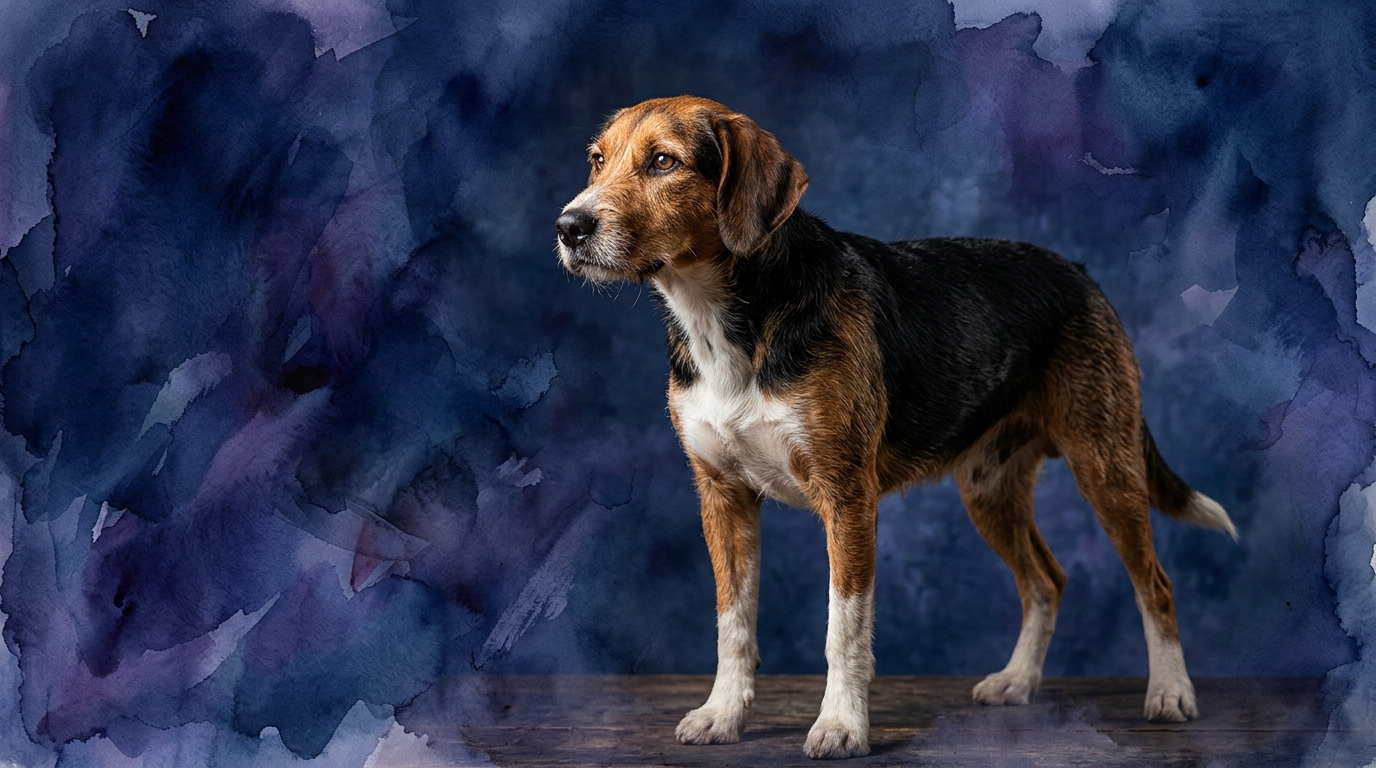
The Harrier, a robust scent hound, presents a balanced cognitive profile across our five dimensions. Their problem-solving ability is rated 3/5, indicating a methodical approach, particularly when engaging with scent trails rather than abstract puzzles. Training speed is also 3/5, suggesting they learn at a steady pace, requiring consistency and patience. Social intelligence stands at 3/5, meaning they are generally cooperative but not overly nuanced in human communication, often preferring a working partnership. Instinctive drive, crucial for a hound, is 3/5, signifying a focused, persistent drive for scent work, while their memory, rated 3/5, supports their ability to recall complex olfactory paths.
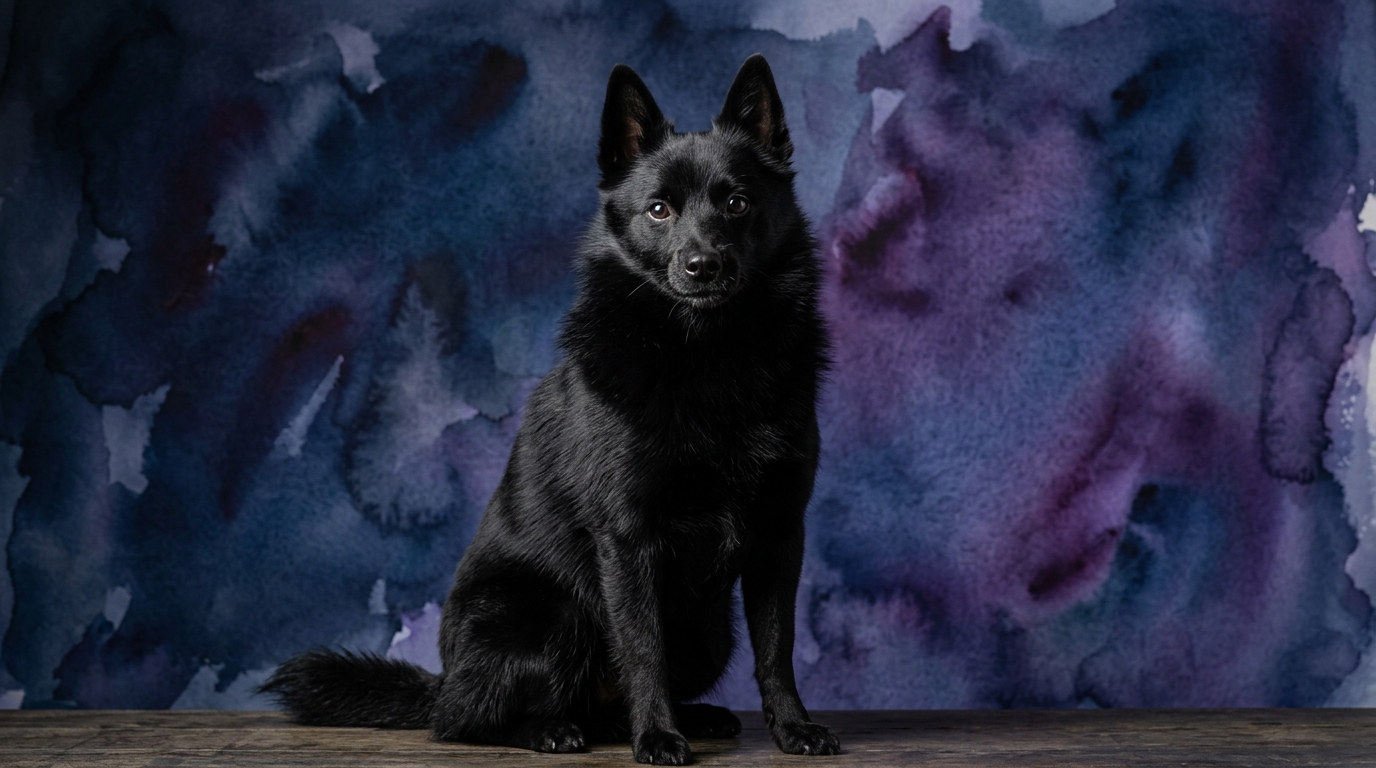
In stark contrast, the Schipperke, a spirited 'little captain,' showcases a markedly different cognitive blueprint. Their problem-solving ability is exceptional at 5/5, indicating a quick, strategic mind adept at figuring out complex environmental challenges. Training speed also earns a 5/5, reflecting their rapid capacity for learning new commands and routines. Social intelligence is rated 3/5, similar to the Harrier, suggesting they are generally good companions but often exhibit a strong independent streak. Instinctive drive is 3/5, a moderate level that can manifest as a keen interest in small prey, while their memory, a robust 5/5, ensures they retain learned information and solutions with remarkable fidelity. This cognitive profile contributes to their Coren ranking of #15 among dog breeds.
Where the Harrier's Mind Shines
While Harriers typically score 3/5 across our cognitive dimensions, their strength lies not in high numerical values across the board, but in the specific application of these capabilities within their hound nature. Their 3/5 problem-solving is not about abstract thought but about systematic, persistent tracking; they excel at unraveling a complex scent puzzle over vast distances, demonstrating an unwavering focus that few breeds can match. This methodical approach, coupled with their 3/5 instinctive drive, means they are masters of endurance and follow-through in their chosen field, meticulously piecing together sensory information.
The Harrier's 3/5 memory is particularly effective for retaining intricate scent patterns and geographical layouts encountered during a hunt, allowing them to navigate and retrace steps with precision. Their social intelligence of 3/5 indicates a companionable nature that thrives in a collaborative environment, making them reliable partners in activities that align with their inherent drives. They are not easily deterred once they commit to a task, a cognitive trait that, while sometimes interpreted as stubbornness in formal training, is a profound asset in the field.
Where the Schipperke's Mind Excels
The Schipperke's cognitive profile is characterized by a remarkable sharpness, particularly in problem-solving and memory, both rated at 5/5. These dogs possess an innate ability to quickly assess situations and devise effective strategies, whether it's figuring out how to open a gate, manipulate a puzzle toy, or outmaneuver a perceived obstacle. Their high memory ensures that once a solution is found or a command is learned, it is retained with minimal effort, making them highly efficient learners in many contexts. This mental agility allows them to adapt rapidly to new challenges and environments.
Their 5/5 training speed is a direct consequence of their superior problem-solving and memory, enabling them to grasp complex commands and multi-step tasks with fewer repetitions than most breeds. Schipperkes often thrive on mental stimulation and enjoy the process of learning, making them excellent candidates for advanced obedience, agility, or other dog sports that demand quick thinking and precise execution. While their social intelligence is 3/5, their impressive cognitive functions often manifest as a discerning, independent personality, capable of making their own decisions rather than solely relying on human direction.
Training Dynamics: Harrier vs. Schipperke
Training a Harrier, with their 3/5 training speed, requires a consistent, patient, and highly motivational approach. They are not quick to pick up abstract commands and their strong instinctive drive (3/5) for scent can make them easily distracted by environmental odors, often 'tuning out' human instruction if a compelling scent is present. Positive reinforcement, especially involving rewards related to their natural drives like scent games or food, is crucial. Expect more repetitions and a need for clear, unambiguous communication, as their learning is more deliberate and less about rapid conceptual understanding.
The Schipperke, boasting a 5/5 training speed and memory, generally learns new commands with remarkable swiftness. They relish mental challenges and can become bored if training is repetitive or lacks variety. However, their exceptional problem-solving can manifest as a clever independence; if they perceive a shortcut or a way to achieve their goal without following your exact instructions, they might take it. Effective training involves consistent boundaries, engaging exercises that challenge their intellect, and ensuring they understand *why* a particular behavior is desired, channeling their sharp minds constructively.
Lifestyle Suitability: Active vs. Relaxed Owners
Harriers, with their 3/5 instinctive drive and moderate activity needs, are best suited for active owners who appreciate a companion for sustained outdoor activities. They thrive on long walks, hikes, or jogging sessions where they can engage their powerful noses and sturdy bodies. A relaxed owner who cannot provide ample opportunities for physical and olfactory exploration may find a Harrier's energy levels and persistent scenting behaviors challenging. They are not content to be couch potatoes; their contentment comes from purposeful activity, ideally in open spaces where they can stretch their legs and follow interesting trails.
Schipperkes, despite their small stature, are not dogs for entirely relaxed owners. Their 5/5 problem-solving and memory, combined with a 3/5 instinctive drive, demand significant mental and moderate physical engagement. An owner who enjoys teaching tricks, participating in dog sports like agility or obedience, or providing puzzle toys will find the Schipperke a rewarding companion. Without sufficient mental stimulation, their cleverness can lead to boredom-driven behaviors like excessive barking or devising their own 'entertainment' by rearranging household items. They are adaptable to various living situations but need an owner committed to engaging their sharp minds daily.
The Verdict: When to Choose Each
The Verdict
Choose a Harrier if you are an active individual or family seeking a persistent, scent-driven companion for outdoor adventures, who appreciates methodical work and can dedicate patience to their consistent, albeit slower, training pace.
Opt for a Schipperke if you desire a quick-witted, independent thinker who thrives on mental challenges and rapid learning, suitable for dog sports or advanced obedience, provided you are prepared to manage their cleverness and provide consistent mental engagement.
🧠 Find Your Pet's IQ Score
Our Pet IQ Lab assessment covers 25+ tests across 5 cognitive dimensions — personalized to your breed.
Take the Full IQ Test →Frequently Asked Questions
Do Harriers make good family pets?
Yes, Harriers can be good family pets, often getting along well with children and other dogs due to their social intelligence rating of 3/5. They are generally agreeable, though their energy levels require a family prepared for regular activity and outdoor adventures.
Are Schipperkes difficult to train?
Schipperkes are not difficult to train in terms of learning speed, rated 5/5, but their problem-solving ability can lead to independent thinking. Consistent, engaging training with clear boundaries is key to channeling their quick minds and preventing them from devising their own rules.
What's the main cognitive difference between them?
The primary cognitive difference lies in their problem-solving and training speed; Schipperkes excel with 5/5 in both, while Harriers are more moderate at 3/5. This means Schipperkes grasp concepts much faster and devise solutions more readily, whereas Harriers are more methodical and driven by their innate scenting abilities.