Side-by-Side Cognitive Profiles
To truly understand the Harrier and Toy Poodle, we delve into their specific cognitive strengths across five key dimensions. These metrics from The Cosmic Pet Pet IQ Lab offer a granular view, moving beyond general perceptions to reveal where each breed truly shines.
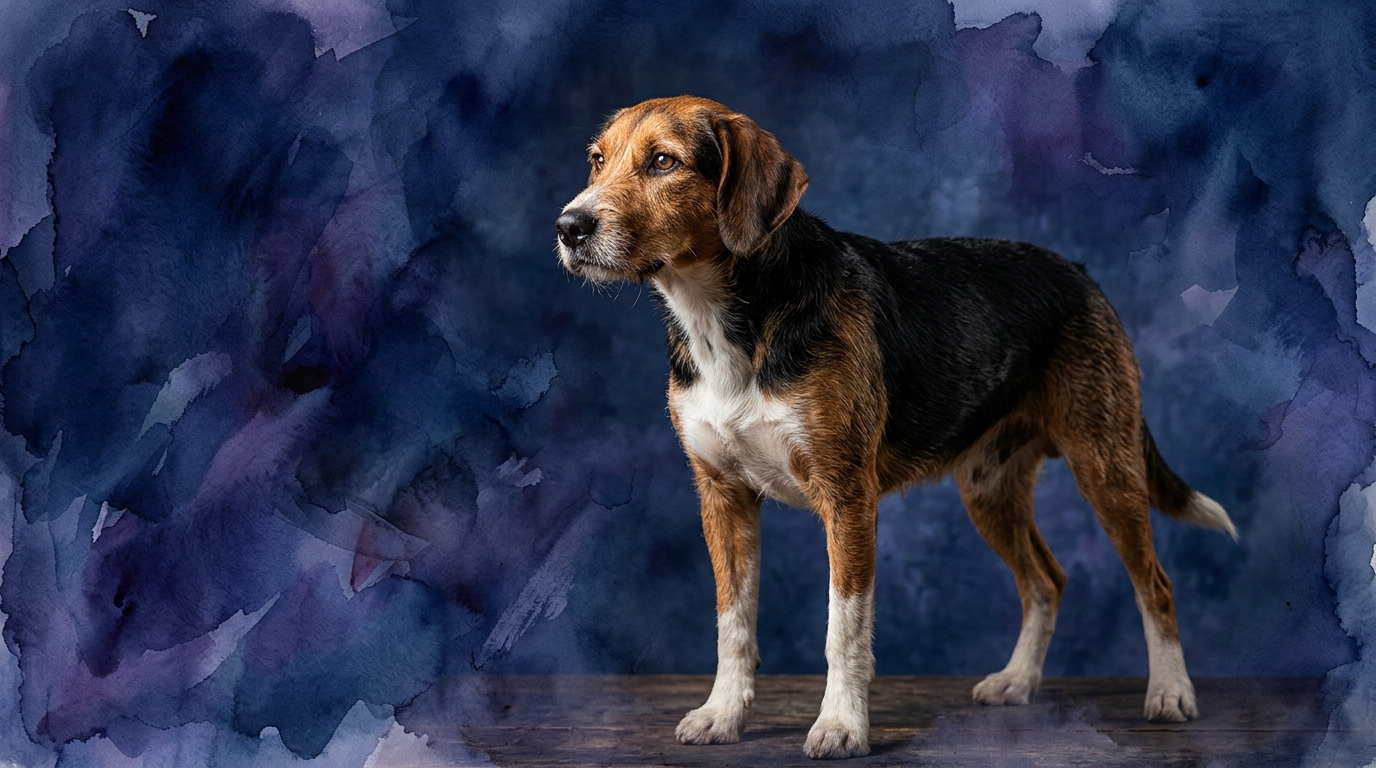
Harrier (Hound Group, Not Coren-ranked):
* Problem Solving (3/5): Harriers exhibit practical problem-solving, particularly in scenarios involving scent-trailing and navigating complex terrain. Their intelligence here is rooted in applying sequential steps to a specific, instinct-driven goal, such as following a faint trail.
* Training Speed (3/5): While capable, Harriers possess moderate training speed. Their independent nature, a hallmark of scent hounds, means they process commands through their primary drive, requiring consistency and motivation aligned with hunting instincts.
* Social Intelligence (3/5): Harriers demonstrate functional social intelligence, primarily within a pack dynamic or with their human handler in a working context. They are adept at reading fellow hounds and responding to clear handler cues during a hunt, less so nuanced human emotions outside a task.
* Instinctive Drive (3/5): Their instinctive drive is profoundly centered around scent work and the chase. This 3/5 rating signifies a strong, persistent genetic inclination to follow a trail, bay, and pursue, shaping much of their observable behavior.
* Memory (3/5): Harriers possess good practical memory for routes, scent patterns, and game locations. Their memory is robust for information relevant to their primary function, allowing recall of specific areas or trail directions, less for complex, multi-step sequences.
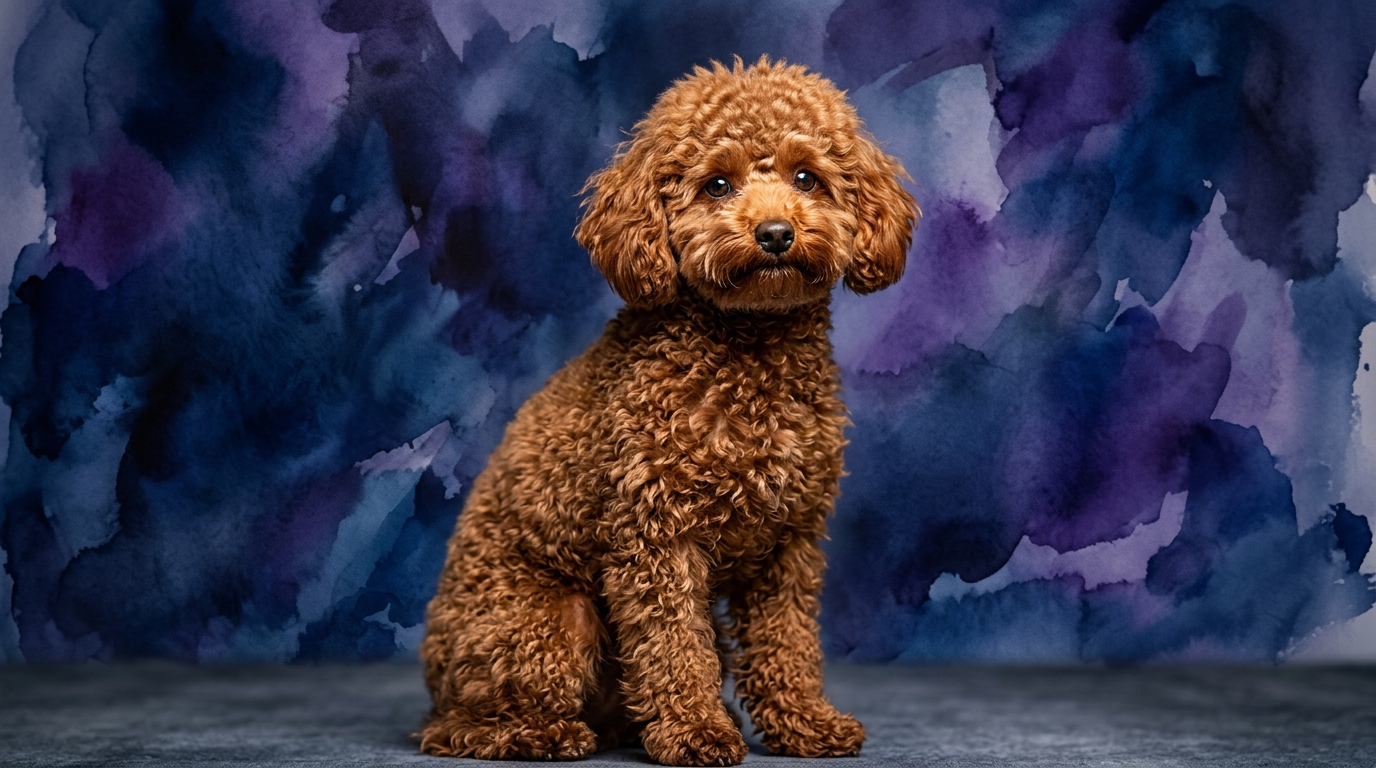
Toy Poodle (Toy Group, Coren Rank #2):
* Problem Solving (5/5): Toy Poodles excel at problem-solving, demonstrating remarkable capacity for abstract thought and flexible strategies. They quickly assess new situations, devise novel solutions, and adapt their approach, whether opening a puzzle or navigating agility obstacles.
* Training Speed (5/5): With exceptional training speed, Toy Poodles are renowned for rapid acquisition of new commands and tricks. Their eagerness to engage and strong desire to please, combined with cognitive agility, allows them to grasp concepts quickly and reliably perform complex behaviors.
* Social Intelligence (3/5): Toy Poodles display strong social intelligence, particularly interpreting human body language, vocal tones, and emotional states. They are highly attuned to companions, often anticipating needs or reacting sensitively to moods, fostering a deep bond.
* Instinctive Drive (3/5): While less about hunting, the Toy Poodle’s instinctive drive manifests as a strong desire for engagement, retrieving, and performing tasks. This 3/5 rating reflects persistent enthusiasm for interaction and activity, channeled into agility or obedience, tapping into historical retrieving instincts.
* Memory (5/5): Toy Poodles possess outstanding memory, retaining vast repertoires of commands, routines, and experiences. They recall intricate action sequences, remember individuals or places, and apply past learning to new situations, making them consistently reliable.
Where the Harrier Wins Cognitively
The Harrier's cognitive strengths are deeply rooted in its scent hound heritage, excelling where the Toy Poodle might falter. Harriers demonstrate superior cognitive persistence and focus when engaged in a sensory task, particularly scent discrimination. Their ability to maintain intense concentration on a single, faint scent trail over extended periods and through varied environments showcases a unique form of problem-solving—one demanding unwavering dedication to an olfactory puzzle. This sustained mental endurance, coupled with their capacity for independent decision-making in the field, allows them to navigate complex outdoor scenarios without constant human direction. Their memory, while rated 3/5, is specifically optimized for recalling geographical patterns and scent profiles, allowing them to effectively retrace steps or remember productive hunting grounds, a specialized cognitive advantage in their domain.
Where the Toy Poodle Wins Cognitively
The Toy Poodle's cognitive victories lie in its remarkable adaptability, rapid learning, and nuanced understanding of human-centric tasks. With a 5/5 rating in both Problem Solving and Training Speed, the Toy Poodle outpaces the Harrier in its ability to grasp abstract concepts and apply them flexibly across diverse situations. They excel at quickly learning complex, multi-step sequences, such as those in competitive obedience or intricate trick training, and can generalize these lessons to novel contexts. Their exceptional memory (5/5) allows them to retain a vast vocabulary of commands and recall specific instructions with impressive accuracy, making them highly reliable performers. Furthermore, their social intelligence, while rated 3/5 like the Harrier, manifests in a keen ability to interpret subtle human cues and emotional states, fostering a profound communicative bond that underpins their success in companion roles.
Which is Easier to Train and Why
The Toy Poodle is generally considered significantly easier to train than the Harrier, a difference rooted in their fundamental behavioral drives and cognitive processing. The Toy Poodle's 5/5 training speed and strong desire to please mean they typically absorb new commands and behaviors with remarkable alacrity. They thrive on positive reinforcement, seeking to understand and cooperate with their human partners, making training a joyful, collaborative experience. Their excellent memory and problem-solving abilities allow them to quickly link actions with consequences. In contrast, the Harrier’s 3/5 training speed is influenced by its independent hound mentality and strong instinctive drive. Harriers are prone to following their noses rather than human directives, especially when an enticing scent is present. Training a Harrier often requires immense patience, consistency, and creative motivation that taps into their prey drive or provides a compelling alternative to tracking, as they are less driven by a desire to please and more by what is inherently rewarding to their hound nature.
Which Suits Active Owners vs. Relaxed Owners
The choice between a Harrier and a Toy Poodle largely depends on an owner's lifestyle and their willingness to engage with specific breed needs. A Harrier is unequivocally suited for active owners who relish outdoor activities and possess a patient, consistent approach to dog ownership. Their persistent instinctive drive and moderate energy levels demand regular, robust exercise, ideally involving opportunities for scent work or long, exploratory walks in secure areas. Owners who appreciate an independent spirit and are prepared for a dog that sometimes prioritizes a captivating scent over immediate recall will find a rewarding companion. For those seeking a more relaxed lifestyle, the Harrier's inherent need to follow its nose and cover ground might prove challenging. The Toy Poodle, while adaptable, also thrives with active engagement, but in a different vein. They are excellent for owners who enjoy mental stimulation, consistent training, and interactive play. Their moderate energy can be satisfied with regular walks and play sessions, complemented by brain games or agility classes. They can adapt to apartment living if their mental and physical needs are met daily. A relaxed owner who is still committed to daily mental enrichment and regular, moderate physical activity will find the Toy Poodle a responsive and engaging companion.
The Verdict
Choose a Harrier if you are an experienced, active owner who values an independent, scent-driven companion and can provide consistent, patient training tailored to their hunting instincts and high exercise needs.
Choose a Toy Poodle if you seek a highly trainable, cognitively agile companion who thrives on mental engagement, varied activities, and a close, interactive bond, fitting well into diverse living situations with committed daily enrichment.
🧠 Find Your Pet's IQ Score
Our Pet IQ Lab assessment covers 25+ tests across 5 cognitive dimensions — personalized to your breed.
Take the Full IQ Test →Frequently Asked Questions
Is a Harrier hard to train?
Harriers can present training challenges due to their strong independent nature and powerful scent drive, which often takes precedence over human commands. They require consistent, patient training methods that understand and work with their hound instincts, rather than against them. Success comes from making training rewarding and engaging for their specific cognitive profile.
Do Toy Poodles need a lot of exercise?
Toy Poodles need regular exercise, but not necessarily extreme endurance activities. They benefit from daily walks, interactive play, and especially mental stimulation like puzzle toys or training sessions. Their energy is moderate, but their keen minds require consistent engagement to prevent boredom and promote well-being.
Which breed is better for a first-time dog owner?
For a first-time dog owner, the Toy Poodle generally presents an easier learning curve due to their eagerness to please, high trainability, and adaptability to various living situations. Harriers, with their independent nature and strong instincts, typically require a more experienced owner who understands hound behavior and can commit to specialized training and management.