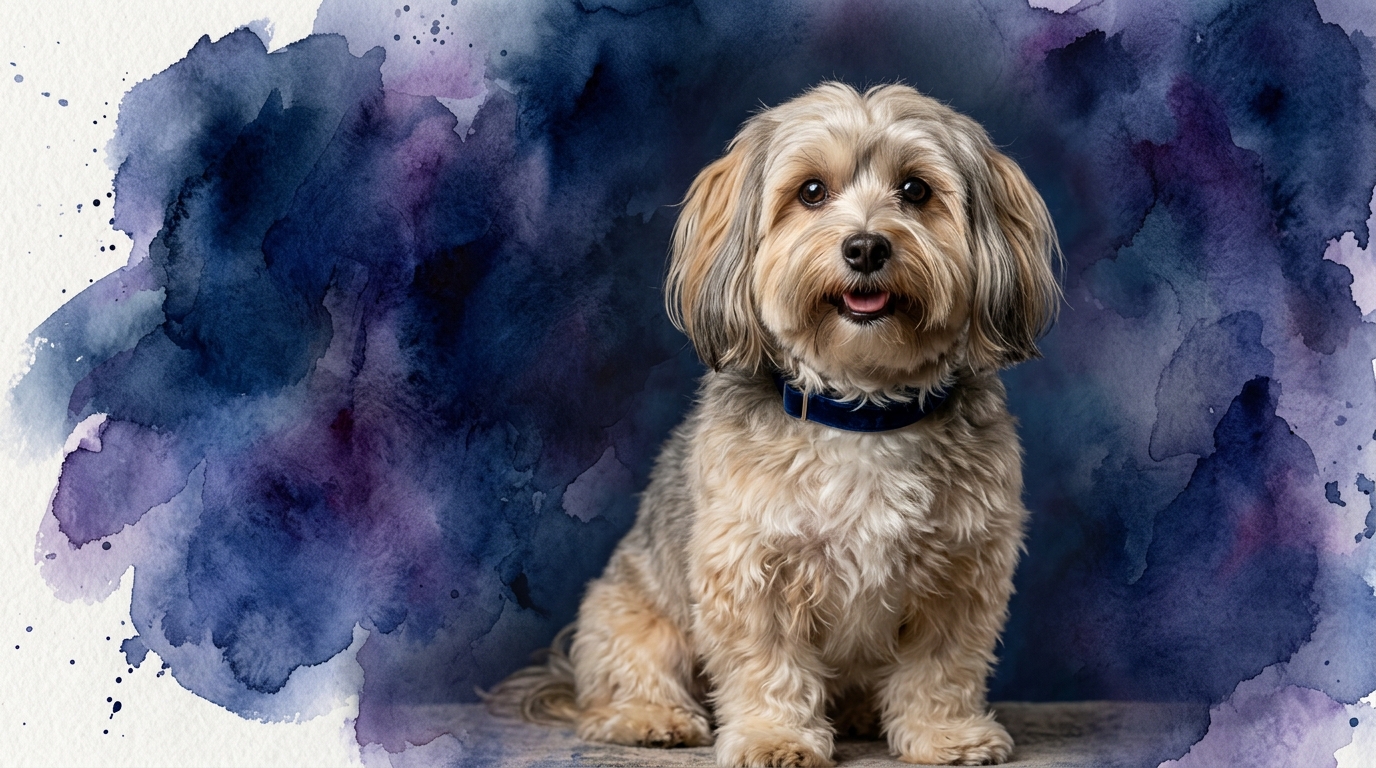
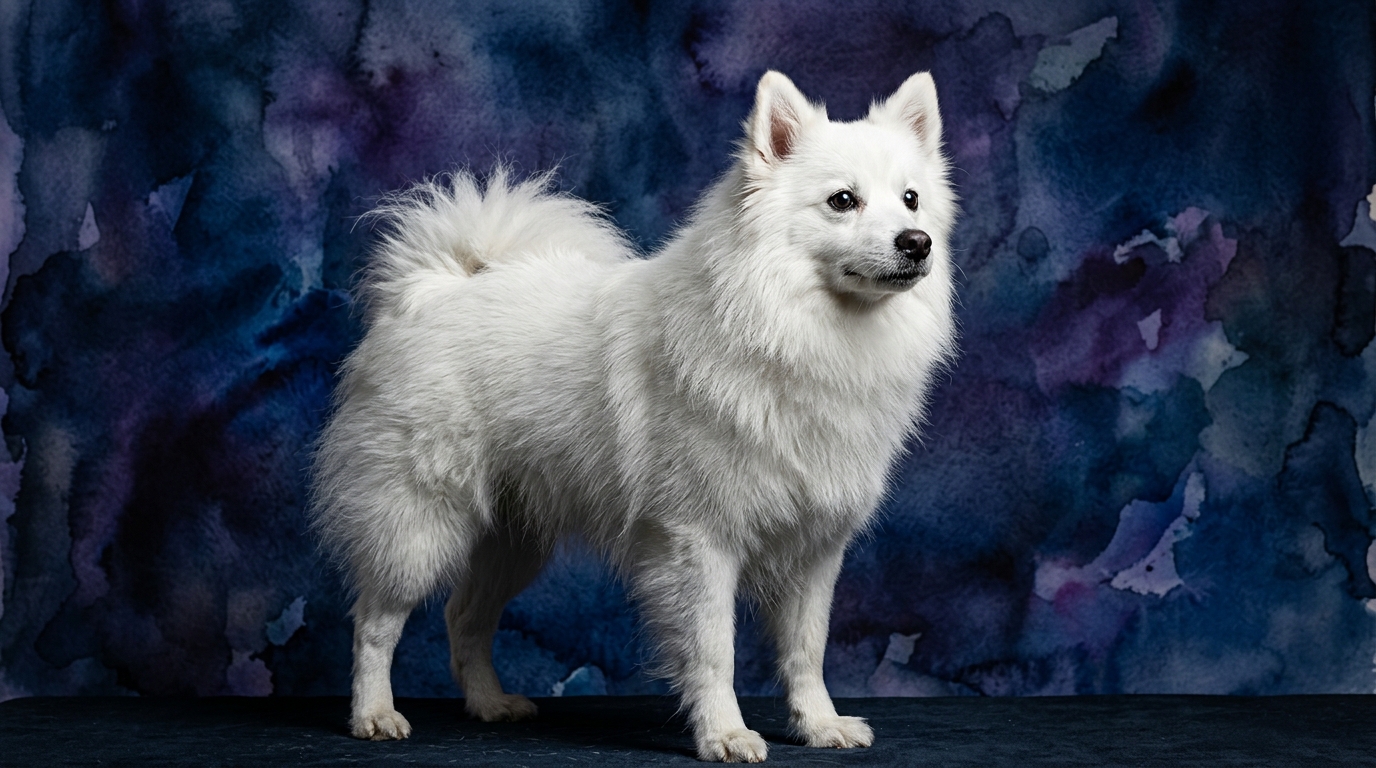
Side-by-Side Cognitive Profile: Havanese vs. American Eskimo Dog
To truly understand the mental makeup of these two delightful breeds, The Cosmic Pet Pet IQ Lab provides a five-dimensional cognitive assessment. For the Havanese, their Problem Solving ability scores 3/5, indicating a capacity for moderate challenges, like figuring out how to access a favorite toy or navigating a new indoor layout. Their Training Speed is also 3/5, suggesting they absorb new commands at an average, steady pace with consistent reinforcement. Where the Havanese truly shines is in Social Intelligence, earning a perfect 5/5, reflecting an exceptional attunement to human emotions and social cues, making them incredibly empathetic companions. Their Instinctive Drive is lower at 2/5, meaning they possess less inherent motivation for tasks rooted in hunting, herding, or guarding. Finally, their Memory is 3/5, indicating a reliable, average retention of learned behaviors and routines.
The American Eskimo Dog presents a slightly different cognitive blend. Their Problem Solving skill mirrors the Havanese at 3/5, demonstrating a similar average ability to tackle cognitive puzzles and adapt to new situations. Their Training Speed is also 3/5, signifying they learn new commands at a comparable, steady rate. In Social Intelligence, the American Eskimo Dog scores 3/5, indicating a solid, average understanding of social dynamics and the ability to form strong bonds, though perhaps with less intuitive empathy than the Havanese. Their Instinctive Drive is 3/5, showing a moderate intrinsic motivation for activities that align with their historical roles as watchdogs and performers. Like the Havanese, their Memory is 3/5, reflecting an average capacity for retaining information and commands over time.
Where the Havanese Excels Cognitively
The Havanese’s standout cognitive strength lies in their remarkable Social Intelligence, scoring an unparalleled 5/5 compared to the American Eskimo Dog’s 3/5. This dimension signifies an extraordinary ability to read and interpret human emotions, body language, and subtle social cues. A Havanese doesn't just respond to commands; they often anticipate needs, offering comfort during distress or joining in celebrations with an almost intuitive understanding of the mood. This deep empathetic connection makes them exceptional emotional support animals and highly adaptable family members, seamlessly integrating into complex social dynamics. Their high social intelligence means they are often eager to please and deeply motivated by positive human interaction, making them incredibly responsive in social learning scenarios and adept at forming profound interpersonal bonds. This cognitive advantage translates into a companion that truly feels 'in tune' with their human counterparts, often seeming to understand unspoken sentiments.
Where the American Eskimo Dog Wins Cognitively
The American Eskimo Dog holds a distinct cognitive edge in Instinctive Drive, scoring 3/5 against the Havanese’s 2/5. This higher drive points to a greater intrinsic motivation for purposeful activity, often rooted in their heritage as alert watchdogs and versatile performers. While not as intense as some working breeds, this moderate drive means an Eskie often possesses a natural inclination to 'do something,' whether it's alerting to strangers, engaging in structured play, or learning complex tricks for an audience. They frequently enjoy tasks that require a degree of independence and mental engagement, rather than solely relying on direct human instruction. This drive can manifest as spirited playfulness, a desire to explore, or a natural vigilance, providing them with an internal motor that encourages them to participate actively in their environment. For owners who appreciate a dog with a clear sense of purpose and a moderate zest for engagement, the Eskie's instinctive drive offers a rewarding partnership.
Which is Easier to Train and Why
While both breeds share an identical Training Speed score of 3/5, the perceived ease of training can vary significantly due to their other cognitive differences. The Havanese, with their exceptional Social Intelligence (5/5), often *feels* easier to train, particularly for basic obedience and manners. Their profound desire to connect and please their human companions means they are highly attuned to feedback and deeply motivated by positive reinforcement and social praise. They actively seek to understand what is expected of them and thrive on cooperative learning, making the training process a bonding experience. Their lower Instinctive Drive (2/5) also means they are less likely to be distracted by independent pursuits or strong innate urges, allowing them to focus more intently on their owner's guidance.
The American Eskimo Dog, also with a Training Speed of 3/5, requires a slightly different approach. Their Social Intelligence of 3/5 means they are responsive but might not possess the same intuitive 'people-pleasing' drive as the Havanese. Instead, their higher Instinctive Drive (3/5) can be a double-edged sword: it provides a good foundation for motivating them towards performance-based tasks, agility, or trick training, but it can also lead to independent thinking or a more assertive communication style (like barking) if not channeled appropriately. Training an Eskie often benefits from making tasks engaging and fun, leveraging their natural enthusiasm and moderate drive. Consistent boundaries and clear expectations are crucial to guide their independent spirit, making them responsive partners rather than purely compliant followers. Therefore, for owners prioritizing a socially compliant and emotionally responsive learner, the Havanese might offer a smoother path, while the Eskie appeals to those who enjoy channeling a dog's inherent drive into structured activities.
Which Suits Active Owners vs. Relaxed Owners
Considering their distinct cognitive profiles, the Havanese and American Eskimo Dog cater to different owner lifestyles. The Havanese, with a low Instinctive Drive (2/5) and a high Social Intelligence (5/5), is an excellent fit for more relaxed owners. They thrive on companionship and social interaction rather than intense physical exertion or independent tasks. Daily short walks, indoor playtime, and ample cuddle time are often sufficient to meet their physical needs, while their cognitive engagement comes primarily from being an integral, emotionally connected part of the family. They are content to be near their people, observing and participating in daily life, making them ideal for individuals or families seeking a devoted, gentle companion who doesn't demand strenuous activities.
The American Eskimo Dog, with a moderate Instinctive Drive (3/5) and average Social Intelligence (3/5), generally suits more active owners. While they adore their families, they possess a greater internal drive for engagement and activity. They often enjoy regular, brisk walks, playtime in a secure yard, and mental stimulation through training sessions or puzzle toys. Their moderate drive means they can excel in dog sports like agility or obedience, finding satisfaction in having a 'job' to do. They are not content to be mere couch potatoes and benefit from owners who can provide consistent outlets for their energy and intelligence. This breed is well-suited for individuals or families who enjoy an active lifestyle and are prepared to engage their dog in purposeful activities beyond simple companionship.
The Verdict
Choose the Havanese if your lifestyle values an exceptionally empathetic and socially intertwined companion who thrives on close emotional connection and gentle engagement. Their low instinctive drive makes them ideal for a more relaxed, companionship-focused home.
Opt for the American Eskimo Dog if you seek a spirited, engaged partner who enjoys structured activities and has a moderate independent drive for exploration and performance. They are well-suited for owners who can provide consistent training and channel their energy into purposeful play.
🧠 Find Your Pet's IQ Score
Our Pet IQ Lab assessment covers 25+ tests across 5 cognitive dimensions — personalized to your breed.
Take the Full IQ Test →Frequently Asked Questions
Do Havanese or American Eskimo Dogs bark a lot?
Havanese, with their high social intelligence and alert nature, can be prone to 'alert barking' to communicate perceived changes or visitors, often seeking to involve their humans. American Eskimo Dogs, having a higher instinctive drive and history as watchdogs, frequently use barking as a natural expression of vigilance and for communication. Both breeds can be vocal, but the context and motivation for their barking might differ, with Eskies potentially being more persistent in their alerts.
Are Havanese good with children?
Havanese, thanks to their exceptional social intelligence, are generally very good with children, displaying patience and an intuitive understanding of family dynamics. They thrive on being included and can form strong, gentle bonds with respectful children, often adapting their play style. Proper socialization and supervision are still important for any breed to ensure positive interactions.
Can American Eskimo Dogs be left alone for long periods?
American Eskimo Dogs, with their moderate social intelligence and higher instinctive drive, generally prefer company and mental engagement. While they can tolerate being alone for reasonable periods, prolonged solitude can lead to boredom and potential behavioral issues like excessive barking or destructive chewing. Regular exercise and mental stimulation before and after alone time are crucial for their well-being and contentment.