Side-by-Side Cognitive Profiles: Havanese vs. Coton de Tuléar
The Cosmic Pet Pet IQ Lab employs a five-dimensional framework to assess canine intelligence, moving beyond simple obedience to encompass a broader spectrum of cognitive abilities. For the Havanese and Coton de Tuléar, this detailed analysis uncovers both shared strengths and unique cognitive leanings that differentiate these beloved breeds.
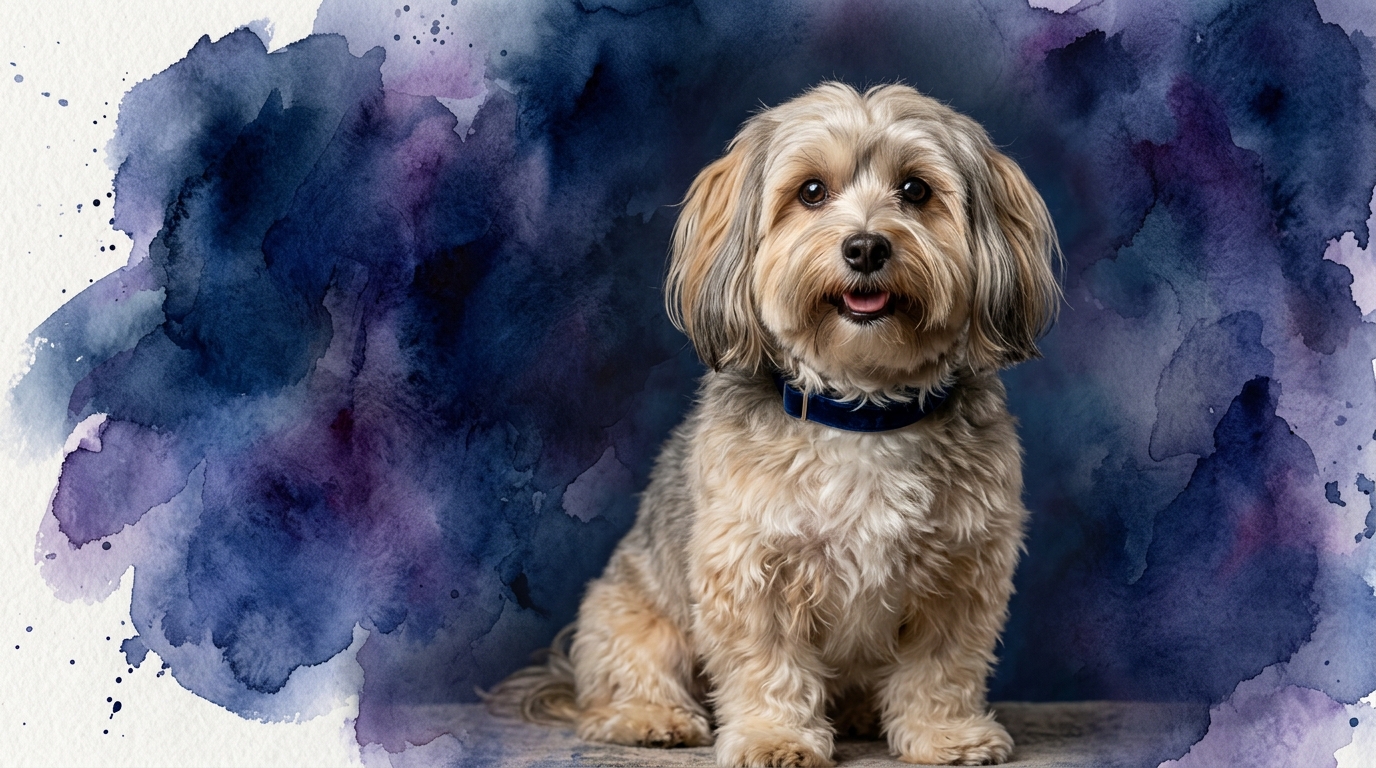
The Havanese, often referred to as the 'Velcro dog' due to their strong attachment to their families, exhibits a well-rounded cognitive profile with a standout attribute in social perception. Their Problem Solving is rated at 3/5, suggesting a moderate capacity to navigate new environments or figure out how to retrieve a desired toy from a slightly challenging spot. They are not typically master escape artists but can manage practical, everyday cognitive challenges. Training Speed for the Havanese also sits at 3/5, indicating they absorb new commands and routines at a steady, consistent pace, responding well to positive reinforcement and clear communication. Their Social Intelligence truly shines at a perfect 5/5, reflecting an exceptional attunement to human emotions, subtle cues, and the intricate dynamics of their household; this breed often anticipates needs and adapts behavior based on human mood. Instinctive Drive is lower at 2/5, meaning they possess less inherent inclination for independent hunting, herding, or guarding behaviors, making them generally less prone to acting on primal urges. Finally, their Memory score of 3/5 indicates a reliable capacity to recall learned commands, routines, and familiar faces, though occasional refreshers for less frequently used cues might be beneficial.
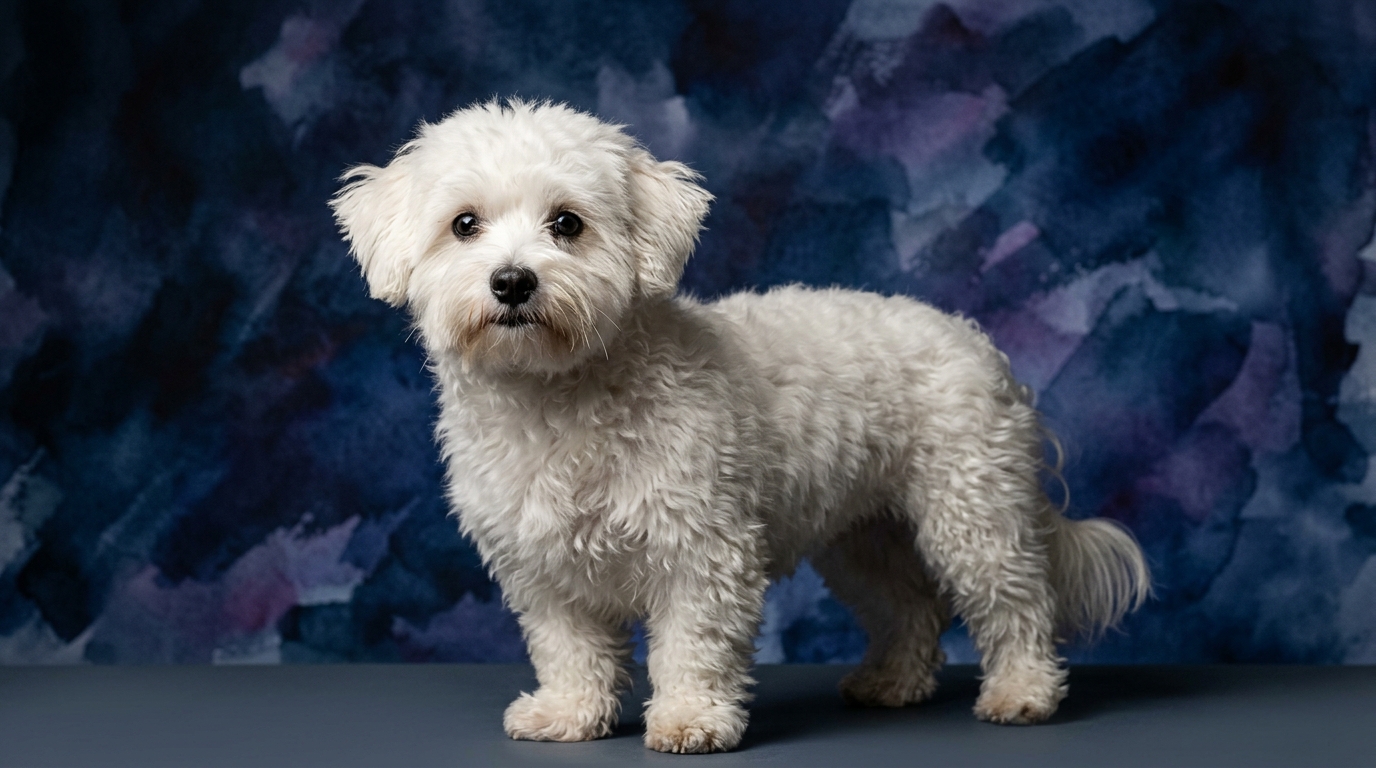
The Coton de Tuléar, celebrated for its cheerful disposition and soft, cotton-like coat, shares several cognitive similarities with the Havanese but presents a different emphasis in social and instinctual domains. Their Problem Solving ability is also rated at 3/5, meaning they demonstrate a moderate capability for understanding cause-and-effect in their environment, such as figuring out how to open a simple cabinet or manipulate puzzle toys. Like the Havanese, their Training Speed is 3/5, indicating they learn at a competent, steady pace, thriving on engaging, consistent sessions that keep their attention. The Coton de Tuléar's Social Intelligence is rated at 3/5, signifying they are affable and enjoy human interaction, but might not possess the same profound, almost empathetic, sensitivity to nuanced human emotional states as their Havanese counterparts. Their Instinctive Drive is slightly higher at 3/5 compared to the Havanese, suggesting a marginally stronger natural curiosity, a greater inclination towards exploration, or a mild interest in chasing moving objects, though still within manageable limits for a companion breed. Their Memory matches the Havanese at 3/5, ensuring they retain training, recognize familiar people and places, and remember daily routines effectively.
Where the Havanese Wins Cognitively
The Havanese demonstrates a clear cognitive advantage in Social Intelligence, scoring a perfect 5/5 compared to the Coton de Tuléar's 3/5. This superior social perception means Havanese are exceptionally adept at reading and responding to human emotional states and social cues. They often seem to anticipate their owner's moods, offering comfort during distress or joining in celebration with remarkable timing and empathy. This profound social attunement translates into a companion who isn't just present, but deeply engaged in the emotional landscape of their family, making them particularly responsive to subtle shifts in tone or body language during interaction.
Where the Coton de Tuléar Wins Cognitively
The Coton de Tuléar edges out the Havanese in Instinctive Drive, with a score of 3/5 compared to the Havanese's 2/5. While both breeds are generally low in this dimension, the Coton's slightly higher drive suggests a touch more independent curiosity and a greater inclination to engage with their environment on their own terms. This can manifest as a slightly stronger interest in exploring new scents, investigating novel objects, or engaging in self-directed play, adding a subtle layer of independent engagement to their cheerful companionship. This difference is not about being unruly, but about a slightly more pronounced internal impetus for exploration and interaction with the physical world around them.
Which is Easier to Train and Why
Both the Havanese and the Coton de Tuléar share an identical Training Speed score of 3/5, indicating they learn at a moderate and consistent pace with appropriate methods. However, the Havanese's superior Social Intelligence (5/5 vs. 3/5 for the Coton) offers a nuanced advantage that can make them *feel* easier to train for many owners. A Havanese is more likely to be deeply motivated by the subtle social feedback from their human, such as a slight change in voice, a look of approval, or a shared moment of connection. Their desire to please and their acute understanding of human intentions can translate into a highly cooperative training partner who is eager to engage and respond to even the most delicate cues. While a Coton de Tuléar will certainly learn effectively with positive reinforcement and clear instruction, their motivation might stem more from the reward itself or the joy of the activity, rather than the profound social connection that drives much of a Havanese's responsiveness. Therefore, for owners who value a deeply communicative and socially responsive training experience, the Havanese might feel more intuitive and rewarding to guide.
Which Suits Active Owners vs. Relaxed Owners
The Havanese, with their exceptional Social Intelligence and lower Instinctive Drive, often thrives with owners who prioritize deep, continuous interaction and companionship, regardless of the activity level. They excel in households where they are integral to daily life, whether that involves long walks, playful indoor games, or simply cuddling on the couch. Their strong desire for social engagement means they are content as long as they are involved with their people, making them adaptable to both active families who include them in outings and more relaxed owners who offer consistent, affectionate presence. They are less driven by independent exploration and more by shared experiences, making them a perfect fit for those seeking an emotionally attuned shadow.
The Coton de Tuléar, with its equally moderate Problem Solving and Training Speed, combined with a slightly higher Instinctive Drive, is an excellent match for owners who appreciate a cheerful, adaptable companion capable of enjoying a range of activities. While they cherish human company, their slightly stronger inclination for independent exploration means they might enjoy varied mental stimulation, such as scent games or exploring new walking routes, a touch more than the Havanese. They are content with moderate daily exercise and can happily relax indoors, but they also possess a spark for discovery. This makes them suitable for owners who enjoy engaging in diverse activities with their dog, from playful romps to relaxed evenings, offering a balanced blend of companionship and gentle curiosity.
The Verdict
Choose the Havanese if your primary desire is an exceptionally socially attuned companion who deeply connects with your emotions and thrives on constant, empathetic interaction.
Opt for the Coton de Tuléar if you seek a cheerful, adaptable companion with a slightly more independent spark for exploration, who enjoys a balanced mix of engaging activities and relaxed companionship.
🧠 Find Your Pet's IQ Score
Our Pet IQ Lab assessment covers 25+ tests across 5 cognitive dimensions — personalized to your breed.
Take the Full IQ Test →Frequently Asked Questions
Do Havanese or Coton de Tuléar require more mental stimulation?
Both breeds have a Problem Solving score of 3/5, indicating a moderate need for mental engagement. They benefit from puzzle toys and learning new tricks, but neither breed demands exceptionally complex mental challenges to stay content. Their needs are generally well-met through daily interaction and consistent training.
Which breed is better for a multi-pet household based on intelligence?
The Havanese, with its 5/5 Social Intelligence, is often more adept at understanding and navigating complex social dynamics within a multi-pet household, making them potentially smoother integrators. While the Coton (3/5 Social Intelligence) is generally friendly, the Havanese's heightened social perception might give it an edge in harmonious inter-animal relationships.
Is there a significant difference in memory between Havanese and Coton de Tuléar?
No, both the Havanese and Coton de Tuléar share an identical Memory score of 3/5. This means both breeds reliably remember commands, routines, and familiar people and places. Owners can expect consistent retention of learned behaviors from either companion.