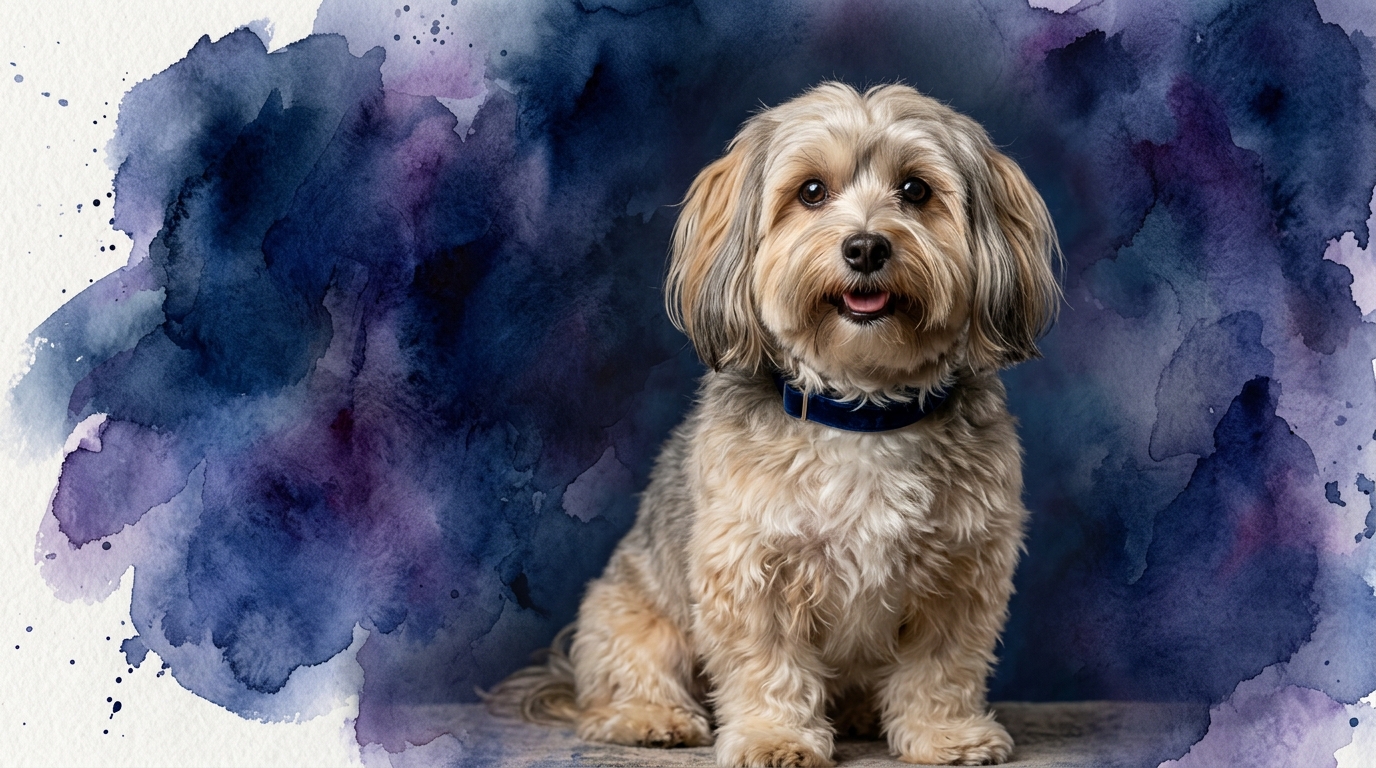
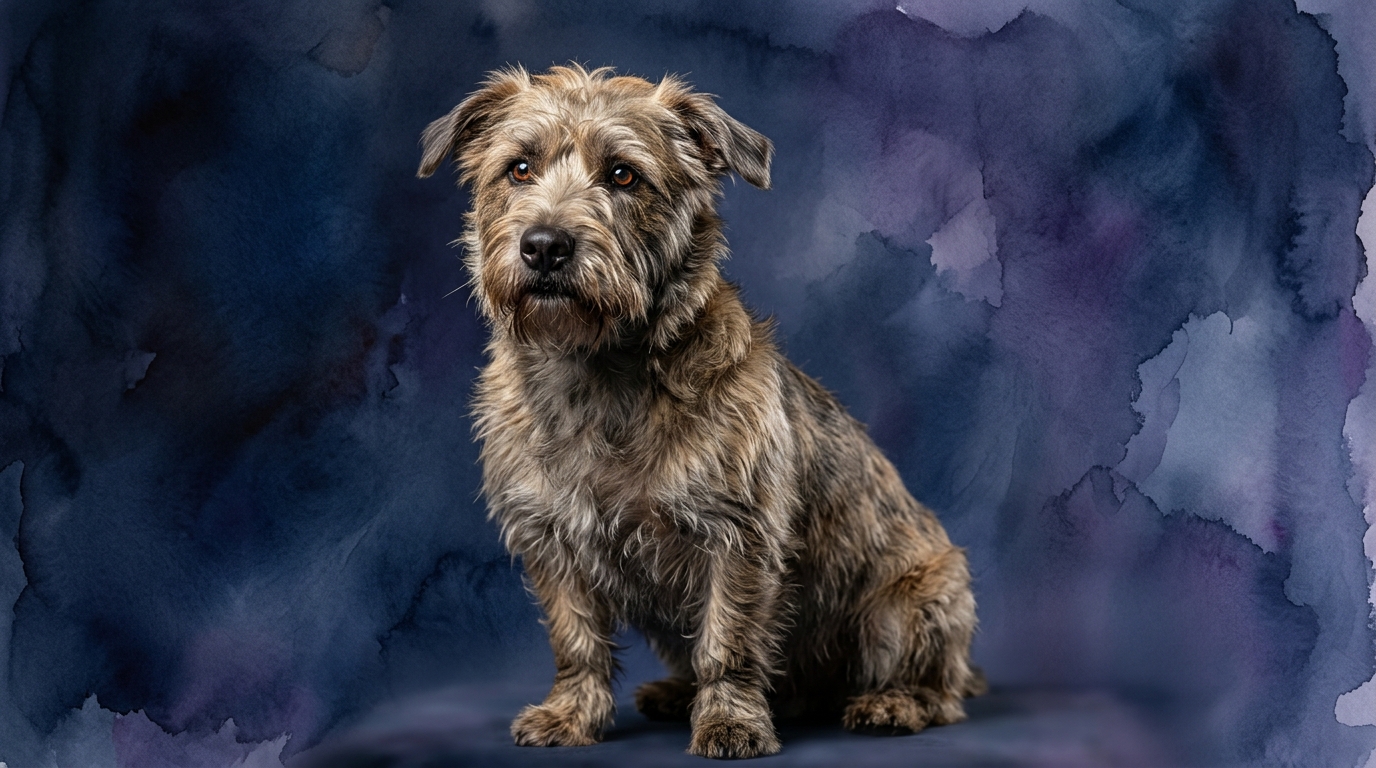
Side-by-Side IQ Profile: Havanese vs. Glen of Imaal Terrier
The Havanese, a beloved Toy breed, presents a captivating cognitive profile. Their Problem Solving is rated at 3/5, indicating they are capable of navigating moderately complex puzzles or figuring out clever ways to get attention, though they may not be master strategists for intricate, multi-step challenges. Their Training Speed also stands at 3/5, meaning they learn new commands at an average pace, typically responsive to positive reinforcement and eager to participate in learning sessions as a bonding activity. However, their defining cognitive trait is their exceptional Social Intelligence, scoring a perfect 5/5, making them incredibly attuned to human emotions, body language, and subtle social cues.
Further examining the Havanese, their Instinctive Drive is a modest 2/5. This signifies a general lack of strong urges for independent tasks like hunting, digging, or intense scent work; their drives are primarily companion-oriented, focused on interaction and connection with their people. Their Memory is rated at 3/5, allowing them to retain learned commands, routines, and past experiences with consistent recall over time. This combination of traits paints a picture of a dog whose cognitive strengths lie in relational understanding and cooperative engagement, making them highly intuitive companions within a family setting.
In contrast, the Glen of Imaal Terrier, a robust member of the Terrier group, shares some cognitive similarities but diverges in crucial areas. Their Problem Solving capability, like the Havanese, is rated at 3/5. They are adept at solving moderate problems, often approaching challenges with a characteristic terrier persistence, especially if the task involves a tangible reward or satisfies an inherent desire to explore or 'work.' Their Training Speed is also 3/5, indicating they learn at an average rate, though their independent nature might mean they choose when and how to demonstrate what they’ve learned, often requiring more nuanced motivation.
The Glen of Imaal Terrier’s Social Intelligence is a balanced 3/5. While they form strong, loyal bonds with their families and understand human cues, they maintain a degree of independent thought and are not as acutely sensitive or people-pleasing as the Havanese. Their Instinctive Drive, however, is a notable 3/5, reflecting their heritage as working terriers. This drive manifests as a natural inclination for digging, scent tracking, and persistent engagement in tasks, though it's typically less intense or frenetic than some other terrier breeds. Their Memory also scores 3/5, providing average retention for commands, routines, and experiences, ensuring they consistently remember learned information within their daily lives.
Where Havanese Wins Cognitively
The Havanese truly shines in the realm of Social Intelligence, where their perfect 5/5 score sets them apart in this comparison. This superior acumen means they possess an extraordinary capacity to read and respond to human emotions, body language, and even subtle shifts in household atmosphere. They are masters of nuanced communication, often anticipating their human's needs or offering comfort without explicit prompting, making them incredibly intuitive companions.
This profound social understanding translates into seamless integration into family life. A Havanese can act as an emotional barometer for the home, quickly picking up on stress or joy and adjusting their behavior accordingly. Their ability to engage in complex reciprocal interactions, seeking out connection and responding to social cues with remarkable empathy, fosters an exceptionally deep bond, making them feel less like a pet and more like an integral, understanding member of the family unit. Their cognitive strength here is about profound relational intelligence.
Where Glen of Imaal Terrier Wins Cognitively
While both breeds share a 3/5 in Problem Solving, the Glen of Imaal Terrier's cognitive edge in this area is distinct due to their moderate Instinctive Drive of 3/5. This terrier tenacity, coupled with an inherent drive to explore and 'work,' gives them a particular advantage in tasks requiring independent thought and sustained effort. They are less prone to giving up on a puzzle or a scent trail, driven by an intrinsic satisfaction in the task itself rather than solely relying on human approval for motivation.
Their cognitive wins manifest in scenarios where a dog needs to persist through a challenge, using their senses and determination to achieve a goal. This natural curiosity and desire to root out things, a hallmark of their working heritage, allows them to engage deeply with structured activities that tap into these drives. Owners seeking a dog who enjoys a good 'job' and can apply focused, independent thought to a task will find the Glen's cognitive profile particularly rewarding, offering a different kind of mental engagement from the Havanese’s social focus.
Which is Easier to Train and Why
Despite both breeds sharing a 3/5 rating for Training Speed, the *ease* and *method* of training can differ significantly, largely due to their divergent social intelligence and instinctive drives. The Havanese, with their outstanding 5/5 Social Intelligence, often presents as 'easier' for general obedience and cooperative tasks. They are inherently motivated by pleasing their people and maintaining harmony within their social group, making them highly receptive to positive reinforcement and eager to participate in learning sessions as a primary bonding activity.
A Havanese's keen awareness of human cues means they are often quicker to understand what is being asked of them and more forgiving of handler errors. Their desire for connection acts as a powerful training accelerant, as they thrive on the praise and attention that comes with successful learning. This makes them excellent candidates for owners who enjoy a fluid, responsive training partnership built on mutual understanding and a shared desire for cooperation.
Conversely, the Glen of Imaal Terrier's independence and moderate instinctive drive (3/5) mean their training requires more patience, consistency, and motivation specifically tailored to their working instincts. While they are certainly capable learners, a Glen might 'question' the purpose of a command or decide if the reward is worth the effort, especially if it conflicts with a more appealing scent or an independent pursuit like digging. Their intelligence is often applied to figuring out the most efficient way to achieve *their* goals, which may not always align with the handler's.
Training a Glen often involves making tasks feel like an engaging game or a meaningful 'job,' tapping into their natural persistence and problem-solving abilities rather than relying solely on a desire to please. Owners must be creative and consistent, using methods that channel their inherent drives—like scent games or puzzle-solving—to make learning intrinsically rewarding. This approach ensures that the Glen’s independent spirit becomes an asset in training, rather than a challenge, fostering a partnership built on respect for their innate terrier nature.
Which Suits Active Owners vs. Relaxed Owners
When considering lifestyle fit, the Havanese is an ideal match for owners who identify as relaxed or companion-focused active individuals. Their lower Instinctive Drive (2/5) combined with their high Social Intelligence (5/5) means they thrive on close interaction and shared moments, whether those are quiet evenings on the couch or gentle strolls around the neighborhood. They enjoy playtime and walks but are equally content to snuggle, adapting their energy levels to match their human's pace.
A Havanese requires moderate physical activity, but their mental stimulation largely comes from social engagement, interactive games, and short, positive training sessions that reinforce their bond. They are highly adaptable and happy to be involved in whatever their family is doing, making them perfect for those seeking a constant, intuitive presence that integrates seamlessly into a quieter or moderately active household, as long as they receive ample companionship.
The Glen of Imaal Terrier, with their moderate Instinctive Drive (3/5) and independent streak, is better suited for more active and engaged owners. While they are not typically hyperactive, they thrive on mental stimulation and structured activities that allow them to use their senses and problem-solving skills. This includes regular opportunities for scent work, puzzle toys, consistent training that taps into their 'job' mentality, and exploration in a secure yard or during walks.
Owners who understand and enjoy channeling a terrier's inherent drive for digging, exploring, and persistent investigation will find a rewarding partner in a Glen. They appreciate an owner who can consistently provide constructive outlets for their cognitive and physical energy, rather than expecting a dog who is simply content to be a lapdog. Glens need an owner who can provide consistent leadership and engaging activities to prevent boredom and ensure their strong will is directed positively.
The Verdict
Choose the Havanese if your life thrives on deep emotional connection, intuitive companionship, and a dog who prioritizes social harmony above all else. They are perfect for those seeking a highly empathetic and adaptable family member who mirrors their human's emotional landscape.
Opt for the Glen of Imaal Terrier if you appreciate a dog with an independent spirit, a persistent drive for engaging tasks, and a partner who enjoys working through challenges alongside you. They are best suited for owners who can provide consistent mental and physical outlets for their terrier instincts.
🧠 Find Your Pet's IQ Score
Our Pet IQ Lab assessment covers 25+ tests across 5 cognitive dimensions — personalized to your breed.
Take the Full IQ Test →Frequently Asked Questions
Does a Havanese's high social intelligence make them prone to separation anxiety?
While their strong social bond means they deeply value companionship, a Havanese's high social intelligence allows them to understand routines and adapt. Proper training and gradual desensitization can help prevent separation anxiety, as they are capable of learning to cope when their human isn't present.
Are Glen of Imaal Terriers difficult to train because of their independence?
Glen of Imaal Terriers are not difficult to train, but they require a consistent, positive, and engaging approach that appeals to their terrier nature. Owners who make training fun and tap into their problem-solving and instinctive drives will find them willing and capable learners.
Which breed is better for a first-time dog owner?
For a first-time owner prioritizing an intuitive, adaptable, and highly cooperative companion, the Havanese might be an easier introduction to dog ownership due to their high social intelligence. The Glen of Imaal Terrier, while rewarding, may require a first-time owner to be more prepared for consistent, creative training and managing a terrier's inherent drives.