Side-by-Side Cognitive Profiles
At The Cosmic Pet Pet IQ Lab, we assess canine intelligence across five key dimensions, offering a nuanced view beyond simple labels. Let's examine the Havanese and Greater Swiss Mountain Dog through this lens.
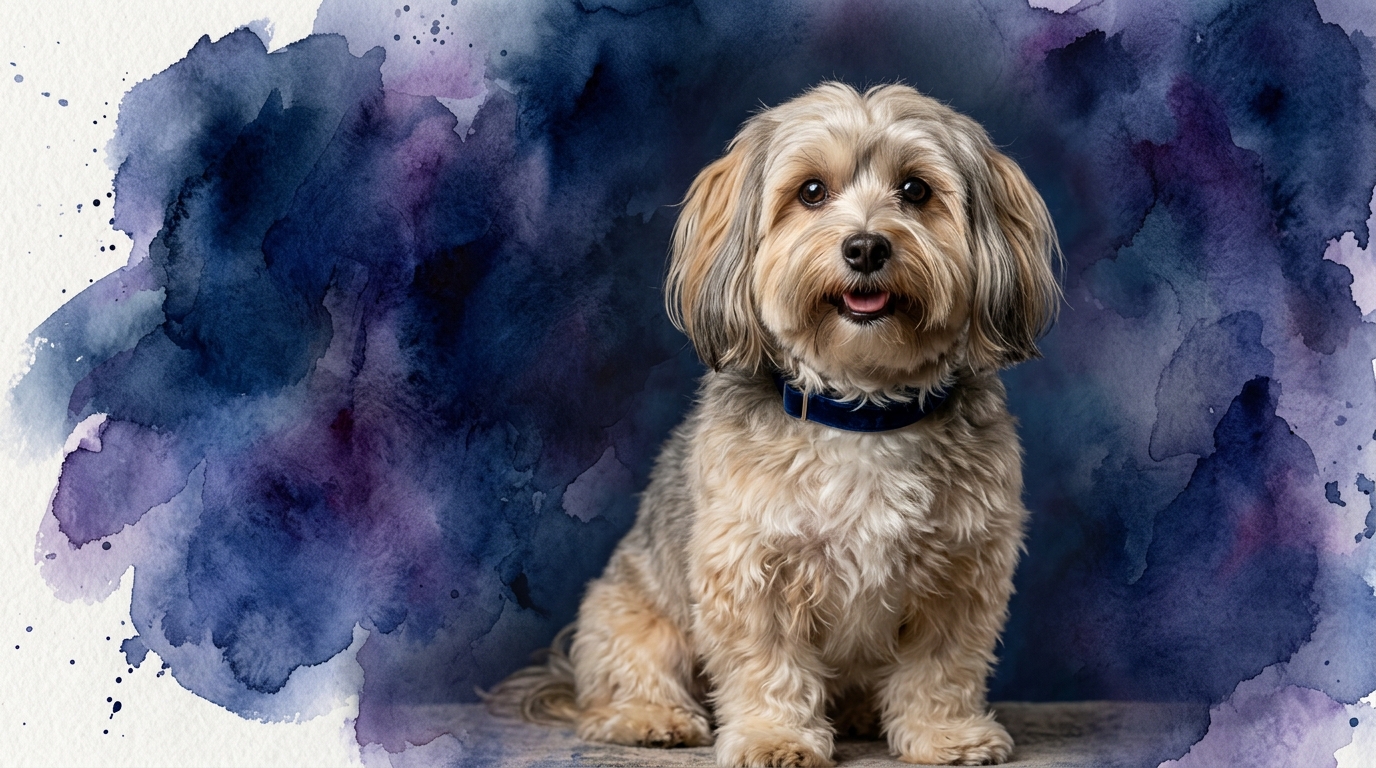
The Havanese, a member of the Toy Group, presents a cognitive profile indicating a balanced intellect with a profound social bent. Their Problem Solving is rated 3/5, suggesting a moderate capacity for figuring out novel situations, like navigating a new toy puzzle or understanding how to get attention effectively. Training Speed also stands at 3/5, meaning they absorb new commands at a steady, moderate pace, benefiting from positive reinforcement and engaging sessions without excessive repetition. Where they truly shine is Social Intelligence, scoring a perfect 5/5, exhibiting an exceptional ability to interpret human emotions, body language, and vocal tones, making them incredibly intuitive and empathetic companions. Their Instinctive Drive is quite low at 2/5, indicating less natural inclination for traditional dog work like hunting or guarding, making them less prone to independent, inherent drives. Finally, their Memory is 3/5, showing they retain learned behaviors and past experiences moderately well, remembering routines and commands reliably over time.
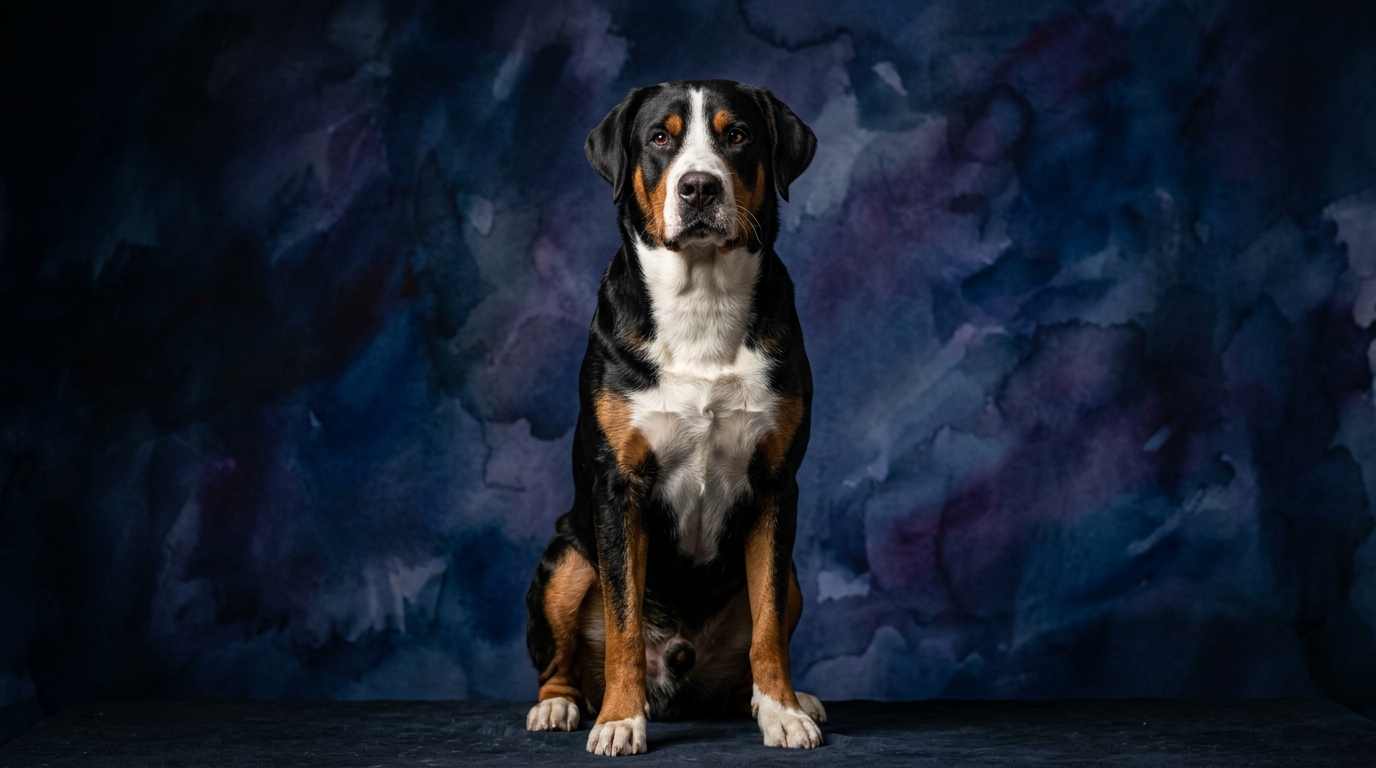
The Greater Swiss Mountain Dog, a powerful breed from the Working Group, displays a practical and purposeful cognitive makeup. Their Problem Solving is 3/5, demonstrating a moderate ability to independently assess and overcome challenges, whether it’s figuring out a gate latch or navigating a new trail. Their Training Speed matches the Havanese at 3/5, as they learn new tasks and commands at a consistent, moderate rate, responding well to clear instructions and a structured approach. Social Intelligence for the Swissy is 3/5, indicating they possess a solid understanding of social cues and interactions within their family unit, forming strong bonds and responding appropriately to human communication. Their Instinctive Drive is 3/5, reflecting their working heritage, which manifests as a moderate natural inclination for purposeful activities, such as a desire to guard, pull, or engage in structured tasks. Their Memory is also 3/5, meaning they hold onto learned information and past experiences with moderate reliability, ensuring consistency in their trained responses and routines.
Where the Havanese Excels Cognitively
The Havanese distinctly outpaces the Greater Swiss Mountain Dog in Social Intelligence, scoring an impressive 5/5 compared to the Swissy's 3/5. This isn't just about being friendly; it signifies a profound cognitive capacity to perceive and interpret human emotions, intentions, and subtle social cues. A Havanese might instinctively offer comfort when its owner is sad, adjust its play intensity based on your mood, or even anticipate your next move by reading your body language. This exceptional attunement allows for a remarkably nuanced and empathetic connection, making them highly responsive to their human companions' emotional states and fostering a deep, reciprocal bond that few breeds can match. Their ability to integrate seamlessly into a family's emotional landscape is a distinct cognitive advantage, allowing for subtle, almost telepathic, communication.
Where the Greater Swiss Mountain Dog Excels Cognitively
The Greater Swiss Mountain Dog shows a subtle but significant advantage in Instinctive Drive, scoring 3/5 against the Havanese's 2/5. While neither breed is at the extreme end of the spectrum, this higher drive in the Swissy points to a stronger innate inclination towards purposeful activities rooted in their working heritage. This might manifest as a desire to "help" with tasks, a natural protective instinct for their family and home, or a greater intrinsic motivation for structured activities like pulling carts or engaging in scent work. This drive, when constructively channeled, means they often seek out engagement and a sense of purpose more actively than the Havanese, who has a lower inherent pull towards such independent, task-oriented behaviors. It suggests a dog that finds fulfillment in having a "job," however small.
Training Dynamics: Which is Easier and Why?
Both breeds land at a 3/5 for Training Speed, suggesting they learn new commands and behaviors at a moderate pace. However, the Havanese's exceptional Social Intelligence (5/5) often translates into a more fluid and responsive training experience. A Havanese is inherently motivated by pleasing its owner and is exquisitely tuned into human feedback, making them quick to understand what is desired. Their strong social bond means they often strive to comply to maintain positive interaction and praise, picking up on subtle cues during sessions. This social acumen can make training feel more like a collaborative dance, where the dog is actively trying to connect and understand.
The Greater Swiss Mountain Dog, while equally capable of learning at a moderate rate, might require a more consistent and clear approach. Their motivation during training might stem more from a desire for structure and purposeful engagement, aligning with their moderate Instinctive Drive, rather than the intense social reciprocity seen in the Havanese. While highly trainable and eager to work, their learning process might be less about subtle emotional connection and more about clear commands and established routines. Early socialization and positive reinforcement are vital for both, but the Havanese's social perceptiveness often gives it an edge in the nuanced communication inherent in effective training.
Matching Breeds to Lifestyles: Active vs. Relaxed Owners
For active owners, the Greater Swiss Mountain Dog is often the more fitting choice. With its robust build, working dog heritage, and moderate Instinctive Drive (3/5), a Swissy thrives on regular, purposeful activity. They need consistent mental and physical engagement, whether it's long hikes, carting, obedience training, or simply structured play sessions in a large yard. Owners who enjoy outdoor adventures or who can provide a consistent routine of meaningful tasks will find the Swissy an enthusiastic and devoted partner. Their substantial size and energy levels necessitate an owner prepared to meet these demands to ensure their well-being and contentment.
Conversely, the Havanese aligns beautifully with relaxed owners who prioritize companionship and emotional connection over strenuous activity. Their lower Instinctive Drive (2/5) means they are generally content with moderate exercise like short walks and indoor play. Their exceptional Social Intelligence (5/5) means their primary contentment comes from being an integral part of their family's daily life, often happy to cuddle on the couch or simply observe household activities. They are adaptable to various living situations, including apartments, as long as they receive ample social interaction and affection. Their happiness is deeply tied to their human family, making them ideal for those seeking a devoted, less physically demanding companion.
The Verdict
Choose the Havanese if you seek a deeply empathetic and socially attuned companion who thrives on emotional connection and has moderate exercise requirements, fitting seamlessly into a relaxed home environment.
Opt for the Greater Swiss Mountain Dog if you desire a robust, purposeful partner for an active lifestyle, appreciating a dog with a moderate drive for structured activities and a desire for consistent engagement.
🧠 Find Your Pet's IQ Score
Our Pet IQ Lab assessment covers 25+ tests across 5 cognitive dimensions — personalized to your breed.
Take the Full IQ Test →Frequently Asked Questions
Does the Havanese's high social intelligence make it prone to separation anxiety?
While their strong bond makes them devoted companions, their high social intelligence means they thrive on interaction. Proper training and gradual desensitization to alone time from a young age are important to prevent separation distress, ensuring they learn to be comfortable independently.
Can a Greater Swiss Mountain Dog live in an apartment despite its size?
A Greater Swiss Mountain Dog can adapt to apartment living if their significant exercise and mental stimulation needs are consistently met. Daily long walks, playtime, and engaging training sessions are crucial to prevent boredom and destructive behaviors in a smaller space.
How do their problem-solving abilities compare in real-world situations?
Both breeds score 3/5 in problem-solving, suggesting they are moderately capable. A Havanese might use its social intelligence to "solve" problems by appealing to its owner, while a Greater Swiss Mountain Dog might approach a physical obstacle with more independent determination due to its working dog instincts.