Side-by-Side Cognitive Profiles: Havanese vs. Japanese Chin
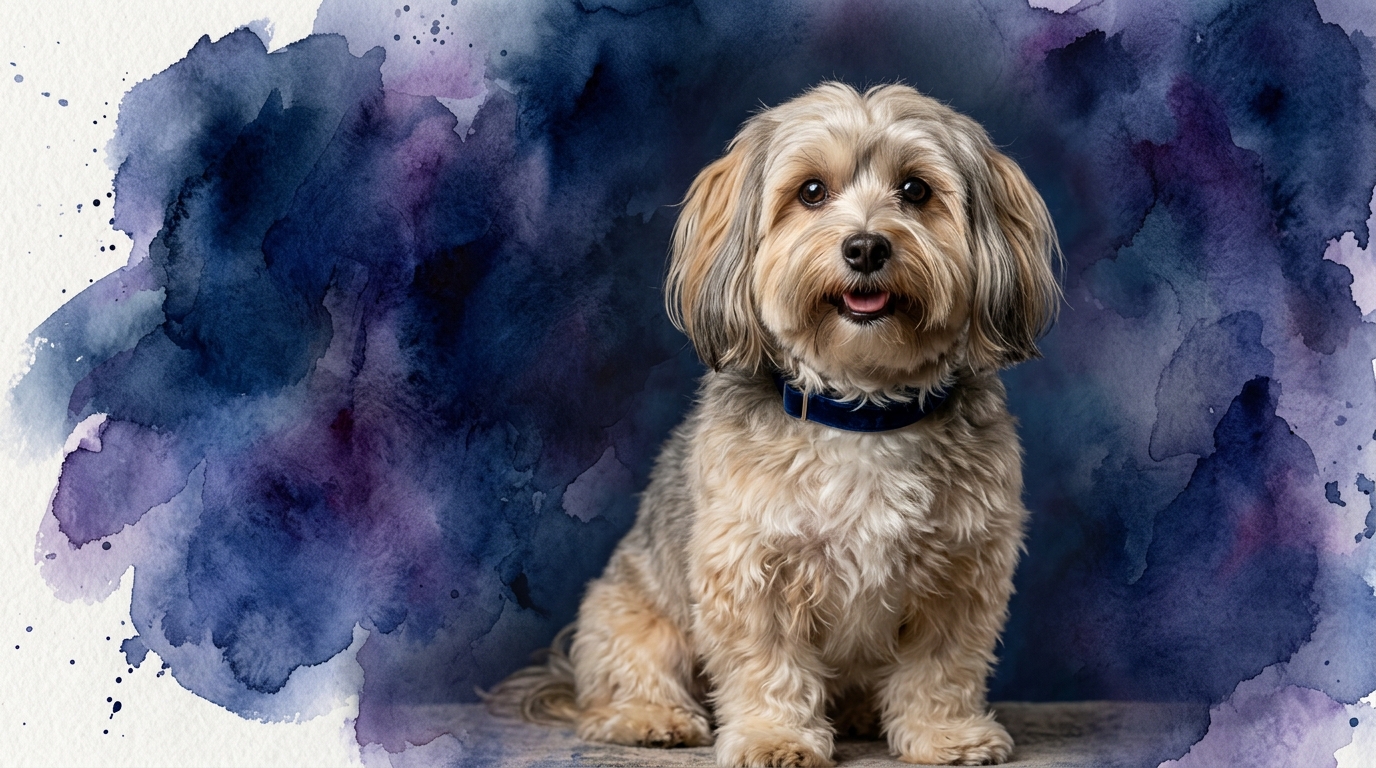
The Pet IQ Lab utilizes five distinct dimensions to map a breed's cognitive landscape, moving beyond generic labels to provide specific insights. For the Havanese, we observe a Problem Solving score of 3/5, indicating a moderate capacity to navigate novel situations or figure out simple puzzles. Their Training Speed is also 3/5, suggesting they absorb new commands at a steady, consistent pace. A standout feature is their Social Intelligence, scoring an impressive 5/5, which speaks to their exceptional attunement to human emotions and social cues. Their Instinctive Drive is lower at 2/5, meaning they are less driven by primal urges like hunting or territoriality, and their Memory is a solid 3/5, allowing them to retain learned behaviors and routines effectively.
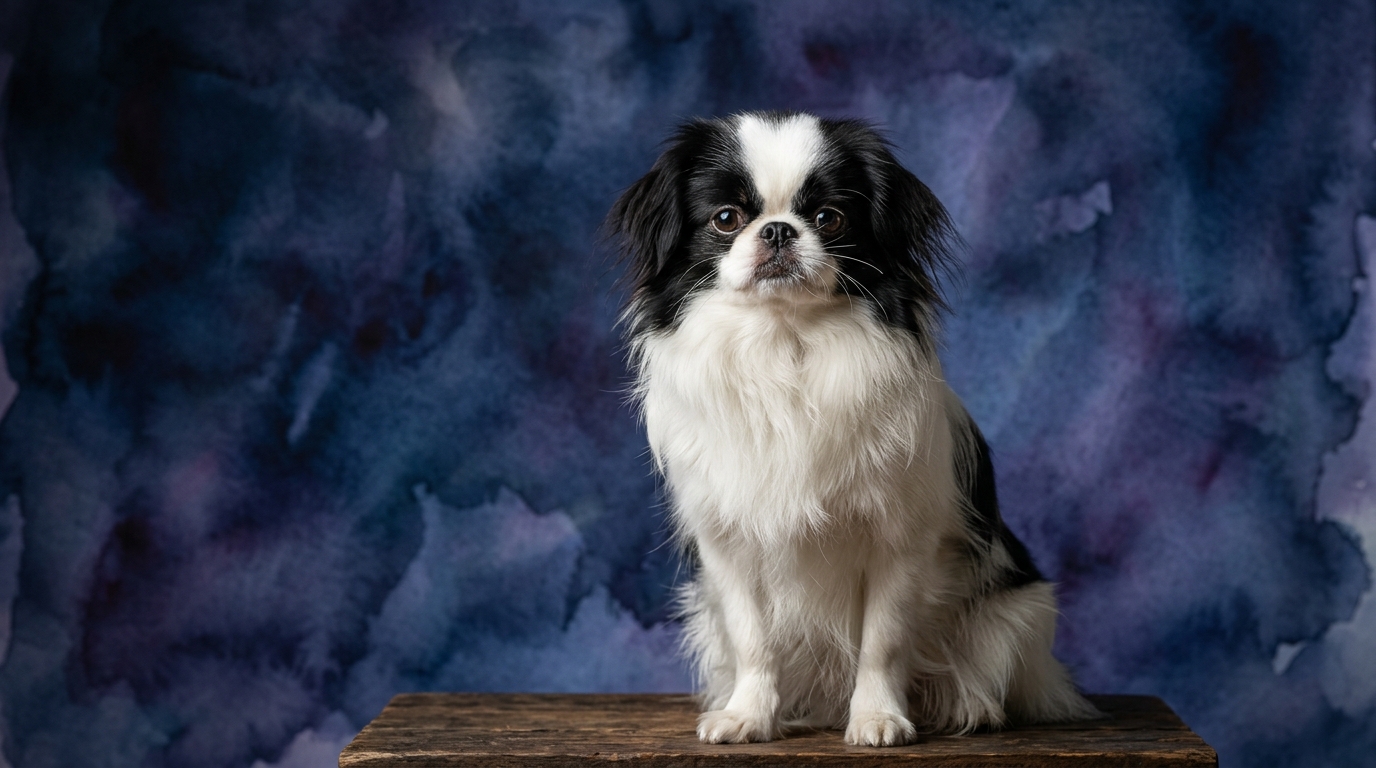
Turning to the Japanese Chin, we find some intriguing similarities and differences. Their Problem Solving ability matches the Havanese at 3/5, indicating a comparable aptitude for basic cognitive challenges. Similarly, their Training Speed is 3/5, suggesting an equivalent learning pace for obedience and tricks. However, a key divergence appears in Social Intelligence, where the Japanese Chin scores 3/5, pointing to a more independent and less overtly people-pleasing nature compared to the Havanese. Their Instinctive Drive is slightly higher at 3/5, hinting at a touch more self-sufficiency or curiosity about their surroundings. Finally, their Memory aligns with the Havanese at 3/5, confirming a reliable capacity for recall.
Where the Havanese Cognitively Excels
The Havanese truly shines in the realm of Social Intelligence, boasting a perfect 5/5 score that sets it apart from many breeds, including the Japanese Chin. This elevated social awareness translates into a profound capacity for emotional connection and responsiveness. A Havanese is often described as an empathic companion, capable of reading subtle shifts in human mood and reacting accordingly, whether by offering a comforting nudge or initiating playful antics to lighten the atmosphere. They are highly motivated by human approval and interaction, making them exceptionally attuned to their family's dynamics and desires. This deep social understanding means they often anticipate their owner's needs and thrive on being an integral, emotionally connected part of the household, often seeking out physical closeness and mirroring emotional states.
This exceptional social acumen also influences their ability to learn and adapt within a family setting. While their Training Speed is moderate, their eagerness to engage and please their human companions amplifies their perceived trainability and willingness to cooperate. They quickly learn household routines and family expectations, not just through repetition, but by understanding the social context and their role within it. This cognitive strength makes them superb therapy dogs or emotional support animals, as their primary drive is often to connect and comfort, using their keen social perception to foster strong, reciprocal bonds.
Where the Japanese Chin Cognitively Shines
The Japanese Chin, while sharing some cognitive traits with the Havanese, distinguishes itself with a slightly higher Instinctive Drive of 3/5 and a more moderate Social Intelligence score of 3/5. This combination suggests a breed that possesses a touch more independent curiosity and self-reliance. While they certainly enjoy human companionship, the Chin's motivation isn't solely derived from pleasing their people; they possess an inner spark of exploration and a capability to entertain themselves. This slightly elevated instinctive drive might manifest as a greater interest in investigating new scents, observing their environment with a detached curiosity, or engaging in quiet, self-directed play.
Their moderate social intelligence means they are affectionate and loyal, but perhaps less overtly 'needy' for constant human reassurance or emotional mirroring. This can be a significant advantage for owners who appreciate a companion that is content to occupy its own space, observing the world with a regal, sometimes cat-like demeanor. The Chin's cognitive makeup allows them to be present and companionable without requiring continuous, intense interaction, providing a balanced presence that is both engaging and unobtrusive. This makes them perfectly suited for those who desire a charming, devoted companion that also respects personal boundaries and can find contentment within its own cognitive world.
Which is Easier to Train, and Why?
When comparing the ease of training between the Havanese and the Japanese Chin, both breeds share a Training Speed score of 3/5, indicating a moderate pace for learning commands. However, the Havanese's superior Social Intelligence (5/5) gives it a distinct advantage in the overall training experience. A Havanese is profoundly motivated by human attention, praise, and the desire to please, making them highly receptive to positive reinforcement. Their keen ability to read social cues means they often pick up on what their owner wants even before a command is fully verbalized, showing an eager willingness to cooperate and engage in training sessions as a collaborative activity. They thrive on interactive learning and respond well to an owner who can make training feel like a fun, bonding experience, often exhibiting a joyful enthusiasm during lessons.
The Japanese Chin, with its 3/5 Social Intelligence, is equally capable of learning but might approach training with a slightly different demeanor. While affectionate and loyal, their motivation is not as singularly focused on pleasing their human. They might display a more independent streak, requiring an owner to find varied and engaging motivators, perhaps incorporating more play or food rewards to maintain their interest. Consistency and patience are key, as the Chin may process commands at the same pace, but their internal drive might not be as overtly geared towards immediate human gratification. Owners might find the Chin occasionally offers a charming, albeit brief, moment of thoughtful consideration before executing a command, rather than the Havanese's more effusive 'can-do' attitude, making the Havanese often feel 'easier' due to their enthusiastic participation.
Suitability for Active vs. Relaxed Owners
The cognitive profiles of the Havanese and Japanese Chin offer clear guidance on their suitability for different owner lifestyles. The Havanese, with its exceptional Social Intelligence (5/5) and lower Instinctive Drive (2/5), is an ideal match for owners who desire a constant, emotionally engaged companion. They thrive on being involved in every aspect of family life, from quiet evenings on the couch to leisurely strolls in the park. Their cognitive makeup makes them seek out interaction and connection, making them less suited for owners who are frequently away or prefer a dog that is largely self-sufficient. An active Havanese owner isn't necessarily one who runs marathons, but rather one who is actively present, engaging their dog in play, conversation, and shared activities, fostering that deep social bond.
Conversely, the Japanese Chin, with its slightly higher Instinctive Drive (3/5) and moderate Social Intelligence (3/5), aligns well with more relaxed owners who appreciate a companion that is affectionate but also possesses a charming independence. While a Chin certainly enjoys attention and companionship, they are often content to observe from a comfortable perch, entertain themselves with quiet play, or simply enjoy their owner's presence without constant demands for interaction. Their cognitive balance allows them to be less prone to separation distress if left alone for reasonable periods, making them suitable for owners with slightly busier schedules who still want a devoted companion. They are not high-energy dogs, but their cognitive independence means they can find contentment in quieter, less intensely interactive environments, making them a wonderful choice for those seeking a graceful, self-possessed presence.
The Verdict
Choose the Havanese if you seek an exceptionally socially intelligent companion who thrives on deep emotional connection and active participation in all family activities, valuing constant interaction and responsiveness. Their empathetic nature makes them an ideal shadow and emotional support.
Opt for the Japanese Chin if you appreciate a charming, affectionate companion with a balanced cognitive profile, offering both devotion and a touch of independent self-possession, perfect for a relaxed owner who values a graceful presence without constant demands for interaction.
🧠 Find Your Pet's IQ Score
Our Pet IQ Lab assessment covers 25+ tests across 5 cognitive dimensions — personalized to your breed.
Take the Full IQ Test →Frequently Asked Questions
Do Havanese or Japanese Chin learn tricks faster?
Both Havanese and Japanese Chin have a Training Speed score of 3/5, suggesting they learn at a moderate, comparable pace. However, the Havanese's higher social intelligence may make them appear more eager and responsive during trick training, as they are highly motivated by human approval and interaction.
Which breed is better at problem-solving?
Both the Havanese and Japanese Chin share a Problem Solving score of 3/5. This indicates they have similar capabilities for navigating simple challenges or learning routines, but neither breed is particularly predisposed to complex puzzle-solving or intricate strategic thinking.
Is one breed more prone to separation anxiety due to their intelligence?
The Havanese, with its 5/5 Social Intelligence, is deeply attuned to its human family and thrives on constant companionship, making it potentially more prone to separation distress if left alone for extended periods. The Japanese Chin, with its 3/5 Social Intelligence and slightly higher Instinctive Drive, tends to be more self-contained and might tolerate alone time better, though neither breed should be left isolated for excessive durations.