Side-by-Side IQ Profile
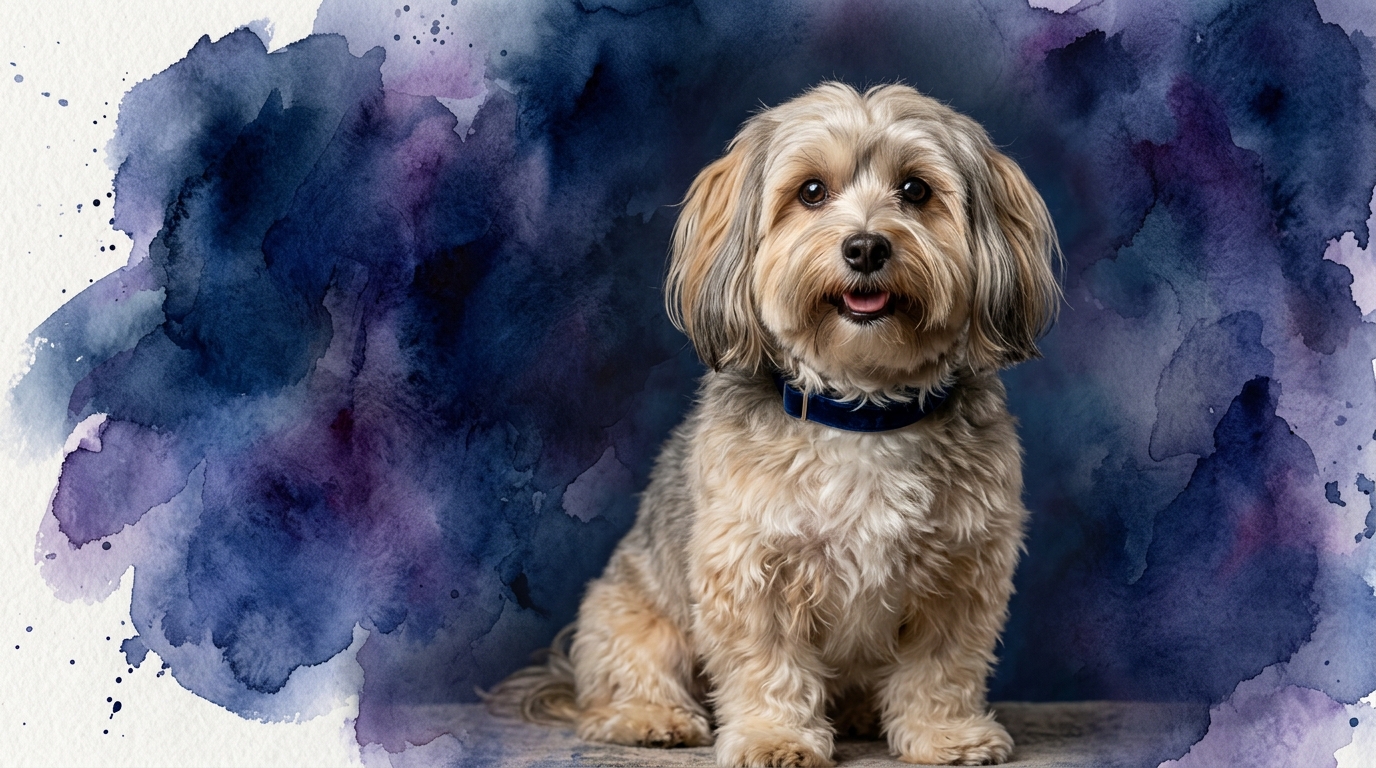
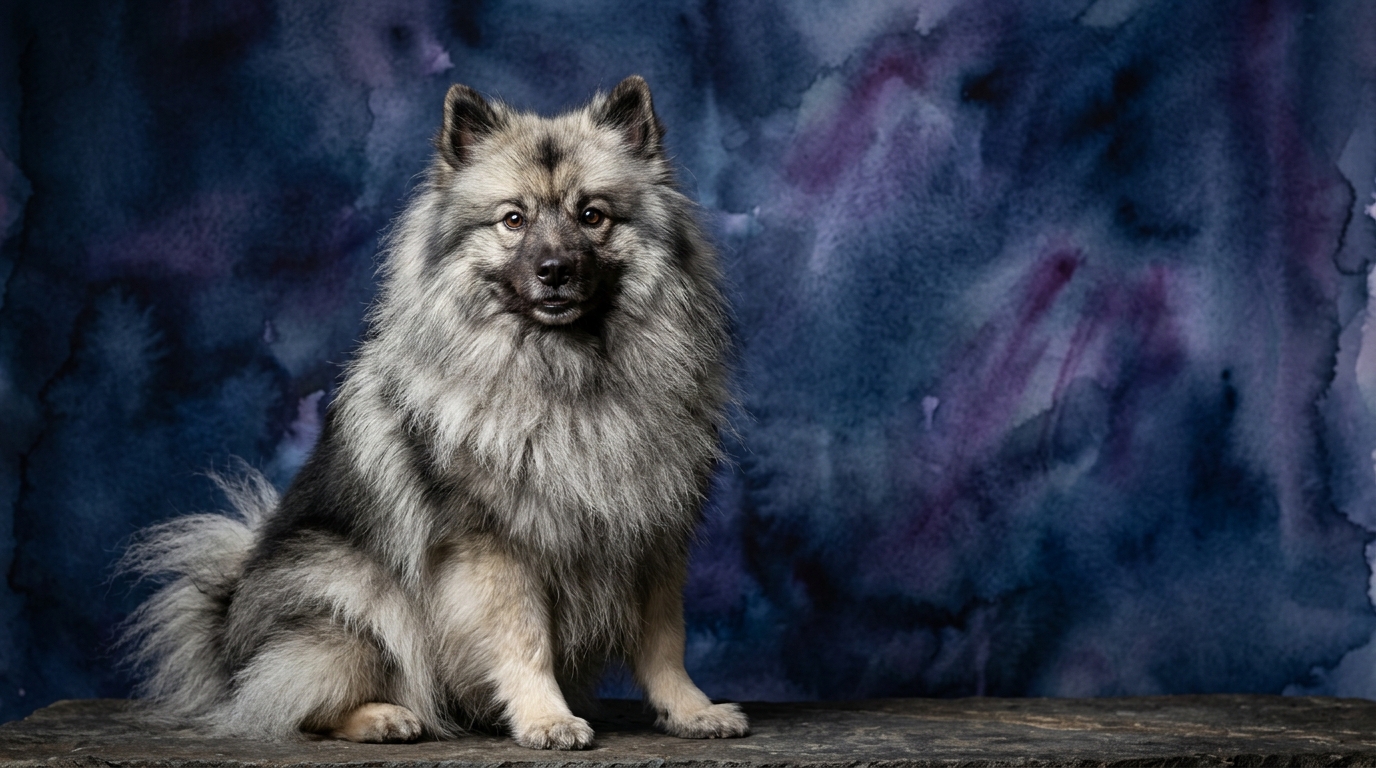
The Cosmic Pet Pet IQ Lab employs a five-dimensional framework to assess canine intelligence, providing a nuanced understanding of each breed's cognitive strengths. For the Havanese, this profile highlights a charming blend of moderate learning capabilities and exceptional social acumen, while the Keeshond presents a portrait of sharp intellect, quick learning, and remarkable recall.
**Havanese IQ Breakdown:** Problem Solving (3/5) – The Havanese demonstrates a moderate capacity for independent thought and navigating novel situations. While capable of figuring out simple puzzles, they may rely more on human guidance for complex challenges. Training Speed (3/5) – This breed picks up new commands at a steady pace, responding well to consistent, positive reinforcement. They learn reliably but aren't typically the quickest to master intricate sequences without repetition. Social Intelligence (5/5) – A true standout, the Havanese possesses exceptional social acumen, readily understanding human emotions and intentions. They excel at communication within their family unit and thrive on close companionship. Instinctive Drive (2/5) – Their inherent drives, such as hunting or guarding, are relatively low. This means they are less prone to acting on deep-seated instincts like chasing small animals or territorial barking. Memory (3/5) – The Havanese has a solid, average memory, retaining learned behaviors and routines effectively. They remember people and places well, contributing to their strong bonds with their families.
**Keeshond IQ Breakdown:** Problem Solving (4/5) – The Keeshond exhibits a strong aptitude for problem-solving, often devising creative solutions to obstacles. They enjoy mental challenges and can independently navigate their environment with purpose. Training Speed (4/5) – With a quick grasp of concepts, Keeshonden learn new tasks rapidly and demonstrate a keen eagerness to engage in training sessions. Their ability to connect cause and effect makes them efficient learners. Social Intelligence (3/5) – While affectionate and family-oriented, the Keeshond's social intelligence is more focused on their immediate human pack rather than a broad understanding of nuanced social cues from strangers. They are observant but less overtly empathetic than some breeds. Instinctive Drive (3/5) – Possessing a moderate instinctive drive, Keeshonden retain some of their ancestral guarding instincts and a moderate prey drive. They are alert and can be vocal, reflecting their historical role as watchdogs. Memory (5/5) – The Keeshond's memory is exceptional, allowing them to recall complex sequences, past experiences, and learned commands with remarkable accuracy over long periods. This contributes to their consistent performance in training.
Where Havanese Wins Cognitively
The Havanese truly shines in the realm of social intelligence, scoring a perfect 5/5. This breed possesses an innate ability to read and respond to human emotions, making them extraordinarily attuned companions. Their exceptional social cognition means they often anticipate their owner's needs or moods, offering comfort or initiating play at just the right moment. This profound empathy fosters deep, reciprocal bonds, making them highly responsive to subtle cues and excellent emotional support animals.
Furthermore, their lower instinctive drive (2/5) means they are less prone to independent, instinct-driven behaviors like excessive digging, chasing, or territorial aggression, which can be a cognitive win for owners seeking a less driven and more compliant indoor companion. Their contentment in close proximity and lower need for intense mental stimulation from complex tasks reflects a cognitive profile geared towards harmonious domestic life, valuing companionship over independent activity.
Where Keeshond Wins Cognitively
The Keeshond demonstrates superior cognitive abilities in several key areas, particularly in problem-solving (4/5), training speed (4/5), and memory (5/5). Their elevated problem-solving capacity means they are adept at navigating complex environments, figuring out how to open gates, or strategizing to obtain a coveted toy. This independent thinking, coupled with their quick training speed, places them among the more capable learners, reflected in their Coren rank of #16, indicating a strong understanding of new commands with fewer repetitions.
Their remarkable memory ensures that once a lesson is learned, it is retained for the long term, making their training durable and reliable. The Keeshond's cognitive strengths make them excellent candidates for advanced obedience, agility, or tasks requiring sequential learning and recall, showcasing a mind that thrives on engagement and purposeful activity and enjoys the challenge of mastering new skills.
Which is Easier to Train and Why
When comparing ease of training, the Keeshond generally holds an advantage due to its higher scores in Training Speed (4/5) and Problem Solving (4/5), coupled with an exceptional Memory (5/5). A Keeshond's ability to quickly grasp new concepts and retain them means that training sessions can be more efficient and yield lasting results. They are often eager to engage in learning, understanding the connection between their actions and desired outcomes, which translates into faster acquisition of complex behaviors like multi-step commands or intricate tricks. For instance, teaching a Keeshond a multi-part routine for an agility course might take fewer repetitions than with a Havanese.
The Havanese, with moderate scores in Training Speed (3/5) and Memory (3/5), is certainly trainable and willing to please, but their learning process might require more consistent repetition and patience to solidify new behaviors. Their strong social intelligence, however, makes them highly motivated by positive reinforcement and praise from their beloved humans, which can compensate for a slightly slower initial learning curve by fostering strong cooperation and a desire to please their primary caregivers.
Which Suits Active Owners vs Relaxed Owners
The choice between a Havanese and a Keeshond often hinges on an owner's lifestyle and their capacity to meet a dog's cognitive and physical needs. A Havanese, with its high social intelligence and moderate instinctive drive, thrives with relaxed owners who prioritize companionship and gentle engagement. They are content with moderate daily exercise, such as short walks and indoor play, but their profound need for human interaction means they are best suited for homes where they are not left alone for extended periods.
Their cognitive profile leans towards being a devoted, emotionally responsive companion rather than an independent worker or athlete. Conversely, the Keeshond, with its higher problem-solving aptitude, quicker training speed, and moderate instinctive drive, is better suited for more active owners who can provide consistent mental stimulation and structured activities. They benefit from regular training, puzzle toys, and opportunities for purposeful engagement like canine sports or long, interesting walks that challenge their minds. Their moderate energy levels require more than just a potter around the block; they need outlets for their intelligent, alert nature to prevent boredom and potential behavioral issues.
The Verdict
When seeking an emotionally intuitive companion whose primary drive is deep connection and gentle interaction, the Havanese is an ideal choice for relaxed households.
If your lifestyle thrives on engaging a quick-witted, problem-solving dog keen on learning and participating in structured activities, the Keeshond will be a more fulfilling companion.
🧠 Find Your Pet's IQ Score
Our Pet IQ Lab assessment covers 25+ tests across 5 cognitive dimensions — personalized to your breed.
Take the Full IQ Test →Frequently Asked Questions
Are Havanese difficult to house train?
Havanese have a moderate training speed, meaning consistent, positive reinforcement and a structured routine are key for successful house training. Their desire to please their owners, stemming from high social intelligence, can make them cooperative if methods are clear and patient.
Do Keeshonden bark a lot due to their instinctive drive?
Keeshonden do possess a moderate instinctive drive, which includes an alert nature and historical role as watchdogs, making them prone to barking at perceived threats or novelties. However, with consistent training and appropriate socialization, this behavior can be managed and channeled effectively.
Which breed is better for first-time dog owners based on intelligence?
For first-time owners primarily seeking a devoted, adaptable companion who thrives on social connection, the Havanese's high social intelligence and moderate cognitive demands might be slightly easier. However, if a first-time owner is committed to consistent training and mental engagement, the Keeshond's quick learning and strong memory can also be very rewarding.