Side-by-Side IQ Profile: Unpacking Cognitive Dimensions
At The Cosmic Pet Pet IQ Lab, we assess canine intelligence across five key dimensions, moving beyond simplistic notions of 'smartness' to provide a more granular view of a breed's cognitive strengths. For both the Havanese and the Norwegian Buhund, a closer look at these individual scores reveals distinct predispositions.
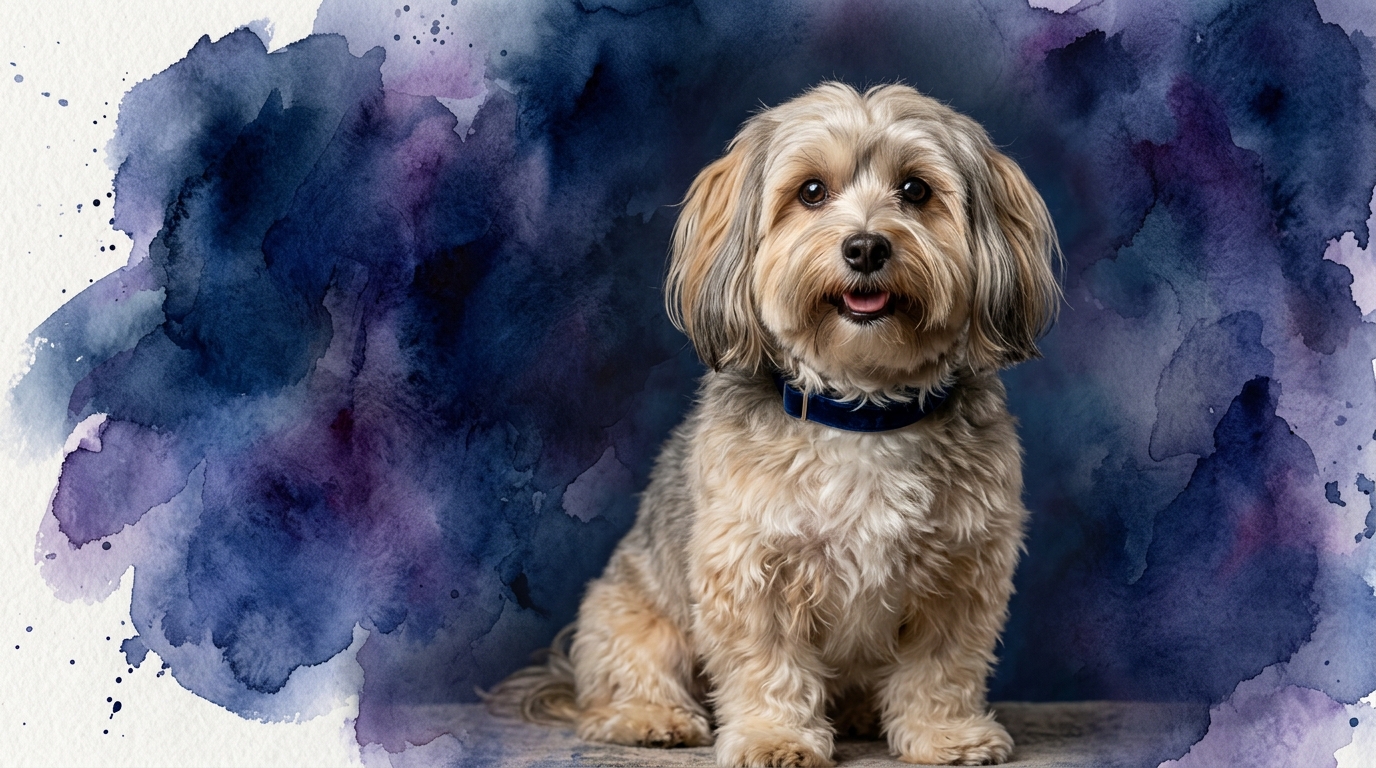
The Havanese, a delightful companion dog, scores a 3/5 in Problem Solving, indicating a moderate ability to navigate novel situations and figure out solutions independently. Their Training Speed also sits at 3/5, suggesting they learn commands and routines at a steady pace with consistent effort. Where the Havanese truly shines is in Social Intelligence, earning a remarkable 5/5, reflecting an exceptional capacity to understand and respond to human emotions and cues. Their Instinctive Drive is a low 2/5, meaning they are less compelled by primal urges like hunting or herding, and their Memory is a moderate 3/5, allowing them to retain learned information effectively over time.
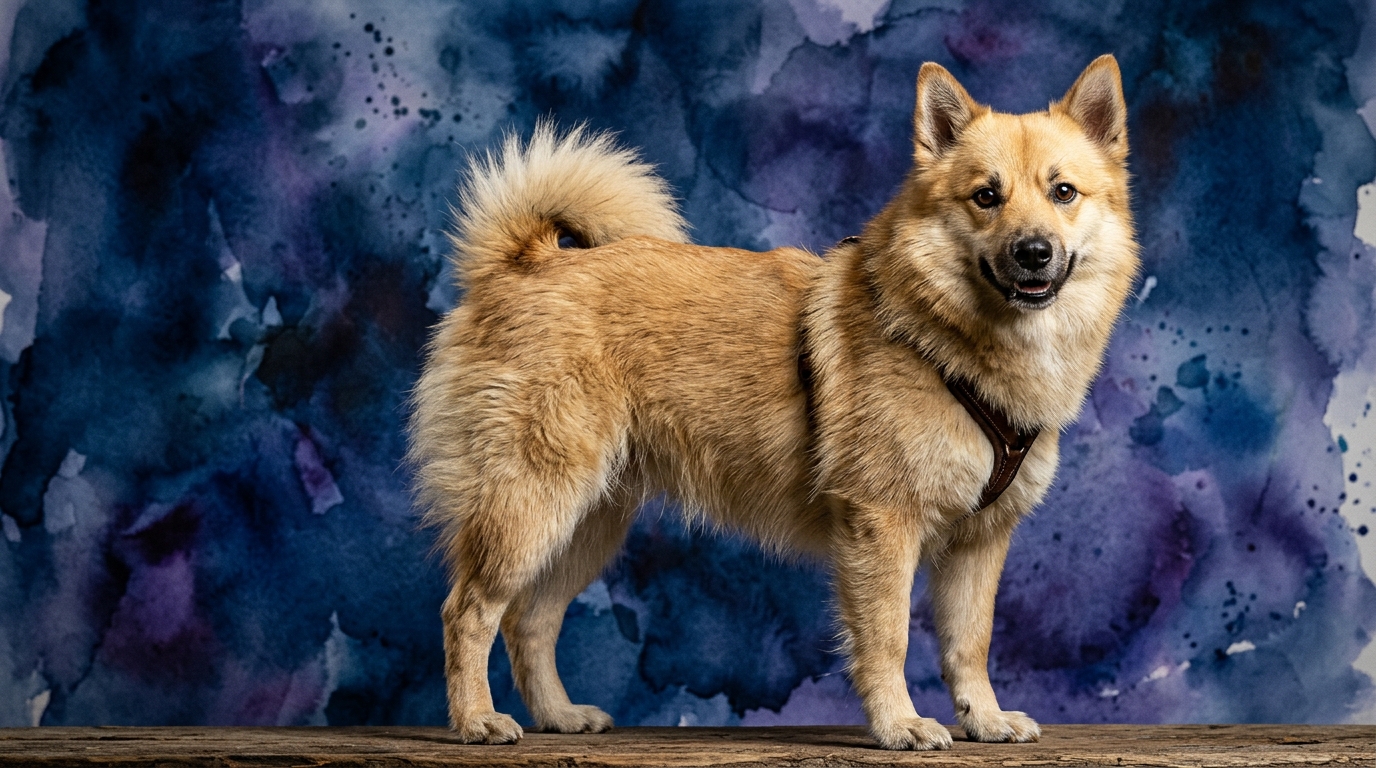
The Norwegian Buhund, a robust herding and farm dog, shares some numerical similarities but with different underlying implications. Like the Havanese, they score 3/5 in Problem Solving, demonstrating a practical aptitude for overcoming challenges, often in a task-oriented manner. Their Training Speed is also 3/5, suggesting a similar learning pace, though often motivated by purpose and engagement. The Buhund’s Social Intelligence is a moderate 3/5, indicating they appreciate companionship and can interact well, but perhaps without the profound emotional attunement seen in the Havanese. Their Instinctive Drive is a solid 3/5, reflecting their herding heritage and a natural inclination towards action and purpose, while their Memory, like the Havanese, is a moderate 3/5, enabling them to recall learned tasks and experiences.
Where Havanese Cognitively Excels
The Havanese’s standout cognitive strength lies unequivocally in their Social Intelligence, scoring a perfect 5/5. This isn't just about being friendly; it signifies a profound capacity for emotional understanding and interpersonal connection. A Havanese can often anticipate an owner's mood, respond with comforting nudges, or adjust their behavior based on subtle human cues, making them exceptionally empathetic companions. This high social intelligence means they are highly attuned to their family's dynamics and thrive on interaction, often seeking to be physically close and involved in household activities.
This exceptional social cognition translates into real-world benefits: Havanese are often remarkably sensitive to their owners' emotional states, making them excellent therapy or emotional support animals. Their desire to connect and understand contributes to their adaptability in various social settings, from bustling family homes to quiet apartments, as long as they receive ample human interaction. They are masters of reading body language and vocal tone, often learning what pleases or displeases their people through observation and association, which can make them seem intuitively compliant in certain social contexts.
Where Norwegian Buhund Cognitively Excels
The Norwegian Buhund’s cognitive advantage, while numerically a smaller difference, manifests significantly in its Instinctive Drive, rated at 3/5 compared to the Havanese’s 2/5. This moderate drive, combined with their herding background, means Buhunds possess a purposeful energy and an inherent desire to engage in meaningful activities. Unlike the Havanese, who are primarily driven by social connection, the Buhund finds satisfaction in tasks, whether it’s herding livestock, participating in dog sports, or simply being given a 'job' around the house.
This elevated instinctive drive means a Buhund is often more self-motivated to explore, patrol, and engage with their environment in a structured way. While their problem-solving score is similar to the Havanese, the Buhund's solutions are often geared towards practical outcomes related to their innate drive, like finding a way to move an object or to get to a specific location. Their cognitive makeup leans towards an active engagement with the world around them, requiring outlets for their physical and mental energy to prevent boredom and redirected behaviors.
Training Dynamics: Which Breed is Easier and Why?
Both Havanese and Norwegian Buhunds share a Training Speed score of 3/5, suggesting they absorb new information at a comparable rate. However, the 'ease' of training often depends less on raw learning speed and more on motivation and cooperation. Here, their differing cognitive profiles create distinct training experiences.
The Havanese, with its exceptional 5/5 Social Intelligence, often appears 'easier' to train for many owners, particularly novices. Their strong desire to please and deep emotional connection to their people provide a powerful intrinsic motivator. They are highly responsive to positive reinforcement, praise, and the sheer joy of interacting with their owner. This breed thrives on collaborative learning and enjoys performing tricks or obedience tasks that strengthen their bond, making them highly receptive to cues and eager to comply. Their lower instinctive drive also means fewer distractions from independent pursuits, allowing them to focus more intently on owner-directed activities.
The Norwegian Buhund, while equally capable of learning at a 3/5 Training Speed, requires a different approach. Their moderate 3/5 Social Intelligence means they value companionship but are less inherently driven by the sole desire to please. Instead, their 3/5 Instinctive Drive means training needs to be engaging, purposeful, and often tied to activities that satisfy their working dog instincts. They excel when given clear tasks and appreciate training that involves problem-solving or physical activity. A Buhund might question the 'why' behind a command or prefer to engage in an activity they deem more rewarding, requiring an owner who can make training stimulating and relevant to their natural drives, rather than relying solely on social connection for motivation.
Lifestyle Suitability: Active Owners vs. Relaxed Owners
Understanding these cognitive profiles is crucial when matching a breed to an owner's lifestyle. The Havanese, with its high Social Intelligence and lower Instinctive Drive, is an ideal companion for owners seeking a deeply connected and emotionally responsive pet, often suiting a more relaxed or indoor-centric lifestyle. While they certainly enjoy play and walks, their primary need is for consistent human interaction and companionship. They are content to be involved in daily family life, whether it's cuddling on the couch, following you from room to room, or engaging in gentle indoor games. Their cognitive makeup makes them adaptable to apartment living, provided their social needs are met.
Conversely, the Norwegian Buhund, with its moderate Social Intelligence but more pronounced Instinctive Drive, thrives with active owners who can provide consistent mental and physical stimulation. This breed needs a 'job' or purposeful activities to channel their energy and cognitive abilities. Owners who enjoy dog sports like agility, herding trials, or even long, engaging hikes will find a willing and capable partner in a Buhund. Their cognitive profile demands more than just companionship; it requires an outlet for their innate drive to work and explore, making them a better fit for households that can offer structured engagement and a consistent routine of activities to satisfy their active minds and bodies.
The Verdict
Choose the Havanese if your primary desire is an exceptionally socially intelligent companion who thrives on deep emotional connection, enjoys a more relaxed pace, and will flourish with abundant human interaction and affection.
Opt for the Norwegian Buhund if you are an active owner seeking a purposeful partner for engaging activities, willing to provide consistent mental and physical stimulation to satisfy a moderate instinctive drive and practical problem-solving aptitude.
🧠 Find Your Pet's IQ Score
Our Pet IQ Lab assessment covers 25+ tests across 5 cognitive dimensions — personalized to your breed.
Take the Full IQ Test →Frequently Asked Questions
Can a Havanese be an effective watch dog?
While their high social intelligence makes them very aware of their surroundings and people, their low instinctive drive means they are more likely to alert you to strangers with barking rather than acting as a protective guard dog. Their primary role is companion, not protector.
Do Norwegian Buhunds require a lot of mental stimulation?
Yes, their moderate instinctive drive and problem-solving abilities mean Norwegian Buhunds benefit greatly from consistent mental stimulation. Activities like puzzle toys, obedience training, and dog sports are crucial to keep their minds engaged and prevent boredom-related behaviors.
Is the Havanese a good choice for first-time dog owners?
Due to their exceptional social intelligence and strong desire to please, Havanese can be an excellent choice for first-time owners who are prepared to provide consistent companionship and positive reinforcement training. Their adaptability and responsiveness make the learning process rewarding for both dog and owner.