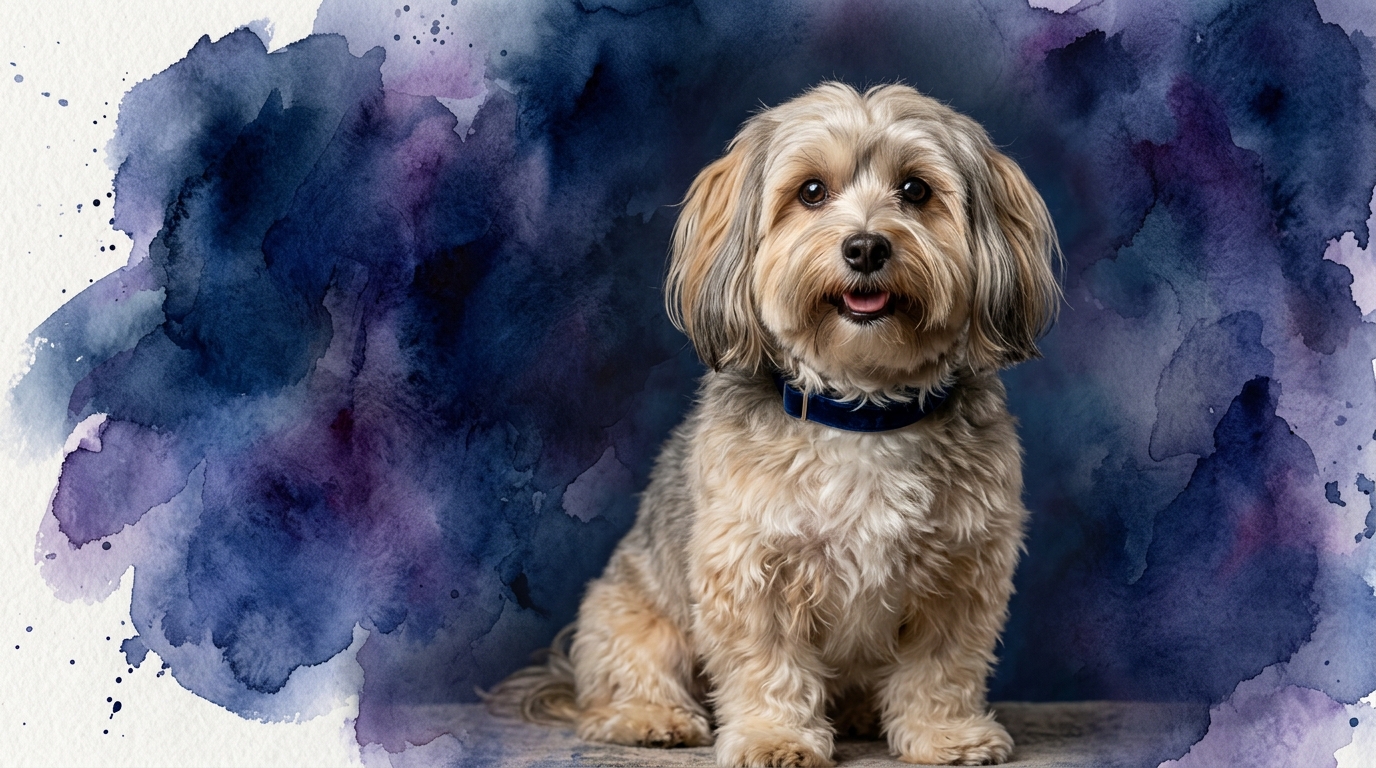
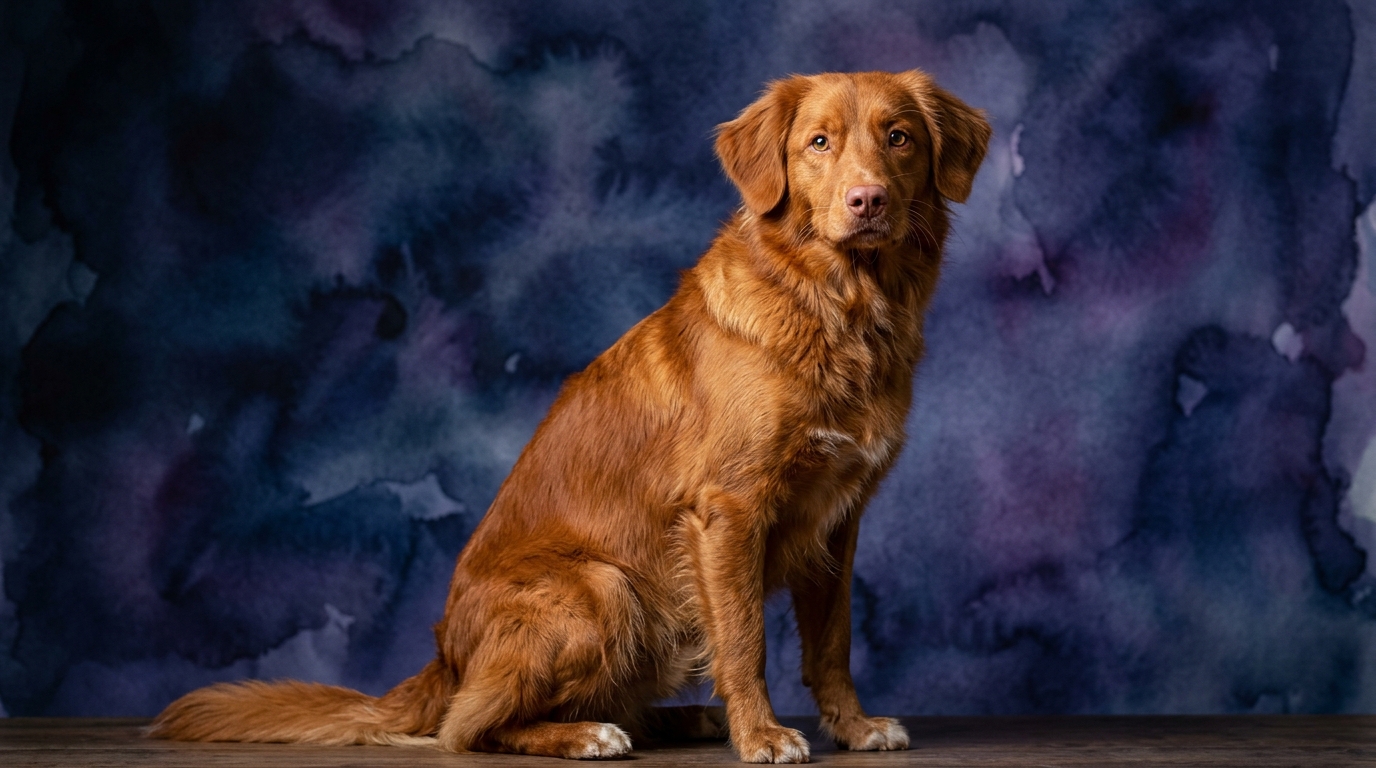
Side-by-Side IQ Profile: Havanese vs. Nova Scotia Duck Tolling Retriever
The Cosmic Pet Pet IQ Lab provides a unique lens through which to understand the distinct mental aptitudes of different breeds. For the Havanese and the Nova Scotia Duck Tolling Retriever (Toller), a detailed breakdown of their cognitive dimensions reveals both surprising similarities and crucial differences.
For the Havanese (Toy Group):
Problem Solving (3/5): This indicates a capable aptitude for navigating novel situations and finding solutions to moderate challenges. They can learn to open simple latches or retrieve specific toys, demonstrating practical cognitive application.
Training Speed (3/5): A rating of 3/5 suggests they grasp new commands and routines at a steady, average pace. They are receptive to instruction and enjoy the process.
Social Intelligence (5/5): This is where the Havanese truly shines, demonstrating exceptional ability to interpret human emotions, body language, and social cues. They are highly attuned to their family's moods, adapting their behavior accordingly.
Instinctive Drive (2/5): Their drive for innate behaviors like hunting, herding, or guarding is relatively low. Their motivation isn't strongly rooted in fulfilling a specific historical working role.
Memory (3/5): A solid 3/5 indicates they retain learned information, commands, and routines reliably over time.
For the Nova Scotia Duck Tolling Retriever (Sporting Group):
Problem Solving (3/5): Like the Havanese, Tollers show a competent capacity for problem-solving. They can figure out how to access desired objects or navigate obstacles, often employing a trial-and-error approach.
Training Speed (3/5): Tollers also learn new tasks and commands at an average rate. They are generally eager to please and respond well to consistent training.
Social Intelligence (3/5): With a 3/5, Tollers possess a good understanding of social dynamics and human communication, but perhaps less nuanced attunement than the Havanese. They are cooperative and form strong bonds.
Instinctive Drive (3/5): Reflecting their sporting heritage, Tollers exhibit a moderate instinctive drive, particularly for retrieving and vocalizing. This drive provides excellent motivation for task-oriented activities.
Memory (3/5): Tollers demonstrate a reliable memory for commands, learned behaviors, and familiar individuals or environments.
Where the Havanese Wins Cognitively
The Havanese distinctly outperforms the Toller in social intelligence, scoring a perfect 5/5 compared to the Toller's 3/5. This higher rating signifies an extraordinary capacity for emotional attunement and reading human social cues. A Havanese is often described as being 'in tune' with their owner's mood, able to offer comfort or solicit play based on subtle shifts in human demeanor. This translates into exceptional adaptability within a family setting, making them highly responsive to changes in routine or household atmosphere. They excel at communicating needs and understanding complex social interactions, often anticipating desires. This superior social acumen allows them to integrate seamlessly, forming deep, empathetic bonds.
Where the Nova Scotia Duck Tolling Retriever Wins Cognitively
While sharing similar scores in problem-solving, training speed, and memory, the Nova Scotia Duck Tolling Retriever holds a cognitive edge in instinctive drive, scoring 3/5 against the Havanese's 2/5. This moderate drive, a direct reflection of their working retriever heritage, means they possess an inherent motivation for specific tasks like fetching, chasing, and using their unique 'tolling' bark. This drive shapes their cognitive approach, making them highly goal-oriented and persistent when engaged in activities that tap into these natural instincts. Their problem-solving, though rated equally, often manifests with a stronger directed purpose, such as figuring out the most efficient way to retrieve an object. This inherent motivation means they are more readily engaged by structured activities that mimic their historical role, showcasing cognitive tenacity.
Which is Easier to Train and Why
Both breeds share a 3/5 rating for training speed, suggesting they grasp new concepts at a comparable pace. However, the Havanese's superior social intelligence (5/5) often makes them *feel* easier to train for many owners, particularly in home-based obedience and trick training. Their profound ability to read human cues means they are highly motivated by pleasing their owner and understanding expectations through subtle body language and vocal tone. This keen attunement helps bridge communication gaps, making them exceptionally responsive to positive reinforcement and eager to collaborate, viewing training as an extension of their social bond.
Conversely, while the Toller also learns efficiently (3/5 training speed) and is eager to work, their 3/5 social intelligence means they might rely less on subtle human cues and more on clear, consistent commands and rewards tied to their task-oriented nature. Their 3/5 instinctive drive can be a double-edged sword; it provides strong motivation for retrieving but can also lead to distractions if training isn't engaging enough or if the environment offers more stimulating alternatives. For a Toller, training might be perceived more as a job, requiring a handler who understands how to channel their inherent drive into productive learning, whereas the Havanese approaches training more as a cooperative, social engagement. Therefore, while both are capable learners, the Havanese's cognitive predisposition for social connection can make the training journey feel more intuitive and less effortful for a typical pet owner.
Which Suits Active Owners vs. Relaxed Owners
The Havanese, with their high social intelligence (5/5) and lower instinctive drive (2/5), is an excellent match for more relaxed owners who prioritize companionship and indoor activities. Their cognitive makeup thrives on close human interaction and being an integral part of family life. While they enjoy walks and play, their physical and mental stimulation needs are generally met through interactive games, short strolls, and simply being with their people. They are less likely to become restless or destructive if their day primarily revolves around social engagement rather than rigorous physical challenges. Their strong social bond means they are content to cuddle or participate in quiet family moments, making them ideal for individuals or families seeking an emotionally responsive and adaptable companion.
The Nova Scotia Duck Tolling Retriever, on the other hand, is distinctly suited for active owners. Their moderate instinctive drive (3/5) and sporting heritage mean they possess a deep-seated need for physical and mental engagement that goes beyond casual play. They excel in activities like retrieving games, dog sports such as agility or dock diving, and long hikes or runs. Their problem-solving abilities (3/5) are often best utilized when directed towards a 'job.' An owner who can consistently provide outlets for their cognitive and physical energy will find the Toller to be a highly engaged and satisfied companion. Without sufficient stimulation, their inherent drives can lead to boredom, manifesting in undesirable behaviors.
The Verdict
For those seeking an exceptionally empathetic and socially attuned companion who thrives on close interaction and adapts seamlessly to a relaxed home environment, the Havanese is the ideal choice.
If your lifestyle is active and you desire a cognitively driven partner for outdoor adventures, dog sports, and fulfilling a working breed's inherent purpose, the Nova Scotia Duck Tolling Retriever will be a rewarding addition.
🧠 Find Your Pet's IQ Score
Our Pet IQ Lab assessment covers 25+ tests across 5 cognitive dimensions — personalized to your breed.
Take the Full IQ Test →Frequently Asked Questions
Do Havanese and Tollers have similar memory capabilities?
Yes, both the Havanese and the Nova Scotia Duck Tolling Retriever score 3/5 in memory, indicating they reliably retain learned commands, routines, and experiences over time. This means both breeds can be taught a variety of skills and will remember them consistently.
Which breed is better at understanding human emotions?
The Havanese clearly excels in understanding human emotions, with a social intelligence score of 5/5, compared to the Toller's 3/5. Havanese are remarkably attuned to their owners' moods and often respond with comforting or engaging behaviors based on subtle cues.
Does a Toller's higher instinctive drive make them harder to manage?
A Toller's 3/5 instinctive drive means they have a natural inclination for tasks like retrieving and vocalizing, which, if not channeled, can manifest as high energy or specific behaviors. This drive makes them highly motivated for structured activities but requires consistent mental and physical engagement from their owners to manage effectively.