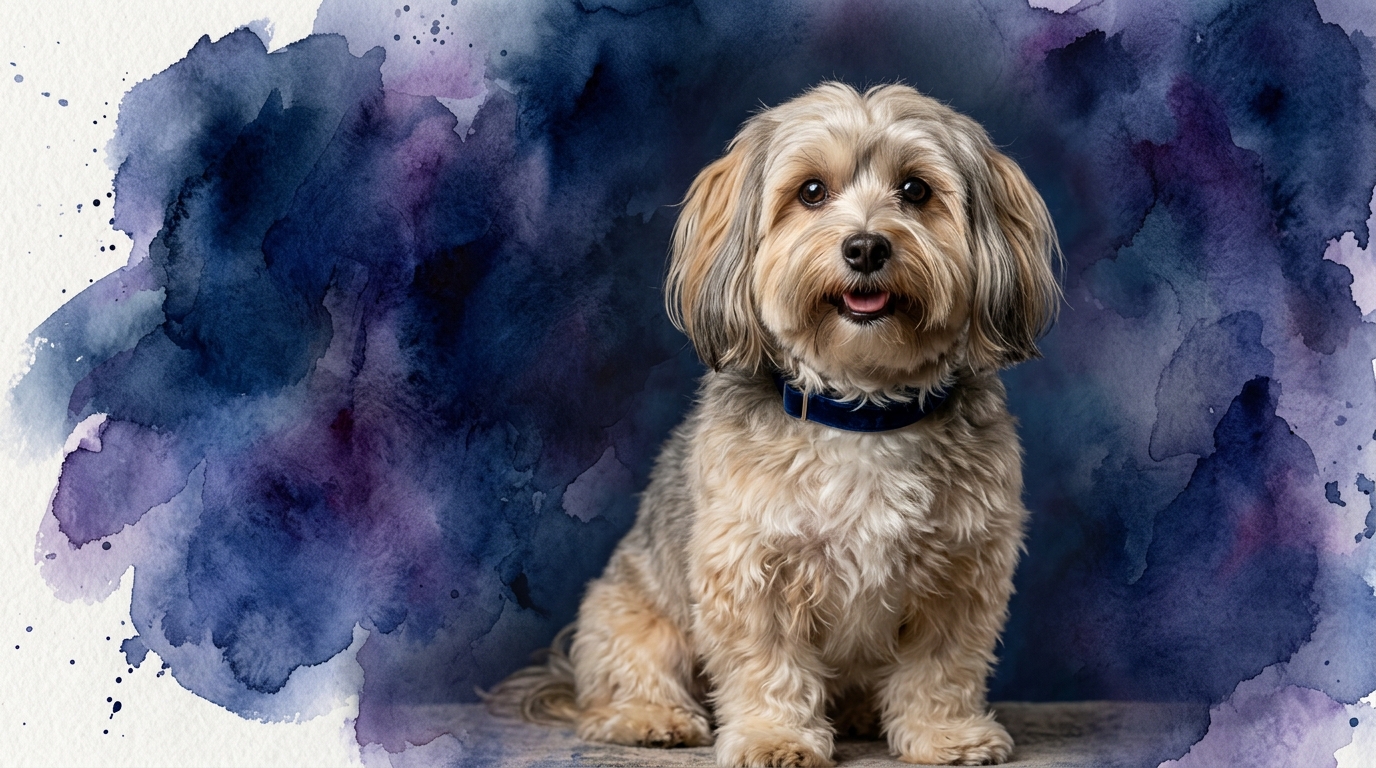
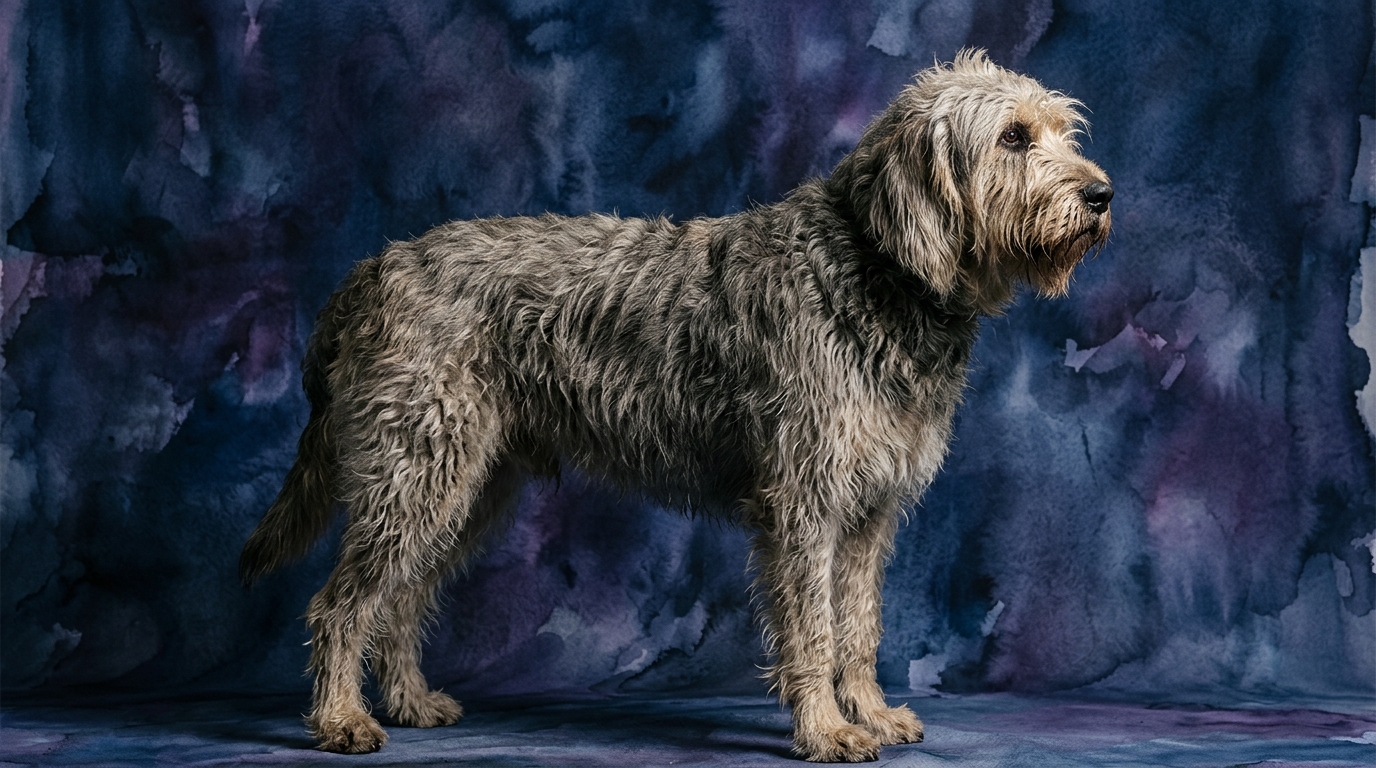
Side-by-Side IQ Profile
The Cosmic Pet Pet IQ Lab employs a nuanced framework to assess canine intelligence, moving beyond simple rankings to detail five distinct cognitive dimensions. For the Havanese, a Toy breed, their Problem Solving is rated at 3/5, indicating an average ability to navigate novel challenges and puzzles, often relying on their handlers for guidance rather than independent strategizing. Training Speed also sits at 3/5, suggesting they grasp new commands at a moderate pace, typically requiring consistent, positive reinforcement methods. Where the Havanese truly shines is in Social Intelligence, earning a perfect 5/5; these dogs are exceptionally attuned to human emotions and social cues, thriving on interaction and connection. Their Instinctive Drive is a low 2/5, meaning their inherent prey drive or patrolling instincts are minimal, making them less prone to independent hunting or wandering. Finally, their Memory is a solid 3/5, allowing them to retain learned behaviors and routines effectively over time.
In contrast, the Otterhound, a member of the Hound group, presents a profile reflecting its working heritage. Its Problem Solving score matches the Havanese at 3/5, indicating a similar capacity for tackling cognitive hurdles, though perhaps with a different approach, often driven by scent. Training Speed also aligns at 3/5, suggesting an average rate of learning new commands, which can sometimes be influenced by their independent hound nature. The Otterhound's Social Intelligence is rated 3/5, indicating they are capable of forming strong bonds and understanding human cues, but without the profound, almost intuitive connection seen in the Havanese. Their Instinctive Drive is a moderate 3/5, reflecting a pronounced drive for tracking and scent work, a cornerstone of their breed's purpose. Like the Havanese, their Memory is rated 3/5, ensuring they can recall complex scent trails and learned behaviors.
Where Havanese Wins Cognitively
The Havanese demonstrates a clear cognitive advantage in the realm of social interaction and adaptability to a companion lifestyle. With a remarkable 5/5 in Social Intelligence, they possess an unparalleled ability to read and respond to human emotions, making them exceptionally empathetic and intuitive companions. This deep social awareness translates into a dog that not only understands verbal cues but often anticipates a handler's desires, fostering a truly symbiotic relationship that few breeds can match. Furthermore, their lower Instinctive Drive of 2/5 means they are less compelled by independent urges like scent-tracking or chasing small animals, which translates to a greater focus on their human family and a reduced likelihood of wandering off or becoming absorbed in environmental distractions. This cognitive profile makes them inherently more inclined to seek out and engage with their people, simplifying daily interactions and reducing the need for constant management of strong innate drives. Their cognitive strengths are perfectly aligned with a life of close companionship, where emotional connection and responsiveness are paramount.
Where Otterhound Wins Cognitively
While the Havanese excels in social nuances, the Otterhound's cognitive strengths lie in its balanced, robust profile, particularly its moderate Instinctive Drive of 3/5, which is a significant asset in its intended role. This drive, rooted in centuries of scent-tracking work, gives them an inherent motivation for exploration and problem-solving within their environment, especially when a scent trail is involved. While it can present training challenges in a pet home, it also means the Otterhound possesses a tenacious focus and stamina for tasks that engage their primary sense. Unlike the Havanese's lower drive, the Otterhound's moderate drive provides an intrinsic internal motivation for structured activities like nose work, tracking, or long exploratory walks, tapping into their natural cognitive inclinations. Their consistent 3/5 scores across Problem Solving, Training Speed, Social Intelligence, and Memory suggest a well-rounded and resilient mind, capable of adapting to various situations with a steady, rather than highly specialized, cognitive toolkit. This balanced intelligence, combined with their moderate drive, makes them formidable and enduring partners for specific, demanding activities.
Which Is Easier to Train and Why
When it comes to ease of training, the Havanese generally presents a smoother path for most pet owners, primarily due to their superior Social Intelligence. Despite both breeds sharing a 3/5 Training Speed score, the Havanese's exceptional ability to understand and align with human intentions, combined with their strong desire to please, makes them highly receptive to instruction. They actively seek engagement and positive feedback, which are powerful motivators in training. Their lower Instinctive Drive (2/5) also means fewer competing internal urges; they are less likely to be distracted by a compelling scent or the urge to chase, allowing them to remain focused on the task at hand. This cognitive predisposition to social connection and lower distraction makes them more amenable to learning basic obedience and even complex tricks in a home environment.
The Otterhound, while equally capable of learning (3/5 Training Speed), can present more challenges due to its moderate Instinctive Drive (3/5) and slightly lower Social Intelligence (3/5). Their strong scent drive means they are often more interested in the olfactory world around them than in human directives, leading to a tendency to follow their nose rather than a command. Training an Otterhound often requires more patience, consistency, and creative methods to redirect their innate hunting instincts. While they form strong bonds, their social intelligence isn't as acutely focused on anticipating human desires, meaning they might require clearer, more direct instructions. Owners must work to make training more rewarding than the allure of an interesting scent, and managing their independent hound nature requires a firm yet gentle approach, understanding that their "stubbornness" is often just their instincts at play.
Which Suits Active Owners vs. Relaxed Owners
The Havanese is an ideal companion for relaxed owners seeking a devoted, low-key indoor partner. Their low Instinctive Drive (2/5) means they are content with moderate daily exercise, such as short walks or indoor play, and do not possess a relentless urge to explore or hunt. Their exceptional Social Intelligence (5/5) translates into a dog that thrives on close human companionship, happy to cuddle on the couch, participate in family activities, or simply observe from a lap. They are generally adaptable to various living situations, including apartments, provided they receive consistent social interaction. For owners who prioritize emotional connection, a calm home environment, and a dog that is readily available for affection, the Havanese's cognitive profile is a perfect match.
Conversely, the Otterhound is best suited for active owners who understand and can cater to its working dog heritage. Their moderate Instinctive Drive (3/5) necessitates significant physical and mental stimulation, including long walks, hikes, or opportunities for scent work and tracking games. These dogs possess a natural drive to explore and follow their noses, making them less ideal for a sedentary lifestyle where their cognitive needs for environmental engagement are unmet. While their Social Intelligence (3/5) ensures they bond with their family, they are not typically content to be purely lapdogs; they need purpose and activity. Owners who enjoy outdoor adventures, have a secure yard, and are prepared to engage in regular, stimulating activities that tap into the Otterhound's natural drives will find a rewarding and robust companion.
The Verdict
Choose the Havanese if you prioritize an exceptionally socially attuned companion who thrives on close emotional connection and requires less intense physical or instinctual outlets in daily life.
Opt for the Otterhound if you are an active owner prepared to embrace and channel a dog's moderate instinctive drives, enjoying outdoor adventures and engaging in activities that stimulate their robust, balanced cognitive profile.
🧠 Find Your Pet's IQ Score
Our Pet IQ Lab assessment covers 25+ tests across 5 cognitive dimensions — personalized to your breed.
Take the Full IQ Test →Frequently Asked Questions
Does the Havanese's high social intelligence make them prone to separation anxiety?
Their deep social connection (5/5) means Havanese dogs truly thrive on human companionship, and while not all will develop separation anxiety, their strong attachment makes them more susceptible if not accustomed to alone time gradually from a young age. Early training and enrichment are key to preventing over-reliance.
Can an Otterhound live happily in an apartment despite its hound nature?
While possible, an Otterhound in an apartment would require an exceptionally dedicated owner committed to providing extensive daily exercise and mental stimulation outside the home to satisfy its moderate instinctive drives and balanced cognitive needs. Without sufficient outlets, they may become restless or destructive.
How do their memory scores (both 3/5) impact their daily lives?
A 3/5 memory score for both breeds indicates a reliable capacity to remember routines, commands, and experiences, allowing them to learn and retain information for practical purposes. This means both can be taught complex sequences, but neither possesses an "eidetic" memory that would make them exceptionally quick to master every detail instantly.