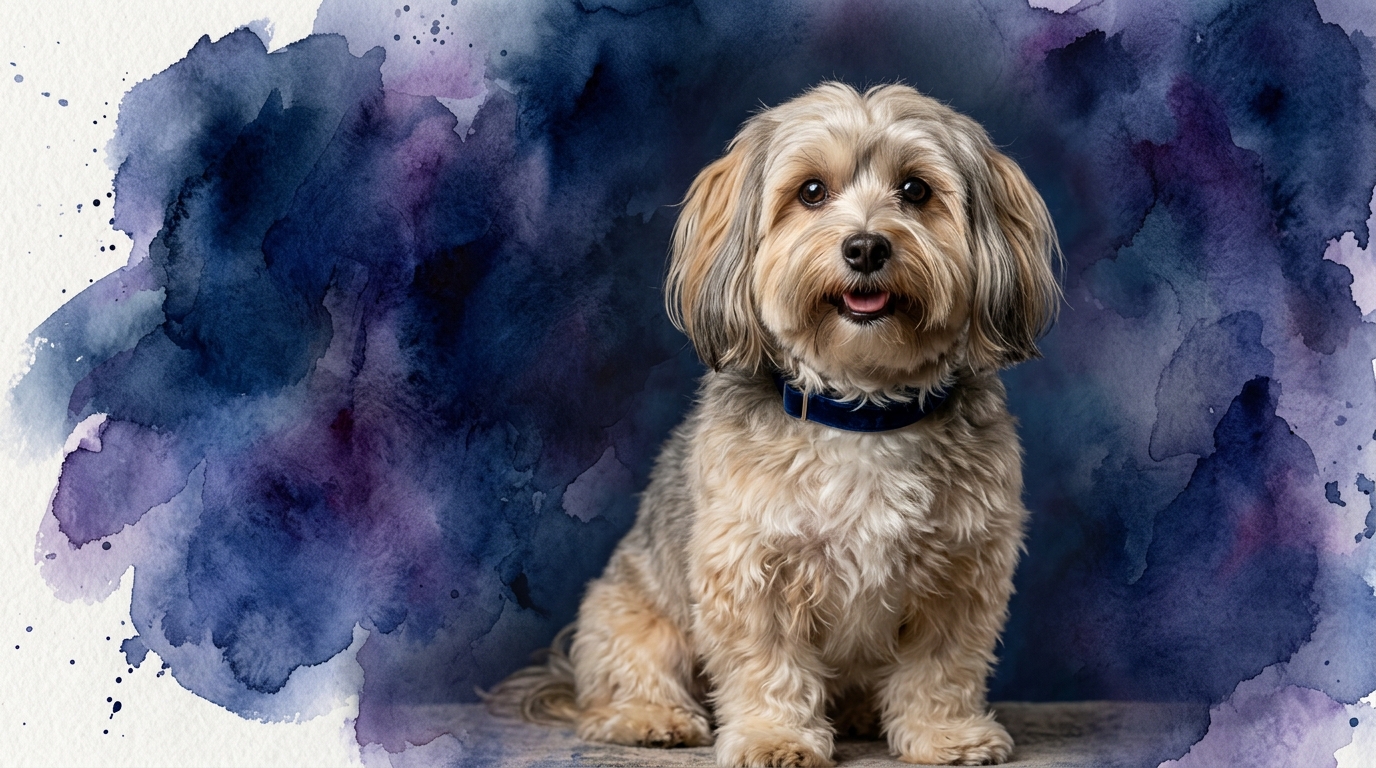
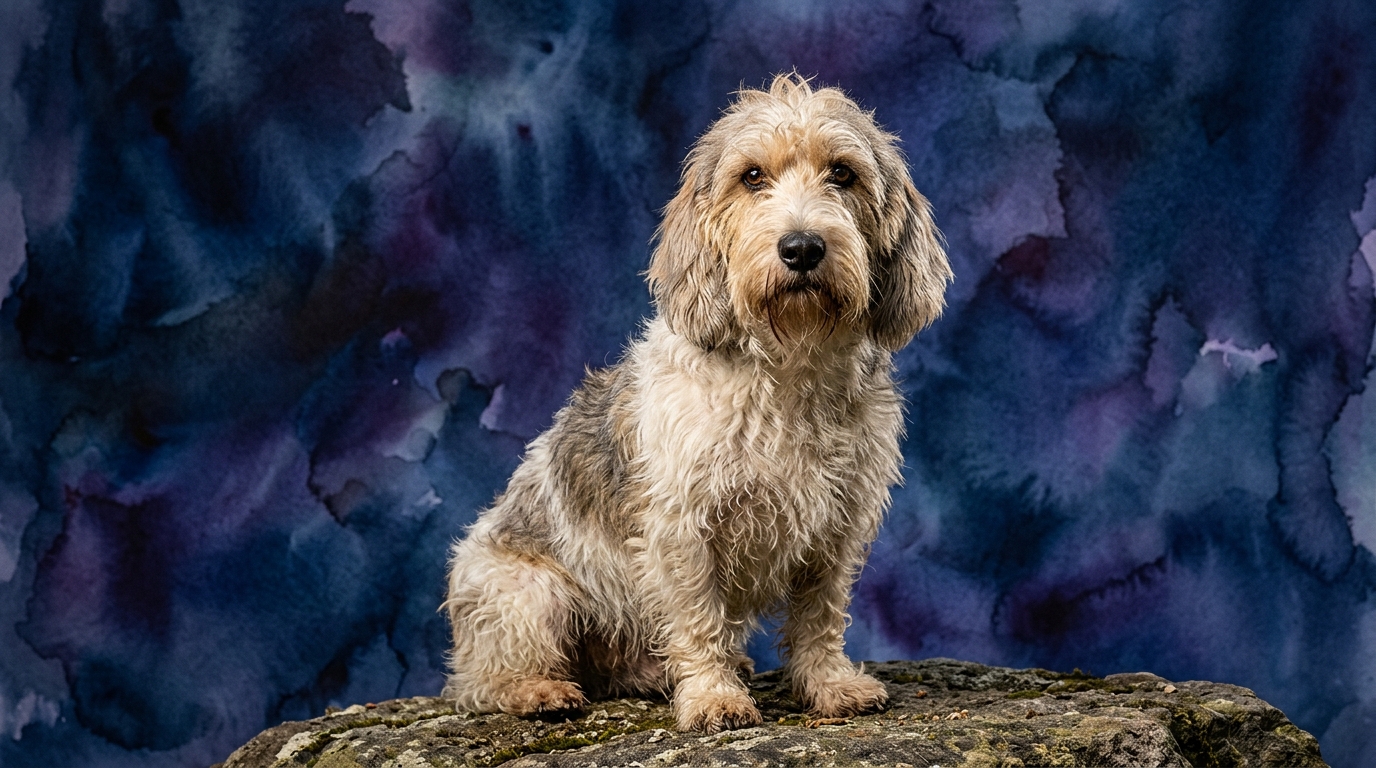
Side-by-Side Cognitive Profiles: Havanese vs. Petit Basset Griffon Vendéen
**Havanese Cognitive Profile:** The Havanese demonstrates a solid, practical approach to problem-solving within its domestic sphere (Problem Solving 3/5). They are adept at navigating common household obstacles, understanding how to access preferred toys, or even subtly communicating needs to their humans. While not typically strategizing complex escape routes, they can learn multi-step sequences for tricks or puzzles, often leveraging their social intelligence to “ask” for help or guidance. This breed exhibits a commendable capacity for learning new commands and routines, neither exceptionally fast nor particularly slow (Training Speed 3/5). They respond positively to consistent, reward-based training methods, forming strong associations between actions and outcomes, showing steady progress. Their exceptional cognitive strength lies in Social Intelligence (5/5), where they possess a profound attunement to human emotions, intentions, and subtle social cues, often anticipating a change in mood or activity. This allows them to seamlessly integrate into family dynamics, offering comfort, soliciting play, or simply adjusting their demeanor to match the household’s rhythm. The Havanese carries a relatively low instinctive drive (2/5), reflecting their history as companion dogs. Their prey drive is minimal, and they typically show little inclination for independent hunting, tracking, or guarding behaviors, with primary motivation stemming from social connection. They possess a reliable memory (3/5) for routines, learned commands, and the faces and places associated with their daily lives, sufficiently robust to maintain consistent behavior and recall learned skills over time, especially when reinforced through positive experiences.
**Petit Basset Griffon Vendéen (PBGV) Cognitive Profile:** The PBGV shares a similar practical problem-solving score with the Havanese (Problem Solving 3/5), but their approach is often flavored by their hound heritage. They can figure out how to open gates, navigate complex terrain to follow a scent, or access interesting items. Their problem-solving might be more independently driven, focused on satisfying their innate curiosities or accessing sensory experiences, sometimes leading them to “solve” a problem in a way that might not align with human expectations, such as finding a way through a fence. PBGVs can learn commands at a moderate pace, similar to the Havanese (Training Speed 3/5). However, their independent nature and strong instinctive drives can sometimes make them appear less eager to comply, not due to lack of understanding, but rather a prioritization of external stimuli. Consistent, positive reinforcement is crucial, and training sessions often require creativity to maintain their focus. PBGVs are friendly, outgoing, and enjoy interaction with their human families (Social Intelligence 3/5), but their social intelligence is typically directed outward, towards the environment and other dogs, as much as it is towards nuanced human emotional states. They connect warmly with people and enjoy being part of the family, but may be less acutely attuned to subtle shifts in human mood. This is a defining characteristic of the PBGV: a robust scent drive (Instinctive Drive 3/5), a deep-seated instinct to follow interesting smells that can override other considerations. Their history as hunting dogs means they are naturally inclined to explore, track, and vocalize when on a trail. PBGVs demonstrate a solid memory (3/5), particularly for scent trails, familiar routes, and the locations where interesting things have happened. They can recall commands and routines, though their application of these memories might be influenced by their strong instinctive drives.
Where Havanese Wins Cognitively
The Havanese truly shines in the realm of social intelligence, scoring a remarkable 5/5. This means they possess an exceptional capacity to read and respond to human emotions and intentions, making them incredibly intuitive companions. Their ability to anticipate a change in a family member's mood or to offer comfort without explicit prompting is a distinct cognitive advantage, fostering deep bonds and seamless integration into family life. Furthermore, their lower instinctive drive (2/5) can be seen as a cognitive win within a domestic context. This translates to fewer instances where their attention is irrevocably diverted by external stimuli like tempting scents or distant movements, allowing for more consistent focus on human interaction and instruction, and generally resulting in a more predictable household companion.
Where Petit Basset Griffon Vendéen Wins Cognitively
The Petit Basset Griffon Vendéen's cognitive strengths are deeply rooted in their historical purpose, particularly evident in their robust instinctive drive (3/5). This isn't just about physical energy; it signifies a highly developed cognitive system geared towards scent detection, tracking, and independent exploration. Their minds are wired to process complex olfactory information, making them adept at following trails and discerning subtle environmental cues that other breeds might miss. This specialized cognitive ability makes them exceptionally well-suited for scent work, tracking sports, or simply navigating varied outdoor environments with purpose. While this drive can present training challenges, it is a clear cognitive advantage for tasks requiring independent initiative and persistent sensory engagement.
Which is Easier to Train and Why
Despite both breeds scoring a 3/5 in training speed, the Havanese generally presents as an easier dog to train for general obedience and household manners, largely due to their superior social intelligence and lower instinctive drive. A Havanese is often intrinsically motivated by the desire to please their human and thrives on positive social interaction, making them highly receptive to instruction. Their deep attunement to human cues means they are often more focused on their handler, less distracted by environmental factors, and quick to understand what is being asked of them. In contrast, while the PBGV is capable of learning, their powerful instinctive drive to follow scent can frequently override their focus on human commands. A compelling scent trail can make a PBGV temporarily “deaf” to instruction, requiring more creative and persistent training strategies to maintain engagement and ensure compliance, especially in distracting outdoor environments. Their independence, while a strength for their original purpose, necessitates a different approach to training consistency.
Which Suits Active Owners vs. Relaxed Owners
The Havanese is an ideal match for more relaxed owners who prioritize companionship and a dog deeply attuned to their emotional state. Their moderate energy levels and profound social intelligence mean they thrive on being central to family life, enjoying indoor play, short walks, and ample cuddle time. They excel in environments where their human connection is paramount, making them perfect for individuals or families seeking an emotionally responsive and generally low-maintenance activity partner. Conversely, the Petit Basset Griffon Vendéen is best suited for active owners who relish outdoor adventures and are prepared to engage their dog's formidable instinctive drives. PBGVs require substantial mental and physical stimulation, thriving on long walks, scent games, and opportunities to explore varied terrains. Owners who enjoy hiking, scent work, or simply have the time and energy to provide consistent, engaging outdoor activities will find a PBGV a rewarding, albeit sometimes challenging, companion.
The Verdict
Choose the Havanese if you prioritize an emotionally intuitive companion dog deeply attuned to your moods and family dynamics, seeking a joyful presence primarily motivated by social connection.
Opt for the Petit Basset Griffon Vendéen if you are an active owner eager to engage a dog with a robust, independent spirit and a keen drive for scent-based exploration and outdoor adventures.
🧠 Find Your Pet's IQ Score
Our Pet IQ Lab assessment covers 25+ tests across 5 cognitive dimensions — personalized to your breed.
Take the Full IQ Test →Frequently Asked Questions
Does a Havanese's high social intelligence mean they are prone to separation anxiety?
A Havanese's exceptional social intelligence does make them very attached to their human family, which can, if not managed, contribute to separation anxiety. However, with proper early training focused on independence and gradual desensitization to being alone, many Havanese adapt well to their owners' schedules. It's about nurturing their social nature while building confidence.
How does the PBGV's instinctive drive impact their behavior at home?
The PBGV's strong instinctive drive means they are naturally curious and driven by scent, which can manifest as persistent sniffing, “nose to the ground” exploration, and a tendency to roam if not securely contained. Owners often observe them being quite vocal, emitting characteristic “hound howls” or barks when excited or on a perceived trail, which requires managing in residential settings. Providing ample mental stimulation through scent work can help channel this drive constructively.
Are Havanese and PBGVs suitable for first-time dog owners?
The Havanese, with its adaptable nature and desire to please, is generally a good choice for first-time owners who are committed to consistent positive reinforcement and managing their social needs. The PBGV, while friendly, might be more challenging for a novice due to its independent hound nature and strong instinctive drives, which require a dedicated owner prepared for consistent training and extensive exercise outlets.