Side-by-Side IQ Profile: Unpacking Cognitive Dimensions
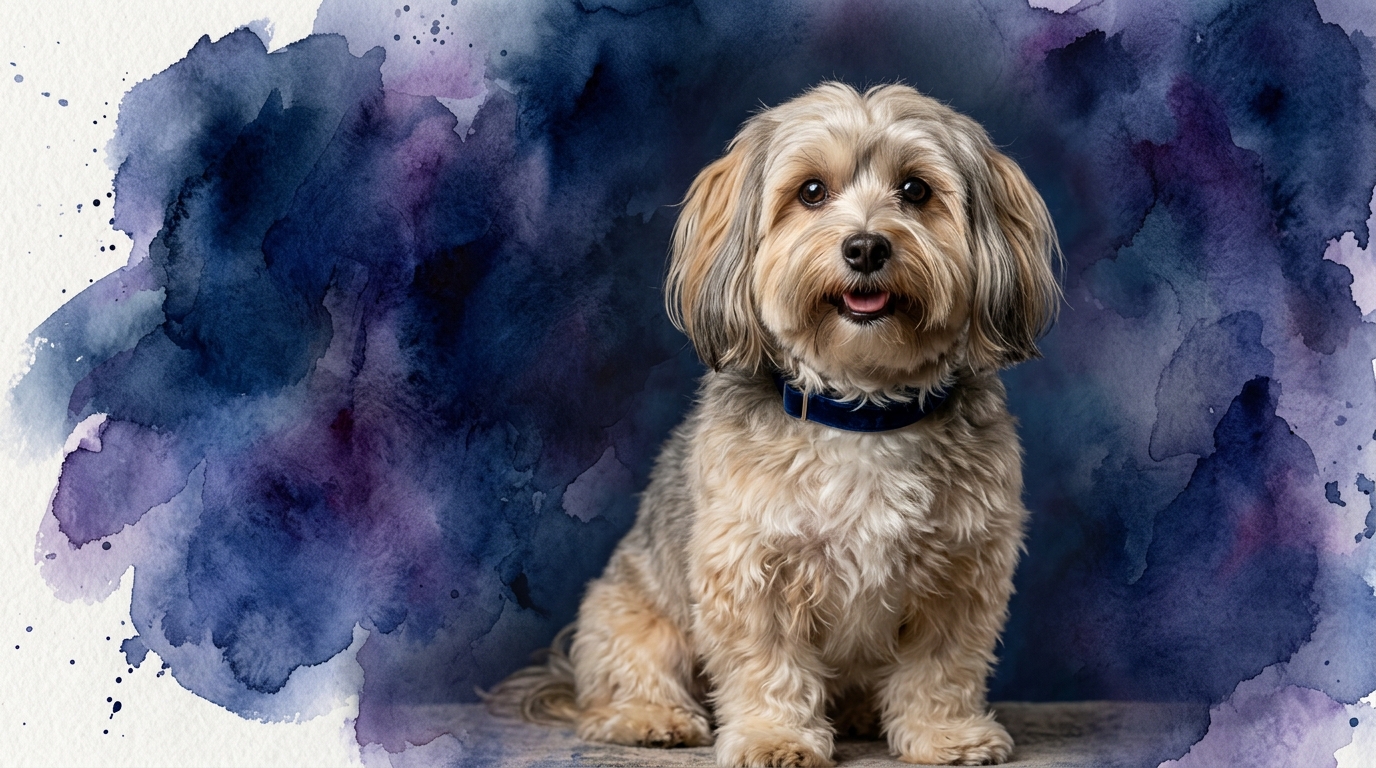
Havanese: The Social Alchemist
Problem Solving (3/5): This indicates a moderate capacity for navigating novel situations. A Havanese might figure out how to retrieve a dropped toy from under furniture or learn a multi-step game, demonstrating a practical intelligence that keeps them engaged. They aren't typically master strategists for complex puzzles, but they can certainly learn to manipulate their environment for desired outcomes.
Training Speed (3/5): Havanese acquire new commands at an average pace. Consistency and positive reinforcement are key; they respond well to clear instruction and gentle guidance. They won't grasp complex sequences in a single session, but with regular practice, they reliably integrate new behaviors into their repertoire.
Social Intelligence (5/5): Here lies the Havanese's true cognitive brilliance. Their exceptional social intelligence means they are profoundly attuned to human emotions, subtle body language, and the nuances of social interaction. They often seem to anticipate their owner's moods, offering comfort or initiating play at just the right moment. This score reflects an innate ability to form deep, reciprocal bonds and seamlessly integrate into the human family dynamic, making them superb emotional support animals and intuitive companions.
Instinctive Drive (2/5): A lower score in instinctive drive suggests their behaviors are less governed by primal urges such like hunting, guarding, or intense territoriality. While they might enjoy a good chase with a toy, they are generally not compelled to roam long distances or pursue small animals with single-minded focus. This makes them relatively amenable to indoor living and less prone to bolting after a scent.
Memory (3/5): Havanese possess an average memory, meaning they retain learned commands, routines, and experiences reasonably well. They remember faces, places, and established house rules, though occasional refreshers for less frequently used commands can be beneficial.
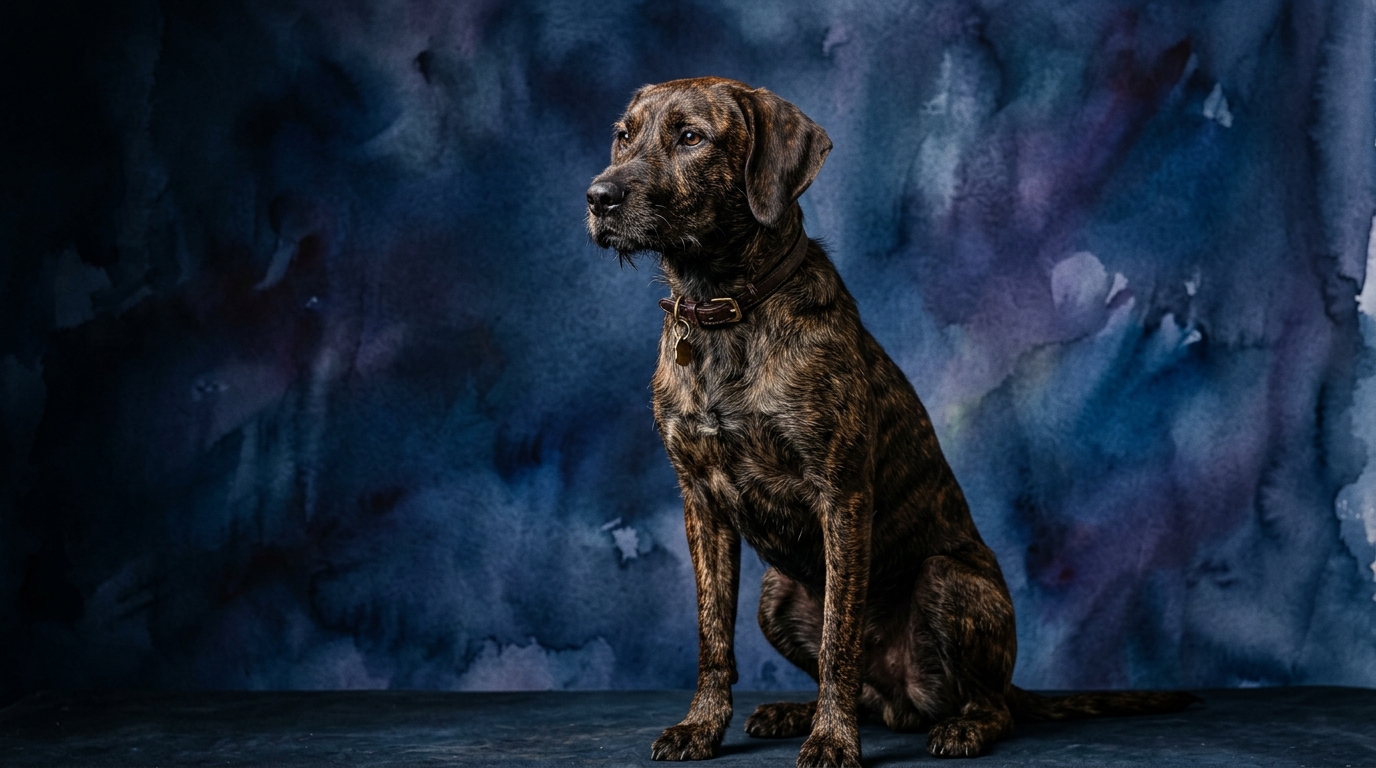
Plott Hound: The Scent-Driven Explorer
Problem Solving (3/5): Like the Havanese, Plott Hounds exhibit a moderate problem-solving capacity. For them, this often manifests in practical ways related to their environment or a "task," such as finding the most efficient path through varied terrain, navigating obstacles while tracking, or figuring out how to access a desired scent source. Their solutions are often driven by their sensory input.
Training Speed (3/5): Plott Hounds learn new commands at an average rate. Their ability to focus during training can be significantly influenced by their environment; a strong scent might divert their attention, requiring a trainer to be particularly engaging and patient. They respond best to training methods that tap into their natural inclinations, such as using scent-based rewards.
Social Intelligence (3/5): Plott Hounds have a moderate social intelligence. They form strong, loyal bonds with their family members and are affectionate, but they might not possess the same intricate understanding of human emotional subtleties as a Havanese. Their social interactions tend to be more straightforward; they appreciate companionship but are less likely to "read" a room or adapt their behavior based on nuanced human emotional states.
Instinctive Drive (3/5): This moderate score is a defining characteristic of the Plott Hound. It reflects a pronounced innate drive for tracking, exploring, and engaging with the world primarily through their sense of smell. This isn't just about physical activity; it's a cognitive strength that involves persistent focus, intricate olfactory processing, and a strong internal motivation to follow a trail to its conclusion. This drive is central to their identity as a hound.
Memory (3/5): Plott Hounds also demonstrate an average memory. They can recall learned commands, routines, and the layout of familiar territories. Their memory is particularly effective for retaining information related to scents and successful tracking experiences, which is crucial for their working heritage.
Where the Havanese Excels Cognitively
The Havanese undeniably shines in the realm of Social Intelligence, scoring a perfect 5/5 compared to the Plott Hound's 3/5. This cognitive advantage means a Havanese is exceptionally adept at interpreting human emotions, subtle vocal inflections, and body language. They possess an almost uncanny ability to "read" their people, often anticipating needs or reacting sensitively to a change in mood. For instance, a Havanese might gently nudge a hand when sensing sadness, or excitedly bring a toy when detecting a playful disposition, without needing direct verbal cues. This profound social attunement allows them to integrate into family life with remarkable seamlessness, making them intuitive companions who often feel like they understand what their humans are thinking. Their interactions are characterized by a deep, reciprocal emotional connection, making them highly responsive to praise and affection, which further reinforces positive social behaviors. This isn't merely about being affectionate; it's a sophisticated cognitive capacity for empathy and social bonding that sets them apart.
Where the Plott Hound Excels Cognitively
Conversely, the Plott Hound demonstrates a notable cognitive strength in its Instinctive Drive, scoring 3/5 compared to the Havanese's 2/5. While this difference might appear modest numerically, its impact on their cognitive processing and behavior is significant. This higher instinctive drive translates into a powerful, innate inclination for tasks associated with their breed's purpose: tracking, scenting, and persistent exploration. For a Plott Hound, this isn't just a physical urge; it's a deep-seated cognitive mechanism that allows them to process and prioritize olfactory information with remarkable efficiency and tenacity. When a Plott Hound catches an interesting scent, their brain actively engages in a complex sequence of analysis, memory recall (of similar scents or trails), and problem-solving to follow that trail, often to the exclusion of other stimuli. This sustained mental focus on a scent, and the unwavering determination to pursue it, represents a distinct cognitive advantage in tasks requiring intense sensory engagement and goal-directed persistence. They excel in environments where these natural drives can be channeled, such as scent work competitions or extensive outdoor exploration.
Training Ease: Social Motivation vs. Instinctive Focus
Both the Havanese and the Plott Hound share an identical Training Speed of 3/5, suggesting they learn new commands at an average pace. However, the ease of training in a typical home environment diverges significantly due to their contrasting social intelligence and instinctive drives. The Havanese, with its outstanding social intelligence (5/5), is generally perceived as easier to train for general obedience and tricks. Their strong desire to please and their profound attunement to human emotional responses serve as powerful motivators. They thrive on praise, attention, and the positive reinforcement that comes from successful interaction with their human. When a Havanese understands what is expected, they are eager to comply because it deepens their social bond and earns them affection. Their lower instinctive drive also means they are less prone to being distracted by environmental stimuli like interesting smells or distant movements, making them more focused during training sessions.
The Plott Hound, while equally capable of learning at an average speed, presents a different training dynamic due to its moderate social intelligence (3/5) and stronger instinctive drive (3/5). Their powerful scenting instinct can be a significant challenge. Once a Plott Hound locks onto an intriguing smell, their cognitive focus shifts almost entirely to tracking that scent, making it incredibly difficult to redirect their attention to a human command. Training a Plott Hound often requires more creativity, patience, and methods that either leverage their natural drives (e.g., using scent games as rewards) or are robust enough to overcome their inherent urge to follow a trail. While they are loyal and capable learners, their independent, scent-driven nature means they might require more consistent, engaging, and perhaps more firm guidance to maintain focus compared to the socially motivated Havanese. Therefore, for an average owner seeking a dog that is readily trainable for domestic manners, the Havanese's social cognitive strengths generally make the process smoother.
Lifestyle Suitability: Companion Comfort vs. Outdoor Adventure
The distinct cognitive profiles of the Havanese and Plott Hound naturally align them with differing owner lifestyles. The Havanese, characterized by its low instinctive drive (2/5) and exceptional social intelligence (5/5), is an ideal fit for owners seeking a devoted, adaptable companion who thrives on close human interaction rather than extensive outdoor excursions. They are content with moderate daily exercise, such as leisurely walks around the neighborhood or energetic indoor play sessions. Their cognitive needs are primarily met through companionship, interactive games, and opportunities for social engagement within the family unit. They excel in environments where their human is present and actively involved, making them perfect for relaxed owners, seniors, or families who spend a good deal of time at home. Their adaptability to apartment living is high, provided their need for attention and mental stimulation through interaction is consistently met.
In contrast, the Plott Hound, with its moderate instinctive drive (3/5) and heritage as a working scent hound, is best suited for active owners who can provide consistent opportunities to engage their natural inclinations. They require more than just a short walk; their cognitive and physical well-being benefits significantly from long hikes, trail runs, scent work, or other activities that allow them to utilize their powerful nose and explore their surroundings. An owner who enjoys outdoor adventures, is willing to commit to regular, vigorous exercise, and can channel the Plott Hound's drive into productive activities will find a loyal and enthusiastic partner. Without adequate mental and physical stimulation, a Plott Hound can become restless or bored, potentially leading to undesirable behaviors. They thrive with owners who understand and appreciate their independent, scent-driven nature and are prepared to integrate this into their daily routine.
The Verdict
If you prioritize a deeply empathetic, socially responsive companion who thrives on close human interaction and adapts seamlessly to a more relaxed indoor lifestyle, the Havanese is an excellent choice. Their cognitive strengths lie in forming profound bonds and understanding subtle human cues, making them intuitive family members.
If you are an active individual or family seeking a robust companion with a strong sense of adventure, who will excel in activities leveraging their exceptional scenting abilities and enjoys regular outdoor exploration, the Plott Hound might be a better fit. Their cognitive strengths are rooted in persistent tracking and sensory engagement with the environment.
🧠 Find Your Pet's IQ Score
Our Pet IQ Lab assessment covers 25+ tests across 5 cognitive dimensions — personalized to your breed.
Take the Full IQ Test →Frequently Asked Questions
Is a Havanese or Plott Hound better for a first-time dog owner?
A Havanese is generally more suitable for first-time owners due to their higher social intelligence and lower instinctive drive, which typically makes them more eager to please and less prone to independent, scent-driven behaviors that require experienced management. Their adaptability and strong desire for companionship make the learning curve gentler.
Do Havanese and Plott Hounds require similar amounts of exercise?
No, they have different exercise needs. Havanese, with lower instinctive drive, are content with moderate daily walks and indoor play, thriving on social interaction. Plott Hounds, with their stronger instinctive drive, require significantly more vigorous and mentally stimulating exercise, such as long hikes or scent work, to satisfy their natural urges.
How do their social intelligence scores impact their interaction with children?
The Havanese's high social intelligence (5/5) means they are often very gentle, patient, and attuned to children's moods, making them excellent family companions who can adapt to the dynamics of a household with kids. A Plott Hound's moderate social intelligence (3/5) means they can be loving family dogs, but might be less inherently sensitive to subtle child cues and their strong drives might require more supervision around very young children.