Side-by-Side Cognitive Profiles
To understand the mental landscape of these two distinct breeds, The Cosmic Pet Pet IQ Lab provides a five-dimensional cognitive profile. This framework allows us to pinpoint specific aptitudes rather than relying on broad generalizations about canine cognition.
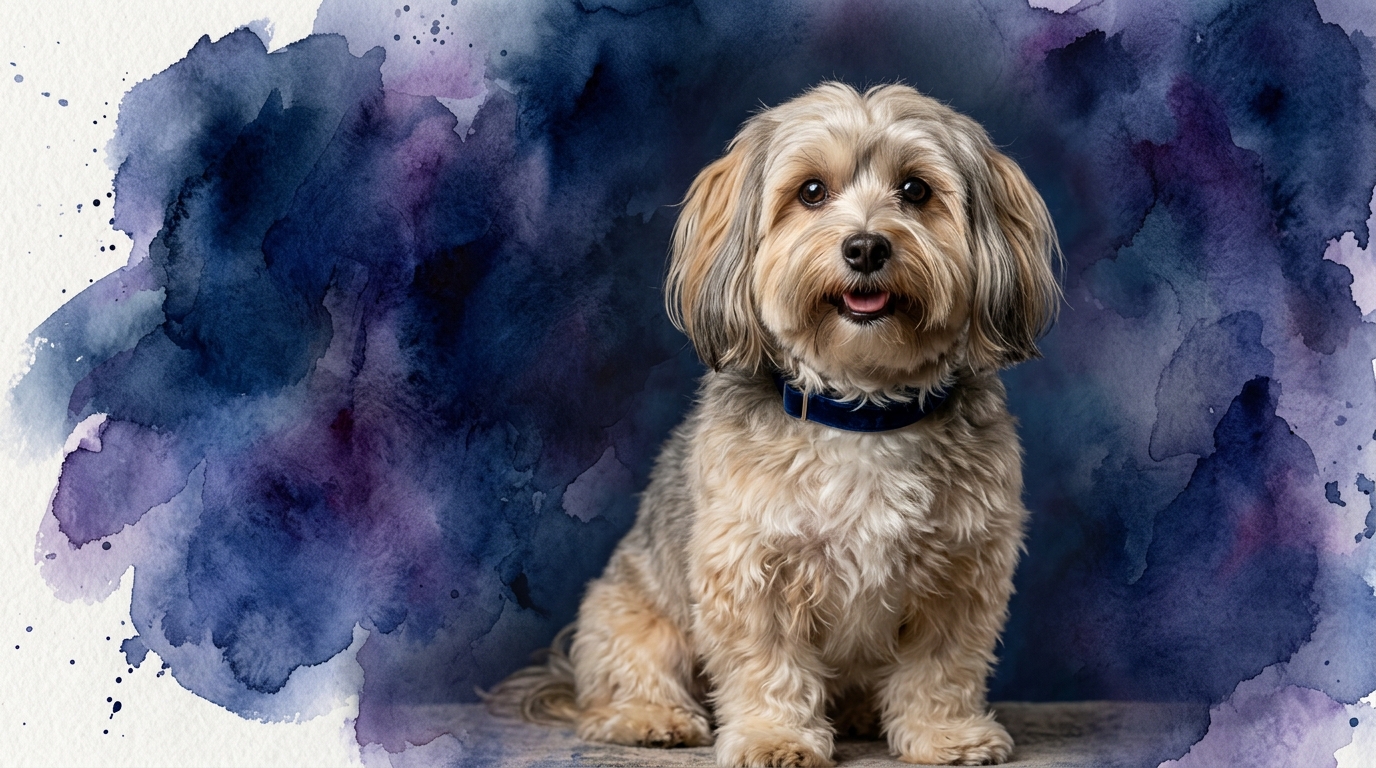
The Havanese, a delightful Toy group member, exhibits a balanced cognitive profile with particular strengths in social interaction. Their Problem Solving is rated 3/5, indicating an average capacity for navigating novel challenges and figuring out solutions independently. Training Speed also sits at a 3/5, suggesting they absorb new commands and routines at a moderate pace. Where the Havanese truly shines is in Social Intelligence, earning a perfect 5/5; this reflects an exceptional ability to read human cues, adapt to social situations, and form strong emotional bonds. Their Instinctive Drive is a modest 2/5, meaning they possess a relatively low inclination for innate behaviors like herding or hunting, making them more focused on their human companions. Finally, their Memory is a solid 3/5, indicating a reliable capacity to recall past experiences and learned behaviors.
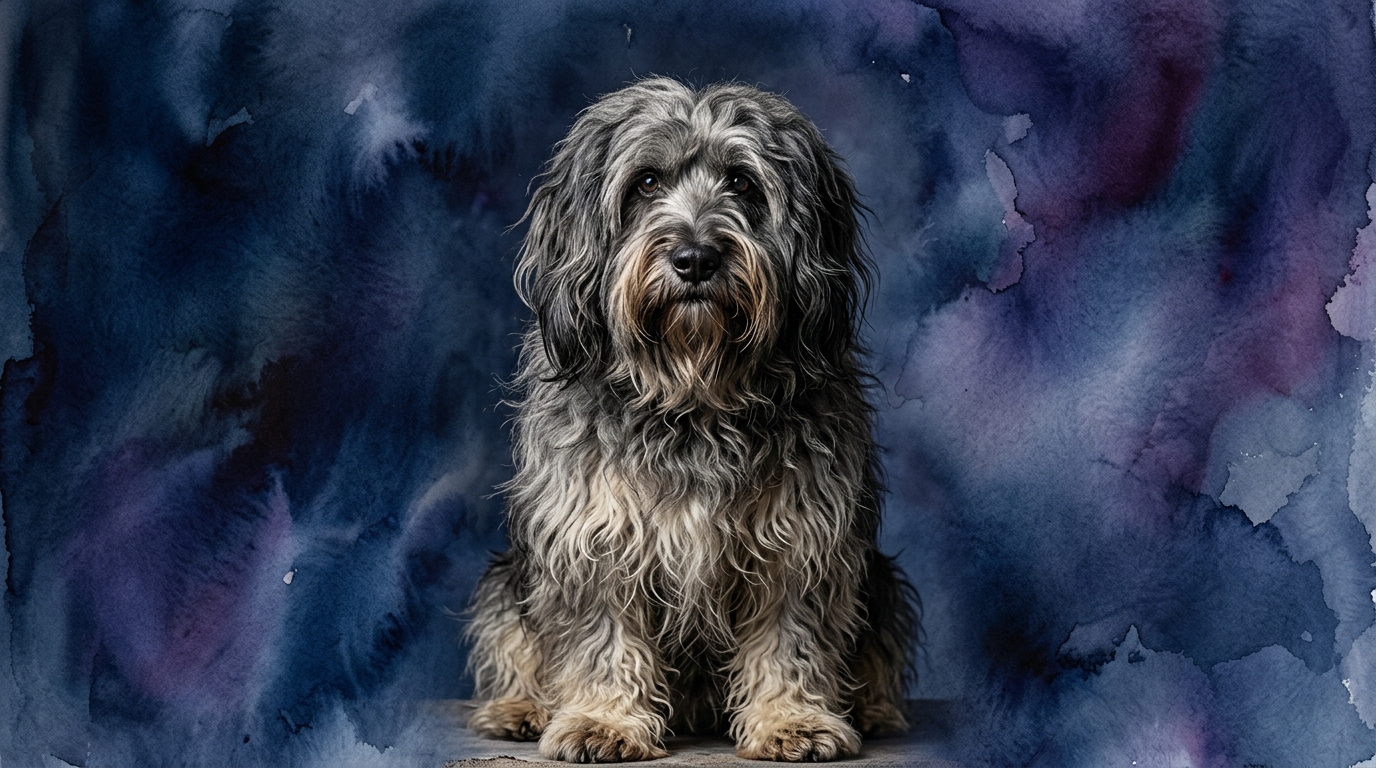
The Polish Lowland Sheepdog (PON), hailing from the Herding group, presents a consistent and capable cognitive makeup. Like the Havanese, their Problem Solving is rated 3/5, demonstrating an average aptitude for independent thought and overcoming obstacles. Their Training Speed also matches at 3/5, suggesting they learn new tasks at a similar moderate pace. The PON's Social Intelligence is rated 3/5, indicating a good but not exceptional ability to interact and bond with humans, often displaying a more independent streak compared to the Havanese. Their Instinctive Drive is a moderate 3/5, reflecting their heritage as working dogs with a natural inclination for herding or guarding tasks. Their Memory, like the Havanese, is rated 3/5, showing a consistent ability to retain information over time.
Where the Havanese Excels Cognitively
The Havanese's most significant cognitive advantage lies in its remarkable Social Intelligence, scoring a 5/5 compared to the Polish Lowland Sheepdog's 3/5. This higher rating means a Havanese is exceptionally attuned to human emotions and social dynamics, making them highly responsive to subtle cues from their owners. They possess an innate ability to understand social hierarchies within a family unit and often seek to please, fostering deep, intuitive connections.
Furthermore, the Havanese's lower Instinctive Drive (2/5 vs. the PON's 3/5) can be a cognitive benefit for many households. While a higher drive is crucial for working breeds, a lower drive in a companion dog translates to less inclination for independent, instinct-driven behaviors like chasing, digging, or herding household members. This makes them inherently more focused on human interaction and less prone to being distracted by environmental stimuli that might activate a strong predatory or herding impulse. Their focus is more readily directed towards their family, simplifying their integration into a home environment as a dedicated companion.
Where the Polish Lowland Sheepdog Shows Its Strengths
While the Havanese excels in social attunement, the Polish Lowland Sheepdog's cognitive strengths are rooted in its working heritage, particularly its Instinctive Drive. At 3/5, their drive is higher than the Havanese's 2/5, indicating a more pronounced natural inclination for purpose-driven tasks. This means a PON often possesses a greater intrinsic motivation to engage in activities that mimic their ancestral roles, such as herding games, scent work, or agility. This drive, when channeled appropriately, can make them highly capable and enthusiastic partners in various dog sports and activities that require sustained mental and physical engagement.
The PON's consistent performance across Problem Solving (3/5), Training Speed (3/5), and Memory (3/5), matching the Havanese, combined with their moderate Instinctive Drive, suggests a robust and versatile working mind. While their Social Intelligence is a solid 3/5, it signifies a more independent nature than the Havanese, which can be advantageous for owners seeking a dog that is self-assured and capable of making decisions within a structured environment. They are less likely to be overly dependent and can thrive with a clear sense of purpose and direction from their human companions, rather than constant emotional validation.
Training Aptitude: Which Breed Offers an Easier Path?
When considering ease of training, the Havanese generally presents a somewhat smoother path, primarily due to their exceptional Social Intelligence (5/5) and lower Instinctive Drive (2/5). Their strong desire to connect and please their human companions means they are often highly motivated by positive reinforcement and social praise. They are more likely to willingly engage in training sessions because the interaction itself is deeply rewarding for them. Their lower instinctive drive also means fewer inherent distractions like a strong urge to herd children or chase small animals, allowing them to maintain focus on the task at hand more readily.
The Polish Lowland Sheepdog, with its 3/5 Social Intelligence and 3/5 Instinctive Drive, requires a slightly different approach. While equally capable of learning (Training Speed 3/5), their moderate independence means they might not always be as eager to please as a Havanese. Their higher instinctive drive means training must often account for and redirect natural herding or guarding tendencies. An owner might find themselves needing to be more creative in making training rewarding and engaging for a PON, perhaps incorporating puzzle toys or task-oriented games. Consistency, clear communication, and understanding their working dog mindset are paramount for successful training with a PON, whereas a Havanese might be more forgiving of a novice trainer.
Matching Breeds to Lifestyles: Active vs. Relaxed Owners
The Havanese is an excellent fit for more relaxed owners or those seeking a constant, affectionate companion within a less demanding lifestyle. Their lower Instinctive Drive (2/5) means they are generally content with moderate daily exercise, such as short walks and indoor play. Their high Social Intelligence (5/5) makes them thrive on close human companionship and they are often happy to curl up beside their owners, participating passively in family activities. They adapt well to apartment living and are less likely to become destructive if their primary need for social interaction is met. Owners who enjoy frequent cuddles, gentle play, and a dog that is always by their side will find the Havanese particularly rewarding.
Conversely, the Polish Lowland Sheepdog is better suited for active owners who can provide consistent mental and physical stimulation. Their moderate Instinctive Drive (3/5) and working dog heritage mean they require more than just a leisurely stroll; they benefit greatly from structured activities like long hikes, agility training, herding games, or obedience work. Without adequate engagement, a PON might invent its own entertainment, which could manifest as barking, digging, or trying to 'herd' family members. Owners who are committed to daily exercise, regular training sessions, and providing a sense of purpose will find the PON to be a loyal and energetic partner. They are not dogs content to be couch potatoes for extended periods and flourish with a job to do, even if that 'job' is participating in dog sports or a vigorous daily play routine.
The Verdict
Choose the Havanese if you prioritize an exceptionally socially attuned companion who thrives on close emotional connection and requires moderate physical activity. Their eagerness to please and lower instinctive drives make them a forgiving and adaptable family member.
Opt for the Polish Lowland Sheepdog if you're an active owner seeking a capable, independent, and purpose-driven canine partner for sports or consistent engagement. Their balanced cognitive profile and moderate instinctive drives respond well to structured training and a stimulating environment.
🧠 Find Your Pet's IQ Score
Our Pet IQ Lab assessment covers 25+ tests across 5 cognitive dimensions — personalized to your breed.
Take the Full IQ Test →Frequently Asked Questions
Are Havanese easily house-trained?
Havanese can be house-trained with consistency and positive reinforcement, similar to most breeds. Their strong social intelligence means they are often eager to please and will respond well to clear guidance from their owners, making the process generally straightforward.
Do Polish Lowland Sheepdogs bark a lot?
Polish Lowland Sheepdogs can be vocal, as their heritage as herding and guarding dogs often includes using their voice to alert or direct. While not excessive for all, potential owners should be prepared for their tendency to bark, especially if not adequately exercised or mentally stimulated.
Which breed is better with children?
Both breeds can be good with children, but their approaches differ. The Havanese's high social intelligence makes them very adaptable and gentle, often seeking to be part of family activities. The Polish Lowland Sheepdog, while loyal, might exhibit herding behaviors with children, requiring supervision and early training to ensure positive interactions.