Side-by-Side IQ Profile: Unpacking Canine Cognition
The Cosmic Pet Pet IQ Lab assesses canine intelligence across five key dimensions, offering a nuanced view beyond simple obedience. For the Havanese, a Toy group dog not ranked by Coren, and the Scottish Terrier, a Terrier group dog ranked #65, these profiles illuminate their inherent mental aptitudes.
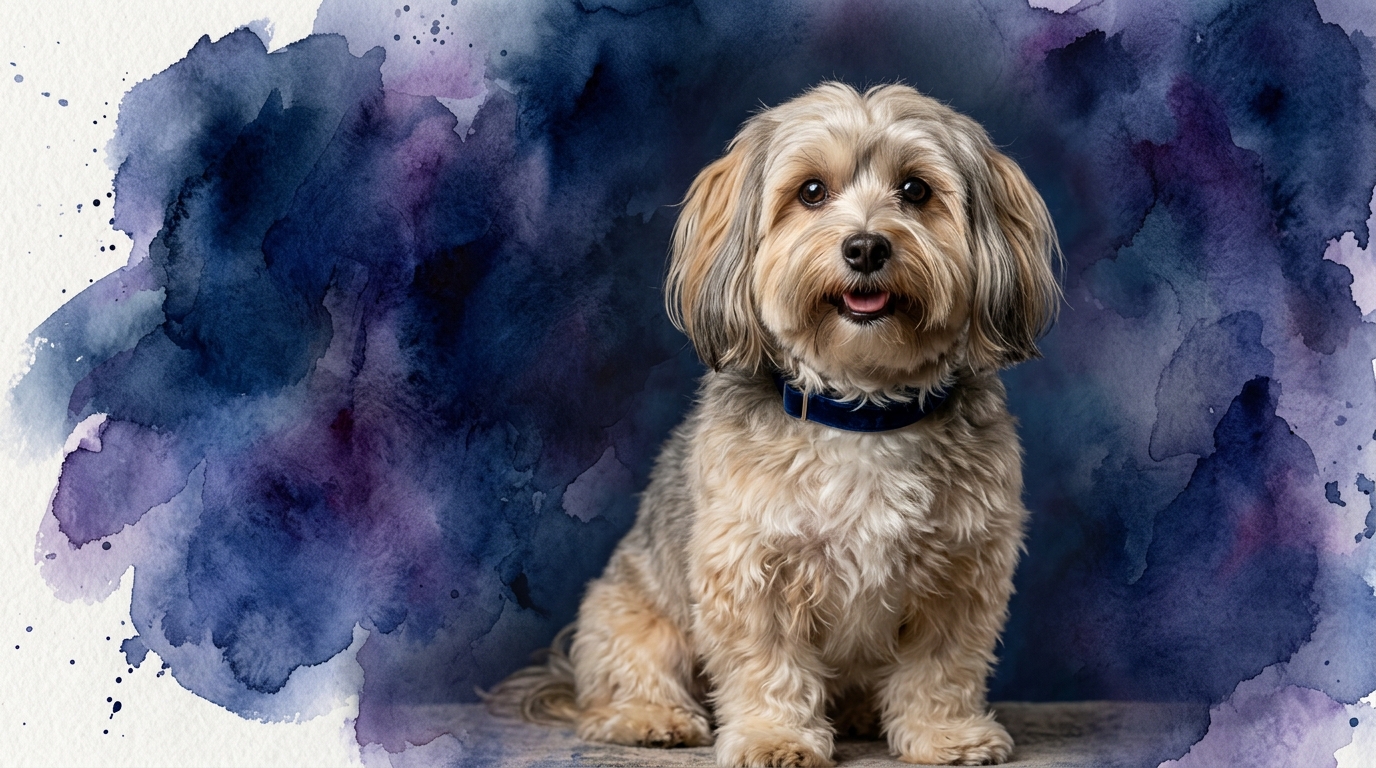
The Havanese presents a balanced cognitive profile with a standout strength in social connection. Their Problem Solving is rated 3/5, indicating an ability to navigate moderately complex tasks, often through observation and trial-and-error within familiar settings. Training Speed is also 3/5, meaning they learn new commands at a steady pace, benefiting from consistent positive reinforcement. Where they truly distinguish themselves is in Social Intelligence, earning a perfect 5/5; they exhibit exceptional awareness of human emotions and social cues, forming deep, empathetic bonds. Their Instinctive Drive is 2/5, indicating a low inclination for traditional working instincts, with their primary drive centered on companionship. Memory stands at 3/5, reflecting a sound retention for routines, learned commands, and familiar people.
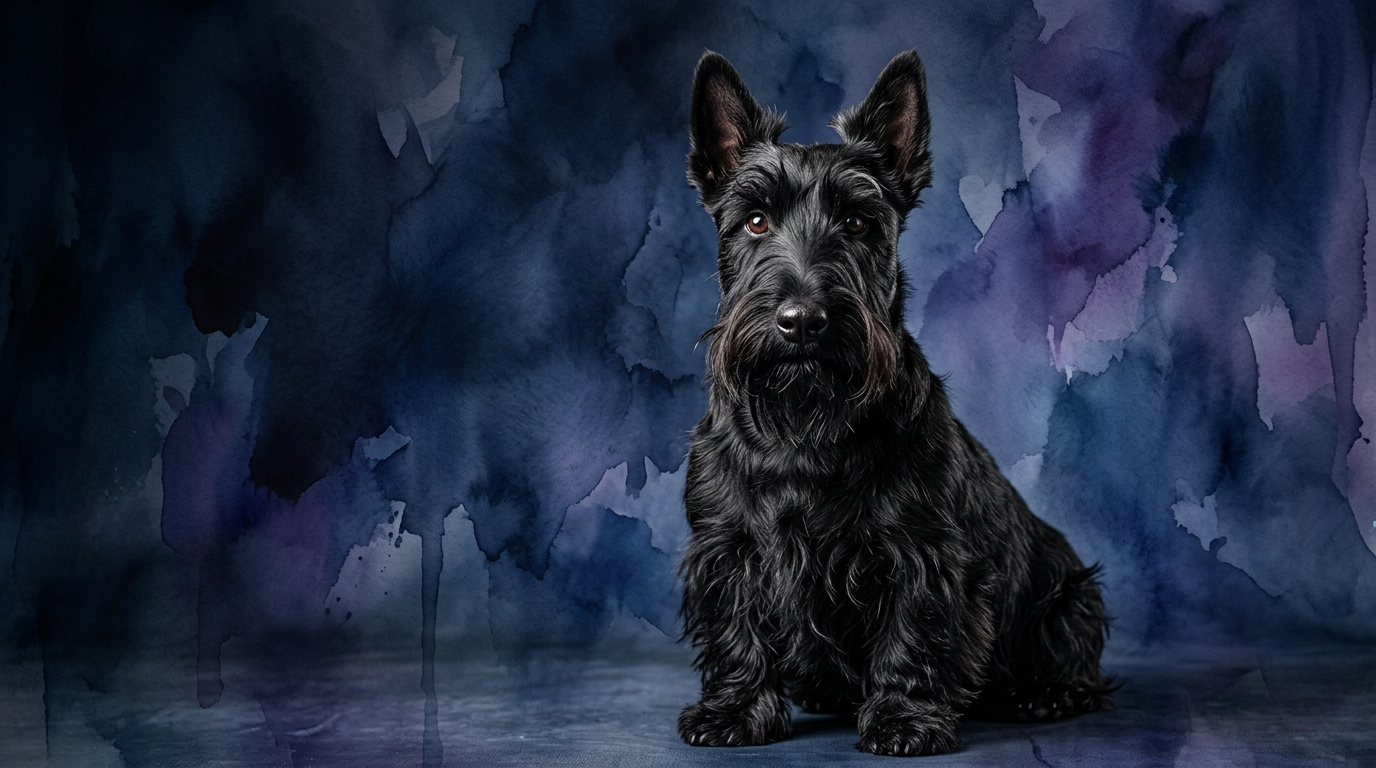
The Scottish Terrier, a breed with a distinct working heritage, shares some cognitive scores with the Havanese but brings a different emphasis. Their Problem Solving also scores 3/5, showing capability in practical challenges, particularly those related to their environment or achieving a desired outcome. Training Speed is 3/5, suggesting they learn at a moderate pace, though their independent streak can influence compliance. Their Social Intelligence is 3/5; Scotties are observant but more reserved in their interactions, forming deep family bonds while often maintaining a dignified distance. Instinctive Drive is 3/5, a moderate rating that reflects their terrier heritage with a notable prey drive and curiosity. Memory is rated 3/5, indicating a reliable recall for commands, routines, and territory, influenced by both positive and negative past experiences.
Where Havanese Wins Cognitively
The Havanese truly excels in the realm of social intelligence, scoring a perfect 5/5, two points higher than the Scottish Terrier. This superior capacity for understanding and responding to human emotions, body language, and vocal cues means a Havanese is often exceptionally empathetic and attuned to its family's needs. They are masters of reading the room, often adjusting their behavior to match the mood, whether offering comfort during distress or initiating play during joy. This strong social acumen translates into a dog that thrives on interaction, making them highly responsive to praise and connection, and particularly adept at activities requiring close human-dog partnership, such as therapy work or complex obedience where subtle cues are exchanged. Their lower instinctive drive of 2/5 compared to the Scottie's 3/5 also means they are less likely to be distracted by external stimuli like small animals or scents, allowing for greater focus on human-centric interactions and training in a less distracting environment.
Where Scottish Terrier Wins Cognitively
While the Havanese shines in social connection, the Scottish Terrier exhibits a slightly different cognitive edge, particularly in its instinctive drive, rated at 3/5. This inherent drive, a hallmark of the Terrier group, equips them with a persistent curiosity and a focused determination to explore and investigate. This isn't just about chasing prey; it translates into a dog that is often more self-motivated to engage with its environment, to problem-solve independently, and to follow its nose or its instincts when presented with a task. Their problem-solving (3/5) and training speed (3/5) are on par with the Havanese, but their independent nature, rooted in their working heritage, means they approach challenges with a distinct resolve. A Scottie might be more inclined to creatively outwit a puzzle toy or persistently dig for a perceived buried treasure, demonstrating a cognitive tenacity that is less reliant on human validation and more on intrinsic motivation and a strong sense of purpose.
Which Is Easier to Train and Why
When considering ease of training, the Havanese generally presents a more straightforward experience due to its exceptional social intelligence (5/5) and lower instinctive drive (2/5). Havanese dogs are profoundly motivated by pleasing their human companions and thrive on positive social interaction, making them highly receptive to reward-based training methods. Their inherent desire to be close to and interact with people means they are often more focused on their handler during training sessions, less prone to independent exploration or distraction. They learn quickly when engaged, viewing training as a collaborative activity, and their social acuity allows them to pick up on subtle cues and intentions from their trainer.
In contrast, the Scottish Terrier, while possessing comparable training speed (3/5) and problem-solving (3/5) abilities, introduces a layer of independence and a stronger instinctive drive (3/5). Their Terrier stubbornness means they often require a more consistent, firm, and patient approach; they understand commands but sometimes choose whether or not to comply based on their own assessment or interest. Their higher prey drive can also make them more easily distracted by environmental stimuli, demanding a trainer who can consistently capture and maintain their attention against competing instincts. Training a Scottie often requires making the learning process engaging and showing them why a command is worth performing, appealing to their independent and purposeful nature rather than just relying on social approval.
Which Suits Active Owners vs. Relaxed Owners
The choice between a Havanese and a Scottish Terrier also hinges on an owner's lifestyle and energy levels. The Havanese, with its high social intelligence (5/5) and moderate instinctive drive (2/5), typically thrives in a home with relaxed owners who can offer consistent companionship and gentle, engaging activities. They are content with indoor play, short walks, and cuddle sessions, preferring to be an integral part of family life rather than an independent explorer. Their strong desire for interaction means they can be prone to separation distress if left alone for extended periods, making them ideal for individuals or families who are home frequently or can take their dog with them, ensuring their social needs are met.
Conversely, the Scottish Terrier, with its moderate instinctive drive (3/5) and more reserved social intelligence (3/5), often suits more active owners who appreciate a dog with a robust personality and a need for purpose. While not needing extreme endurance, Scotties enjoy daily walks, exploring new scents, and engaging in activities that tap into their curious and tenacious nature, like earthdog trials or structured scent work. They appreciate mental stimulation and physical exercise that allows them to use their senses and independence, making them a good fit for owners who enjoy outdoor adventures and consistent, engaging routines that cater to their inherent terrier traits. Their self-sufficient nature means they can handle alone time better than a Havanese, provided their exercise and mental stimulation needs are met.
The Verdict
Opt for a Havanese if you seek a highly empathetic, companion-focused dog that thrives on close social interaction and prefers a more relaxed, indoor-centric lifestyle. Their exceptional social intelligence makes them deeply attuned to human emotions and highly responsive to gentle, consistent training.
Select a Scottish Terrier if you appreciate an independent, spirited companion with a moderate drive for exploration and a dignified, loyal nature that requires consistent, firm guidance. They are well-suited for owners who enjoy engaging their dog in purposeful activities and appreciate a tenacious personality.
🧠 Find Your Pet's IQ Score
Our Pet IQ Lab assessment covers 25+ tests across 5 cognitive dimensions — personalized to your breed.
Take the Full IQ Test →Frequently Asked Questions
Are Havanese good for first-time dog owners?
Yes, Havanese can be an excellent choice for first-time dog owners due to their high social intelligence and eagerness to please. Their responsiveness to positive reinforcement and desire for companionship make the training process generally rewarding, though they do require consistent attention to prevent separation distress.
Do Scottish Terriers get along with other pets?
Scottish Terriers can coexist with other pets, especially if socialized from a young age, but their inherent prey drive (instinctive drive 3/5) means they might view smaller animals like rodents or birds as prey. Introducing them carefully and supervising interactions, particularly with cats or smaller non-canine pets, is crucial for harmonious living.
How much exercise does a Havanese need compared to a Scottish Terrier?
Havanese typically require moderate daily exercise, such as short walks and indoor play, to satisfy their physical needs, aligning with their lower instinctive drive. Scottish Terriers, while not extreme athletes, benefit from more vigorous daily walks and opportunities for exploration to engage their moderate instinctive drive and curious nature, helping to prevent boredom and destructive behaviors.