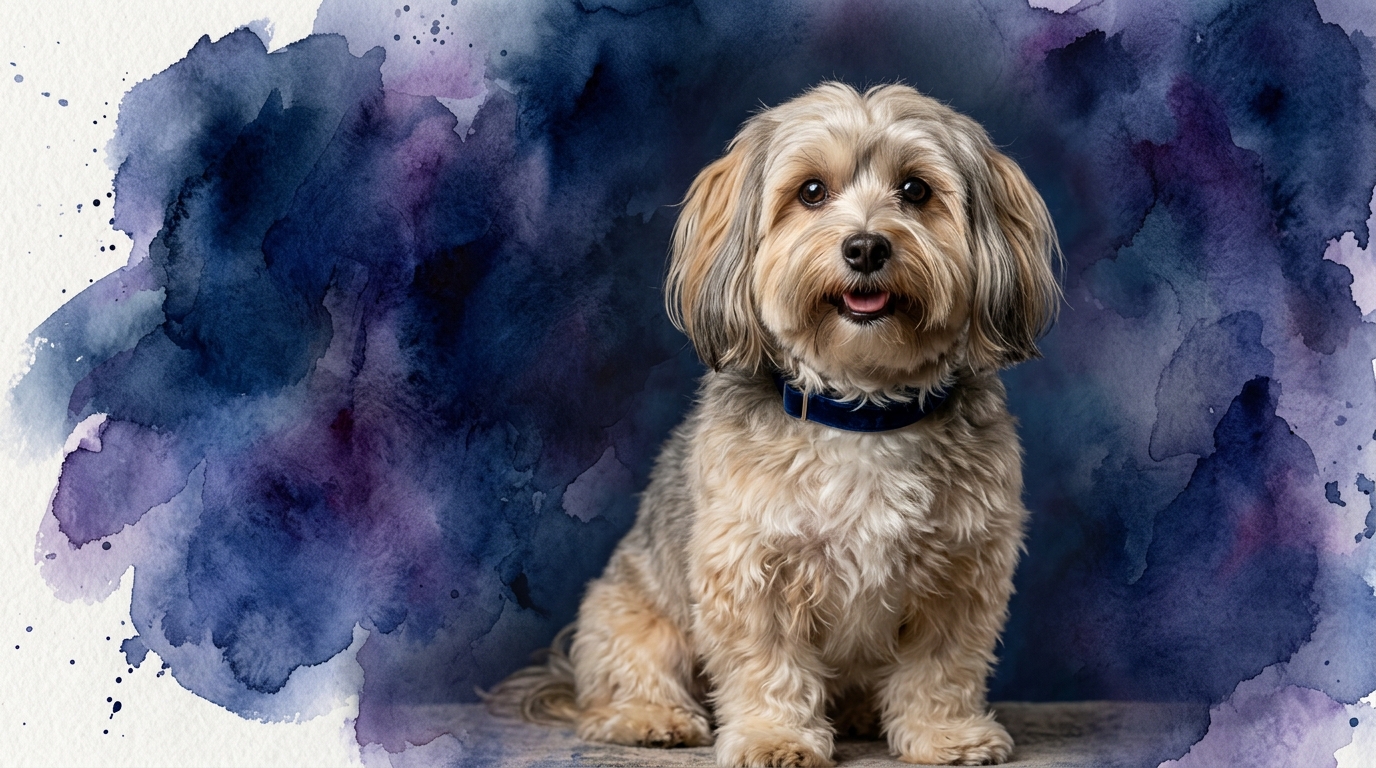
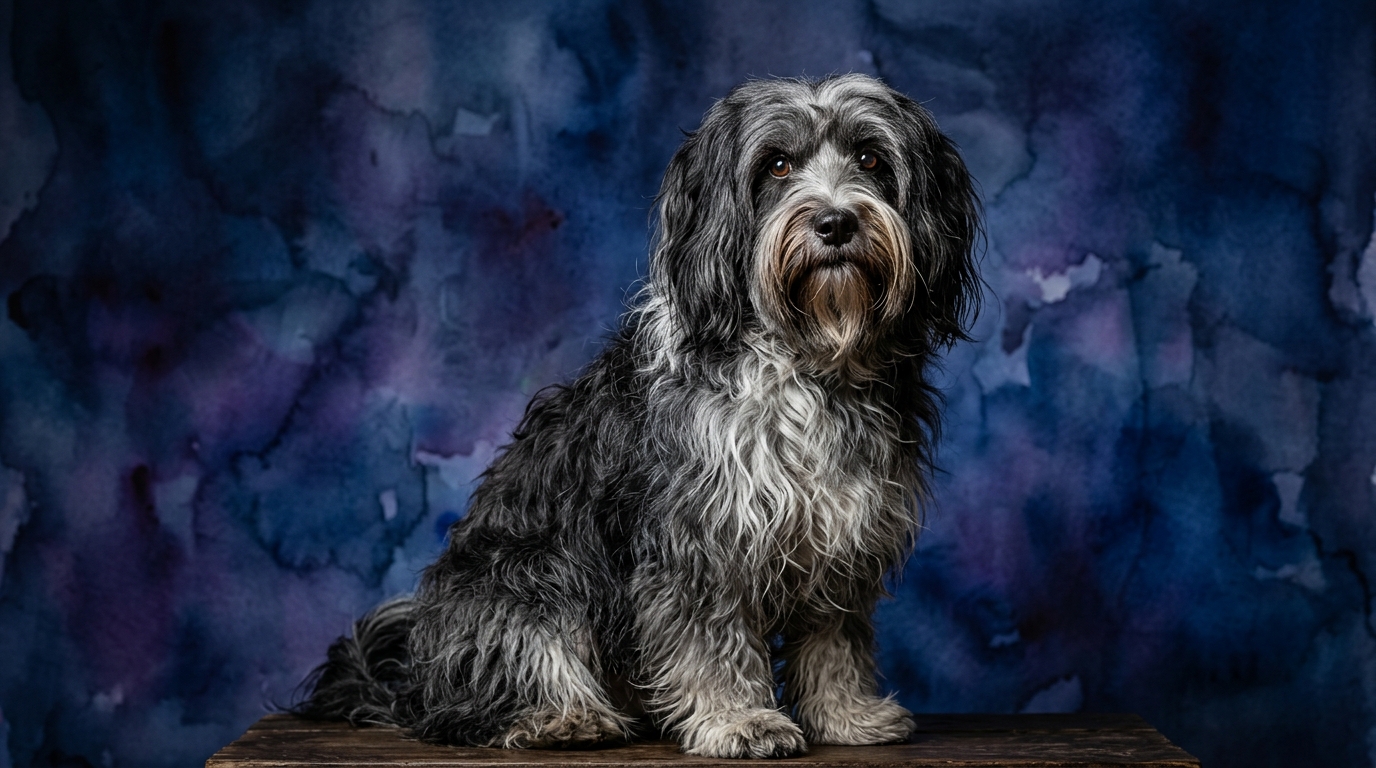
Side-by-Side IQ Profile: Havanese vs. Tibetan Terrier
The Cosmic Pet Pet IQ Lab provides a unique lens through which to understand canine cognition, evaluating breeds across five distinct dimensions. For the Havanese, a delightful Toy group member, we observe a Problem Solving score of 3/5, indicating a moderate ability to navigate novel challenges and figure things out independently. Their Training Speed also sits at 3/5, suggesting they learn new commands at an average pace, responsive to consistent methods. Where the Havanese truly shines is in Social Intelligence, earning a perfect 5/5, reflecting an exceptional capacity for understanding human emotions, communication cues, and forming deep, empathetic bonds. Their Instinctive Drive is a lower 2/5, meaning they possess less innate desire for traditional 'dog work' like hunting or guarding, and are generally more content with companionship. Finally, their Memory is rated 3/5, indicating a solid, average ability to retain learned behaviors and experiences over time. The Havanese is not Coren-ranked, primarily reflecting their historical role as dedicated companions rather than working or obedience dogs.
In contrast, the Tibetan Terrier, a robust member of the Non-Sporting group, offers a different cognitive profile. Their Problem Solving ability matches the Havanese at 3/5, showing a similar moderate capacity for independent thought and creative solutions. Their Training Speed is also 3/5, suggesting a parallel learning pace when it comes to acquiring new skills. The Tibetan Terrier's Social Intelligence, however, is rated 3/5 – a respectable score, but not as intensely people-focused as the Havanese, indicating they appreciate human interaction but maintain a degree of independence. Their Instinctive Drive is a higher 3/5, reflecting a more pronounced natural inclination for activities like patrolling, exploring, or engaging in tasks, aligning with their history as watchdogs and companions in challenging environments. Their Memory also scores 3/5, on par with the Havanese, demonstrating a reliable capacity for recall. Notably, the Tibetan Terrier holds a Coren rank of #63, placing them within the 'average working/obedience intelligence' category, which speaks to their historical trainability for specific roles.
Where the Havanese Wins Cognitively
The Havanese demonstrates a distinct cognitive advantage in the realm of Social Intelligence, achieving a remarkable 5/5 compared to the Tibetan Terrier's 3/5. This isn't merely about friendliness; it signifies a profound ability to interpret human cues, emotions, and intentions with exceptional sensitivity. A Havanese is often described as a 'velcro dog' not just for proximity, but for their deep attunement to their owner's mood, often preemptively offering comfort or seeking engagement based on subtle facial expressions or vocal tones. This heightened social awareness means they are incredibly motivated by human connection and praise, making them exceptionally responsive in social learning contexts. They excel at reciprocal communication, often initiating interactions that demonstrate their understanding of social dynamics within the family unit. This superior social acumen allows them to integrate seamlessly into diverse household environments, adapting their behavior to maintain harmony and connection, a trait that makes them unparalleled companion animals.
Where the Tibetan Terrier Wins Cognitively
While the Havanese excels in social attunement, the Tibetan Terrier shows a clear cognitive edge in Instinctive Drive, scoring 3/5 against the Havanese's 2/5. This higher drive translates into a greater intrinsic motivation for engagement with the world around them, reflecting their heritage as robust, versatile dogs from the 'Roof of the World.' A Tibetan Terrier is more likely to be naturally curious, eager to explore, and possess a stronger inherent desire to participate in activities that involve movement, scent work, or 'guardian' behaviors like alerting to novel sounds. This isn't about aggression, but about an active, alert disposition and a readiness to engage with their environment. Their higher instinctive drive, coupled with their Coren rank of #63, suggests a more pronounced capacity for tasks requiring sustained focus and a willingness to work alongside humans in a structured manner, even if that 'work' is simply a spirited hike or a game of fetch. They possess a robust mental fortitude that allows them to thrive in varied situations, often exhibiting a charming independence that stems from their self-assured nature.
Which is Easier to Train and Why
When considering ease of training, both breeds share a Training Speed score of 3/5, implying they learn new commands at an average pace. However, the *process* of training can feel quite different due to their other cognitive strengths. The Havanese, with its exceptional Social Intelligence (5/5), often presents as easier to train for companion-focused behaviors. Their deep desire to please and connect with their human counterparts means they are highly motivated by positive reinforcement, especially praise and affection. They are often quick to understand what is expected of them because they are so attuned to their owner's cues and emotional responses. This makes basic obedience, house-training, and even trick training feel more cooperative and less like a battle of wills. Their lower Instinctive Drive (2/5) also means fewer distractions from innate urges, allowing them to focus more readily on the task at hand.
The Tibetan Terrier, while also capable with a 3/5 Training Speed, might require a slightly different approach. Their higher Instinctive Drive (3/5) and moderately lower Social Intelligence (3/5) mean they possess a degree of independent thought and a stronger desire to engage with their environment on their own terms. They can be enthusiastic learners, but their motivation might need to be more varied, incorporating games, treats, and activities that appeal to their natural curiosity and drive. While they certainly appreciate human connection, they are less likely to be solely driven by the desire to please and may require more patient, consistent, and engaging training sessions that capitalize on their robust nature and problem-solving abilities. Their independent streak means trainers need to make learning fun and rewarding to maintain their focus.
Which Suits Active Owners vs. Relaxed Owners
The cognitive profiles of the Havanese and Tibetan Terrier offer clear indicators for matching them with different owner lifestyles. For relaxed owners seeking a devoted, emotionally attuned companion, the Havanese is often an ideal fit. Their peak Social Intelligence (5/5) means they thrive on close human interaction, often content to be by their owner's side, whether during quiet evenings or gentle strolls. Their lower Instinctive Drive (2/5) means they generally have less inherent need for intense physical or mental 'work,' preferring to be an integral, affectionate part of family life. They adapt well to apartment living and are typically satisfied with moderate daily exercise, such as short walks and indoor play. Their primary 'activity' is often being a loving, responsive presence.
Conversely, the Tibetan Terrier, with its higher Instinctive Drive (3/5) and Coren rank, is better suited for moderately active owners who enjoy engaging in varied activities with their dog. While they are affectionate, their social intelligence is balanced with a more independent spirit. They possess a natural curiosity and a desire to explore, making them excellent partners for longer walks, hikes, or even participation in dog sports like agility or rally obedience. They require regular physical and mental stimulation to prevent boredom and channel their inherent drive. Owners who appreciate a dog with a robust personality, a playful spirit, and a willingness to participate in adventures will find the Tibetan Terrier a rewarding companion, offering both loyalty and a charming, self-assured independence.
The Verdict
Choose the Havanese if your primary desire is an exceptionally socially intelligent, emotionally attuned companion who thrives on close connection and offers unparalleled devotion, fitting seamlessly into a relaxed, affectionate household.
Opt for the Tibetan Terrier if you appreciate a dog with a robust independent spirit, a higher instinctive drive for engagement, and a good capacity for structured activities, making them a rewarding partner for moderately active owners who enjoy shared adventures.
🧠 Find Your Pet's IQ Score
Our Pet IQ Lab assessment covers 25+ tests across 5 cognitive dimensions — personalized to your breed.
Take the Full IQ Test →Frequently Asked Questions
Are Havanese good apartment dogs?
Yes, Havanese are excellent apartment dogs due to their moderate exercise needs and strong desire for companionship. Their high social intelligence means they thrive on being close to their family, and their lower instinctive drive makes them less prone to destructive behaviors when adequately stimulated with attention and gentle play.
Do Tibetan Terriers bark a lot?
Tibetan Terriers can be prone to barking, especially as alerts, given their historical role as watchdogs and their higher instinctive drive. While not excessive for all individuals, their vocal nature means consistent training from a young age is beneficial to manage this behavior and teach them appropriate times for sounding the alarm.
Which breed is better with children?
Both breeds can be good with respectful children, but the Havanese's superior social intelligence often gives them an edge in understanding and adapting to children's energy and cues. The Tibetan Terrier's independent nature means they may tolerate children but might prefer to engage on their own terms, requiring supervision to ensure mutual respect.