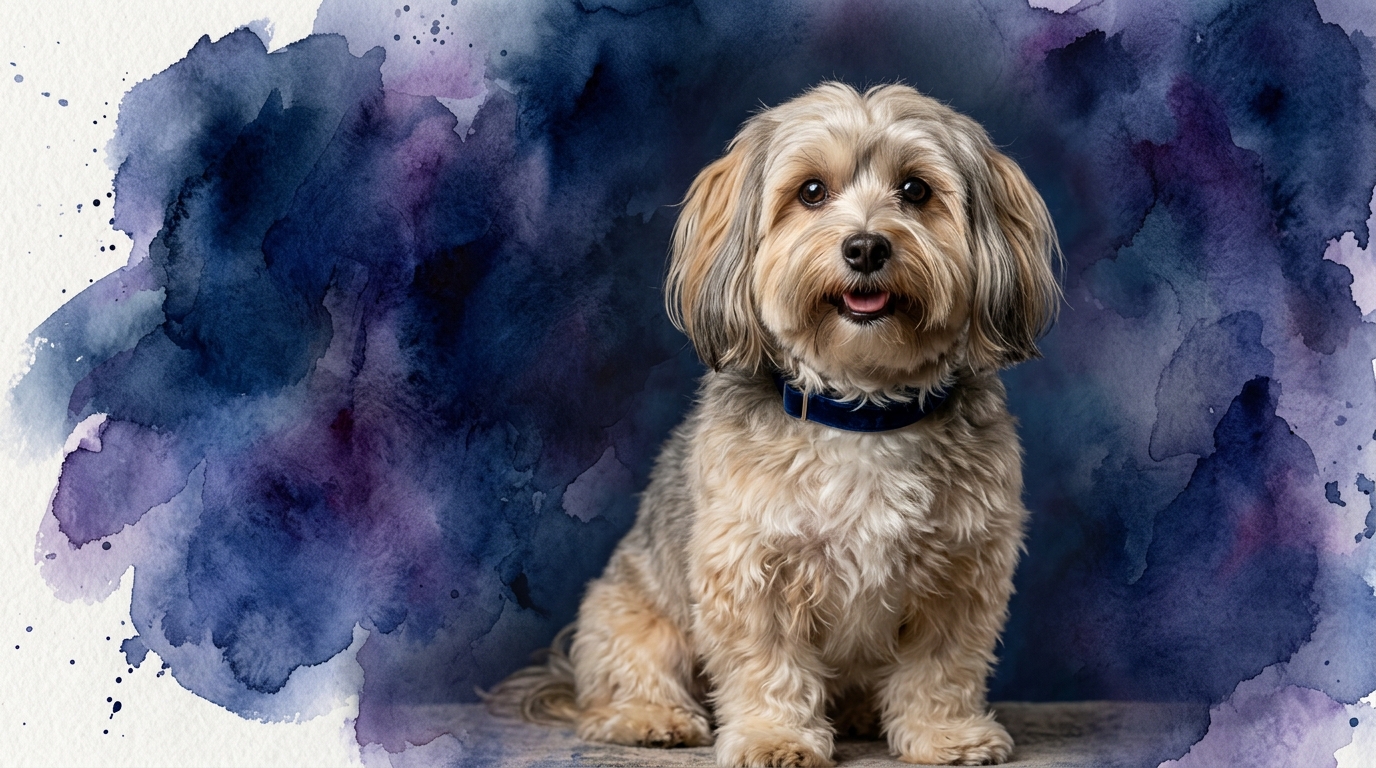
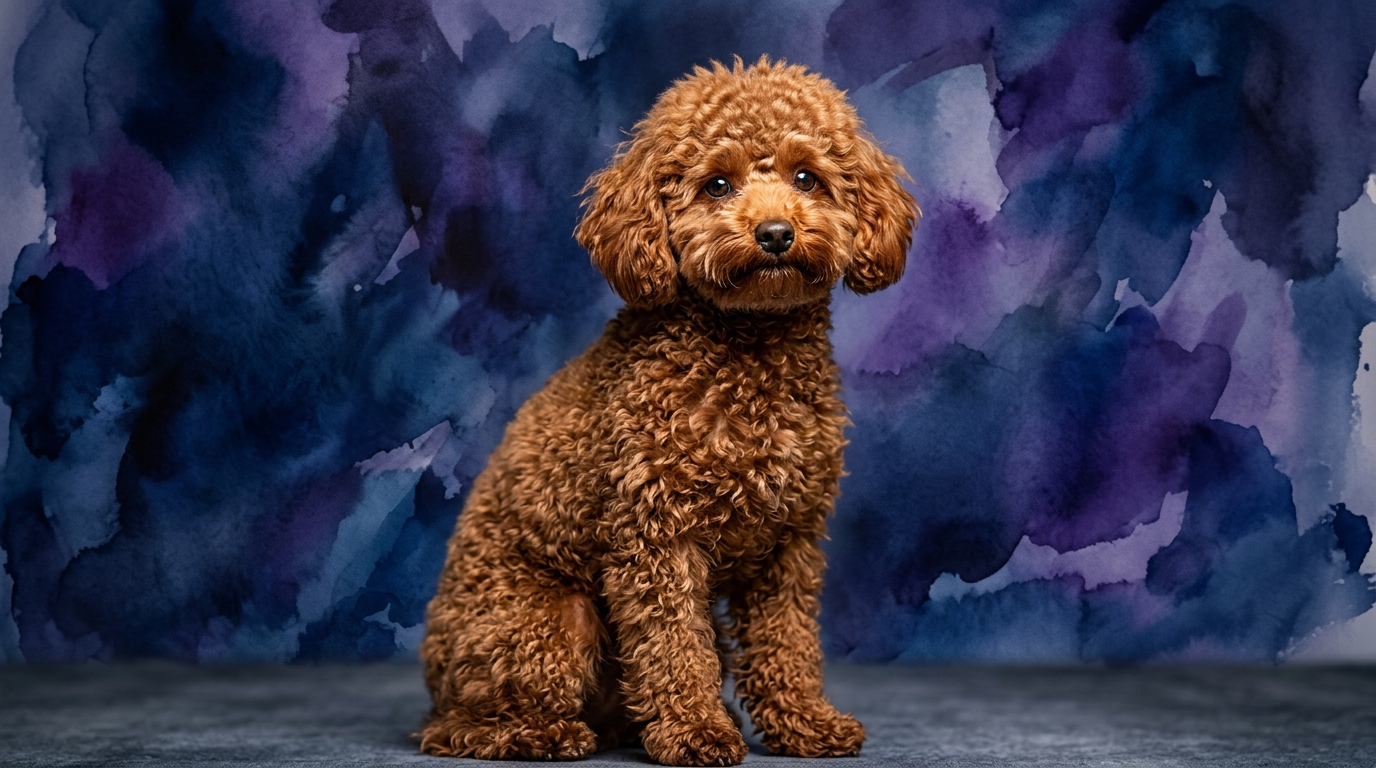
Side-by-Side Cognitive Profiles: Havanese vs. Toy Poodle
The Cosmic Pet Pet IQ Lab employs five core dimensions to assess canine intelligence, offering a granular view beyond general perceptions. For the Havanese, we observe a balanced yet distinctly socially-oriented cognitive makeup. Their Problem Solving is rated 3/5, indicating a moderate ability to navigate novel situations or figure out complex tasks independently, often preferring guidance. Training Speed also sits at 3/5, suggesting they grasp new commands steadily but require consistent repetition and positive reinforcement to solidify learning. Where the Havanese truly shines is in Social Intelligence, earning a perfect 5/5; these dogs are canine empaths, exceptionally attuned to human emotions, subtle cues, and family dynamics, making them profound companions. Their Instinctive Drive is a low 2/5, meaning they possess minimal inclination for traditional working roles like hunting or herding, focusing instead on interaction. Memory, at 3/5, indicates a good but not exceptional recall of learned behaviors and experiences.
In stark contrast, the Toy Poodle presents a profile geared towards rapid learning and resourceful action. Their Problem Solving is an impressive 5/5, demonstrating a remarkable capacity to analyze environments, devise ingenious solutions, and overcome obstacles with minimal human intervention. Training Speed mirrors this aptitude with a 5/5 rating, signifying an exceptional ability to acquire new commands and routines with astonishing swiftness, often after just a few repetitions. Social Intelligence for the Toy Poodle is a solid 3/5; they are responsive and bond well, but typically do not possess the Havanese's profound, almost intuitive grasp of human emotional states. Their Instinctive Drive is a moderate 3/5, reflecting historical roles in retrieving and a general inclination towards purposeful activity. Finally, Memory for the Toy Poodle is a top-tier 5/5, allowing them to retain vast amounts of information, tricks, and past experiences over extended periods.
Where the Havanese Excels Cognitively
The Havanese's supreme cognitive advantage lies unequivocally in their Social Intelligence, scoring a perfect 5/5. This isn't merely about being friendly; it signifies a deep, intuitive understanding of human emotion and social structures. A Havanese can often sense a shift in your mood, offering comfort or initiating gentle play precisely when needed, acting as a true emotional barometer for their household. This exceptional capacity for connection means they are profoundly responsive to human expressions, body language, and vocal tones, often predicting intentions before a command is even issued. They thrive on companionship and interaction, making them unparalleled at forming rich, nuanced bonds with their families, often to the point of anticipating needs and offering unsolicited affection or gentle nudges. This highly developed social cognition makes them outstanding therapy dogs, not for their ability to perform complex tasks, but for their innate talent to connect and provide solace.
Where the Toy Poodle Excels Cognitively
The Toy Poodle's cognitive strengths are concentrated in areas of practical application and rapid assimilation, making them formidable learners and problem-solvers. Their 5/5 Problem Solving score means they excel at navigating complex environments, figuring out how to open cabinets, retrieve out-of-reach toys, or even manipulate levers to gain access to desired items. This isn't just about curiosity; it's a strategic approach to challenges. Coupled with a 5/5 Training Speed, they master new tricks, obedience commands, and intricate sequences with remarkable efficiency, often requiring fewer repetitions than many other breeds. Furthermore, their 5/5 Memory ensures that once a concept is learned or an experience is had, it is retained for the long term. This combination allows Toy Poodles to build an extensive repertoire of skills and knowledge, enabling them to excel in canine sports like agility or obedience, where quick thinking and precise execution are paramount. They don't just learn; they process, retain, and apply information effectively.
Training Dynamics: Havanese vs. Toy Poodle
When it comes to ease of training, the Toy Poodle generally offers a more streamlined experience due to their superior Training Speed (5/5) and Memory (5/5). They grasp new concepts with astonishing rapidity and retain them over time, meaning fewer repetitions are needed for a command to become ingrained. A Toy Poodle's inherent drive to engage their active mind, coupled with a desire to please, often translates into a keen enthusiasm for structured learning sessions. They often view training as an engaging mental puzzle, quickly understanding the cause-and-effect of their actions and the rewards that follow. This makes them highly responsive to positive reinforcement and capable of mastering complex multi-step commands and routines, making them excellent candidates for advanced obedience or trick training.
The Havanese, with a moderate Training Speed (3/5) and Memory (3/5), requires a more patient and consistent approach. While they are eager to please their beloved family, thanks to their high Social Intelligence, their processing speed for new commands is not as quick as a Poodle's. They will learn, but it takes more repetition and a carefully structured, positive reinforcement environment to ensure concepts stick. Havanese can also be sensitive, so harsh corrections are counterproductive; gentle guidance and reward-based methods are essential. Their learning journey is more about building a collaborative relationship than a rapid acquisition of skills. While they may not pick up new tricks in a single session, their desire for connection often motivates them to eventually comply and enjoy the process, albeit at a more leisurely pace.
Ideal Owners: Active Pursuits vs. Relaxed Companionship
For owners seeking an active cognitive partner, the Toy Poodle is an exceptional fit. Their high scores in Problem Solving, Training Speed, and Memory mean they thrive when given consistent mental stimulation and opportunities to engage their sharp minds. These dogs benefit immensely from activities such as advanced obedience classes, agility courses, puzzle toys that require strategic thinking, and learning complex tricks. An owner who enjoys teaching new skills, participating in canine sports, or even just engaging in daily interactive games will find the Toy Poodle a willing and enthusiastic participant. Their moderate instinctive drive also means they appreciate having a 'job' to do, even if it's just fetching a specific toy on command or navigating an obstacle course in the backyard. They are not content to simply observe; they want to be actively involved in intellectual challenges.
Conversely, the Havanese is perfectly suited for owners who prioritize deep emotional connection and a more relaxed, yet still engaging, companionship. Their unparalleled Social Intelligence makes them ideal for individuals or families who appreciate a dog that is profoundly attuned to their moods and desires to be an integral, comforting presence. While they still enjoy play and short training sessions, their lower Instinctive Drive and moderate Problem Solving score mean they are not constantly seeking complex mental tasks. They are content with being close to their people, offering quiet companionship, and participating in gentle interactive games. An owner who values a sensitive, intuitive companion who provides emotional support and thrives on affection, rather than a dog requiring constant intellectual challenges, will find the Havanese to be an ideal match. They are perfect for those who enjoy a cozy evening on the couch as much as a leisurely stroll.
The Verdict
Choose the Havanese if your priority is an unparalleled emotional bond and a sensitive, intuitive companion deeply attuned to your family's dynamics and moods, valuing warmth over rapid task mastery.
Opt for the Toy Poodle if you seek an enthusiastic partner for complex learning, a dog that quickly masters new skills, enjoys mental challenges, and can excel in canine sports, offering a more 'interactive' cognitive experience.
🧠 Find Your Pet's IQ Score
Our Pet IQ Lab assessment covers 25+ tests across 5 cognitive dimensions — personalized to your breed.
Take the Full IQ Test →Frequently Asked Questions
Are Havanese difficult to train?
While Havanese have a moderate training speed (3/5), their high social intelligence means they genuinely want to please their people. They respond well to positive reinforcement and consistency, though they may require more repetition than a Toy Poodle to solidify new commands. Patience and a fun approach are key to their learning success.
Do Toy Poodles need a lot of mental stimulation?
Absolutely. With a top score in problem-solving (5/5) and memory (5/5), Toy Poodles thrive on mental challenges. They can become bored and develop undesirable behaviors if not given outlets for their active minds, such as puzzle toys, trick training, or engaging canine sports.
Which breed is better for a first-time dog owner?
Both breeds can be suitable, but their needs differ. A Havanese might be slightly easier for a first-timer seeking a deeply connected companion, provided the owner is patient with training. A Toy Poodle, while quicker to train, demands an owner committed to consistent mental engagement to prevent boredom-related issues, which might be a steeper learning curve for a novice.