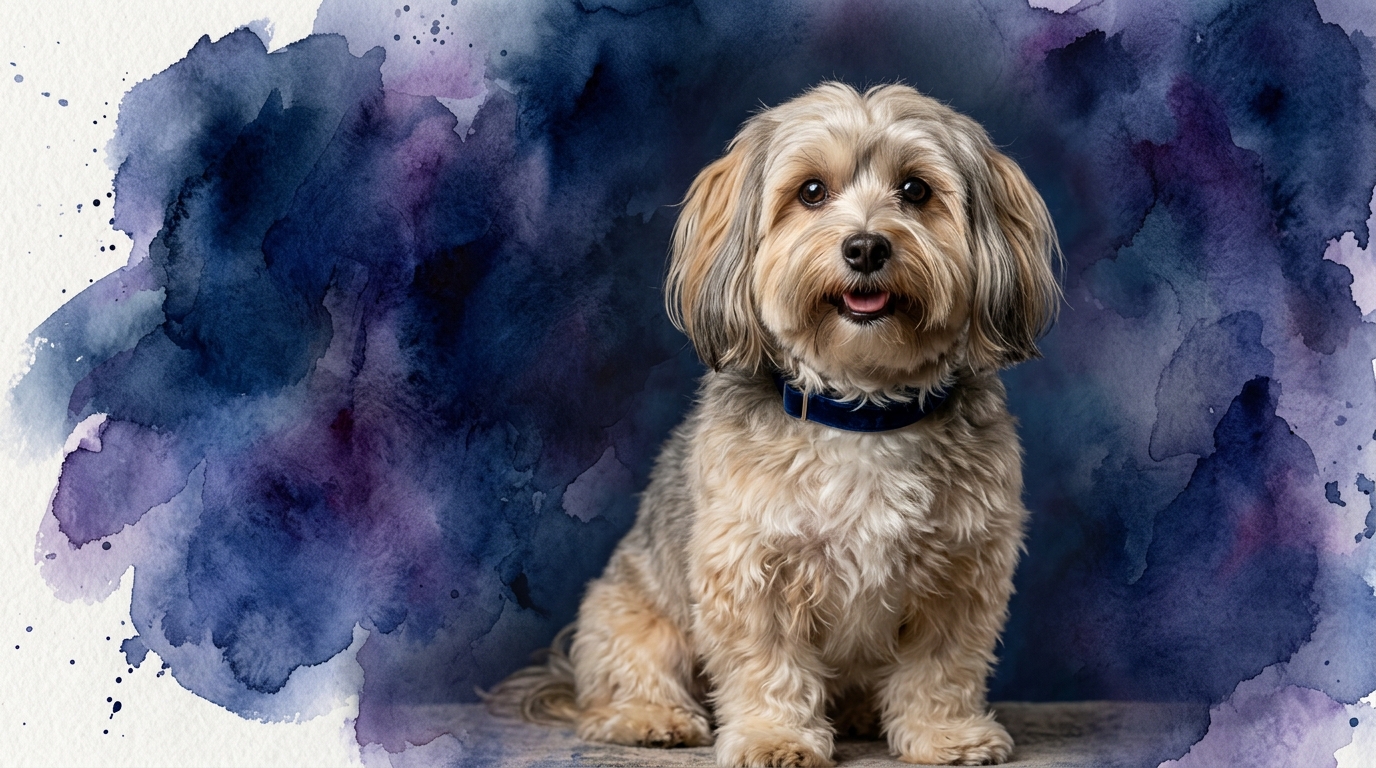
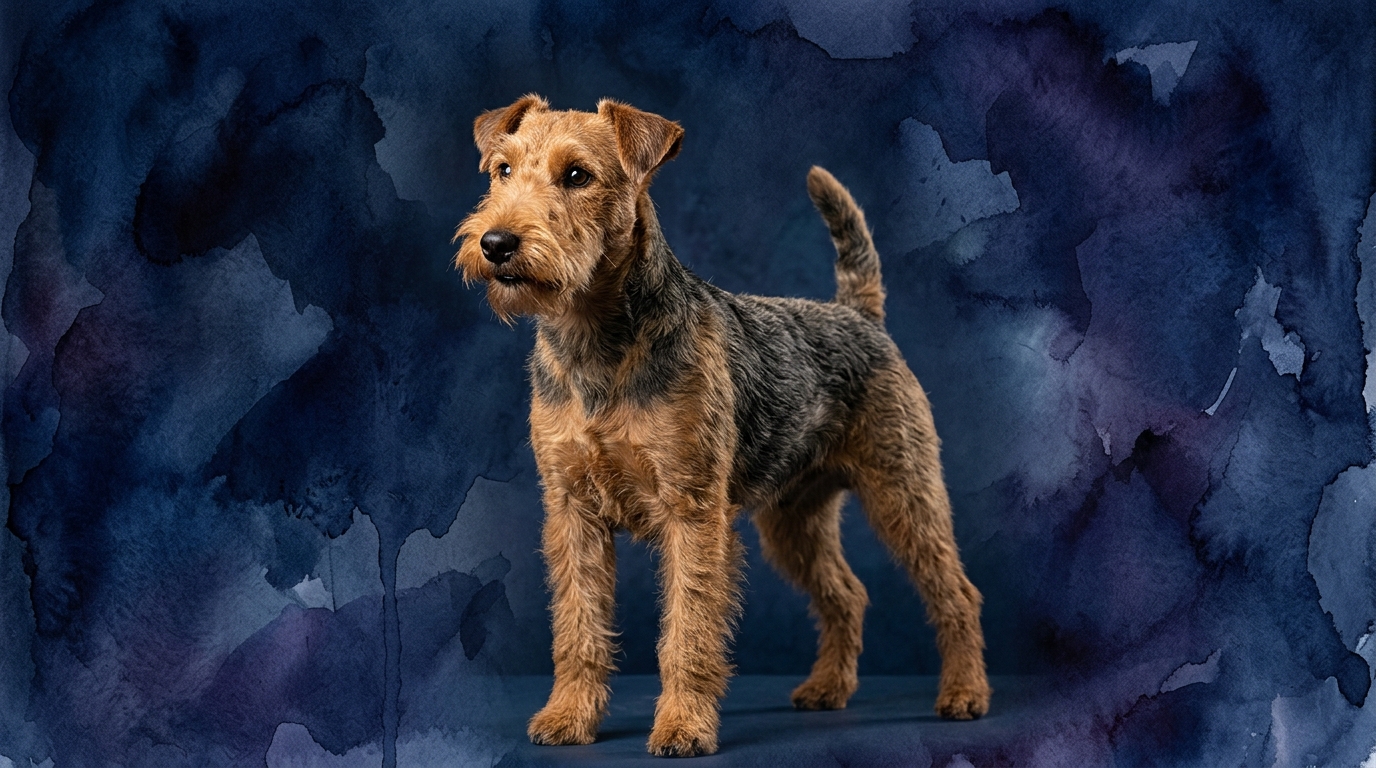
Side-by-Side Cognitive Profiles
The Cosmic Pet Pet IQ Lab assesses canine cognition across five distinct dimensions, providing a nuanced view of each breed’s mental wiring. For the Havanese, we observe a Problem Solving score of 3/5, indicating a moderate ability to navigate minor household puzzles or figure out how to access a desired object. Their Training Speed also stands at 3/5, suggesting they respond reasonably well to consistent positive reinforcement, picking up new commands with regular, engaging sessions. Where the Havanese truly excels is in Social Intelligence, earning a perfect 5/5; they are deeply attuned to human emotions and social cues, forming intuitive bonds. Their Instinctive Drive is a lower 2/5, meaning their primary motivations lean more towards companionship than strong ancestral hunting or digging urges. Finally, their Memory is a solid 3/5, allowing them to retain learned commands and routines with moderate reliability.
The Welsh Terrier presents a profile that, while sharing some similarities, reveals key distinctions. Their Problem Solving capability matches the Havanese at 3/5, demonstrating a similar moderate capacity for practical problem-solving, often fueled by their inherent terrier persistence. Training Speed is also rated 3/5, indicating they are capable learners but might require more patience and creative methods due to their independent streak. Their Social Intelligence is a balanced 3/5; they form strong attachments and understand cues but exhibit a more independent social awareness compared to the Havanese. A moderate Instinctive Drive of 3/5 is characteristic of their terrier heritage, manifesting as an inclination for digging, chasing, and exploring. Like the Havanese, their Memory is a 3/5, allowing for moderate retention of commands and experiences, benefiting from consistent practice.
Where the Havanese Cognitively Shines
The Havanese truly shines in the realm of social intelligence, scoring a perfect 5/5. This breed possesses an extraordinary capacity to perceive and interpret human emotions, body language, and subtle social cues. They are deeply empathetic, often anticipating their owner's needs or mood shifts, making them exceptionally intuitive companions. This heightened social awareness translates into a dog that not only wants to be with you but genuinely understands and responds to your emotional state, fostering an unparalleled bond.
Furthermore, their lower instinctive drive (2/5) can be considered a cognitive advantage for many modern households. While a terrier's drive might lead to digging or chasing, the Havanese's less intense natural urges mean they are generally more content with domestic life, less prone to destructive behaviors driven by instinct, and more focused on interactive companionship. This makes them inherently easier to integrate into a relaxed home environment without constant management of strong predatory or territorial instincts.
Where the Welsh Terrier Cognitively Excels
The Welsh Terrier, while sharing similar scores in Problem Solving, Training Speed, and Memory, presents a different cognitive strength primarily through its balanced instinctive drive (3/5). Unlike the Havanese, this moderate drive equips the Welsh Terrier with a natural inclination for purposeful activity, exploration, and engaging with their environment in a more robust, independent manner. This drive can manifest as a persistent curiosity and a spirited approach to tasks, which, when channeled appropriately, can make them excel in activities requiring focus, determination, and a degree of self-reliance, such as earthdog trials or agility.
Their cognitive makeup encourages a more active engagement with their surroundings, often prompting them to initiate play or investigate new stimuli. While their social intelligence is a solid 3/5, it's their combination of problem-solving with this inherent drive that allows them to tackle challenges with a distinctive terrier tenacity, often seeing tasks through to completion where a less driven breed might give up.
Training Ease: Havanese vs. Welsh Terrier
When comparing training ease, both breeds rate a 3/5 for Training Speed, suggesting a moderate capacity for learning new commands. However, real-world behavioral differences stemming from their other cognitive dimensions paint a clearer picture. The Havanese, with its exceptional 5/5 Social Intelligence and lower 2/5 Instinctive Drive, often presents as easier to train for general obedience and household manners. Their deep desire to connect and please their human family means they are highly motivated by positive interaction and praise.
They are less likely to be distracted by external stimuli like small animals or intriguing scents, making focused training sessions more achievable. Their cognitive inclination is to work *with* you. In contrast, the Welsh Terrier's 3/5 Training Speed, combined with its 3/5 Instinctive Drive, means training can sometimes be a more nuanced endeavor. Their independent terrier spirit and moderate drive for exploration or chasing can lead to moments of selective hearing, especially if something more stimulating captures their attention. While they are capable learners, their inherent determination means owners must be consistent, creative, and patient, making training feel like a partnership with a strong-willed individual rather than a solely compliant student. Their cognitive makeup means they need to understand the 'why' or be sufficiently engaged to override their natural impulses.
Matching Cognitive Profiles to Lifestyles
Considering their distinct cognitive profiles, the Havanese is generally a more fitting companion for relaxed owners or those seeking a highly interactive, emotionally attuned presence. Their high social intelligence means they thrive on close companionship and mental stimulation through interaction, not necessarily intense physical exertion. While they enjoy walks and play, their lower instinctive drive means they are less prone to restlessness or destructive behaviors if a day includes more quiet time at home. They are cognitively wired to be your shadow, content with cuddles and gentle games, making them ideal for apartment living or families seeking a devoted indoor companion.
Conversely, the Welsh Terrier's moderate instinctive drive and balanced social intelligence make them a better match for active owners. They possess a robust curiosity and a need for engagement that extends beyond simple companionship. Owners who enjoy regular outdoor activities, structured play, or even dog sports will find the Welsh Terrier's cognitive makeup aligns well with these pursuits. Their tenacity and drive mean they appreciate having a 'job' or regular opportunities to explore and expend both physical and mental energy. They are not content to merely observe; they want to participate and investigate, making them excellent companions for those with an adventurous spirit.
The Verdict
Opt for a Havanese if your lifestyle prioritizes an emotionally intuitive, highly social companion who thrives on close interaction and a generally relaxed home environment, offering deep emotional connection. They excel at reading human cues and integrate seamlessly into a family focused on companionship.
Select a Welsh Terrier if you are an active owner seeking a spirited, independent companion who enjoys engaging with the world through exploration and purposeful activity. Their balanced drive and tenacity make them ideal for those who can provide consistent mental and physical stimulation.
🧠 Find Your Pet's IQ Score
Our Pet IQ Lab assessment covers 25+ tests across 5 cognitive dimensions — personalized to your breed.
Take the Full IQ Test →Frequently Asked Questions
Do Havanese or Welsh Terriers shed a lot?
Havanese are often considered low-shedding, making them a popular choice for individuals sensitive to pet dander, though regular grooming is essential to prevent matting. Welsh Terriers also have a non-shedding, wiry coat that requires hand-stripping or professional grooming to maintain its texture and health.
Are Havanese good with children?
Yes, Havanese, with their high social intelligence and gentle nature, generally get along very well with children, often forming strong bonds. Their small size means interactions should always be supervised to ensure safety for both the dog and the child.
What kind of exercise do Welsh Terriers need?
Welsh Terriers require moderate daily exercise to satisfy their instinctive drive and energy levels, including walks, playtime, and opportunities for mental engagement. Consistent activity helps prevent boredom and channel their natural curiosity and tenacity positively.