Side-by-Side Cognitive Profiles
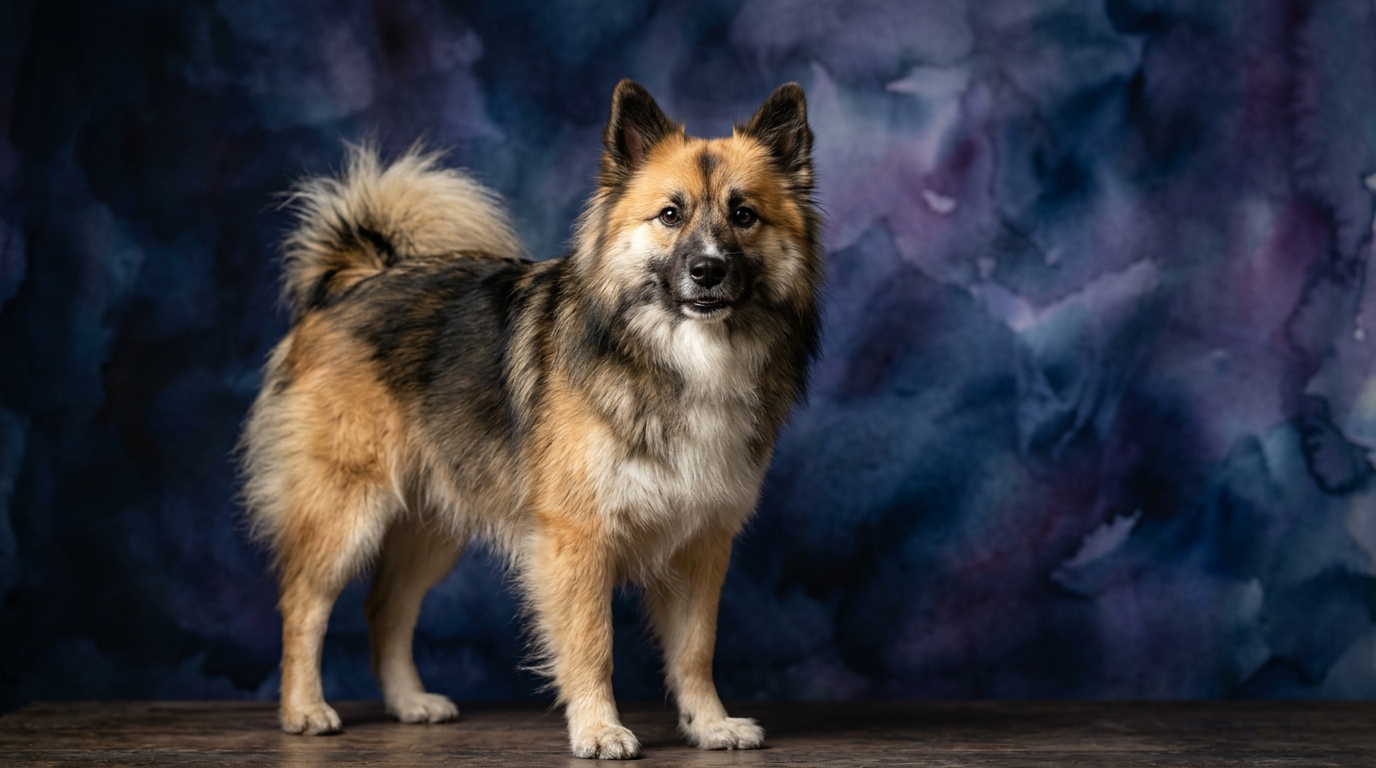
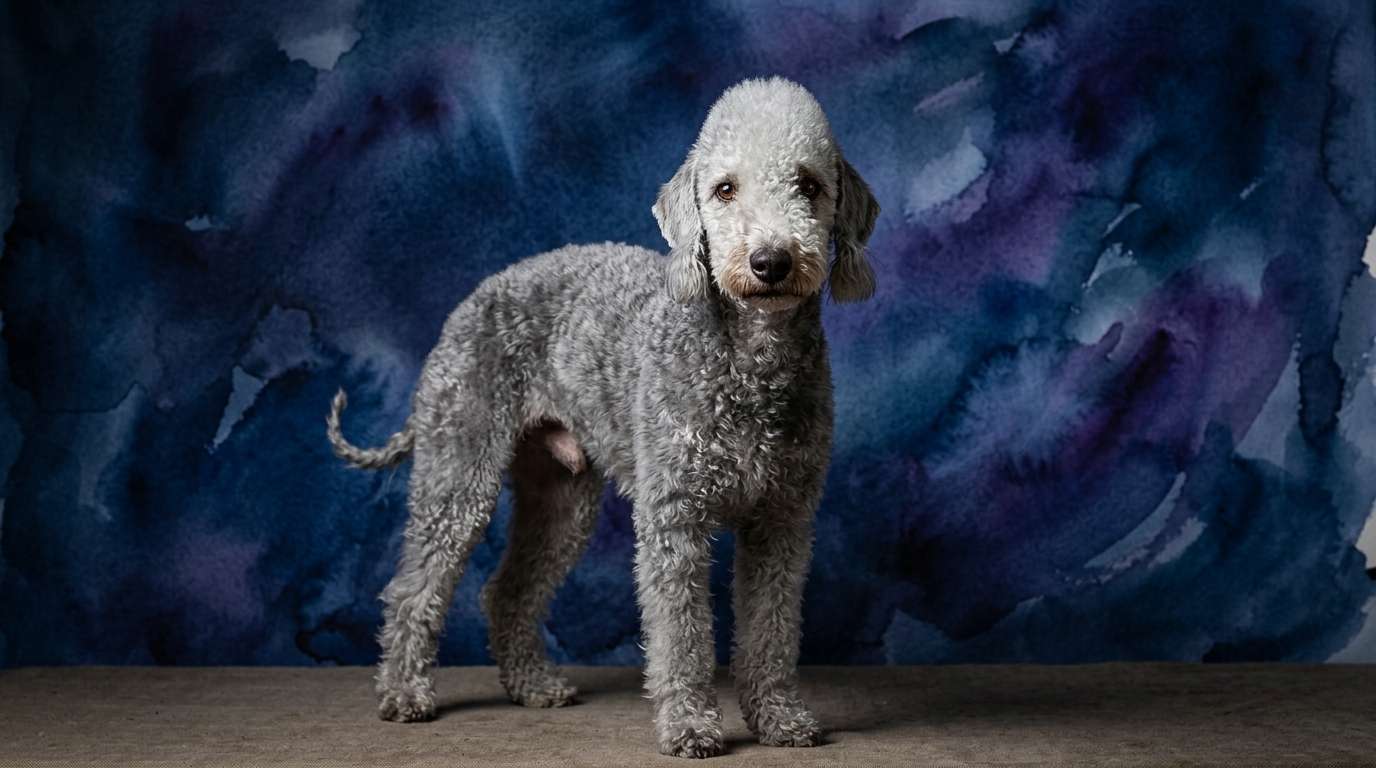
The Cosmic Pet Pet IQ Lab assesses canine intelligence across five key dimensions, each rated on a scale of 1 to 5. For both the Icelandic Sheepdog and the Bedlington Terrier, every dimension registers a 3/5, indicating a solid, adaptable cognitive foundation. However, the application and expression of these scores are deeply rooted in their ancestral roles.
For the Icelandic Sheepdog, a 3/5 in Problem Solving reflects an ability to navigate dynamic, open environments and strategize the movement of livestock. Their intelligence is geared towards practical, real-time decision-making in a supervisory capacity, such as finding the best path around an obstacle to re-gather a stray sheep. They demonstrate resourceful thinking within a cooperative framework.
The Bedlington Terrier's 3/5 in Problem Solving, conversely, speaks to a different kind of resourcefulness. Their history as vermin hunters means their cognitive efforts are directed at independent, tenacious pursuit and overcoming physical barriers. This might involve figuring out how to get into a tight space, strategizing to corner prey, or persistent digging to achieve a goal. Their problem-solving is often self-directed and goal-oriented.
Regarding Training Speed, the Icelandic Sheepdog's 3/5 score indicates a breed that is generally receptive and willing to learn, particularly when tasks involve cooperation with their human companion. They pick up new commands at a moderate pace, often thriving on clear communication and positive reinforcement. Their biddability stems from a desire to work alongside their 'flock.'
The Bedlington Terrier also scores 3/5 for Training Speed, but this is often balanced by their characteristic terrier independence. While capable of learning quickly, their training success often hinges on making the process engaging and rewarding enough to overcome a natural inclination towards self-determination. Consistency and patience are key to harnessing their quick wit.
Social Intelligence for the Icelandic Sheepdog, at 3/5, manifests as a strong ability to read human cues and maintain close bonds with their family. They are communicative dogs, using barks, body language, and expressive faces to interact with their 'flock.' This score reflects their capacity for complex social interaction within a familial unit, often extending to other dogs and livestock they consider part of their group.
The Bedlington Terrier's 3/5 in Social Intelligence is expressed through their affectionate nature with their chosen family, demonstrating a good understanding of household dynamics. However, this score also encompasses their assertive side, particularly with unfamiliar dogs, where their historical need to stand their ground comes into play. They are adept at navigating their immediate social circle but can be more discerning outside of it.
Instinctive Drive, scoring 3/5 for the Icelandic Sheepdog, is dominated by their inherent herding tendencies. This includes a propensity to gather, patrol, and use their voice to direct. This drive is a powerful motivator for their actions and requires appropriate outlets to prevent unwanted behaviors like 'herding' family members or other pets. Their energy is geared towards sustained activity.
The Bedlington Terrier's 3/5 in Instinctive Drive is overwhelmingly defined by their strong prey drive. This manifests as an urge to chase, dig, and investigate scents, making them tenacious hunters. This drive is a fundamental part of their being and influences much of their spontaneous behavior, requiring careful management and appropriate outlets for their natural inclinations.
Memory, a 3/5 for the Icelandic Sheepdog, is evident in their capacity to recall complex routes, remember specific commands, and recognize individuals within their social sphere. Their memory serves their working role, allowing them to retain information about their environment and routines, essential for effective flock management. They can remember patterns and sequences.
The Bedlington Terrier's 3/5 in Memory supports their independent hunting style, allowing them to remember locations of interest, learned routines, and the details of their environment pertinent to their exploratory nature. They can recall where they might have encountered a scent or where a particular 'toy' was buried, demonstrating practical memory retention for their pursuits.
Where the Icelandic Sheepdog Excels Cognitively
Despite identical numerical scores, the Icelandic Sheepdog holds an edge in cognitive areas directly related to cooperative problem-solving and nuanced communication within a group. Their herding background means they excel at reading the subtle body language of both humans and animals, anticipating movements, and making decisions that benefit the collective. This includes an impressive ability to adapt their herding style based on the specific animals or situation.
Their cognitive strength also lies in their capacity for independent decision-making within a directed task. While working with a shepherd, they are not merely following orders; they are constantly assessing, adjusting, and making small, tactical choices to achieve the overall goal. This makes them particularly adept at activities requiring a blend of instruction and autonomous action, such as advanced obedience or agility courses where quick, on-the-fly adjustments are necessary.
Furthermore, their social intelligence is geared towards fostering strong, communicative bonds. This translates into a remarkable ability to 'teach' their humans what they need or want through a variety of vocalizations and gestures. They are masters of conveying their intentions, making them uniquely communicative companions for owners who appreciate a truly interactive relationship.
Where the Bedlington Terrier Shines Cognitively
The Bedlington Terrier's cognitive strengths lie in areas demanding single-minded focus, tenacity, and independent problem-solving in challenging environments. Their background as vermin hunters cultivated a mind that can meticulously follow a scent trail, devise strategies to navigate tight spaces, and persist in a task despite obstacles. This makes them exceptional at activities like scent work or earthdog trials, where their natural drives are channeled.
Their cognitive edge is also evident in their resourcefulness when operating without constant human direction. A Bedlington Terrier is adept at assessing a situation and formulating a plan of action on their own, whether it's figuring out how to retrieve a toy from an awkward spot or investigating a novel scent. This independence requires owners to provide engaging mental puzzles that satisfy their need for self-directed achievement.
Moreover, their unique blend of social intelligence and assertive drive allows them to confidently navigate interactions, particularly with other canines, where a clear sense of self-preservation and boundary-setting is paramount. While this can sometimes be perceived as stubbornness, it's a cognitive strength that enables them to stand their ground and manage their own social dynamics effectively.
Training: Biddability Versus Independence
When it comes to training, the Icelandic Sheepdog generally presents as the more biddable of the two breeds. Their Herding group affiliation means they are predisposed to working in partnership with humans, making them eager to please and responsive to direction. Their 3/5 training speed is often amplified by their desire for cooperation, leading to a relatively smooth training process, especially with positive reinforcement. However, their strong herding instincts can manifest as nipping at heels or 'gathering' family members, which requires consistent redirection and appropriate outlets.
The Bedlington Terrier, despite an identical 3/5 training speed, often requires a different approach. Their Terrier group heritage instills a strong sense of independence and self-direction. While they are intelligent and capable of learning quickly, they can also be stubborn and easily distracted by their innate prey drive. Training a Bedlington demands creativity, consistency, and a deep understanding of their terrier mindset; owners must make training a fun and rewarding game to capture and maintain their attention, rather than relying on an inherent desire to please.
Real behavioral differences highlight this distinction: an Icelandic Sheepdog might readily perform a 'stay' command, motivated by pleasing their handler, whereas a Bedlington Terrier might break a 'stay' to investigate a rustle in the bushes, driven by instinct. Both can learn the command, but the underlying motivation and potential distractions differ significantly, impacting the perceived ease of training.
Lifestyle Suitability: Active Engagement Versus Targeted Activity
For owners with an active lifestyle, the Icelandic Sheepdog is often an excellent match. Their Herding background means they thrive on sustained physical activity and mental engagement, ideally with a 'job' to do. They excel in dog sports like agility, obedience, and, of course, herding trials. These dogs require owners who can provide consistent, varied exercise, long walks, and opportunities for problem-solving that tap into their cooperative intelligence. A relaxed owner might find their energy and need for interaction overwhelming, as they can become restless and vocal without sufficient stimulation.
The Bedlington Terrier, while energetic, suits a different kind of 'active' owner, or even a moderately active one who understands their specific needs. They don't necessarily require the same sustained endurance activities as a herding dog, but they do need outlets for their powerful instinctive drives. This includes opportunities for vigorous play, chasing games, secure areas for digging, and engaging scent work. A 'relaxed' owner who can provide consistent, varied walks and mental challenges that satisfy their independent problem-solving and prey drive can find them a delightful companion, but one who cannot ignore their need for targeted activity might encounter destructive behaviors or boundless energy indoors.
The Verdict
Choose the Icelandic Sheepdog if you seek a highly cooperative, communicative companion eager to engage in joint activities and thrive on consistent mental and physical work within a family 'flock'.
Opt for the Bedlington Terrier if you appreciate an independent, tenacious spirit, are prepared for consistent, engaging training, and can provide outlets for their strong prey drive and self-directed problem-solving.
🧠 Find Your Pet's IQ Score
Our Pet IQ Lab assessment covers 25+ tests across 5 cognitive dimensions — personalized to your breed.
Take the Full IQ Test →Frequently Asked Questions
Do Icelandic Sheepdogs bark a lot?
Yes, Icelandic Sheepdogs are known for being vocal, using a variety of barks and sounds to communicate. This trait stems from their herding background, where they used their voice to alert shepherds and move livestock, making them excellent watchdogs but requiring management for urban living.
Are Bedlington Terriers good with children?
Bedlington Terriers can be wonderful family dogs and are generally good with respectful children. However, their terrier tenacity and potential for assertive play mean that interactions should always be supervised, especially with very young children, to ensure positive experiences for both dog and child.
Which breed is better for first-time dog owners?
The Icelandic Sheepdog might be slightly more forgiving for a first-time owner due to their biddable nature and eagerness to please, provided the owner can meet their significant exercise and mental stimulation needs. The Bedlington Terrier's independent streak and strong prey drive can be more challenging for someone new to dog ownership, requiring a dedicated and consistent training approach.