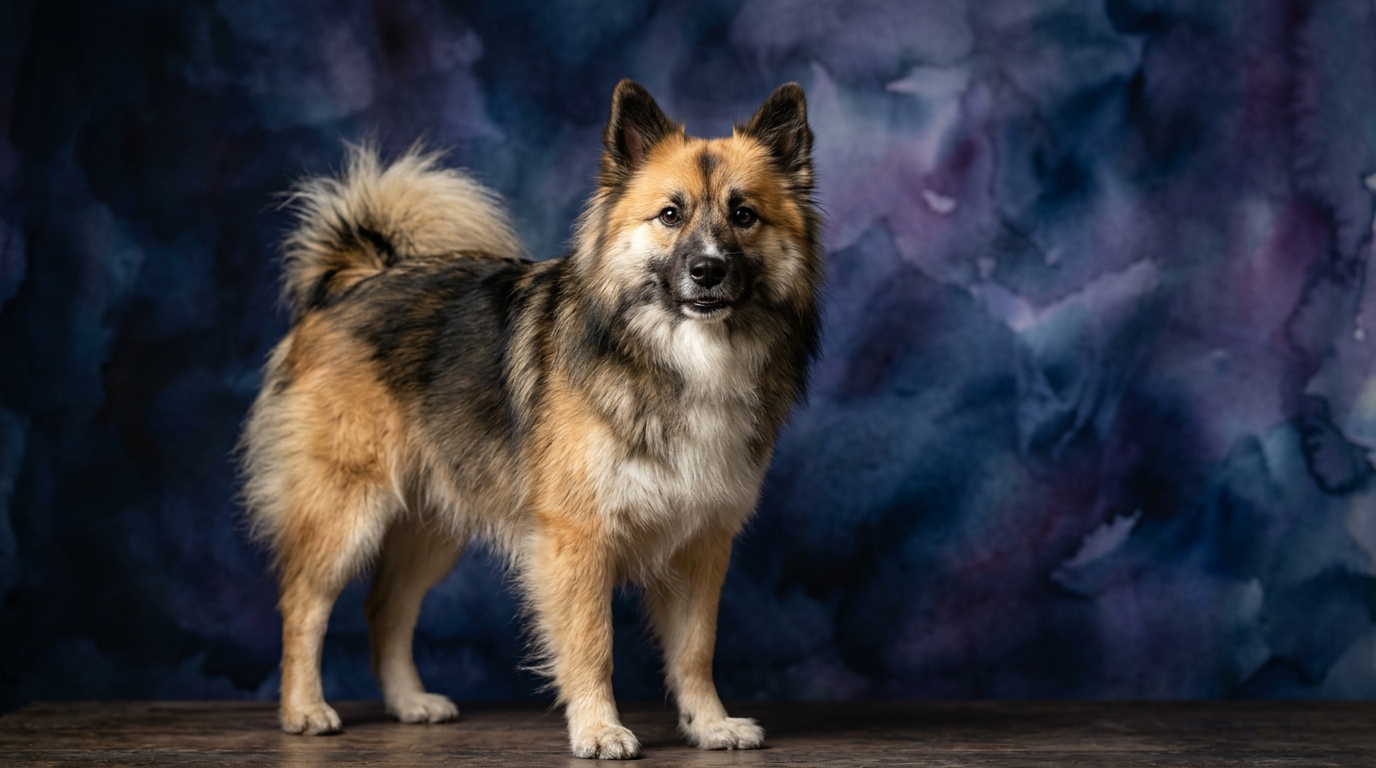
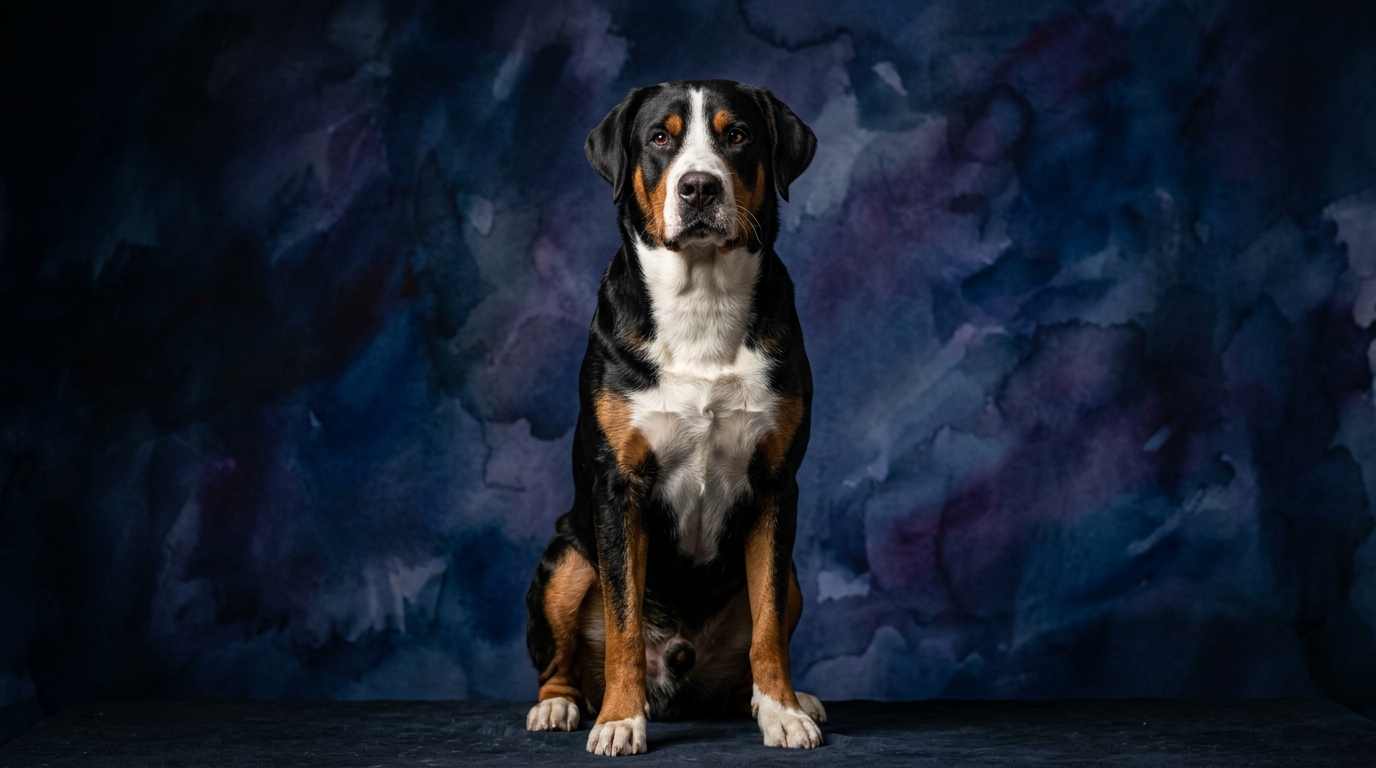
Side-by-Side Cognitive Profiles
While both the Icelandic Sheepdog and the Greater Swiss Mountain Dog register a consistent 3/5 across our five cognitive dimensions, their breed-specific histories and typical temperaments mean these scores manifest in distinct ways. Understanding these nuances provides a richer picture of their intellectual capabilities beyond mere numbers.
The Icelandic Sheepdog, a member of the Herding group, demonstrates its Problem Solving at a 3/5 level through quick, adaptive thinking in fluid situations. This involves anticipating the unpredictable movements of livestock, finding efficient routes, or identifying stray animals. Its Training Speed, also 3/5, reflects a readiness to learn new commands and a responsiveness to handler cues, though its independent herding spirit means it thrives on engagement and purpose-driven tasks. Social Intelligence, rated 3/5, is evident in its keen awareness of flock dynamics and a cooperative nature with its human shepherd, allowing it to read subtle cues and intentions within its social group. Its Instinctive Drive, a 3/5, is powerfully geared towards gathering and controlling, often accompanied by characteristic vocalizations, driven by movement and the desire to manage. Finally, its Memory, at 3/5, is proficient for recalling complex patterns, familiar routes, and a wide array of learned commands pertinent to its working role.
The Greater Swiss Mountain Dog, from the Working group, exhibits a deliberate and sturdy Problem Solving capacity at 3/5. This manifests as practical solutions to physical challenges, such as navigating obstacles while performing carting duties or assessing boundaries with a calm, watchful demeanor. Its Training Speed, also 3/5, points to a thoughtful learning process; these dogs often require clear, consistent instructions and a perceived purpose for tasks, but once a command is mastered, it tends to be deeply ingrained and reliable. Social Intelligence, at 3/5, is characterized by deep loyalty and a protective instinct towards its family, coupled with a discerning ability to differentiate between welcomed visitors and potential threats, often expressed through calm observation rather than immediate reaction. Its Instinctive Drive, a 3/5, centers on tasks requiring strength, endurance, and steadfast companionship, such as pulling, guarding, or being a watchful family presence, rather than agile pursuit. The breed's Memory, also 3/5, is strong for routines, established territories, familiar individuals, and tasks that are consistently reinforced and hold clear value.
Where the Icelandic Sheepdog Excels Cognitively
The Icelandic Sheepdog's cognitive strengths truly shine in environments demanding rapid adaptation and nuanced interaction. Its 3/5 problem-solving is adept at real-time, dynamic decision-making, crucial for managing a scattered flock or navigating varied terrain quickly. This quick-wittedness, combined with its 3/5 social intelligence, allows it to excel in tasks requiring sophisticated communication and cooperation within a complex, moving group, be it sheep or humans. The breed's ability to process and react to multiple stimuli simultaneously gives it an edge in fast-paced, fluid situations.
Where the Greater Swiss Mountain Dog Excels Cognitively
The Greater Swiss Mountain Dog demonstrates its cognitive prowess in areas demanding stability, deliberate action, and a strong sense of purpose. Its 3/5 problem-solving capability is particularly suited for physical challenges, such as assessing the weight and balance required for pulling tasks or confidently navigating complex physical spaces. This thoughtful approach, combined with its 3/5 social intelligence, allows it to provide unwavering loyalty and protective oversight, often acting as a calm, watchful guardian rather than a frantic reactor. The breed's capacity for steady, reliable work over extended periods underscores its cognitive strengths in endurance and consistent application of learned skills.
Training Dynamics: Icelandic Sheepdog vs. Greater Swiss Mountain Dog
Despite both breeds scoring 3/5 for Training Speed, the practical experience of training them differs due to their inherent behavioral traits. The Icelandic Sheepdog, with its herding heritage, is often eager to engage and respond to positive reinforcement, quickly picking up new commands when motivated by interactive play or praise. However, their strong instinctive drive means they can be easily distracted by movement or novel stimuli, requiring consistent focus training and a confident handler to channel their enthusiasm. Their vocal nature, a part of their herding repertoire, also requires specific training to manage in a home setting.
The Greater Swiss Mountain Dog, while equally capable of learning, approaches training with a more deliberate and thoughtful demeanor. They may not demonstrate the same initial burst of enthusiasm as a herding dog, often taking time to process and understand the 'why' behind a command. Once they grasp a concept, however, their learning is typically robust and reliable, making them consistent performers. Their independence and size necessitate early, consistent, and fair training to establish clear boundaries and expectations, as they are less prone to frantic distraction but may require more patience to overcome perceived stubbornness or a lack of motivation for repetitive, unpurposeful tasks.
Matching Breeds to Lifestyles: Active vs. Relaxed Owners
The Icelandic Sheepdog is an ideal companion for active owners who relish daily engagement and structured activities. Their herding background necessitates significant mental and physical stimulation; they thrive on having a 'job,' whether it's participating in agility, herding trials, or long, exploratory hikes. An owner who can provide consistent opportunities for problem-solving and interaction will find their cognitive strengths truly shine, as this breed is not content with a sedentary lifestyle and can become restless without an outlet for its energy and intelligence.
The Greater Swiss Mountain Dog, while powerful and requiring regular exercise, is generally better suited for owners who appreciate a steady, loyal presence and a more deliberate pace. They enjoy being an integral part of family life and, once their exercise needs are met, are typically calm indoors. Their activity requirements involve moderate, consistent exercise such as daily walks, pulling tasks, or supervised outdoor time, rather than constant, high-intensity engagement. They are not suited for entirely sedentary individuals, but their 'active' is more about endurance and strength than the rapid-fire agility of a herding dog, making them a good fit for those who prefer a strong, dependable companion over a constantly busy one.
The Verdict
Choose the Icelandic Sheepdog if you seek an interactive, quick-thinking companion for dynamic activities like agility or herding, and enjoy providing consistent mental engagement.
Opt for the Greater Swiss Mountain Dog if you desire a steadfast, protective family member who excels in strength-based tasks and values a calm, deliberate presence, provided you offer consistent training and exercise.
🧠 Find Your Pet's IQ Score
Our Pet IQ Lab assessment covers 25+ tests across 5 cognitive dimensions — personalized to your breed.
Take the Full IQ Test →Frequently Asked Questions
Do Icelandic Sheepdogs bark a lot?
Yes, their natural herding instinct often includes vocalization to gather or move sheep, which can translate to frequent barking in a home environment. While this makes them vigilant watchdogs, it requires consistent training to manage and channel appropriately.
Are Greater Swiss Mountain Dogs good with children?
Generally, yes, Greater Swiss Mountain Dogs are known for their calm and patient demeanor, often forming strong, protective bonds with their family, including children. However, due to their impressive size and strength, supervision is always essential to prevent accidental bumps or tumbles with smaller children.
How much exercise does each breed need?
The Icelandic Sheepdog requires substantial daily mental and physical stimulation, thriving on activities that engage its herding drive and agile mind. The Greater Swiss Mountain Dog needs regular, moderate exercise, such as daily walks or pulling tasks, but is less prone to hyperactive indoor behavior once adequately exercised, preferring a steady pace.