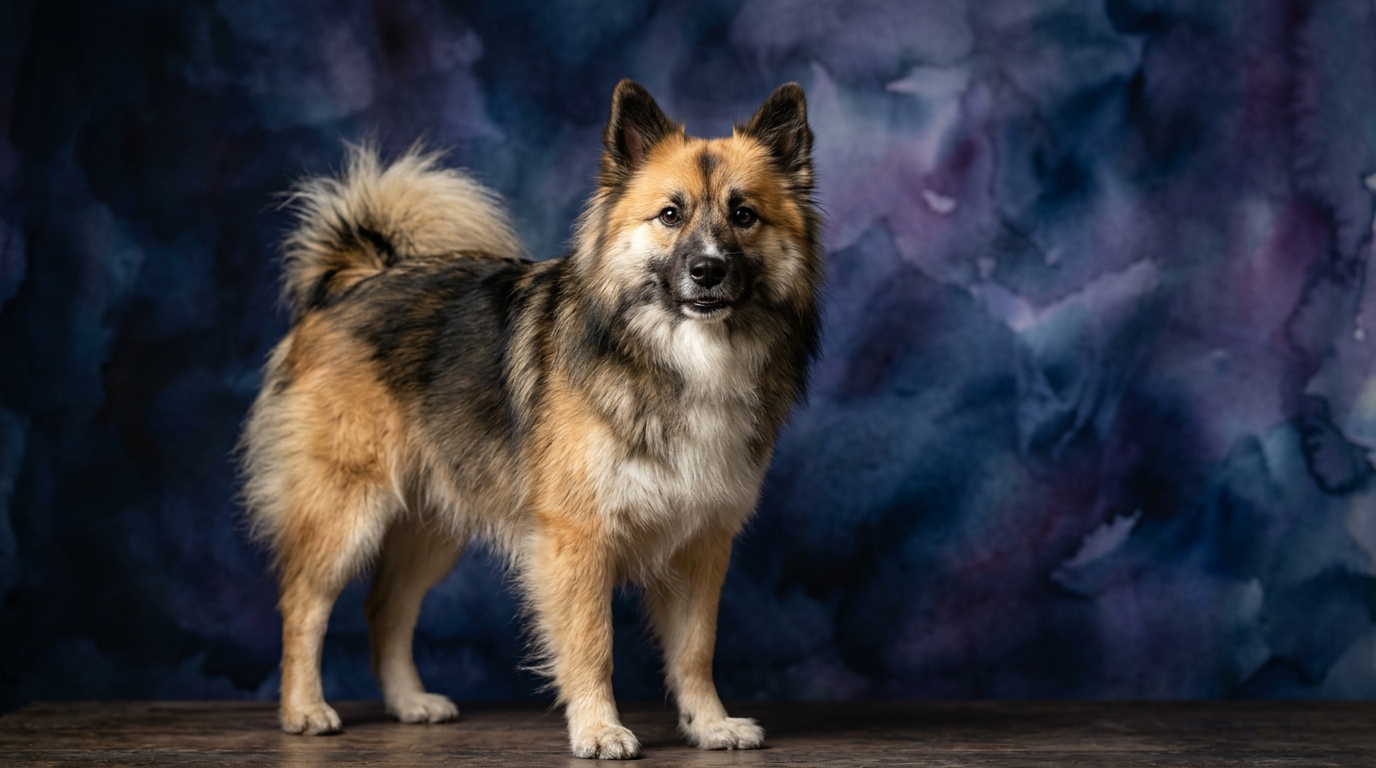
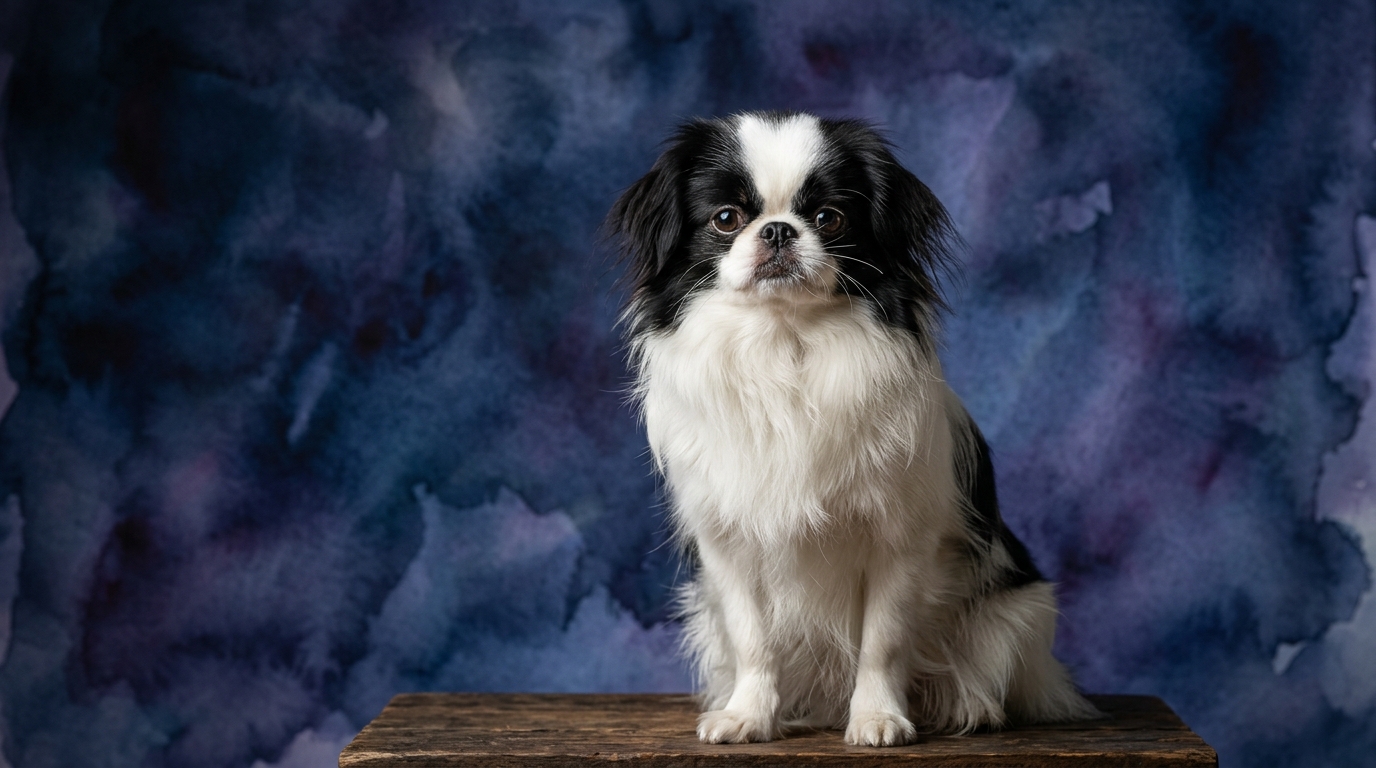
Side-by-Side Cognitive Profiles: Decoding the 3/5 Score
A 3/5 rating across all cognitive dimensions from The Cosmic Pet Pet IQ Lab indicates a solid, competent level of intelligence for both the Icelandic Sheepdog and the Japanese Chin, but the *application* of these abilities is where their unique breed histories truly shine. This isn't a measure of absolute mental horsepower, but rather how effectively they engage with their specific worlds.
For Problem Solving (3/5), the Icelandic Sheepdog demonstrates practical ingenuity in environmental challenges, such as figuring out how to move a reluctant sheep or navigating complex, varied terrain efficiently. Their solutions are often rooted in spatial awareness and strategic thinking directly tied to their herding tasks. The Japanese Chin, conversely, applies this same cognitive capacity to their social sphere, devising clever ways to solicit attention, manipulate objects for play, or navigate their domestic environment for comfort or entertainment. Their problem-solving is typically geared towards social interaction or personal contentment within a home.
Regarding Training Speed (3/5), both breeds learn new commands and routines at a moderate pace, thriving on consistent, positive reinforcement rather than instant mastery. The Icelandic Sheepdog, while generally eager to engage, can exhibit an independent streak, a valuable trait from their need to make autonomous decisions while herding; this means training benefits from clear purpose and engaging methods. The Japanese Chin also learns readily with gentle, fun-based training, but their independent, sometimes 'cat-like' nature means they might choose to comply only when sufficiently motivated or if the task genuinely interests them, often valuing comfort over strict obedience.
Social Intelligence (3/5) highlights a strong capacity for understanding and responding to social cues. The Icelandic Sheepdog excels at communicating effectively with human handlers and managing flock dynamics, demonstrating an understanding of group behaviors and individual animal temperaments within a working context. They are attuned to their family's moods and the nuances of their environment. The Japanese Chin, on the other hand, is exquisitely tuned to human emotions, forming deep, empathetic bonds and adapting their behavior to fit household routines; their social acumen is finely honed for companionship, often anticipating their owner's needs with subtle cues and expressions.
Instinctive Drive (3/5) signifies a distinct, moderate level of innate, purpose-driven behaviors. For the Icelandic Sheepdog, this manifests as a strong herding instinct, often seen in their desire to gather family members or 'herd' other pets, accompanied by a tendency to bark as an alert. This drive requires appropriate outlets to prevent frustration. The Japanese Chin's instinctive drive leans more towards companionship and playful interaction; they possess a moderate desire for attention and engagement, often expressed through charming antics, a curious exploration of their immediate surroundings, or a desire for physical closeness, rather than a strong prey or work drive.
Finally, Memory (3/5) indicates a reliable ability to recall learned commands, routines, and past experiences. The Icelandic Sheepdog utilizes this to remember complex routes on the farm, the location of specific animals, and the commands associated with their duties, building on past successes and failures in their working life. The Japanese Chin leverages its memory to recall household schedules, favorite people and places, and specific interactions, allowing them to anticipate events and form lasting associations, whether positive or negative, with their environment and companions, crucial for their role as a devoted companion.
Where the Icelandic Sheepdog's Cognition Shines
While both breeds score identically, the Icelandic Sheepdog's cognitive strengths particularly shine in scenarios demanding independent thought and proactive decision-making within dynamic, often challenging outdoor environments. Their 3/5 problem-solving ability is geared towards practical, spatial challenges; they excel at figuring out how to navigate obstacles or manage a group of animals without constant human direction, a direct legacy of their herding ancestry. This breed's social intelligence, also 3/5, extends beyond just human interaction to understanding and influencing animal group dynamics, a nuanced skill vital for effective herding. Their memory and instinctive drive are uniquely applied to recalling complex landscapes and executing tasks that require a sustained, independent focus on a specific objective, such as locating lost sheep or maintaining flock cohesion over varied terrain. They demonstrate a robust, resilient form of intelligence built for purpose and endurance.
Where the Japanese Chin's Cognition Excels
Conversely, the Japanese Chin's cognitive strengths are particularly evident in the realm of nuanced social interaction and adaptability within a domestic setting. Their 3/5 problem-solving ability, while numerically similar, manifests as clever strategies for engaging with their human companions, perhaps figuring out how to get a preferred treat or initiate a game of chase. Their social intelligence, also 3/5, is exquisitely tuned to human emotions and subtle cues, allowing them to form exceptionally strong, empathetic bonds and often anticipate their owner's needs with uncanny accuracy. This breed's memory, at 3/5, is adept at recalling intricate social routines and preferences, making them highly adaptable and responsive household members. Their instinctive drive, while not for herding, is a 3/5 for seeking and maintaining companionship, making them masters of charming engagement and subtle communication within the home.
Training Dynamics: Understanding Motivation
Given their identical 3/5 training speed, neither breed presents an inherently 'easy' or 'difficult' case; instead, the ease of training hinges on understanding their distinct motivations and behavioral predispositions. The Icelandic Sheepdog, with its strong 3/5 instinctive drive for herding and its independent problem-solving (3/5), thrives on training that provides a clear purpose and mental engagement. They respond best to methods that channel their natural desire to work and participate, often excelling in activities like agility or obedience trials where they can apply their practical intelligence. However, their independent streak means that repetitive, unstimulating tasks might lead to disengagement, requiring patient and creative approaches to maintain focus and cooperation.
The Japanese Chin, also at a 3/5 for training speed, learns readily when training is framed as a positive, playful interaction. Their high social intelligence (3/5) means they are keen to please their beloved companions, but their more independent, sometimes 'cat-like' nature and lower instinctive drive for traditional work can mean they might be less consistently motivated by external commands alone. They excel with gentle, reward-based methods and positive reinforcement, particularly when the training session also serves as a bonding experience and an opportunity for close interaction. Ultimately, 'easier' is subjective: the Icelandic Sheepdog might be more straightforward for an owner seeking a working partner, while the Japanese Chin might be more amenable to an owner prioritizing joyful, low-pressure companionship.
Lifestyle Match: Active vs. Relaxed Owners
When considering lifestyle compatibility, the Icelandic Sheepdog is undeniably better suited for active owners. Their 3/5 instinctive drive, rooted in herding, means they possess significant energy and a deep-seated need for both vigorous physical activity and consistent mental stimulation. Owners who can provide regular, robust exercise, engage them in dog sports, or offer 'jobs' around the home will find their Icelandic Sheepdog to be a happy, well-adjusted companion. Their practical problem-solving (3/5) and social intelligence (3/5) are best utilized when they are actively involved in family life and given opportunities to think, explore, and interact in a meaningful way.
Conversely, the Japanese Chin is an ideal match for more relaxed owners. While they certainly enjoy playtime and short, leisurely walks, their instinctive drive (3/5) is primarily geared towards companionship and comfort rather than strenuous activity. They are content with indoor games, lap time, and being a close, affectionate presence within the home. Their finely-tuned social intelligence (3/5) and adaptability make them excellent apartment dwellers who thrive on consistent human interaction and a predictable, calm environment rather than extensive outdoor adventures. For those seeking a charming, devoted, and relatively low-energy indoor companion, the Japanese Chin's cognitive and physical needs align perfectly with a more tranquil lifestyle.
The Verdict
If you are an active individual or family seeking a mentally engaged, robust companion for outdoor adventures and structured activities, the Icelandic Sheepdog, with its practical problem-solving and strong working drive, will thrive.
For those desiring a gentle, adaptable, and profoundly affectionate indoor companion who excels at subtle social interaction and a more relaxed pace of life, the Japanese Chin is the perfect choice.
🧠 Find Your Pet's IQ Score
Our Pet IQ Lab assessment covers 25+ tests across 5 cognitive dimensions — personalized to your breed.
Take the Full IQ Test →Frequently Asked Questions
Do identical IQ scores mean these breeds are equally 'smart'?
Identical 3/5 scores indicate a similar *level* of cognitive ability across the measured dimensions, but not necessarily identical *application* or *manifestation* of that intelligence. Their historical roles mean they apply these abilities to very different contexts, making one more adept in certain situations than the other due to specific evolutionary pressures.
Can an Icelandic Sheepdog be a good apartment dog?
While adaptable, an Icelandic Sheepdog would generally struggle in an apartment without significant commitment to daily, vigorous exercise and mental stimulation. Their 3/5 instinctive drive for herding and need for space means they require more than just short walks to prevent boredom, frustration, and potentially destructive behaviors, thriving best with a yard or regular access to open spaces.
Is the Japanese Chin always a quiet dog?
While generally not excessive barkers, Japanese Chins do communicate. Their 3/5 social intelligence means they'll use various vocalizations and body language to express needs or contentment, and some can be quite vocal when excited or seeking attention, though typically not as boisterous or prone to sustained barking as a herding breed.