Side-by-Side Cognitive Profile: Icelandic vs. Polish Lowland Sheepdog
While both the Icelandic Sheepdog and the Polish Lowland Sheepdog register a consistent 3 out of 5 across all five cognitive dimensions in our Pet IQ Lab, the manifestation of these abilities differs significantly due to their distinct historical roles and temperaments. This section details how each breed embodies these shared scores.
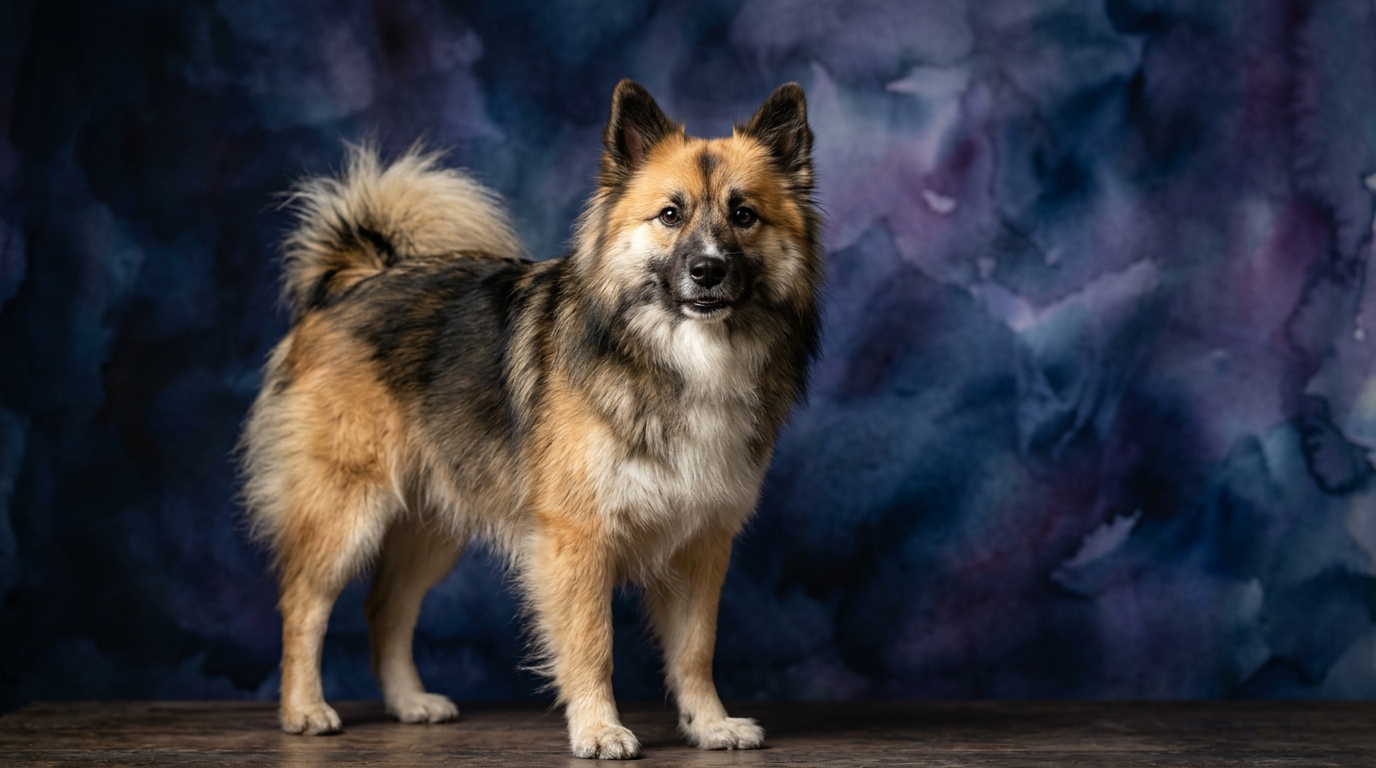
The **Icelandic Sheepdog** demonstrates practical problem-solving (3/5) honed by centuries of navigating challenging, varied terrain and managing scattered livestock. They excel at finding solutions within their immediate environment, often through observation and adaptive trial-and-error to re-gather a wayward sheep or navigate a difficult path. Their training speed (3/5) is characterized by an eagerness to please, making them generally receptive to new commands; however, their independent spirit means consistent, engaging methods are crucial. Social intelligence (3/5) is a hallmark of the breed, stemming from their close companionship with humans, allowing them to be highly attuned to emotional and social cues within their family unit. Their instinctive drive (3/5) is primarily herding, extending to a desire to keep their human 'flock' together, coupled with a strong exploratory impulse. Finally, their memory (3/5) is solid for commands, routines, and the layout of their territory, aiding in consistent performance and navigation.
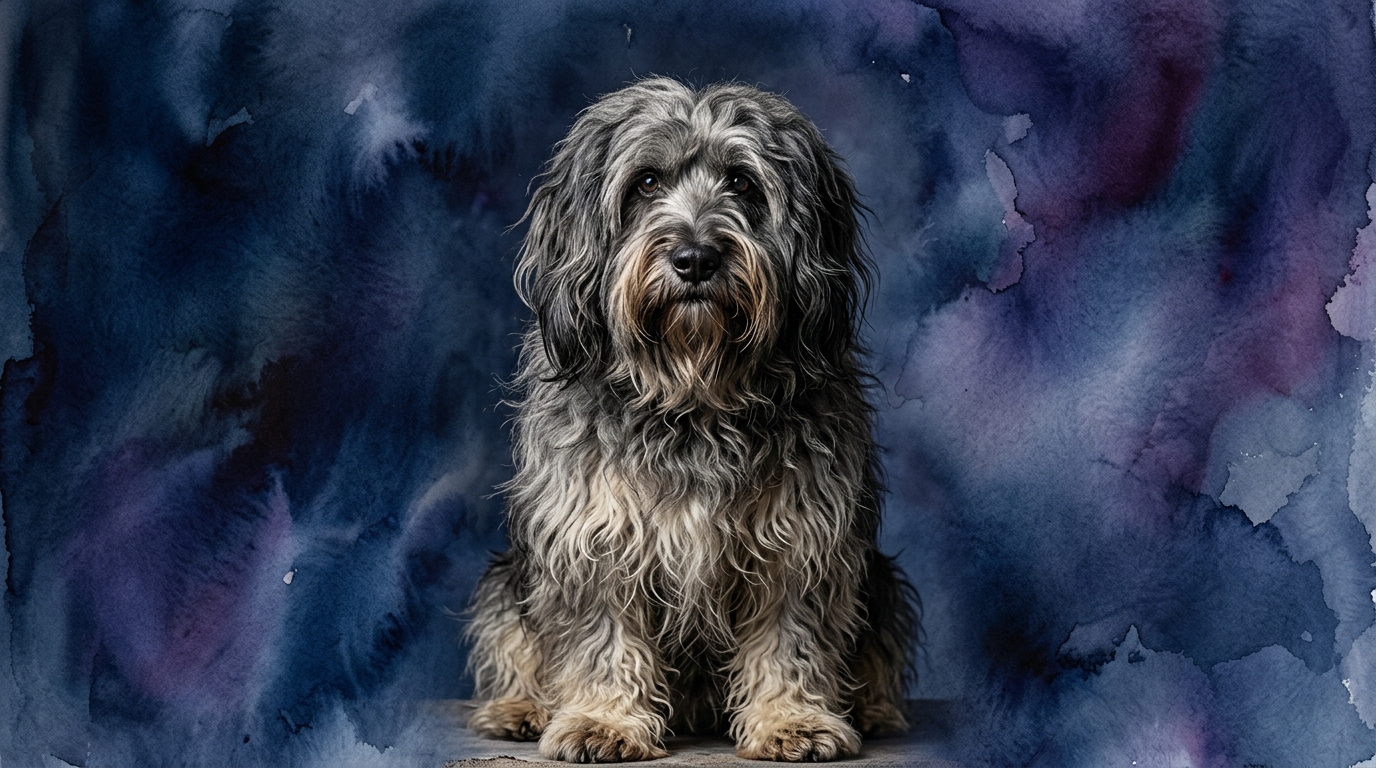
The **Polish Lowland Sheepdog** also exhibits a problem-solving ability (3/5), but theirs is rooted in vigilant guardianship and herding. They are adept at assessing situations, such as identifying potential threats to their flock or family, often employing a thoughtful, observational approach before acting to manage or deter. Their training speed (3/5) reflects their intelligence, yet their independent nature and strong will necessitate patience and consistency, as they thrive on mental challenges and clear expectations rather than simple repetition. Social intelligence (3/5) for the Polish Lowland Sheepdog is discerning; they form deep bonds with their immediate family, understanding complex household dynamics, but are often reserved with strangers, reading intentions carefully. Their instinctive drive (3/5) is a strong blend of guarding and herding, manifesting as a desire to protect their territory and keep their 'flock' in order. Their memory (3/5) is good, particularly for people, places, and established routines, which is vital for their territorial duties and consistent execution of learned behaviors.
Where the Icelandic Sheepdog Shows Distinct Cognitive Strengths
While their numeric scores align, the Icelandic Sheepdog often shows a subtle edge in rapid adaptability to dynamic environmental shifts. Their historical role demanded quick, independent decisions in unpredictable weather and terrain, fostering a cognitive flexibility that enables them to adjust strategies effectively when faced with novel outdoor challenges. This translates into a more spontaneous problem-solving approach in varied environments, relying less on rigid routine and more on immediate assessment and creative improvisation.
Where the Polish Lowland Sheepdog Shows Distinct Cognitive Strengths
Conversely, the Polish Lowland Sheepdog demonstrates a particular cognitive strength in discerning and evaluating potential threats or anomalies within their established territory. Their deep-rooted guarding instincts have refined their observational skills, enabling them to quickly identify unusual sounds, movements, or scents and assess their implications. This results in superior situational awareness within their familiar domain, making them particularly adept at recognizing deviations from the norm and acting accordingly, often with a thoughtful, measured response rather than immediate, impulsive action.
Training Dynamics: Which Breed is More Amenable?
Given their shared 3/5 training speed, the distinction in ease of training largely comes down to temperament and intrinsic motivation. The Icelandic Sheepdog, shaped by centuries of close partnership with humans, generally exhibits a stronger desire to please and a more open, enthusiastic approach to learning. This eagerness, coupled with their social intelligence, means they often respond more readily to positive reinforcement and find joy in cooperative training exercises, making the process feel more intuitive and fluid for a dedicated owner. Their willingness to engage and work alongside their person often translates to quicker uptake of new commands when an owner is consistent and makes training fun, viewing it as a shared activity.
The Polish Lowland Sheepdog, while equally capable of learning complex tasks, often displays a more independent and discerning nature. Their history as guardians means they are wired to think for themselves, which can sometimes be perceived as stubbornness if not approached correctly. They thrive on mental challenges and clear, consistent boundaries, but may require more patience and creative training methods to keep them engaged. They learn effectively, but an owner must earn their respect and demonstrate leadership, as they are less likely to simply comply without understanding the 'why' or being sufficiently motivated. Their training requires an owner who appreciates a thinking dog and can provide varied, stimulating lessons, focusing on building a strong relationship based on mutual respect.
Matching Lifestyles: Active vs. Relaxed Owners
The Icelandic Sheepdog is a better fit for active owners who relish outdoor adventures and consistent engagement. Their background as agile herders in a rugged landscape means they possess a sustained energy level and a keen desire for exploration. They thrive on daily walks, hikes, or mentally stimulating activities like dog sports that challenge both their bodies and minds. A more relaxed owner might find it challenging to meet their needs for activity and companionship, potentially leading to boredom or restless behaviors if not adequately addressed.
The Polish Lowland Sheepdog, while also requiring regular exercise, can suit a slightly less intensely active owner, provided their mental needs are met. They are adaptable and enjoy structured walks and playtime, but their guarding instincts mean they also appreciate downtime within their home territory. While they benefit from physical activity, their cognitive drive is often more focused on observation, problem-solving within their environment, and mental stimulation. Owners who enjoy puzzle toys, scent work, or consistent, varied training sessions to challenge their intellect might find the Polish Lowland Sheepdog a rewarding companion, even if daily long hikes aren't always on the agenda.
The Verdict
Opt for the Icelandic Sheepdog if you're an active owner seeking an enthusiastic, adaptable companion for outdoor adventures and cooperative training, valuing their keen social intuition and eagerness to please. They thrive on close partnership and consistent engagement in varied environments.
Select the Polish Lowland Sheepdog if you appreciate a discerning, thoughtful companion with strong guarding instincts, capable of independent decision-making and thriving on mental challenges and structured routines within their home territory. They suit owners who can provide consistent leadership and varied mental stimulation.
🧠 Find Your Pet's IQ Score
Our Pet IQ Lab assessment covers 25+ tests across 5 cognitive dimensions — personalized to your breed.
Take the Full IQ Test →Frequently Asked Questions
Do Icelandic Sheepdogs make good family pets?
Yes, Icelandic Sheepdogs generally make excellent family pets due to their friendly, adaptable, and socially intelligent nature. They form strong bonds with all family members, including children, and often enjoy being involved in household activities, making them cherished companions.
Are Polish Lowland Sheepdogs good with strangers?
Polish Lowland Sheepdogs are typically reserved and discerning with strangers, a trait stemming from their guarding instincts. While not aggressive, they will assess new people cautiously before accepting them, requiring proper socialization to ensure they are polite and well-adjusted in public.
How much exercise do these breeds need daily?
Both breeds require moderate to high levels of daily exercise and mental stimulation, typically 60-90 minutes of vigorous activity. The Icelandic Sheepdog prefers varied outdoor adventures, while the Polish Lowland Sheepdog also benefits from mental challenges like training and puzzle toys alongside their physical activity.