Side-by-Side Cognitive Profiles
At The Cosmic Pet Pet IQ Lab, we evaluate canine intelligence across five key dimensions. Both the Icelandic Sheepdog and the Scottish Terrier achieve a solid 3/5 rating in problem-solving, training speed, social intelligence, instinctive drive, and memory, suggesting a balanced cognitive toolkit. However, the manifestation of these scores differs significantly based on their breed groups and original functions.
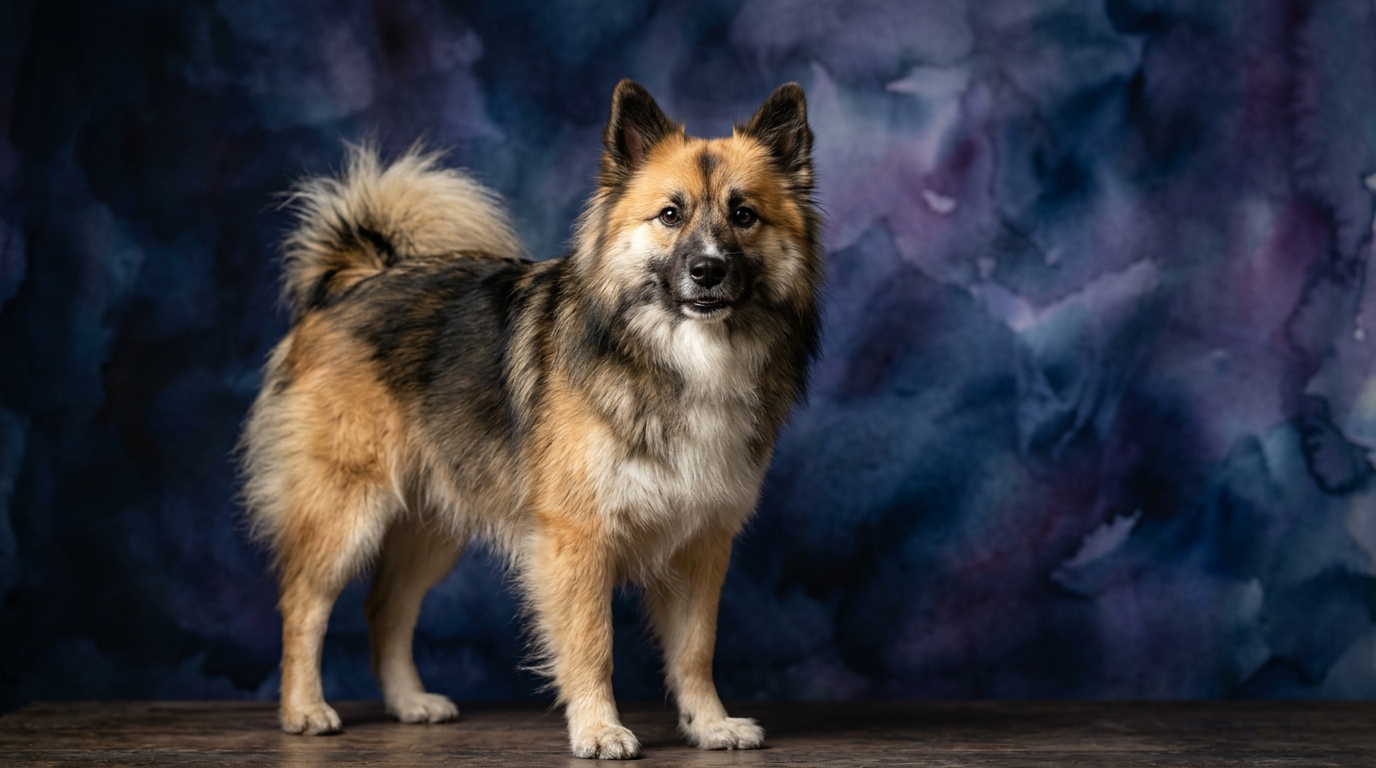
For the Icelandic Sheepdog, a Herding breed, a 3/5 in problem-solving often translates to their ability to strategize livestock movement, navigating varied terrain to gather or direct animals effectively. Their 3/5 training speed reflects a willingness to learn and execute complex multi-step commands necessary for herding tasks, often driven by a desire to cooperate with their handler. Social intelligence at 3/5 indicates an aptitude for reading group dynamics, whether a flock of sheep or their human family, and responding appropriately. Their 3/5 instinctive drive is clearly rooted in their inherent herding impulse, a powerful motivation to keep things together. Finally, a 3/5 memory allows them to recall intricate routes, specific commands, and the locations of their charges, essential for their working role.
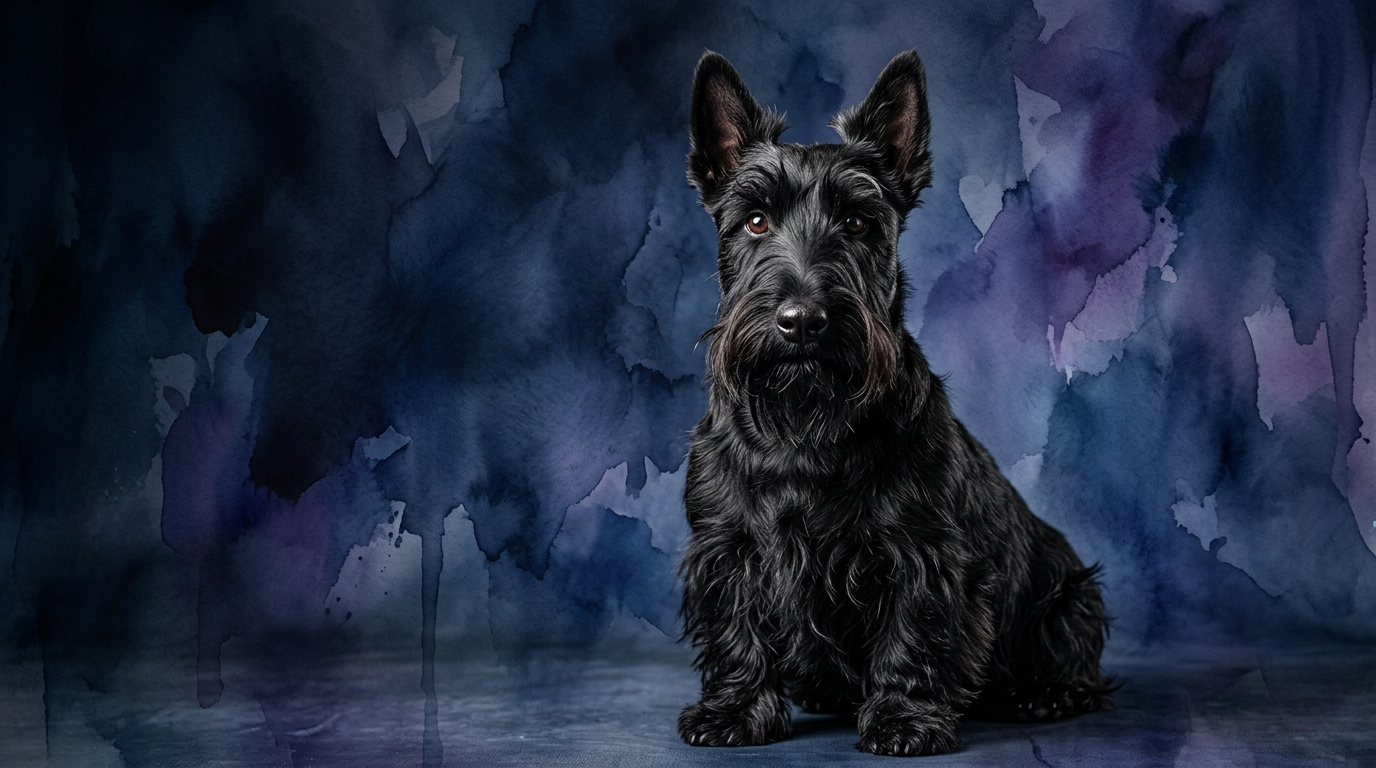
The Scottish Terrier, a Terrier breed with a Coren rank of #65, applies its 3/5 problem-solving acumen to different challenges, typically those involving independent hunting and exploration. This might include figuring out how to access a burrow or outsmarting small prey. Their 3/5 training speed suggests they are capable learners, but their independent nature often means they require more compelling motivation and consistency to engage fully in formal training. A 3/5 in social intelligence enables them to assess new people and situations with a discerning eye, often forming strong bonds with their chosen few while maintaining a reserved stance with strangers. Their 3/5 instinctive drive is characterized by a tenacious prey drive, a persistent urge to dig, chase, and investigate. A 3/5 memory helps them recall the locations of interesting scents, past encounters, and the layout of their territory, crucial for their self-reliant activities.
Where the Icelandic Sheepdog Excels Cognitively
The Icelandic Sheepdog's cognitive strengths truly shine in cooperative, dynamic environments where communication and adaptability are paramount. Their 3/5 social intelligence, combined with their herding instinct, gives them an edge in situations requiring nuanced interaction and response to subtle cues. They are adept at anticipating handler intentions and adjusting their actions in real-time, whether that's during agility courses or managing a group of children. This breed demonstrates a particular talent for 'reading the room,' making them highly responsive companions in family settings.
Their problem-solving at a 3/5 level is often geared towards open-ended, fluid situations rather than singular, target-oriented tasks. An Icelandic Sheepdog might excel at finding a lost item by systematically searching an area, or by figuring out a novel way to move an obstacle, always with an eye towards the broader objective. Their memory, also 3/5, supports this by allowing them to quickly learn and retain complex sequences of actions and spatial relationships, which is invaluable for intricate training routines or navigating new environments efficiently.
Where the Scottish Terrier Excels Cognitively
The Scottish Terrier's cognitive prowess is most evident in its independent thinking and unwavering focus on a chosen task. Their 3/5 problem-solving ability manifests as a determined, often ingenious approach to overcoming obstacles, particularly when their strong 3/5 instinctive drive for prey is activated. This can mean figuring out how to tunnel under a fence or meticulously investigating a scent trail, demonstrating remarkable persistence until their curiosity is satisfied or their goal achieved.
Their social intelligence, while rated 3/5, is often expressed through a keen ability to assess and interpret their immediate environment and the intentions of individuals, rather than a desire for constant engagement. A Scottish Terrier might quickly discern who in the family is most likely to provide a treat or who is amenable to a quiet snuggle, asserting their preferences with a subtle but firm communication style. Their memory, at 3/5, is particularly strong for spatial details and sensory information, allowing them to remember where certain interesting smells were found or the precise route to a favorite digging spot, showcasing a practical, self-serving application of their recall abilities.
Training Dynamics: Cooperation vs. Conviction
When considering ease of training, the Icelandic Sheepdog generally presents a more straightforward path for the average owner due to their inherent desire to cooperate and please. Their 3/5 training speed is often amplified by their strong social intelligence and herding instincts, which predispose them to work in partnership with humans. They tend to be eager to learn and respond well to positive reinforcement, quickly grasping new commands and enjoying the mental stimulation of structured training sessions. This collaborative spirit means they are often more forgiving of handler errors and maintain enthusiasm for learning.
The Scottish Terrier, while also rated 3/5 for training speed, requires a different approach. Their independent nature and formidable 3/5 instinctive drive mean that training must be highly engaging, consistent, and demonstrate clear value to the dog. A Scottie will learn, but they will often weigh whether a command is worth their effort or if their own agenda is more pressing. Overcoming their natural tenacity and strong prey drive requires patience, creativity, and a firm but fair hand. Owners must be prepared to make training a game and maintain a sense of humor, as a Scottish Terrier's conviction in its own choices can be a significant factor.
Lifestyle Match: Active Engagement vs. Confident Companionship
The Icelandic Sheepdog is an ideal match for active owners who can provide consistent mental and physical engagement. Their herding background means they thrive on having a 'job,' whether that's participating in dog sports like agility or herding trials, or simply being involved in family activities that require their problem-solving and social intelligence. They need regular opportunities to run, explore, and use their cognitive abilities, making them well-suited for owners who enjoy hiking, long walks, or interactive play sessions. A sedentary lifestyle would likely lead to an understimulated and potentially restless Icelandic Sheepdog, as their 3/5 instinctive drive and social intelligence demand an outlet.
The Scottish Terrier, while certainly enjoying walks and playtime, can be a better fit for owners who appreciate a confident, less overtly demanding companion. While they require daily exercise to satisfy their physical needs and manage their 3/5 instinctive drive for chasing and digging, they may not require the same level of constant, cooperative engagement as the Icelandic Sheepdog. They are often content with structured outdoor activities followed by periods of independent relaxation indoors. Owners should be prepared to manage their strong prey drive and provide secure environments for digging, but they don't necessarily demand constant human interaction, making them suitable for owners who might have a more relaxed daily routine but are still committed to meeting their specific breed needs.
The Verdict
Choose the Icelandic Sheepdog if you seek an enthusiastic, cooperative partner eager for shared activities and capable of nuanced social interaction within a dynamic household.
Opt for the Scottish Terrier if you appreciate an independent, tenacious companion with a discerning personality, who excels at self-motivated tasks and requires focused, consistent guidance.
🧠 Find Your Pet's IQ Score
Our Pet IQ Lab assessment covers 25+ tests across 5 cognitive dimensions — personalized to your breed.
Take the Full IQ Test →Frequently Asked Questions
Do Icelandic Sheepdogs bark a lot due to their herding instincts?
Yes, Icelandic Sheepdogs often use their voices to communicate, a trait stemming from their herding role where barking helps manage livestock. This vocalization can be managed with consistent training, but owners should expect a relatively vocal dog.
Are Scottish Terriers good with children and other pets?
Scottish Terriers can be good with children and other pets if properly socialized from a young age, but their independent nature and prey drive mean careful introductions are necessary. They tend to be more tolerant than overtly playful, preferring respectful interaction.
Which breed adapts better to apartment living?
Given proper exercise and mental stimulation, a Scottish Terrier might adapt slightly better to apartment living due to their more independent nature indoors. An Icelandic Sheepdog's strong herding drive and need for expansive activity generally make them more suited to homes with larger outdoor spaces.