Side-by-Side Cognitive Profiles: Decoding Identical Scores
At first glance, the cognitive profiles of the Icelandic Sheepdog and the Tibetan Terrier appear remarkably similar, with both breeds registering a consistent 3/5 across all five dimensions measured by The Cosmic Pet Pet IQ Lab. This uniformity in scores, however, belies underlying distinctions in how these cognitive strengths are applied and perceived in daily life, rooted deeply in their breed histories and purposes. Understanding these nuances requires looking beyond the numbers to the behavioral manifestations of their intellect.
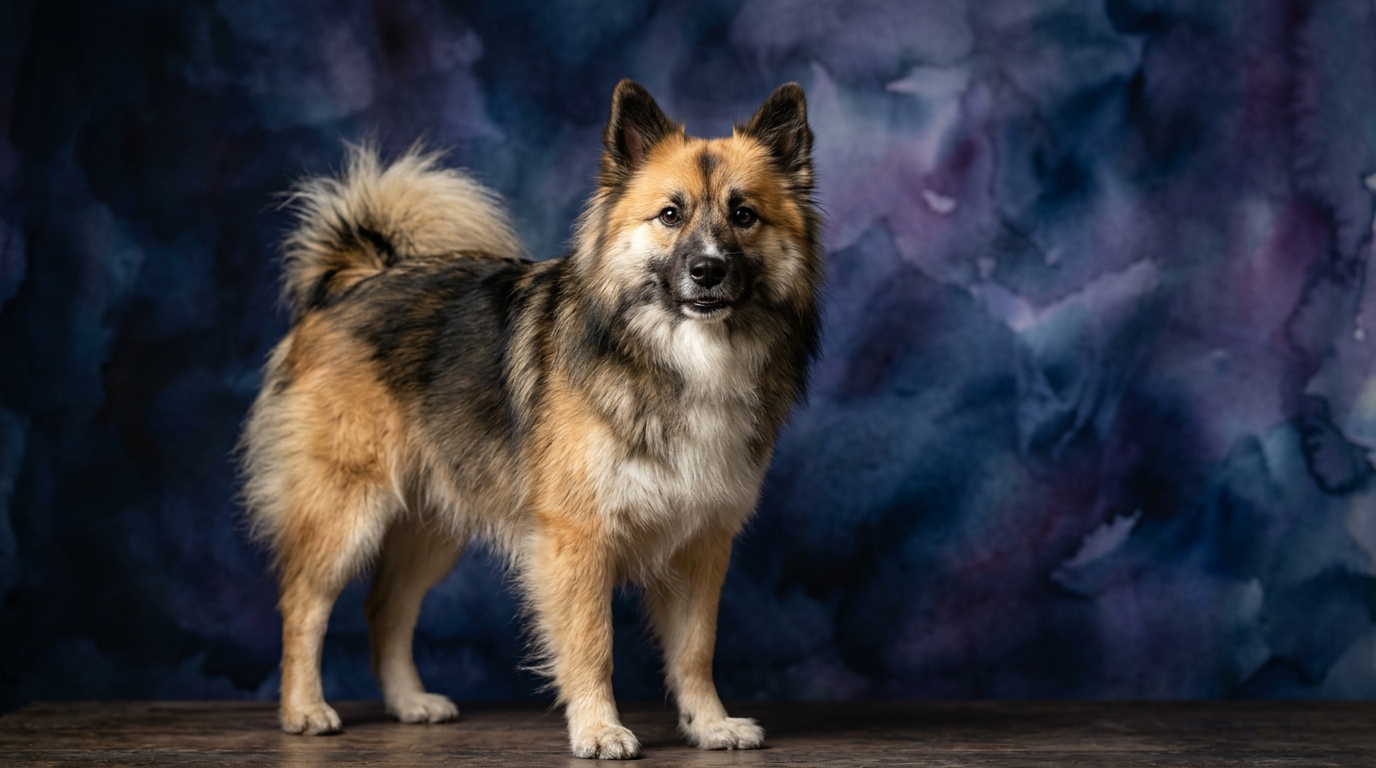
For the **Icelandic Sheepdog**, a Problem Solving score of 3/5 reflects its capacity for independent thought in dynamic environments. This isn't about solving complex puzzles in a lab, but rather making quick, effective decisions on the pastoral landscape, such as navigating challenging terrain to gather sheep or identifying stray lambs. Its Training Speed of 3/5 indicates a willingness to learn, but often with a strong sense of self-preservation and a need for clear, consistent guidance that respects its independent herding instincts. Social Intelligence at 3/5 means they are responsive to human cues and capable of forming strong bonds, but their primary social drive historically centered on working alongside a shepherd rather than purely as a companion. An Instinctive Drive of 3/5 is clearly tied to its herding heritage, a persistent urge to gather and manage, which requires redirection in a non-working home. Finally, a Memory score of 3/5 suggests they retain learned behaviors and routines effectively, crucial for tasks that require recall over varied conditions.
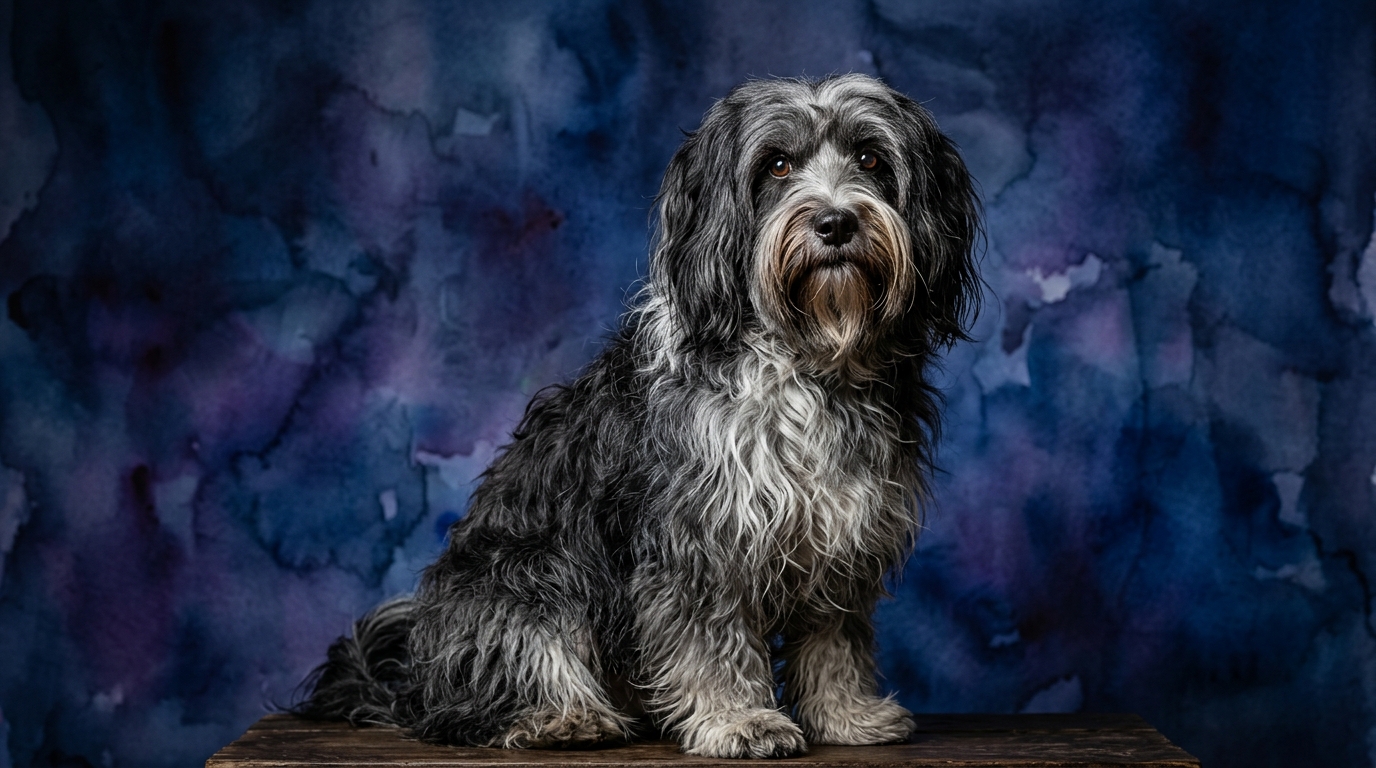
The **Tibetan Terrier**, also scoring 3/5 for Problem Solving, applies this ability differently. Hailing from monastery life, their problem-solving often involves navigating social dynamics within a family unit, figuring out how to alert to strangers, or ingeniously obtaining a desired toy or treat. Their Training Speed of 3/5 is reflective of a dog that learns at a good pace, but one that often has a 'what's in it for me' attitude, requiring motivation and engagement rather than strict rote learning. Social Intelligence at 3/5 is a significant asset for this breed; they excel at reading human emotions and adapting their behavior accordingly, making them highly attuned family members. Their Instinctive Drive, also 3/5, is rooted in their role as guardians and companions, manifesting as a watchful nature and a desire to be close to their people. A Memory score of 3/5 means they recall routines, commands, and family members with reliability, contributing to their adaptability and strong companion qualities. While not Coren-ranked, the Icelandic Sheepdog’s herding roots suggest a working intelligence, whereas the Tibetan Terrier's Coren rank of #63 places it squarely in the 'Average Working/Obedience Intelligence' category, indicating a solid capacity for learning and executing commands, reinforcing its 3/5 scores across the board.
Cognitive Edge: Where the Icelandic Sheepdog Shines
The Icelandic Sheepdog's cognitive strengths are most evident in scenarios demanding independent judgment and adaptability in dynamic, often unpredictable, outdoor environments. Its 3/5 Problem Solving and Instinctive Drive scores combine to create a dog exceptionally adept at practical, real-world challenges. For example, when tasked with gathering livestock across varied terrain or in changing weather conditions, an Icelandic Sheepdog is not merely following commands; it is actively assessing the situation, making independent decisions about the best route, and adjusting its approach based on the flock's movement. This capacity for autonomous, on-the-fly decision-making is a hallmark of its herding lineage.
Furthermore, their 3/5 Memory and Training Speed, combined with their strong herding drive, mean they can quickly learn and retain complex sequences of actions related to their work. This isn't just about 'sit' and 'stay'; it's about understanding the subtle cues of their handler, remembering the boundaries of a pasture, and recalling the specific behaviors of individual sheep. Their cognitive profile allows them to excel in activities like agility or competitive obedience that mimic the problem-solving and directional control required in herding, demonstrating a robust cognitive flexibility when channeling their natural instincts into structured tasks. They thrive when given a 'job' that engages both their body and their mind, leveraging their instinctive drive into purposeful action.
Cognitive Edge: Where the Tibetan Terrier Excels
The Tibetan Terrier's cognitive prowess, particularly its 3/5 Social Intelligence and Problem Solving, is best observed in its remarkable ability to integrate seamlessly into human family dynamics and act as a perceptive companion. Unlike the Icelandic Sheepdog's outdoor, task-oriented problem-solving, the Tibetan Terrier excels at navigating the intricacies of social living. They are adept at 'reading the room,' understanding human moods, and often anticipating needs or desires within their family unit. This manifests as a subtle cleverness in communicating their own wishes or in offering comfort when sensing distress.
Their 3/5 Memory and Training Speed, bolstered by their strong social intelligence, contribute to their adaptability and ease of living with humans. They quickly learn household routines, remember which family member is most likely to share a snack, and recall specific commands with consistency. This breed demonstrates a particular aptitude for tasks that involve close interaction and communication, such as therapy work or even complex trick training, where their social engagement and desire to please their people can be a strong motivator. Their Coren rank of #63 further underscores their solid capacity for learning and understanding, positioning them as attentive and capable learners within a companion setting.
Training Dynamics: Icelandic Sheepdog vs. Tibetan Terrier
Despite both breeds scoring 3/5 for Training Speed, their underlying motivations and behavioral tendencies mean that training approaches will differ significantly. The Icelandic Sheepdog, with its strong 3/5 Instinctive Drive for herding and a history of independent work, can present a training challenge if its natural inclinations are not understood and channeled. They are intelligent and capable of learning rapidly, but their independence means they often require consistent, positive reinforcement that clearly demonstrates the value of complying with human requests. Without appropriate outlets for their herding drive, they may try to 'herd' children, other pets, or even inanimate objects, requiring an owner to be proactive in providing mental and physical stimulation. Training with an Icelandic Sheepdog often involves shaping their natural instincts into desired behaviors, rather than extinguishing them.
The Tibetan Terrier, while equally capable of learning at a 3/5 pace, often approaches training with a more companion-oriented mindset, influenced by its 3/5 Social Intelligence. They are often motivated by praise, treats, and the desire to be involved with their family. However, their Problem Solving score can also manifest as a clever streak, meaning they might 'think for themselves' and choose not to comply if they don't see the immediate benefit or if they perceive an easier alternative. They can be prone to selective hearing if not consistently engaged, requiring patience, humor, and a variety of positive reinforcement techniques. While they may not have the strong herding drive of the Icelandic Sheepdog, their guardian instincts (3/5 Instinctive Drive) mean they can be vigilant and may require early socialization to prevent excessive barking or suspicion of strangers.
Lifestyle Suitability: Active vs. Relaxed Owners
The cognitive profiles of these two breeds naturally align them with different owner lifestyles. The Icelandic Sheepdog, with its 3/5 Instinctive Drive and Problem Solving geared towards outdoor work, is best suited for active owners who can provide consistent mental and physical stimulation. They thrive in environments where they have ample space to explore, opportunities for vigorous exercise, and engaging activities that challenge their intellect, such as dog sports like agility, herding trials, or advanced obedience. Owners who enjoy hiking, long walks, or have a property where the dog can engage in purposeful 'work' will find this breed a delightful and responsive companion. A relaxed, sedentary owner would likely find an Icelandic Sheepdog bored, frustrated, and potentially destructive, as their cognitive and physical needs are not being met.
The Tibetan Terrier, while certainly not a couch potato, offers more flexibility for owners with varying activity levels, thanks to its balanced 3/5 scores across the board, particularly its strong Social Intelligence. They enjoy walks, playtime, and mental games, but can also be content with quality time spent with their family indoors. Their adaptability makes them suitable for apartment living as long as their exercise and mental engagement needs are consistently met. Owners who appreciate a perceptive, interactive companion that enjoys both active outings and relaxed cuddle sessions will find the Tibetan Terrier a wonderful fit. They still require daily walks and engaging play, but their needs are generally less demanding than those of a working herding dog, making them a good choice for owners who are active but also value their downtime.
The Verdict
Choose the Icelandic Sheepdog if you are an active individual or family seeking a highly engaged, independent-thinking companion eager for outdoor adventures and mental challenges that mimic its herding heritage.
Opt for the Tibetan Terrier if you desire a perceptive, adaptable, and socially intelligent companion who thrives on family interaction, enjoys varied activities, and can adapt to a slightly less demanding, yet still active, lifestyle.
🧠 Find Your Pet's IQ Score
Our Pet IQ Lab assessment covers 25+ tests across 5 cognitive dimensions — personalized to your breed.
Take the Full IQ Test →Frequently Asked Questions
Do Icelandic Sheepdogs and Tibetan Terriers learn at the same pace?
Yes, both breeds score 3/5 for Training Speed, indicating they learn new commands and routines at a similar, good pace. However, their motivations differ; Icelandic Sheepdogs are driven by their herding instincts, while Tibetan Terriers are often more socially motivated but can be selective if not engaged.
Which breed is better at problem-solving?
Both breeds score 3/5 in Problem Solving, but they apply this skill in different contexts. Icelandic Sheepdogs excel at practical, environmental problem-solving related to movement and navigation, while Tibetan Terriers are adept at social problem-solving within a family structure and figuring out how to achieve desired outcomes from their human companions.
Are these breeds good with children?
Both breeds can be good with children, especially when properly socialized from a young age. The Icelandic Sheepdog's herding drive may lead it to 'herd' children, requiring supervision and redirection, while the Tibetan Terrier's social intelligence often makes it a perceptive and gentle family companion, though supervision is always advised with any dog and child.