Side-by-Side: Unpacking Their Cognitive Profiles
The Cosmic Pet Pet IQ Lab assesses canine intelligence across five key dimensions: Problem Solving, Training Speed, Social Intelligence, Instinctive Drive, and Memory. Intriguingly, both the Icelandic Sheepdog and the Treeing Walker Coonhound achieve a consistent score of 3 out of 5 in each of these categories. This identical numerical outcome, however, belies a profound difference in how these cognitive abilities manifest and are utilized by each breed, deeply influenced by their ancestral working roles.
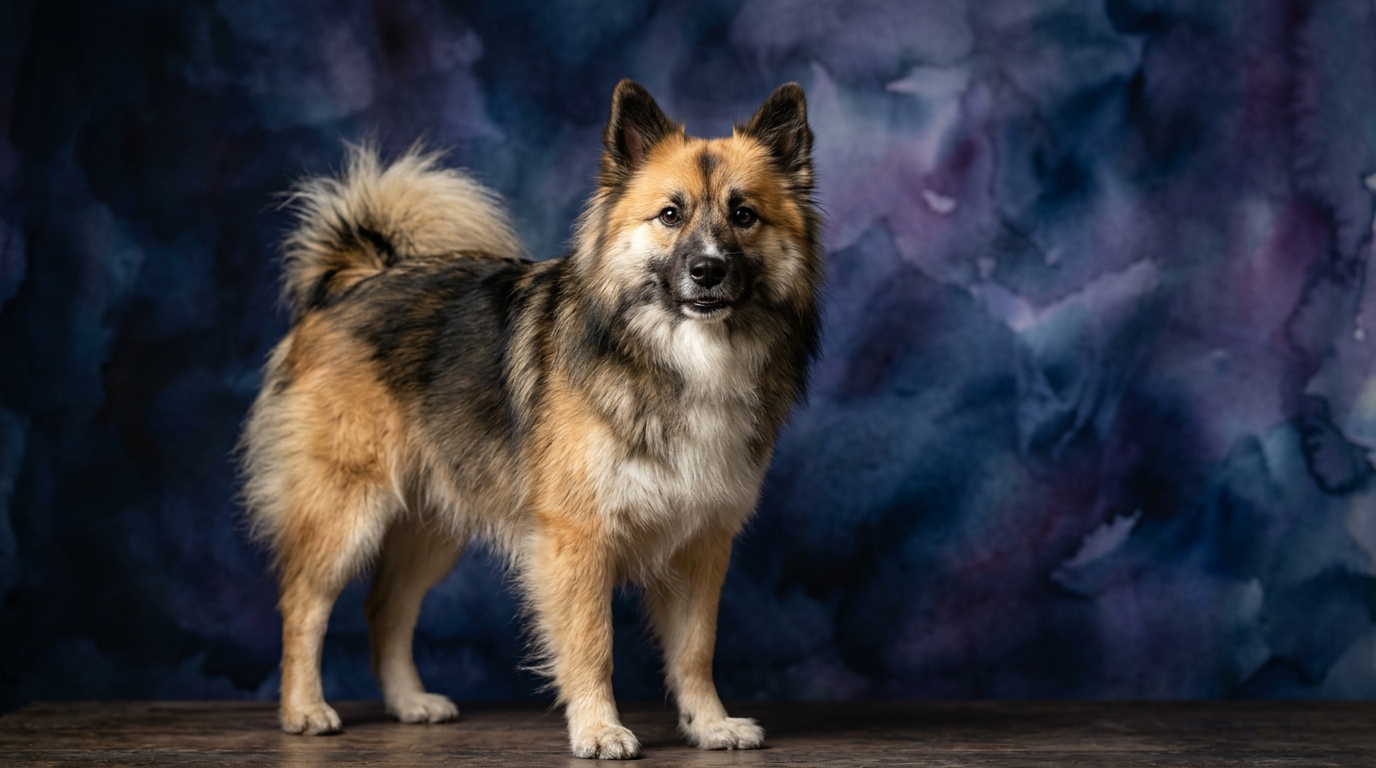
For the Icelandic Sheepdog, a breed originating from Norse settlers, their Problem Solving (3/5) capacity is heavily weighted towards navigating challenging, often remote, landscapes to manage and gather livestock. This involves anticipating flock movements, identifying stray animals, and figuring out efficient routes across varied terrain, often with minimal human direct instruction. Their Training Speed (3/5) reflects a moderate pace of learning, enhanced by their eagerness to cooperate and their attentiveness to human cues, though their inherent drive to herd can sometimes be a captivating distraction. Social Intelligence (3/5) in this breed is characterized by their deep connection to their human family and their ability to read and influence the behavior of other animals within a structured, cooperative environment. Their Instinctive Drive (3/5) is undeniably rooted in herding, a foundational impulse to keep things organized and together, whether it’s a flock of sheep or their human family members. Finally, their Memory (3/5) is practical, allowing them to recall complex routines, the layout of their working territory, and specific learned commands crucial for their duties.
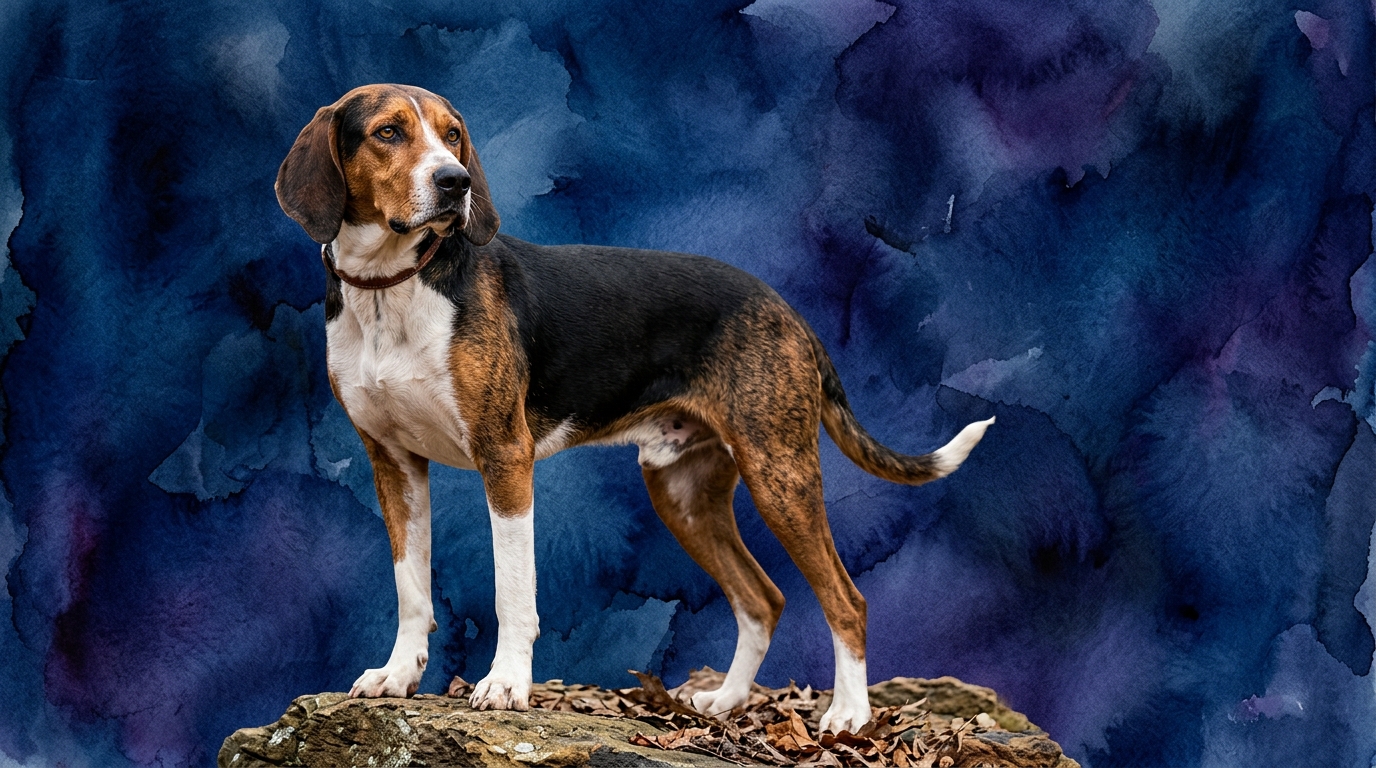
Conversely, the Treeing Walker Coonhound, a breed refined for tracking and treeing game in the American wilderness, exhibits its Problem Solving (3/5) through an intense, independent focus on scent trails. This means deciphering complex olfactory information, overcoming physical obstacles in dense undergrowth, and strategizing how to pursue and corner quarry, often over vast distances and for extended periods. Their Training Speed (3/5) is also moderate, but it often requires methods that capitalize on their strong prey drive and independent nature; they learn best when tasks align with their natural inclinations. Social Intelligence (3/5) for the Coonhound is expressed through their ability to work cohesively with a hunting pack and to communicate effectively with a human handler during the hunt, even when operating with considerable autonomy. Their Instinctive Drive (3/5) is a powerful, unwavering desire to track and tree small game, propelled by an extraordinary sense of smell and relentless persistence. Their Memory (3/5) is robust in recalling scent patterns, successful hunting strategies, and the topography of their hunting grounds, essential for sustained performance in the field.
Where the Icelandic Sheepdog Shines Cognitively
The Icelandic Sheepdog truly excels in cognitive tasks that demand cooperative engagement and nuanced social understanding within a structured environment. Their inherent herding instinct translates into a subtle yet effective ability to read and anticipate the movements of others, whether human or animal. This breed demonstrates a particular aptitude for understanding complex human instructions and executing multi-step tasks that require both independence and a deep connection to their handler’s intent. For instance, they might instinctively know to gather a scattered group of children on a walk, not just because of a command, but from an underlying desire for order and companionship. Their problem-solving in this context involves social dynamics and environmental management, often requiring them to make decisions that benefit the group as a whole.
Furthermore, their social intelligence allows them to form exceptionally strong bonds, making them highly receptive to feedback and communication. This translates into a cognitive advantage in activities like agility, obedience, or even therapy work, where understanding subtle human cues and responding with enthusiasm are paramount. The Icelandic Sheepdog’s memory serves them well in remembering specific family routines and the expectations of individual family members, contributing to their reputation as adaptable and communicative companions. Their cognitive strengths lie in their capacity for collaborative problem-solving, their acute social awareness, and their emotional attunement to their human partners.
Where the Treeing Walker Coonhound Excels Cognitively
The Treeing Walker Coonhound’s cognitive strengths emerge most prominently in tasks demanding extreme focus, persistence, and independent decision-making driven by their powerful olfactory senses. Their problem-solving ability is unparalleled when it comes to deciphering complex scent trails, navigating challenging and often unfamiliar terrain, and determining the most effective path to their quarry. This involves filtering out extraneous scents, following faint traces, and adapting their strategy on the fly based on environmental changes, all while maintaining a singular objective. Their instinctive drive to track is not just a physical attribute but a cognitive one, enabling them to sustain mental effort over long periods in pursuit of a goal.
Their memory, while equally rated at 3/5, is particularly adept at recalling intricate scent patterns and the spatial memory of successful hunting routes. This allows them to build a mental map of their environment that is rich in olfactory detail, guiding their independent work. The Coonhound’s social intelligence, while different from the Sheepdog’s, shines in its ability to work as part of a pack, understanding the roles and communications of other hounds and responding appropriately to the calls of their human hunting partner. Their resilience in the face of environmental challenges and their unwavering commitment to a scent trail highlight a unique cognitive tenacity that sets them apart in their specialized field.
Training Dynamics: Which Breed is More Amenable?
When considering ease of training, the nuanced differences in the 3/5 Training Speed score become apparent, heavily influenced by each breed's primary drives. The Icelandic Sheepdog generally presents a more straightforward training experience for the average owner. They possess a natural eagerness to please their human companions and thrive on positive interaction, which makes them highly receptive to learning new commands and routines. Their cooperative social intelligence means they are often looking to their owner for guidance and approval, making them responsive to consistent, reward-based methods. However, their herding instinct can manifest as a desire to 'manage' people or other pets, requiring early, consistent guidance to channel this behavior appropriately.
The Treeing Walker Coonhound, while equally capable of learning, often requires a more patient and creatively engaging approach to training. Their deep-seated instinctive drive for scent work and their independent problem-solving nature mean that their focus can be intensely directed towards an interesting smell, making recall a significant challenge in an uncontrolled environment. Traditional obedience can sometimes feel less intrinsically rewarding to them than following a captivating scent. Therefore, successful training with a Coonhound often involves integrating their natural drives, such as using scent games or engaging in activities like tracking, to build engagement and motivation. Consistency, high-value rewards, and a strong understanding of their breed-specific motivations are crucial for effective training with a Treeing Walker Coonhound.
Lifestyle Match: Active vs. Relaxed Owners
Matching a dog's energy and mental stimulation needs to an owner's lifestyle is critical for a harmonious relationship. The Icelandic Sheepdog, while not hyperactive, requires an active owner who can provide consistent mental engagement and moderate physical exercise. Their herding background means they thrive on having a 'job' or a purpose, even if that job is participating in family activities, learning new tricks, or engaging in dog sports like agility or rally obedience. They are deeply social and prefer to be involved in family life, making them suitable for owners who enjoy including their dog in daily routines and providing ample companionship and interaction. A relaxed owner who cannot commit to regular training, mental puzzles, and interactive play may find an Icelandic Sheepdog becomes bored and potentially vocal.
The Treeing Walker Coonhound, on the other hand, demands a highly active owner, particularly one who understands and can accommodate their profound need for extensive physical activity and mental stimulation centered around scent work. Their instinctive drive for tracking is powerful, meaning they require regular, vigorous exercise—often off-leash in a secure area—and opportunities to engage their olfactory senses through activities like tracking, scent detection, or even hunting. While they can be calm and affectionate indoors after sufficient exercise, they are not suited for owners seeking a sedentary companion. A Treeing Walker Coonhound with insufficient outlets for its energy and instincts can become restless, vocal, and potentially destructive. Owners must be prepared for their strong prey drive and the need for a securely fenced yard to prevent them from following a compelling scent.
The Verdict
Choose the Icelandic Sheepdog if you seek a highly communicative, cooperative companion eager to be involved in family life, and you can provide consistent mental challenges and moderate daily activity.
Opt for the Treeing Walker Coonhound if you are an exceptionally active individual passionate about scent work or hunting, capable of providing extensive outdoor activity and channeling a powerful, independent tracking instinct.
🧠 Find Your Pet's IQ Score
Our Pet IQ Lab assessment covers 25+ tests across 5 cognitive dimensions — personalized to your breed.
Take the Full IQ Test →Frequently Asked Questions
Are Icelandic Sheepdogs prone to barking?
Icelandic Sheepdogs can be quite vocal, using barks to communicate, alert, and express excitement, a trait stemming from their herding roots where voice was a tool for managing flocks.
Do Treeing Walker Coonhounds make good family pets?
Treeing Walker Coonhounds can be devoted and friendly family pets, especially with adequate exercise and mental stimulation; their even temperament generally makes them good with children and other dogs.
What unique grooming needs do these breeds have?
The Icelandic Sheepdog has a thick double coat requiring regular brushing to prevent matting and manage shedding, while the Treeing Walker Coonhound has a short, easy-care coat needing only occasional brushing and bathing.