Side-by-Side IQ Profile: Understanding Identical Scores
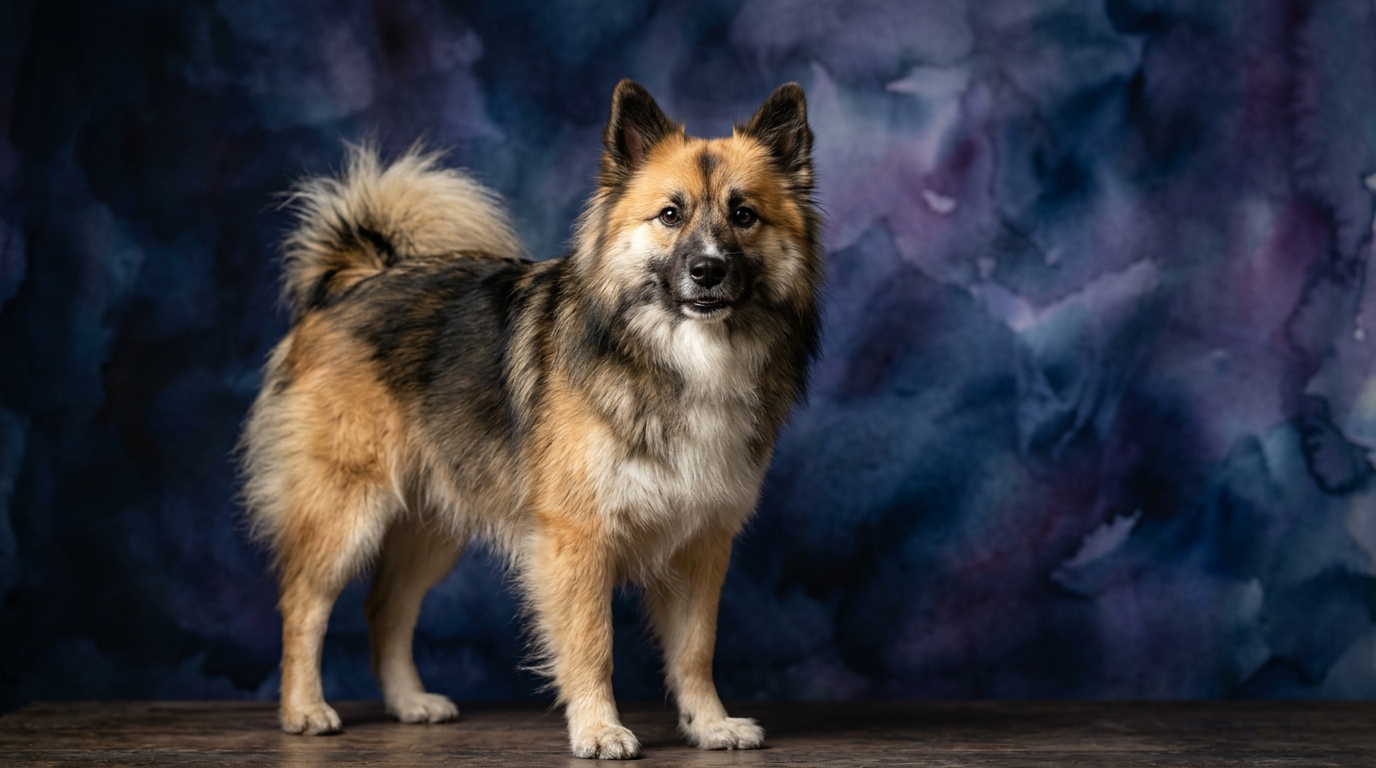
The Icelandic Sheepdog, a resilient herding dog from its namesake island, demonstrates its Problem Solving at a 3/5 by navigating complex, often treacherous terrain to gather and control livestock. Their ingenuity shines in adapting to changing weather conditions and finding lost sheep, requiring spatial reasoning and quick judgments.
Their Training Speed, also 3/5, reflects an eagerness to learn and cooperate with their human handlers, driven by a desire to maintain the 'flock's' order. They absorb routines and commands efficiently, particularly when the training engages their natural herding instincts and offers positive reinforcement.
Social Intelligence in the Icelandic Sheepdog, rated 3/5, is profoundly expressed through their strong bond with family, whom they consider their flock. They are attuned to human emotions and communicate effectively with barks and body language, acting as vigilant guardians and empathetic companions.
The Instinctive Drive of 3/5 for the Icelandic Sheepdog is rooted in their watchful, protective herding behaviors. This drive is less about aggressive pursuit and more about control and guidance, ensuring the safety and cohesion of their family unit, often manifesting as a moderate prey drive focused on observation rather than chase.
Memory, at 3/5, enables Icelandic Sheepdogs to recall specific commands, intricate routines, and the layout of their environment, including where their 'flock' members or favored toys might be found. This consistent recall is vital for their historical role in extensive, open landscapes.
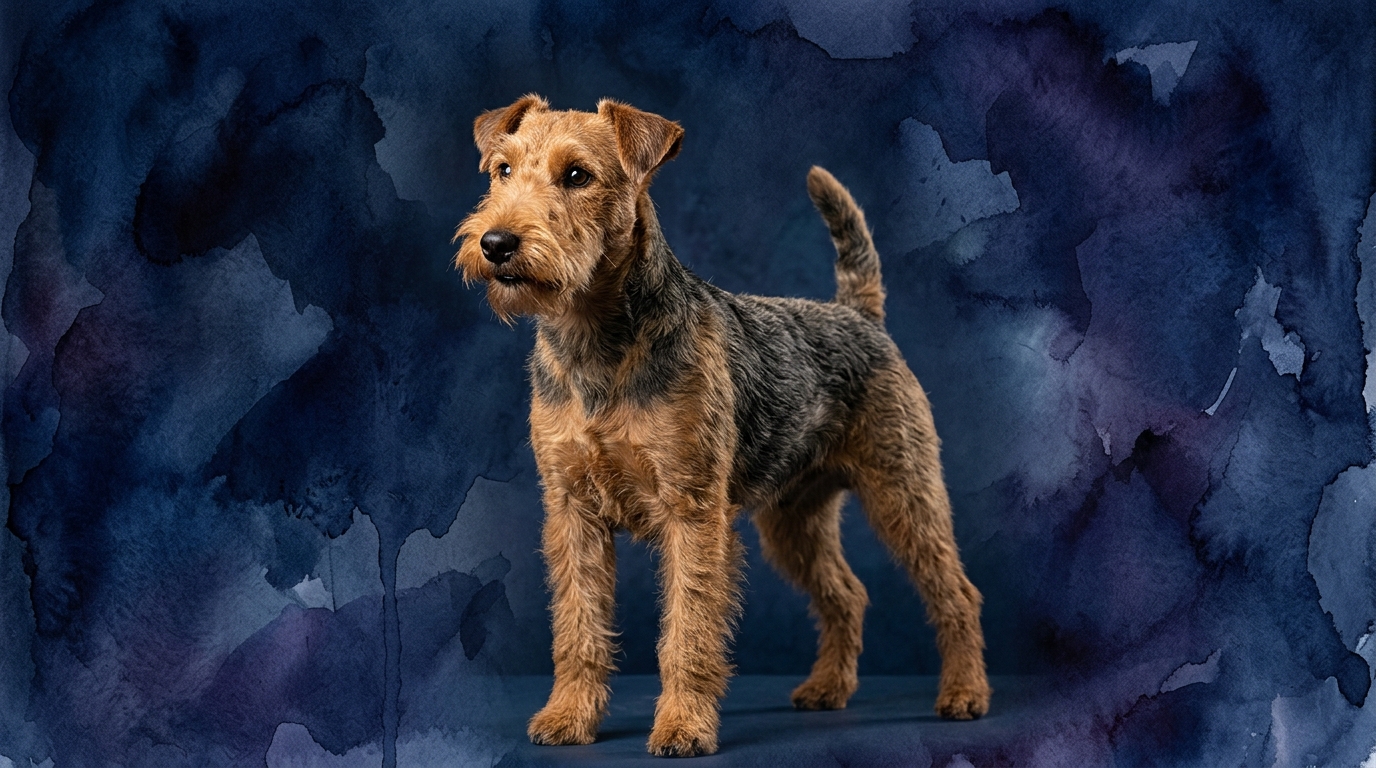
The Welsh Terrier, a spirited earth dog, also scores 3/5 in Problem Solving, but this manifests as cleverness in outsmarting prey within confined spaces, such as burrows, or devising ways to reach desired objects. Their persistence in achieving a goal, whether it's a toy or an interesting scent, showcases their resourceful intellect.
With a Training Speed of 3/5, Welsh Terriers are quick to grasp new concepts, but their independent and sometimes stubborn nature requires engaging, varied training sessions to hold their attention. They learn rapidly when motivated, but can be easily distracted by the rich sensory world around them.
Welsh Terrier Social Intelligence, also 3/5, involves a discerning engagement with their family, whom they deeply love, yet they can be reserved with strangers. They understand human cues well, but their independent streak means they might choose to prioritize their own interests over immediate compliance, especially if a captivating scent or sound presents itself.
Their Instinctive Drive of 3/5 is powerful and focused on their terrier heritage: digging, tracking, and tenacious pursuit of small game. This drive is deeply ingrained, making them self-reliant and determined, often leading to independent exploration.
A Memory score of 3/5 allows Welsh Terriers to retain training with consistency, remember specific routes during walks, and recall locations of interesting smells or past 'treasures.' They can also remember negative experiences, suggesting a robust associative memory.
Where the Icelandic Sheepdog's Cognitive Strengths Shine
The Icelandic Sheepdog truly excels in areas requiring cooperative intelligence and environmental awareness, a direct legacy of their herding duties. Their problem-solving isn't just about individual ingenuity, but about managing a dynamic system: a flock of sheep, often across vast, varied terrains. This demands exceptional spatial reasoning, the ability to predict movement, and quick decision-making to guide animals effectively.
Their social intelligence extends beyond human connection to an innate understanding of group dynamics, making them adept at reading subtle cues from both people and other animals. This translates into a dog that is not only biddable but also highly intuitive, often anticipating their owner's needs or moods. This collaborative spirit makes them outstanding partners in activities that require teamwork and clear communication, such as advanced obedience or agility.
Where the Welsh Terrier Demonstrates Unique Cognitive Prowess
The Welsh Terrier's cognitive strengths lie in their independent problem-solving and tenacious pursuit, reflecting their history as fearless hunters of small game. Their problem-solving skills are often applied in a more singular, focused manner, such as figuring out how to access a specific area or persist in digging to reach a perceived target. This requires a different kind of strategic thinking—one focused on overcoming obstacles alone, without constant human direction.
Their heightened sensory perception, particularly smell and hearing, plays a significant role in their cognitive profile. This acute awareness allows them to process environmental stimuli quickly and make rapid, independent decisions based on instinct. While their training speed is comparable, their application of learned behaviors often comes with a strong self-directed motivation, making them incredibly effective at tasks requiring persistence and self-reliance.
Training Dynamics: Biddability vs. Independent Drive
Despite identical 3/5 scores in training speed, the 'ease' of training differs significantly between these two breeds due to their fundamental behavioral drives. The Icelandic Sheepdog, with its strong herding instinct, is inherently cooperative and eager to please its 'flock leader.' They thrive on positive reinforcement and find satisfaction in working alongside their human, making them generally more biddable and responsive to commands. Their social intelligence means they are highly attuned to their owner's intentions, often making the training process feel like a shared endeavor.
The Welsh Terrier, conversely, possesses a robust independent streak, a hallmark of its terrier lineage. While they learn quickly, their strong prey drive and self-reliant nature mean they can be easily distracted or decide that their own agenda (like chasing a squirrel or investigating a scent) is more compelling than a command. Training a Welsh Terrier requires immense consistency, creativity to keep them engaged, and a firm, fair hand. Owners must be prepared to make training a continuous, varied activity to prevent boredom and maintain focus, especially in distracting environments where their instinctive drives can override learned behaviors.
Matching Canine Companions to Owner Lifestyles
For owners with an active lifestyle, both breeds can be suitable, but their needs diverge in nuance. The Icelandic Sheepdog thrives with consistent daily exercise that includes varied activities like long walks, hikes, or engaging in dog sports such as agility or herding trials. They also require significant mental stimulation and social interaction, making them ideal for owners who enjoy integrating their dog into family outings and interactive play. While they appreciate activity, their cooperative nature means they can adapt to a 'relaxed' owner if that relaxation still involves consistent mental enrichment, moderate physical exercise, and plenty of companionship.
The Welsh Terrier, however, is unequivocally suited for truly active owners. Their energy levels are high, and their independent, tenacious spirit demands vigorous daily exercise and challenging mental tasks to prevent boredom and destructive behaviors. They are not content to be couch potatoes; a Welsh Terrier needs outlets for their strong prey drive, whether through structured play, scent work, or consistent training. A 'relaxed' owner who cannot meet these demands will likely find themselves with a frustrated and potentially mischievous companion. They are best for owners who appreciate a dog with a powerful personality and are committed to providing ample physical and mental challenges.
The Verdict: When to Choose Each Distinct Companion
The Verdict
Choose the Icelandic Sheepdog if you seek a cooperative, socially intuitive companion who thrives on being an integrated part of the family 'flock' and enjoys interactive activities and consistent companionship.
Opt for the Welsh Terrier if you are an active, experienced owner who appreciates a spirited, tenacious, and independent companion, capable of providing consistent, engaging training and ample outlets for their vibrant energy.
🧠 Find Your Pet's IQ Score
Our Pet IQ Lab assessment covers 25+ tests across 5 cognitive dimensions — personalized to your breed.
Take the Full IQ Test →Frequently Asked Questions
Are Icelandic Sheepdogs good with children?
Yes, Icelandic Sheepdogs are generally gentle and tolerant with children, often viewing them as part of their cherished 'flock.' However, as with any breed, supervision is always recommended to ensure respectful interactions from both dog and child.
Do Welsh Terriers get along with other pets?
With early and thorough socialization, Welsh Terriers can coexist with other pets, though their strong prey drive means small, furry animals might be perceived as targets. Careful introductions and ongoing supervision are essential, especially with cats or pocket pets.
How much exercise do these breeds typically need?
Both breeds require daily exercise, but in different forms. The Icelandic Sheepdog thrives on varied activities, mental challenges, and consistent companionship, while the Welsh Terrier demands vigorous physical activity and engaging mental tasks to satisfy its high energy and natural hunting instincts.