
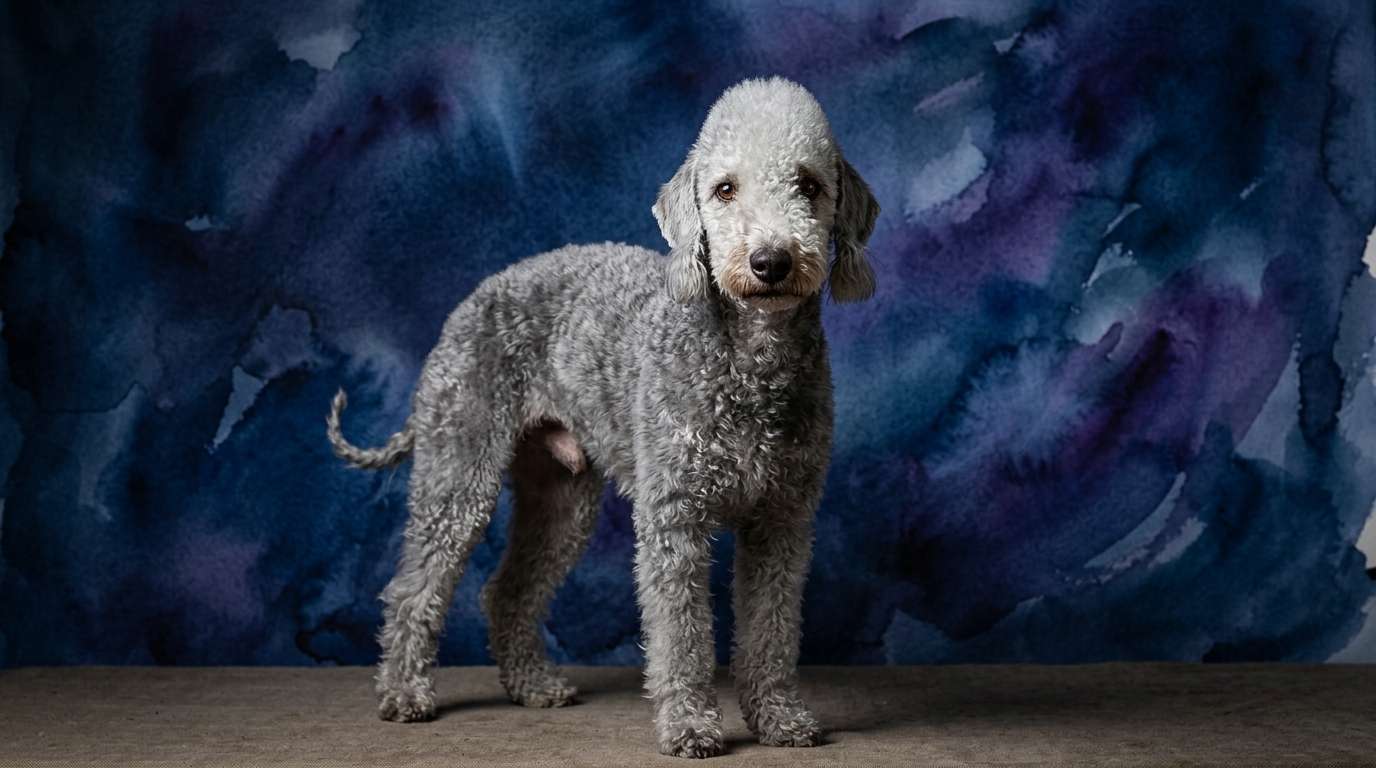
Side-by-Side IQ Profile: Unpacking Identical Scores
While both the Irish Terrier and the Bedlington Terrier register a 3/5 across all five cognitive dimensions in The Cosmic Pet Pet IQ Lab, their historical roles and inherent temperaments reveal unique manifestations of these capabilities. A 3/5 score indicates a moderate, capable level of cognitive function, but the *how* and *what* they apply it to truly differentiates them.
For the Irish Terrier:
Problem Solving (3/5): This breed approaches challenges with a bold, often direct tenacity, employing their physical prowess and determination to overcome obstacles, especially those related to securing their territory or engaging with perceived threats. Their solutions are typically robust and persistent.
Training Speed (3/5): Their independent spirit means training requires consistency and engaging methods; while they absorb lessons, their willingness to comply is often tied to their perceived value of the task and the strength of their bond with the trainer. They learn, but choose when to apply.
Social Intelligence (3/5): They display a keen awareness of their human family's emotions and intentions, often forming deep, loyal bonds, though their social interactions with unfamiliar dogs or people can be marked by a confident, sometimes assertive, demeanor. They are perceptive of their immediate social circle.
Instinctive Drive (3/5): Possessing a robust prey drive and a vigilant nature, the Irish Terrier exhibits a strong instinct to chase and investigate, making them excellent watchdogs and requiring secure environments to manage their natural exploratory urges. This drive is broad and encompassing.
Memory (3/5): Their memory is robust for routines, boundaries, and past experiences, quickly learning what works and what doesn't, which can be both an asset in reinforcing good habits and a challenge if negative experiences are imprinted.
For the Bedlington Terrier:
Problem Solving (3/5): The Bedlington Terrier often tackles problems with a more agile and strategic approach, utilizing their quick reflexes and keen senses to outmaneuver situations, particularly when it involves navigating complex environments or pursuing small game. Their solutions are often elegant and efficient.
Training Speed (3/5): They are capable learners, responding best to gentle, positive reinforcement methods; their sensitive nature means harshness can hinder progress, but a rewarding, consistent approach yields steady and willing cooperation. They are receptive to gentle guidance.
Social Intelligence (3/5): While affectionate with their chosen family, Bedlingtons can be reserved with strangers and possess a nuanced understanding of social dynamics within their household, often preferring a calm, predictable social environment. They read subtle cues within their trusted circle.
Instinctive Drive (3/5): Their historical role as vermin hunters means they possess a strong, focused prey drive, exhibiting a natural inclination to dig, chase, and explore with a persistent, often quiet intensity when stimulated by scent or movement. This drive is precise and targeted.
Memory (3/5): They demonstrate a good capacity for remembering commands and routines, and their experiences, both positive and negative, tend to shape their future behavior, making early positive socialization and consistent training crucial. Their memories influence their emotional responses.
Where the Irish Terrier Wins Cognitively
Despite identical scores, the Irish Terrier's cognitive strengths often manifest in their sheer tenacity and bold decision-making. Their problem-solving at 3/5 is characterized by a "never give up" attitude, making them exceptionally persistent in tasks they deem important, like guarding their home or retrieving a favored toy from a difficult spot. This translates into a resilience that allows them to push through challenges where a more sensitive breed might falter, demonstrating a robust mental fortitude.
Their social intelligence, while also 3/5, often presents as a more overt loyalty and protective instinct towards their family, making them quick to assess and react to perceived threats, acting as vigilant guardians. This cognitive assertiveness, rooted in their historical role as farm dogs and companions, gives them an edge in situations requiring immediate, confident action and a clear, unwavering resolve.
Where the Bedlington Terrier Wins Cognitively
The Bedlington Terrier, with its matching 3/5 cognitive scores, often shines in its nuanced approach to problem-solving and its refined instinctive drive. Their problem-solving is less about brute force and more about elegant maneuverability and strategic thinking, often finding the most efficient path or solution, particularly in agility or scent work, where precision is valued over raw power. This delicate yet effective cognitive style stems from their history as nimble vermin hunters, making them adept at subtle complexities.
Their training speed, also 3/5, is underpinned by a subtle sensitivity; they are quick to pick up on the trainer’s mood and adjust, making them highly responsive to positive, gentle guidance and capable of learning complex sequences with grace. This cognitive flexibility, combined with their inherent keenness, allows them to excel in detailed tasks and respond with a refined understanding of expectations.
Which is Easier to Train and Why
Both breeds score 3/5 in training speed, indicating they are capable learners but possess the typical terrier independence, meaning neither is a "push-button" dog. The Irish Terrier, with its robust and sometimes headstrong nature, requires a trainer who can match their confidence and provide firm, consistent boundaries alongside positive reinforcement. Their memory (3/5) means they will remember inconsistencies, making clear rules essential, and their strong instinctive drive (3/5) needs redirection rather than suppression; they thrive with a clear, confident leader.
Conversely, the Bedlington Terrier, while equally capable, tends to be more sensitive. Their 3/5 training speed is best unlocked through gentle, reward-based methods; harsh corrections can cause them to shut down or become anxious, hindering progress. Their social intelligence (3/5) means they are highly attuned to their handler’s emotional state, thriving on calm reassurance and positive feedback, making them appear more "eager to please" if approached correctly. Therefore, while both learn well, the Bedlington might be perceived as "easier" for an owner preferring a softer touch and consistent positive reinforcement, while the Irish Terrier thrives with a more assertive, yet fair, leader who understands their spirited nature.
Which Suits Active Owners vs. Relaxed Owners
For active owners seeking a dynamic companion, the Irish Terrier is an excellent match. Their 3/5 instinctive drive translates into a need for regular, vigorous exercise and mental stimulation, thriving on activities like hiking, running, or dog sports that challenge their bold and tenacious spirit. They enjoy being an integral part of an adventurous lifestyle, often displaying the stamina to keep up with long outings. Relaxed owners might find their persistent energy and strong opinions challenging without adequate outlets, requiring significant commitment to daily engagement.
The Bedlington Terrier, while also possessing a 3/5 instinctive drive, can adapt more readily to varying activity levels, though they still require daily exercise to prevent boredom and channel their natural urges. Their agile problem-solving (3/5) makes them enjoy interactive games and shorter bursts of activity, but they are also content to cuddle up after a good walk, making them a more versatile choice for owners whose activity levels might fluctuate. They can suit both moderately active and more relaxed owners who commit to consistent, engaging playtime and mental enrichment, appreciating a balance of energy and calm.
The Verdict
Opt for an Irish Terrier if you seek a bold, tenacious companion who thrives on consistent leadership, vigorous activity, and a strong, protective bond, appreciating their resilient and assertive cognitive style.
Select a Bedlington Terrier if you prefer a sensitive, agile dog who excels with gentle, positive training, adapts well to varied activity, and offers a graceful yet keen intelligence, valuing their nuanced and responsive nature.
🧠 Find Your Pet's IQ Score
Our Pet IQ Lab assessment covers 25+ tests across 5 cognitive dimensions — personalized to your breed.
Take the Full IQ Test →Frequently Asked Questions
Do Irish Terriers and Bedlington Terriers get along with other pets?
Both breeds possess a 3/5 instinctive drive, meaning a strong prey drive can be present. Irish Terriers can be assertive with other dogs, while Bedlingtons, though appearing lamb-like, also have a hunting background. Early, careful socialization is crucial for both to coexist peacefully with other pets, especially small animals.
Are Irish Terriers or Bedlington Terriers good for first-time dog owners?
Both breeds score 3/5 across the board, indicating a moderate level of cognitive challenge and typical terrier independence. First-time owners willing to commit to consistent, positive training and understanding terrier traits could manage either, though the Bedlington's sensitivity might be slightly more forgiving of training missteps than the Irish Terrier's bolder nature.
How do their problem-solving skills differ in a home environment?
With identical 3/5 problem-solving scores, the difference lies in their approach. An Irish Terrier might persistently try to dig under a fence or barrel through a gate, relying on determination and physical force. A Bedlington might more subtly figure out how to unlatch a cabinet or navigate a complex obstacle course to reach a desired item, using agility and observation.