Side-by-Side IQ Profile: Unpacking the Terriers' Minds
The Cosmic Pet Pet IQ Lab assesses five key cognitive dimensions, and fascinatingly, both the Irish Terrier and the Glen of Imaal Terrier score a solid 3 out of 5 in each category. This mid-range score suggests capable, adaptable minds, but the true distinction lies in how these inherent abilities are expressed through their breed-specific traits. Understanding these nuances is crucial for any prospective owner.
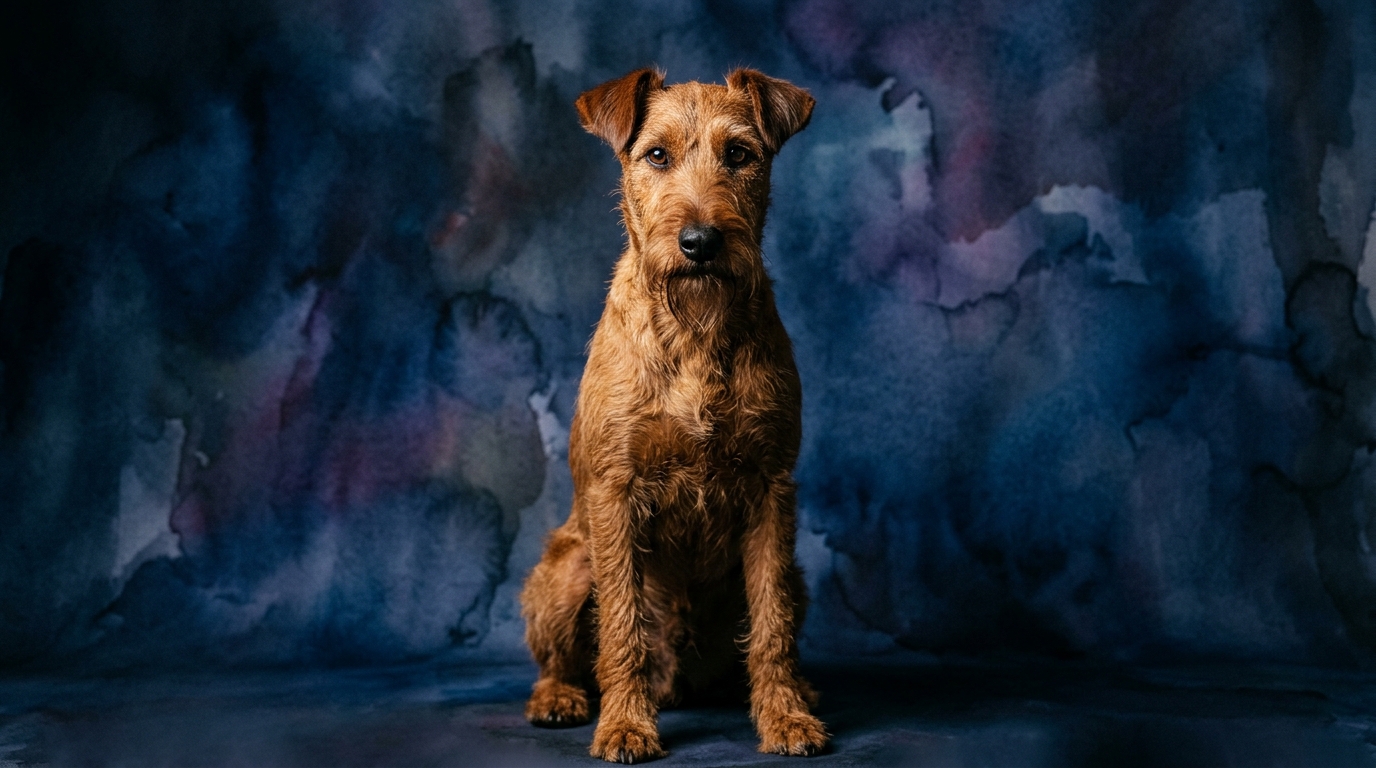
For the **Irish Terrier**, a 3/5 in **Problem Solving** indicates a capacity for independent thought, often leading to quick, sometimes impulsive, solutions to challenges. Their historical role as farm dogs required them to assess and act swiftly. A 3/5 in **Training Speed** means they are generally receptive to learning, provided the motivation is strong and the training engaging, though their independent streak can introduce a challenge. Their **Social Intelligence** at 3/5 reflects an ability to form strong bonds and understand human cues, but also a discerning nature towards strangers or other animals, often stemming from their protective instincts. An **Instinctive Drive** of 3/5 highlights their potent prey drive and tenacious spirit, essential for their original vermin control duties, but also adaptable to various activities. Finally, a 3/5 in **Memory** suggests they retain commands, routines, and experiences effectively, remembering both positive reinforcement and any perceived slights.
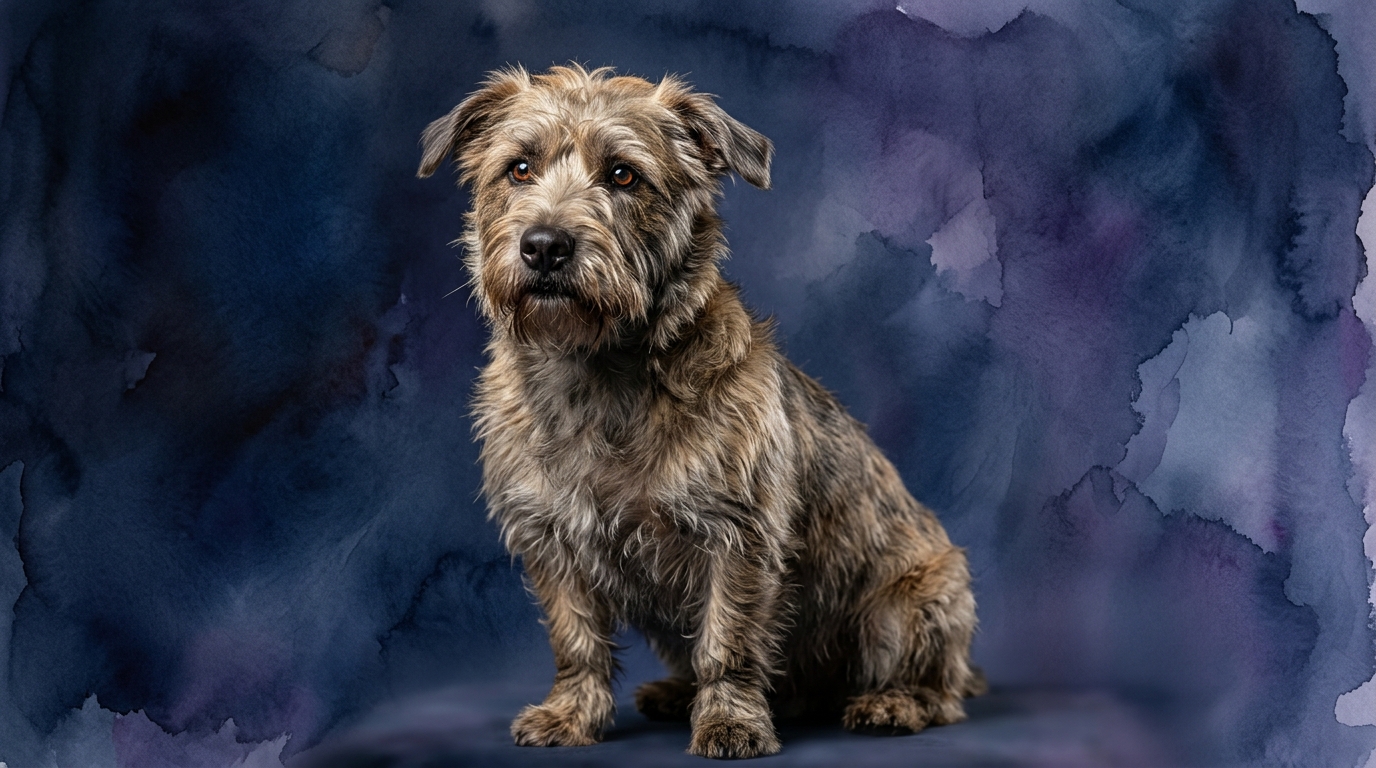
The **Glen of Imaal Terrier**, also with a 3/5 across the board, showcases these abilities with a different flavor. Their **Problem Solving** at 3/5 tends to be more methodical and persistent, particularly when focused on a task like digging or tracking prey. They approach challenges with a quiet determination rather than a sudden burst of energy. A 3/5 in **Training Speed** means they are often more biddable than some terriers, willing to please their chosen person, but their deep-seated terrier stubbornness can emerge if they don't see the point or are bored. Their **Social Intelligence** at 3/5 points to a loyal, affectionate nature within their family unit, typically more reserved with outsiders than the boisterous Irish Terrier, observing before engaging. Their **Instinctive Drive** of 3/5 is profoundly rooted in their badger-hunting heritage, characterized by a powerful, silent determination and a strong digging instinct. A 3/5 in **Memory** ensures they learn and retain information well, particularly regarding their territory and trusted companions, making them reliable but also creatures of habit.
Where the Irish Terrier Exhibits Cognitive Strengths
Despite identical numerical scores, the Irish Terrier’s cognitive profile often shines in situations demanding quick decisions and spirited action. Their 3/5 problem-solving often manifests as inventive, on-the-spot solutions, particularly when faced with novel environments or minor obstacles. This quick mental processing, paired with their inherent tenacity, means they rarely give up on a puzzle or a perceived task. Their social intelligence, while rated 3/5, often includes a heightened awareness of their immediate surroundings and a rapid assessment of new people or situations, making them excellent, alert watchdogs. They seem to quickly gauge intentions and react accordingly, sometimes with a charming boldness. This breed's memory, also a 3/5, is particularly robust for routines and expectations within their home environment, quickly learning what leads to rewards or consequences, allowing them to adapt their behavior effectively within established boundaries.
Where the Glen of Imaal Terrier Demonstrates Cognitive Prowess
The Glen of Imaal Terrier, with its distinct working heritage, exhibits its 3/5 cognitive abilities with a characteristic quiet resolve. Their problem-solving, though rated the same, often involves a more patient, persistent approach. For instance, if faced with a barrier, an Irish Terrier might try to jump or bark through it, while a Glen might systematically try to dig under or find a less obvious path, reflecting a deeper, more focused determination. Their instinctive drive, while equally rated 3/5, is often channeled into incredibly focused, solitary tasks, making them exceptional at scent work or persistent exploration when given a defined objective. This focus allows them to filter out distractions and concentrate on the task at hand, a valuable cognitive trait. Furthermore, their social intelligence, while reserved, allows them to read their primary owner's subtle cues with remarkable accuracy, fostering a deep, almost telepathic understanding in a quiet, unassuming manner.
Which is Easier to Train and Why: A Behavioral Perspective
While both breeds score 3/5 in training speed, the actual experience of training them can differ significantly due to their behavioral predispositions. The Irish Terrier, often described as a 'daredevil' with a spirited independence, can be a delightful challenge. Their training speed of 3/5 means they grasp concepts well, but their strong will and propensity for self-amusement sometimes mean they'd rather do their own thing. Consistency, engaging methods, and a strong, positive relationship are paramount to harness their quick minds. They respond best to trainers who can make learning feel like an exciting game, rather than a chore, and who understand that their 'stubbornness' is often a manifestation of their independent problem-solving skills.
The Glen of Imaal Terrier, conversely, often earns a reputation for being more biddable among terrier breeds, despite the same 3/5 training speed score. Their quiet determination and desire to please their chosen human can make them more amenable to instruction. However, their patience and methodical nature can also translate into a stubborn refusal if they perceive a command as unnecessary or illogical. They respond well to calm, consistent training that respects their thoughtful nature, rather than demanding immediate, flashy responses. While they may not learn a new trick as rapidly as some breeds, once a Glen understands and accepts a command, their memory and persistence ensure they retain it reliably. The key difference lies in the Irish Terrier's quick, independent thought versus the Glen's more deliberate, persistent approach, which impacts how quickly and willingly they comply during training sessions.
Cognitive Profiles: Matching Terriers to Lifestyles
Considering their cognitive makeup, the Irish Terrier generally aligns well with **active owners** who appreciate a dog with a vibrant personality and a zest for life. Their 3/5 instinctive drive, coupled with their quick problem-solving, means they thrive on varied activities, mental challenges, and consistent engagement. Owners who enjoy long, vigorous walks, interactive games, or even dog sports like agility will find their Irish Terrier a willing and enthusiastic partner. Their social intelligence and alertness make them excellent companions for owners who are out and about, ready to engage with the world. A relaxed owner might find the Irish Terrier's independent spirit and energy levels overwhelming, as their cognitive engagement needs are significant.
The Glen of Imaal Terrier, while still a terrier with inherent drive, often suits owners looking for a slightly more contained energy. Their methodical problem-solving and focused instinctive drive make them excellent companions for **relaxed owners** who nonetheless value consistent, quality interaction. They enjoy exploring their territory, engaging in scent games, or even just spending quiet time with their family. While they require regular exercise, it doesn't always need to be as high-octane as an Irish Terrier's. Their social intelligence, being more reserved, means they are content observing from a distance in new situations, rather than needing to be the center of attention. This makes them suitable for owners who appreciate a calm, loyal presence but are prepared for their terrier's deep-seated determination when a task, like digging, captures their full cognitive focus.
The Verdict
Choose an Irish Terrier if you seek a spirited, quick-thinking companion eager for diverse mental and physical challenges, and you appreciate a dog that brings a bold, independent energy to your life.
Opt for a Glen of Imaal Terrier if you prefer a more quietly determined, persistent companion who forms deep bonds and thrives on focused activities, offering a loyal presence with a thoughtful demeanor.
🧠 Find Your Pet's IQ Score
Our Pet IQ Lab assessment covers 25+ tests across 5 cognitive dimensions — personalized to your breed.
Take the Full IQ Test →Frequently Asked Questions
Do Irish Terriers and Glen of Imaal Terriers have similar trainability?
Both breeds score 3/5 in training speed, indicating good learning capacity. However, Irish Terriers can be more independently minded and require engaging, consistent training, while Glen of Imaal Terriers are often more biddable but can be stubbornly focused on their own agenda if not properly motivated.
Which breed is better for problem-solving tasks?
Both score 3/5 in problem-solving, but their approaches differ. Irish Terriers tend to be quick and sometimes impulsive in their solutions, while Glen of Imaal Terriers often exhibit a more methodical and persistent approach, particularly when focused on a task like scent work or digging.
How do their social intelligence scores of 3/5 manifest differently?
An Irish Terrier's 3/5 social intelligence often means they are alert, discerning with strangers, and quick to engage within their social circle. A Glen of Imaal Terrier's 3/5 typically manifests as a more reserved nature with outsiders, preferring to observe, but forming exceptionally deep and loyal bonds with their immediate family, reading their cues with quiet accuracy.