Side-by-Side IQ Profile: Irish Terrier vs. PBGV
The Cosmic Pet Pet IQ Lab evaluates canine intelligence across five key dimensions, assigning a score out of five for each. Interestingly, both the Irish Terrier and the Petit Basset Griffon Vendéen (PBGV) share identical scores across the board, each earning a consistent 3/5. However, understanding what these scores mean in the context of their distinct breed groups—Terrier and Hound—is crucial to appreciating their unique cognitive landscapes.
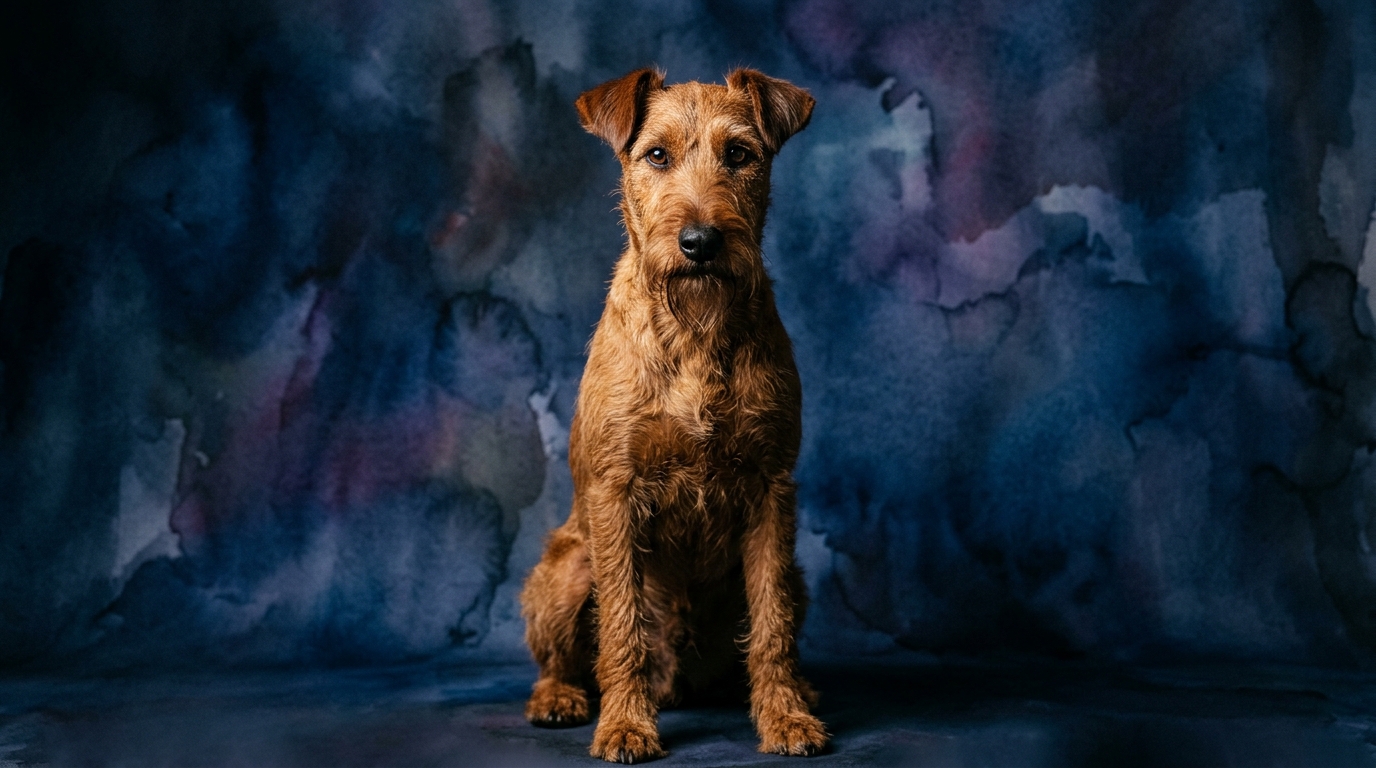
For the **Irish Terrier (Terrier Group)**:
**Problem Solving (3/5):** The Irish Terrier applies its capable mind to practical challenges, often independently devising strategies to navigate environments or achieve goals. Their tenacity means they persist, finding direct solutions rather than waiting for human intervention.
**Training Speed (3/5):** These terriers learn at a reasonable pace, grasping concepts well. However, their independent spirit and occasional stubbornness mean training requires consistency, engaging methods, and a firm, positive approach.
**Social Intelligence (3/5):** Irish Terriers understand social cues and form strong family bonds. While self-assured, they are attuned to household dynamics and can be protective, reacting to perceived threats.
**Instinctive Drive (3/5):** Their terrier heritage imbues them with a moderate but persistent drive for chasing, digging, and guarding. This fundamental aspect requires appropriate outlets and management.
**Memory (3/5):** Their memory is robust, recalling commands, routines, and experiences accurately, contributing to their consistent and sometimes strong-willed personality.
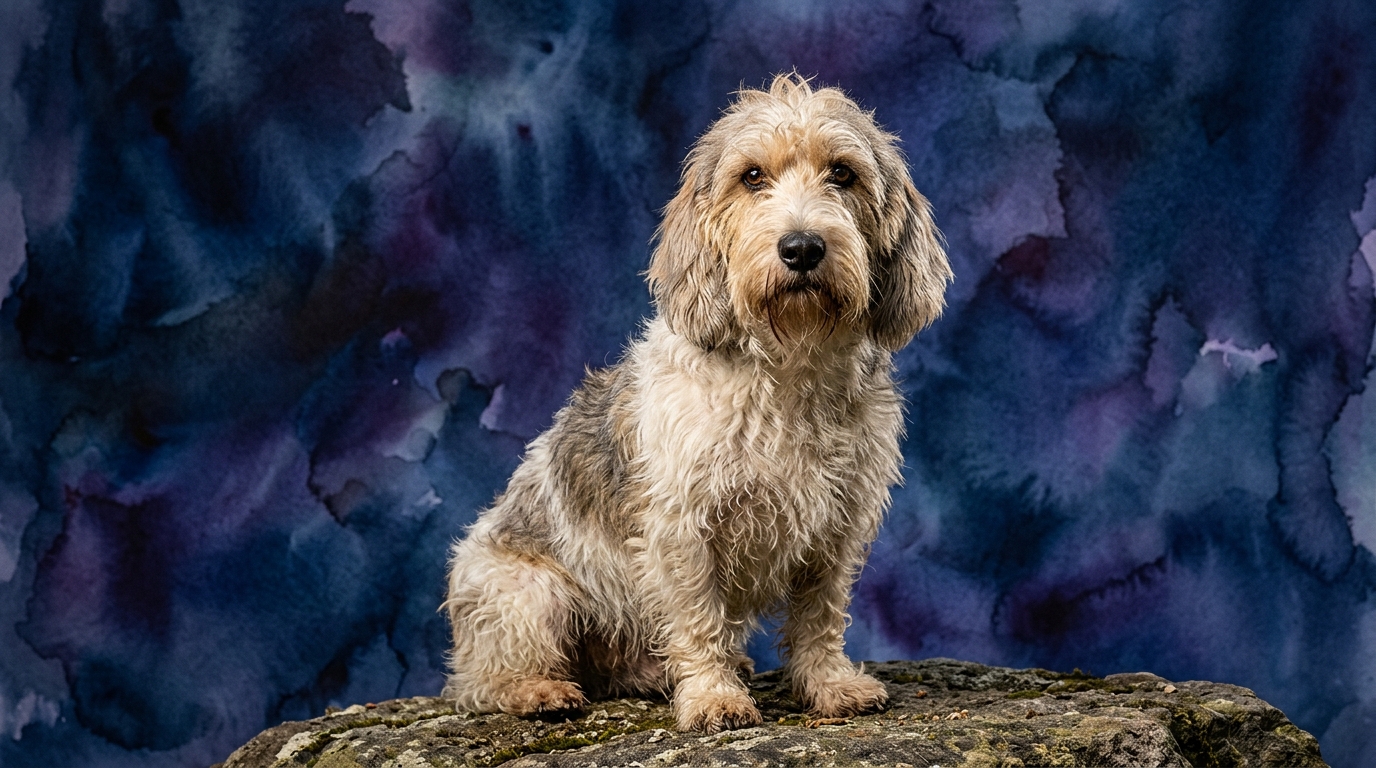
For the **Petit Basset Griffon Vendéen (Hound Group)**:
**Problem Solving (3/5):** The PBGV's problem-solving excels in sensory deduction, particularly deciphering complex scent trails. Their approach is methodical and persistent, driven by their nose, allowing them to navigate varied terrain to find the source.
**Training Speed (3/5):** Learning at a moderate pace, PBGVs present a unique training challenge due to their independent, scent-driven focus. Commands are understood, but their nose often takes precedence, demanding creative, engaging sessions.
**Social Intelligence (3/5):** These hounds possess moderate social intelligence, thriving in a "pack" and adapting cheerfully to family life. Communicating through vocalizations, they are affectionate yet independent.
**Instinctive Drive (3/5):** Their hound heritage means a moderate yet compelling drive to follow scents, track, and vocalize. This strong instinct is central to their identity, leading them to explore extensively.
**Memory (3/5):** PBGVs have a strong memory for locations, routines, and rewarding experiences, especially those related to scent. However, a compelling scent can sometimes override learned recall.
Where the Irish Terrier Wins Cognitively
While both breeds exhibit a 3/5 score, the Irish Terrier often presents a cognitive advantage in scenarios demanding independent, direct problem-solving. Their terrier tenacity means they are less deterred by obstacles when pursuing a goal, whether opening a cupboard or navigating a novel environment. This self-reliance, coupled with their moderate memory, allows them to quickly adapt and apply learned strategies to new, non-scent-related challenges, focusing on immediate, tangible results.
Where the Petit Basset Griffon Vendéen Wins Cognitively
Conversely, the Petit Basset Griffon Vendéen shines brightest in cognitive tasks leveraging their profound sensory intelligence. Their problem-solving (3/5) is exquisitely tuned for deciphering complex scent puzzles, a domain where their ability to focus intensely on olfactory information and systematically follow a trail far surpasses many breeds. This specific cognitive strength, combined with moderate memory for scent pathways, makes them unparalleled in sustained, detailed sensory processing over abstract reasoning.
Training Dynamics: Which is Easier and Why?
Despite identical 3/5 Training Speed scores, the Irish Terrier typically presents a more direct training path. While strong-willed, they are generally more attuned to human direction once engaged. Their problem-solving (3/5) allows them to grasp commands efficiently, but their independent nature requires consistent, fun, and firm methods to overcome occasional stubbornness. They demand a confident leader and can quickly develop 'selective hearing' if bored by repetitive drills.
The Petit Basset Griffon Vendéen, however, faces unique challenges rooted in their powerful instinctive drive (3/5). While understanding commands, their nose often overrides human instruction, especially outdoors, making off-leash reliability difficult. Their independent hound spirit means they aren't primarily driven by a desire to please. Training a PBGV requires immense patience, creativity, and incorporating their scent drive into activities, with success often relying on managing their environment.
Matching Canine Cognition to Owner Lifestyles
For active owners seeking a dynamic companion, both breeds offer engaging possibilities. The Irish Terrier, with its moderate instinctive drive and problem-solving, thrives on varied activities challenging both body and mind. They need consistent physical exercise and mental engagement through sports like agility or earthdog trials, and an owner who appreciates their independent streak. They will create their own 'fun' if under-exercised, often involving digging.
The Petit Basset Griffon Vendéen, while also active, aligns with owners embracing their hound heritage. Their moderate instinctive drive means daily opportunities for scent exploration are vital, making long, meandering walks or tracking sports ideal. Their exercise is more about sustained exploration than high-intensity bursts. They are less suited for strictly 'relaxed' owners due to their need for mental stimulation through their nose and their tendency to vocalize. Owners appreciating their cheerful, boisterous nature and providing secure, scent-rich environments will find a joyful companion, managing their independent roaming.
The Verdict
Choose the Irish Terrier if you appreciate a self-reliant, spirited companion who engages with the world through direct, pragmatic problem-solving and responds well to confident, consistent training. They suit owners who enjoy varied activities and can channel their terrier tenacity into productive pursuits, offering a loyal yet independent partnership.
Opt for the Petit Basset Griffon Vendéen if you are captivated by a cheerful, scent-driven dog whose intelligence shines in deciphering the world through their nose, and you are prepared for the unique training challenges of a persistent hound. They are ideal for owners who embrace outdoor exploration and can provide outlets for their powerful instinctive drives, enjoying a boisterous and affectionate companion.
🧠 Find Your Pet's IQ Score
Our Pet IQ Lab assessment covers 25+ tests across 5 cognitive dimensions — personalized to your breed.
Take the Full IQ Test →Frequently Asked Questions
Are Irish Terriers good at learning tricks?
Yes, with a Training Speed of 3/5, Irish Terriers can learn tricks effectively. They respond best to engaging, varied training sessions that appeal to their problem-solving nature and prevent boredom, making them capable of mastering a range of commands and fun behaviors.
How does a PBGV's scent drive affect daily life?
A PBGV's moderate instinctive drive for scenting means daily walks become immersive olfactory expeditions, and they require a securely fenced yard to prevent them from following an interesting trail. This drive also means they may be less responsive to recall outdoors, requiring careful management and a focus on scent-based enrichment activities.
Do either of these breeds get along well with other pets?
Both breeds have a Social Intelligence of 3/5, suggesting they can coexist with other pets, especially if socialized from a young age. Irish Terriers might have a strong prey drive towards smaller animals, while PBGVs, being pack-oriented, often enjoy canine company but might still chase smaller, non-canine pets if their scent drive is triggered.