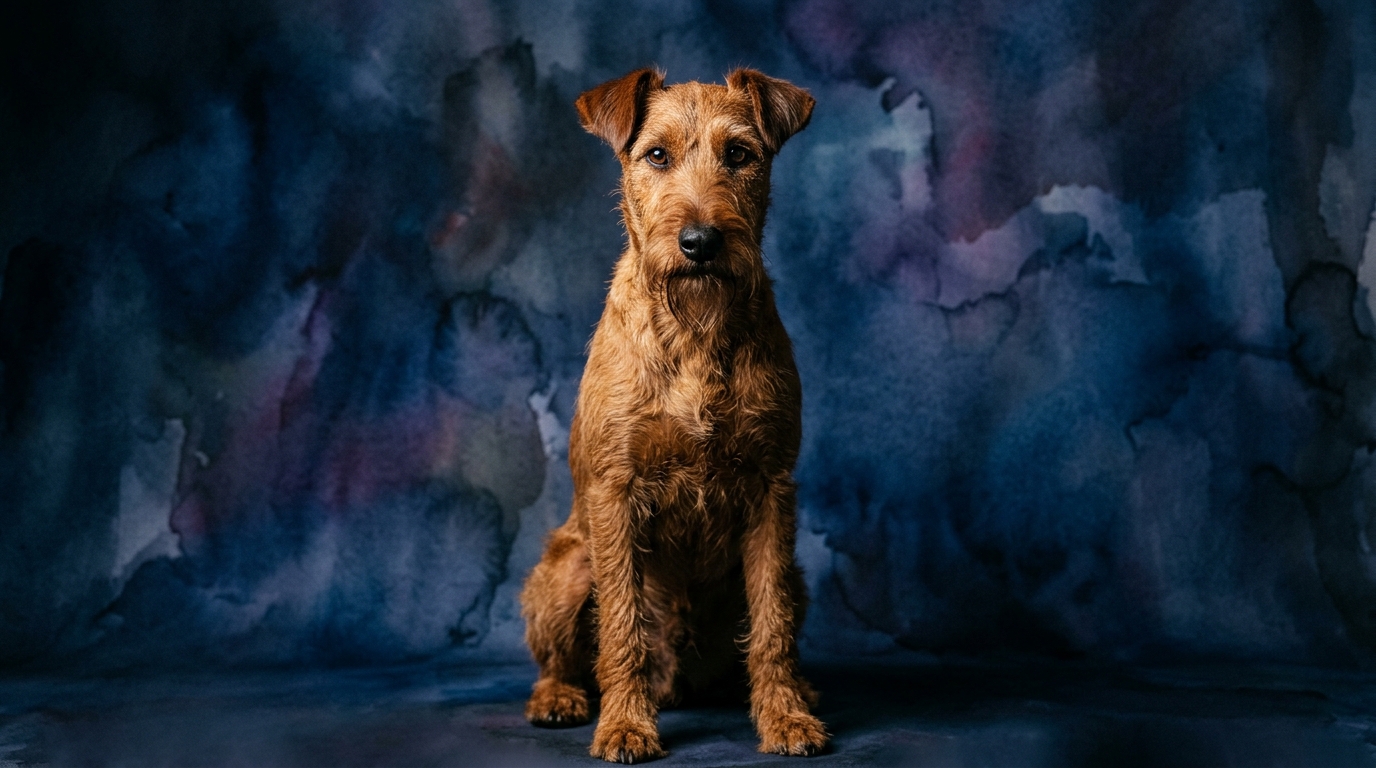
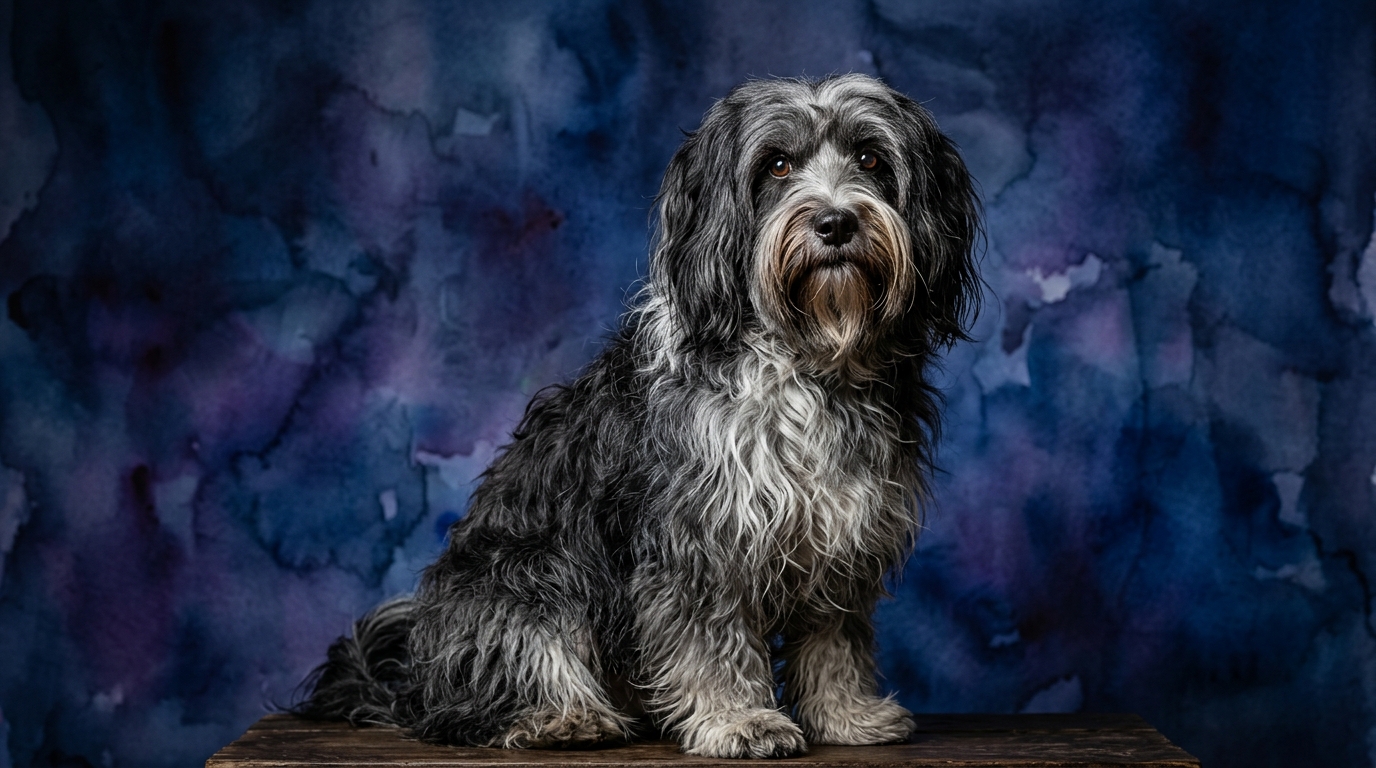
Side-by-Side Cognitive Profile: Deciphering the 3/5 Scores
At first glance, the Cosmic Pet Pet IQ Lab scores of 3/5 across all five cognitive dimensions for both the Irish Terrier and the Tibetan Terrier might suggest a cognitive parity. However, the manifestation of these scores is deeply rooted in their breed origins and intrinsic motivations. A '3/5' in one breed's context can translate to vastly different behavioral outcomes compared to another, even when the numerical rating is the same. Let's explore what each dimension signifies for these distinct breeds.
For the Irish Terrier, a 'Problem Solving' score of 3/5 often translates into resourceful independence. These dogs exhibit a cleverness geared towards achieving self-appointed goals, whether it’s figuring out how to open a gate to explore or strategizing to obtain a coveted toy. Their solutions are frequently practical and persistent, reflecting their working terrier heritage. Their 'Training Speed' at 3/5 means they grasp new commands and concepts at a moderate pace, but their strong will often dictates when and if they choose to apply what they’ve learned. Consistency and making training engaging are paramount for an Irish Terrier. Their 'Social Intelligence' at 3/5 manifests as a discerning nature; they form deep bonds with their family, understanding subtle emotional cues, yet can be reserved or even assertive with strangers, reading intentions with a keen eye. The 'Instinctive Drive' of 3/5 is pronounced in their innate terrier behaviors – a keen prey drive, a propensity for digging, and an alert watchfulness, all requiring appropriate outlets to prevent misdirection. Finally, their 'Memory' at 3/5 ensures they retain learned experiences, routines, and commands reliably, both positive and negative, contributing to their adaptability within a familiar environment.
The Tibetan Terrier, also scoring 3/5 in 'Problem Solving,' demonstrates this ability through keen observation and an aptitude for manipulating situations within a domestic context. They might meticulously learn household routines to anticipate walks or meals, or cleverly employ subtle cues to solicit attention or treats. Their 'Training Speed' of 3/5 suggests they learn new behaviors at a steady pace, but their independent spirit means they can be selective in their compliance if they perceive a task as uninteresting or repetitive. Patience and positive reinforcement are key to unlocking their willingness. In 'Social Intelligence,' a 3/5 score indicates a breed highly attuned to family dynamics and human emotions, often acting as sensitive companions who excel at communicating their needs and desires through nuanced body language and vocalizations. Their 'Instinctive Drive' at 3/5, while not a strong prey drive like a terrier, reflects their historical role as watchful companions and 'holy dogs.' This translates to an innate curiosity, a desire to 'herd' their human family, and a persistent need for engagement and companionship. Lastly, their 'Memory' at 3/5 allows them to effectively recall training cues, household rules, and even complex social interactions, making them adaptable and responsive family members over time.
Where the Irish Terrier Exhibits Cognitive Strengths
The Irish Terrier's cognitive strengths often lie in their tenacious application of problem-solving to real-world, often physical, challenges. Their 3/5 problem-solving score, coupled with their inherent independence and instinctive drive, means they are adept at navigating complex environments, finding routes through obstacles, or devising ways to reach desired objects. This isn't just about learning tricks; it's about practical, often self-serving ingenuity. For instance, an Irish Terrier might systematically test various methods to open a cabinet door that holds treats, demonstrating a persistent, trial-and-error based cognitive approach. Their social intelligence, while rated 3/5, allows them to quickly assess the intentions of newcomers, making them astute judges of character and protective companions. This discernment can be a significant cognitive asset in managing their home environment.
Where the Tibetan Terrier Exhibits Cognitive Strengths
The Tibetan Terrier, with its 3/5 cognitive scores, shines in its nuanced understanding of social dynamics and its ability to adapt to complex human environments. Their problem-solving, though numerically similar to the Irish Terrier, often manifests as a sophisticated ability to read and influence human behavior for their own comfort or benefit. A Tibetan Terrier might learn the precise sequence of events that leads to a walk, then subtly initiate those cues to prompt their owner. Their social intelligence allows for a deep emotional connection and an uncanny ability to soothe or engage their human companions. Furthermore, their memory, combined with their observational skills, means they excel at learning intricate routines and remembering specific preferences of family members, contributing to their harmonious integration into a household. The Tibetan Terrier's Coren rank of #63, while not directly reflected in their individual IQ dimension scores, suggests a certain consistency in their willingness to engage in structured learning and obedience, which is a cognitive advantage in a family setting.
Trainability: Nuances Beyond the Score
While both breeds share a 'Training Speed' score of 3/5, their inherent temperaments create distinct differences in their trainability. The Irish Terrier, a true Terrier, possesses a strong independent streak and a self-assured nature. They learn quickly when motivated, but their compliance is often conditional on their interest or perceived benefit. Training an Irish Terrier requires patience, creativity, and a firm but fair approach to channel their natural tenacity. They may be quick to learn a command but equally quick to decide if they want to execute it in a given moment, especially if their instincts (like chasing a squirrel) override obedience. Their problem-solving often extends to finding ways around rules they deem inconvenient.
The Tibetan Terrier, conversely, while also independent, tends to be more sensitive and people-oriented. Their 3/5 training speed is coupled with a desire to please their family, though they can be prone to 'selective hearing' if bored or if they think they can get away with it. Their higher Coren rank of #63, which assesses working and obedience intelligence, suggests a more consistent willingness to engage in structured training over time, likely due to their social intelligence and adaptability. They respond best to positive reinforcement, gentle consistency, and varied training sessions to keep them engaged. While both can be challenging, the Irish Terrier's challenge often stems from stubborn independence, whereas the Tibetan Terrier's comes from a clever, sometimes manipulative, testing of boundaries.
Matching Breeds to Lifestyles: Active vs. Relaxed Owners
The Irish Terrier, with its 3/5 instinctive drive and historical role as a working dog, typically suits active owners who can provide consistent engagement and outlets for their energy and mental acuity. They thrive in environments where they have a 'job' to do, whether it's agility, earthdog trials, or simply vigorous daily walks and interactive play sessions that challenge their problem-solving abilities. Owners who appreciate a spirited, independent, and sometimes boisterous companion will find a rewarding partnership. Their need for mental stimulation and physical activity means they are not ideal for owners seeking a purely relaxed, couch-potato companion. They require consistent training and socialization to channel their innate zest for life constructively.
The Tibetan Terrier, while not a sedentary breed, generally suits owners who appreciate a companion that balances activity with periods of calm companionship. Their 3/5 instinctive drive translates to a curious and watchful nature, requiring regular walks and play, but they are often content to relax indoors with their family. They adapt well to various living situations, from apartments to homes with yards, as long as their need for social interaction and moderate exercise is met. Owners who enjoy a dog that is sensitive, communicative, and involved in family life will find the Tibetan Terrier a fulfilling choice. They are excellent companions for those who want an interactive dog but might not be able to commit to the intense, terrier-specific activities required by the Irish Terrier.
The Verdict: When to Choose Each Breed
The Verdict
Choose the Irish Terrier if you're an active owner seeking a spirited, independent, and tenacious companion ready for adventure and consistent mental challenges. They are best for those who appreciate a dog with a strong personality and are prepared to engage with their specific terrier drives.
Opt for the Tibetan Terrier if you desire a sensitive, adaptable, and communicative companion who thrives on family interaction and offers a balanced blend of playful activity and relaxed companionship. They are ideal for owners who appreciate a dog with a nuanced social intelligence and a desire to be an integral part of daily life.
🧠 Find Your Pet's IQ Score
Our Pet IQ Lab assessment covers 25+ tests across 5 cognitive dimensions — personalized to your breed.
Take the Full IQ Test →Frequently Asked Questions
Are Irish Terriers good with children?
Irish Terriers can be excellent companions for older, respectful children, given proper socialization and training from a young age. Their energetic and playful nature means they can be great playmates, but their assertiveness requires supervision with very young children.
Do Tibetan Terriers shed a lot?
Tibetan Terriers have a double coat that sheds minimally, making them a potentially suitable choice for individuals with mild allergies. However, their long coat requires consistent grooming to prevent matting and maintain skin health.
Which breed is more vocal?
Both breeds can be vocal, but for different reasons. Irish Terriers may bark to alert or express excitement due to their watchfulness and high energy, while Tibetan Terriers, with their role as 'alarm dogs,' are often quick to bark at perceived intruders or changes in their environment, communicating their observations to their family.