Side-by-Side Cognitive Profile
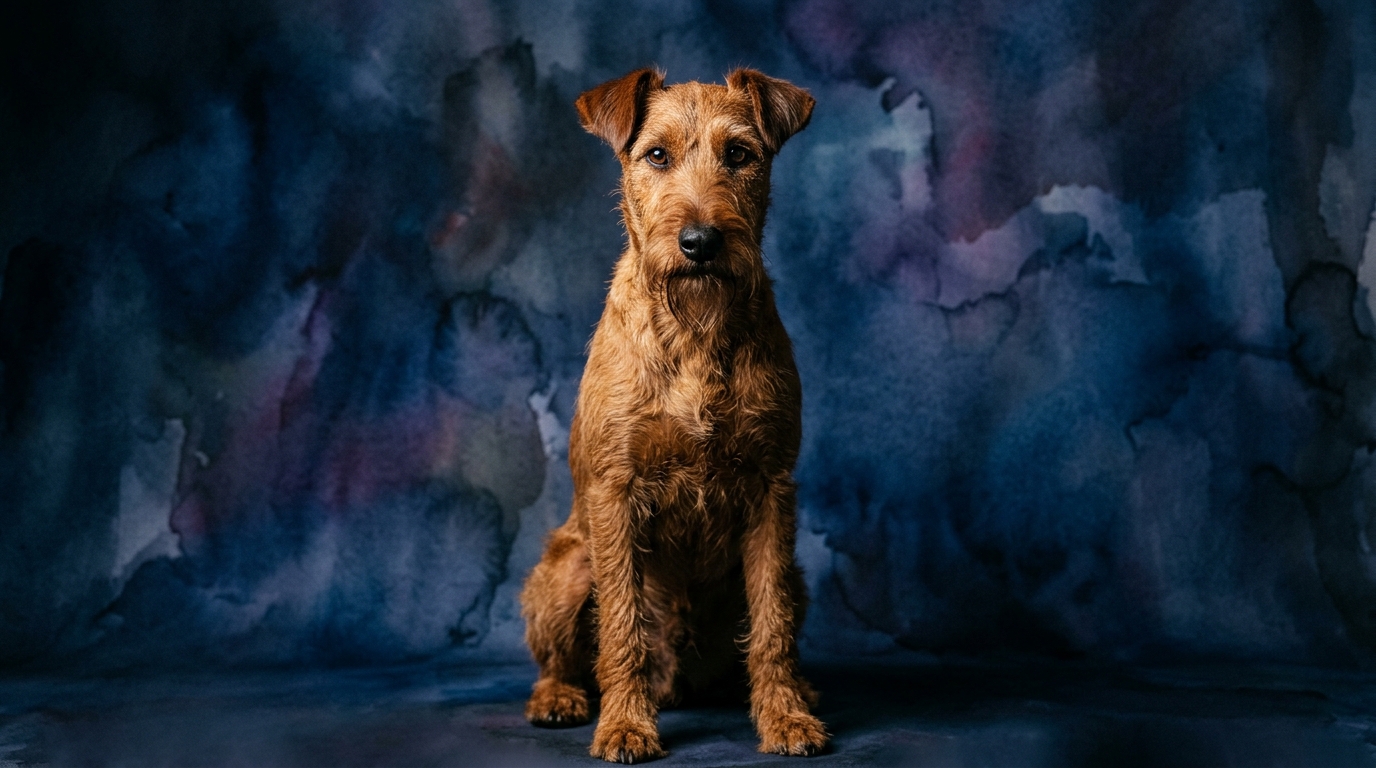
The Cosmic Pet Pet IQ Lab employs a five-dimensional framework to assess canine intelligence, offering a nuanced understanding beyond simple ranking. For the Irish Terrier, a dog from the Terrier group, we observe a balanced set of scores across these dimensions. Their Problem Solving is rated at 3/5, indicating a practical, often direct approach to challenges. Training Speed stands at 3/5, suggesting a moderate learning curve that benefits from consistent instruction. Social Intelligence is also 3/5, reflecting their capacity for strong, focused bonds. Their Instinctive Drive is 3/5, signifying a purposeful, self-reliant nature, and Memory is 3/5, meaning they retain information adequately but may require refreshers.
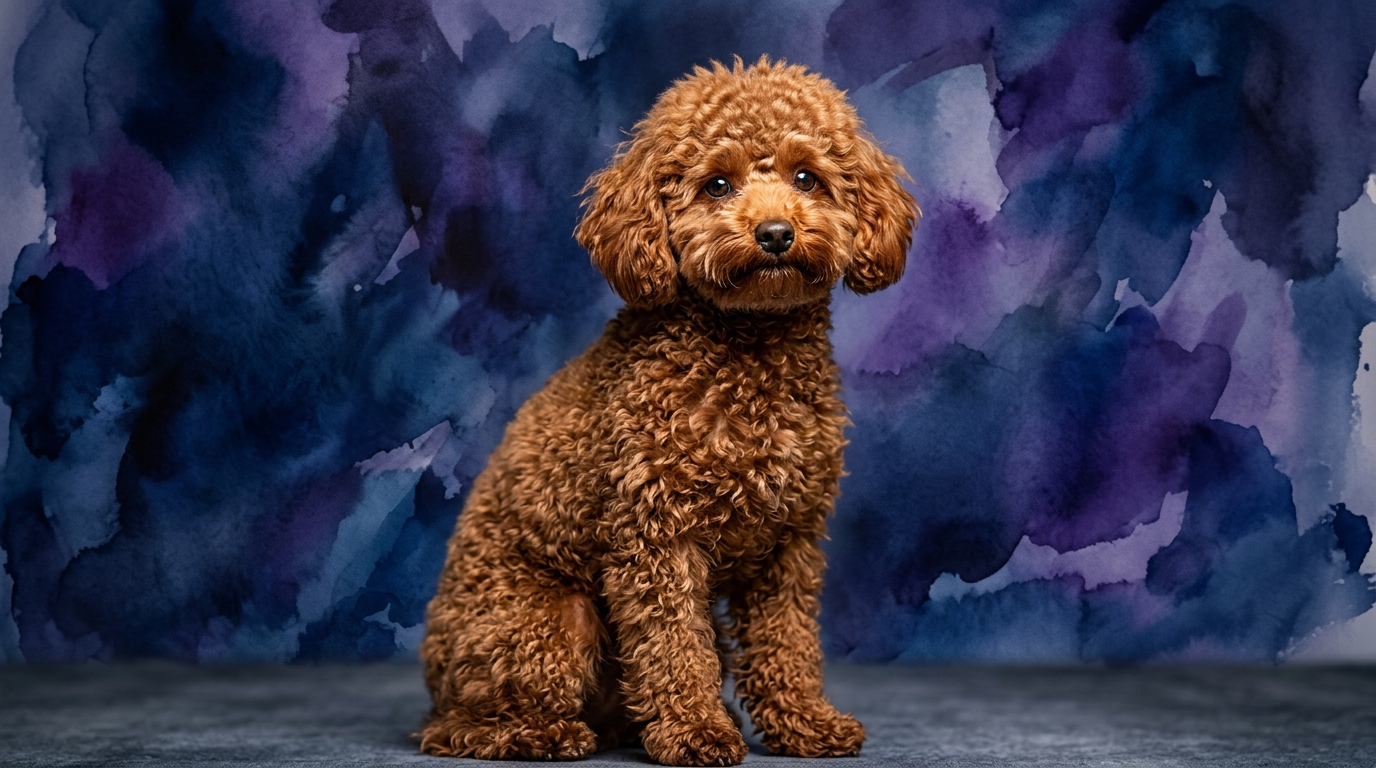
In stark contrast, the Toy Poodle, a member of the Toy group and holding a Coren rank of #2, showcases a distinctly different cognitive blueprint. Their Problem Solving capability is exceptional at 5/5, demonstrating a keen analytical mind. Training Speed also scores a perfect 5/5, highlighting their remarkable aptitude for rapid learning and comprehension. Social Intelligence is 3/5, similar to the Irish Terrier, indicating focused relational skills rather than broad social adaptability. Instinctive Drive is 3/5, pointing to a balanced, task-oriented disposition. However, their Memory truly shines with a 5/5 score, signifying an outstanding capacity for retention and recall.
Where the Irish Terrier Wins Cognitively
The Irish Terrier's cognitive profile, while not characterized by rapid acquisition, champions a distinct brand of resilient problem-solving and self-reliance. Their 3/5 problem-solving isn't about intricate strategy, but rather a tenacious, unyielding approach to obstacles; they persist where others might falter, often finding a solution through sheer determination and iterative trial-and-error. This grit, deeply rooted in their instinctive drive (3/5), means they are less likely to give up on a task once committed, whether it's navigating a challenging terrain or figuring out how to get to a coveted toy.
Furthermore, their social intelligence, also at 3/5, manifests as a perceptive understanding of their core family unit, allowing them to form deeply loyal and protective bonds. While they may not seek to universally please, they are acutely aware of their owner's emotional state and intentions, often acting as a vigilant and devoted companion. This particular blend of independent thought and dedicated loyalty makes them astute judges of character within their trusted circle, providing a stable and predictable presence that values depth over broad social engagement.
Where the Toy Poodle Wins Cognitively
The Toy Poodle's cognitive strengths are striking, particularly in areas of rapid learning and intricate problem-solving. Their 5/5 score in problem-solving indicates an exceptional capacity for analytical thought; they can quickly deduce solutions to complex scenarios, such as manipulating latches or understanding multi-step commands. This makes them adept at advanced obedience, agility, and even learning complex tricks, often surprising owners with their ability to generalize concepts from one task to another, showcasing a profound mental flexibility.
Their 5/5 training speed and memory further amplify these advantages, making them a standout in structured learning environments. A Toy Poodle can often grasp a new command within a handful of repetitions and retain that knowledge for extended periods, allowing for a vast and nuanced vocabulary of cues. This cognitive architecture enables them to excel in detailed instruction and perform lengthy sequences of behaviors, demonstrating a remarkable mental agility that is a hallmark of their breed and makes them highly receptive to continuous education.
Which is Easier to Train and Why
Without question, the Toy Poodle presents an easier training journey for most owners, a direct reflection of their superior cognitive scores in training speed (5/5), problem-solving (5/5), and memory (5/5). Their eager-to-please disposition, combined with their rapid comprehension, means they absorb new commands and concepts with remarkable efficiency. They are quick to generalize learned behaviors to new contexts and possess an excellent recall, making them highly responsive to both basic obedience and advanced skill acquisition. Their mental agility allows them to thrive on consistent, positive reinforcement, turning training into a cooperative and often joyful experience where they are active, engaged participants.
The Irish Terrier, while certainly trainable, requires a more patient, consistent, and creative approach due to their 3/5 scores across training speed and memory, coupled with a strong independent streak inherent to their terrier nature. They tend to evaluate commands based on their own perceived value or interest, sometimes exhibiting a charming stubbornness that stems from their self-reliant problem-solving. Training them often involves finding what truly motivates them and making the process highly engaging to overcome their inclination towards self-directed action, necessitating a trainer who can anticipate and redirect this independent thought process effectively and with a firm yet fair hand.
Which Suits Active Owners vs. Relaxed Owners
The Toy Poodle, with its high mental acuity and desire for engagement, is an ideal match for active owners who relish providing consistent mental stimulation and structured activities. These dogs thrive when challenged with puzzle toys, learning new tricks, participating in dog sports like agility or obedience, and even engaging in interactive games that require strategic thinking. While they certainly enjoy physical exercise, their primary need is for mental work, making them suitable for owners who are dedicated to ongoing training and enrichment, rather than just long walks. Their adaptability means they can also appreciate relaxed moments, but their cognitive needs demand a proactive owner who can channel their bright minds constructively.
The Irish Terrier, while possessing a moderate instinctive drive, suits an active owner who appreciates a dog with a robust physical presence and a strong, independent spirit, but perhaps less emphasis on intricate cognitive training. They excel in environments where they can explore, engage in vigorous play, and have opportunities for self-directed activity that satisfies their terrier instincts, such as exploring secure outdoor spaces or participating in earthdog trials. While they benefit from training, their cognitive needs are less about complex learning and more about consistent guidance and physical outlets. A relaxed owner might find their independent streak and moderate energy levels a bit challenging if not properly channeled, as their problem-solving and instinctive drive can lead to self-amusement that might not align with household rules.
The Verdict
Opt for an Irish Terrier if you appreciate a dog with a spirited, independent mind, a loyal companion who offers direct affection, and if you are prepared to engage with a dog whose determination and self-reliance are core to their charm.
Select a Toy Poodle if you seek a highly trainable companion eager to engage in complex learning, thrives on mental challenges, and excels in structured activities that showcase their remarkable cognitive agility.
🧠 Find Your Pet's IQ Score
Our Pet IQ Lab assessment covers 25+ tests across 5 cognitive dimensions — personalized to your breed.
Take the Full IQ Test →Frequently Asked Questions
Do Irish Terriers learn tricks easily?
Irish Terriers can learn tricks, but their training speed (3/5) means they require more repetition and consistent motivation than some breeds. Their independent nature often means lessons need to be made highly engaging to capture their interest.
Are Toy Poodles good at problem-solving games?
Absolutely, Toy Poodles excel at problem-solving games, scoring 5/5 in this dimension. They quickly figure out puzzle toys and enjoy challenges that require analytical thought, often surprising owners with their ingenuity.
Which breed is better for a first-time dog owner?
The Toy Poodle is generally more forgiving for a first-time owner due to its higher training speed and eagerness to please, making the learning process smoother. The Irish Terrier's independent nature and moderate training needs might be more suitable for owners with some prior dog experience or a strong commitment to consistent, firm guidance.