Side-by-Side Cognitive Profiles
At The Cosmic Pet Pet IQ Lab, both the Irish Wolfhound and the American Foxhound registered a consistent 3/5 across all five measured dimensions: Problem Solving, Training Speed, Social Intelligence, Instinctive Drive, and Memory. This parity in scores might initially suggest identical cognitive capabilities, but a deeper look into their breed-specific applications reveals fascinating distinctions in how these scores translate into real-world behavior and aptitude.
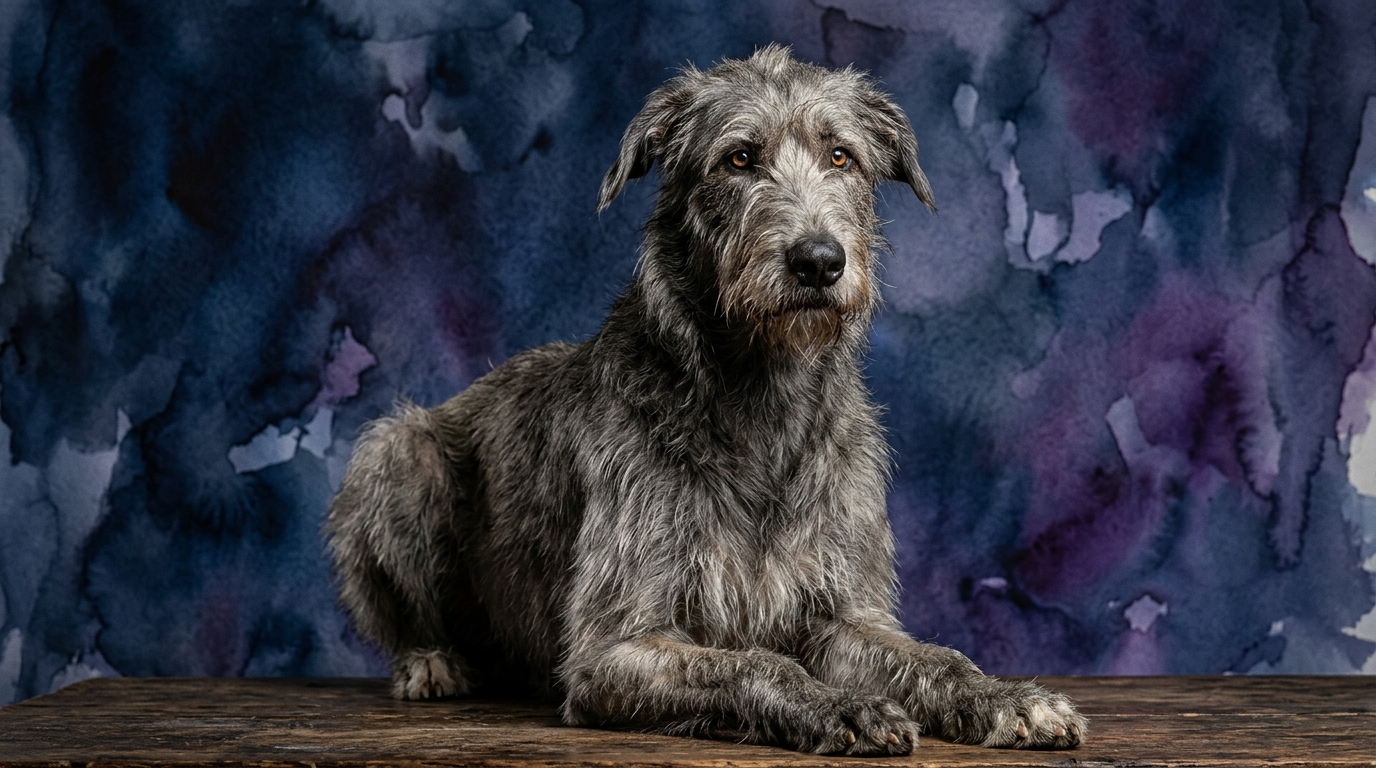
For the Irish Wolfhound, a Problem Solving score of 3/5 indicates a moderate capacity for independent thought and adapting to new situations. These gentle giants, originally bred for hunting large game, possess a thoughtful approach to their environment, capable of figuring out moderately complex tasks like navigating a new path or understanding a novel household routine. Their Training Speed at 3/5 reflects a steady learning curve; they are receptive to commands but thrive on positive reinforcement and can become bored with overly repetitive drills, necessitating engaging and varied training sessions. Their Social Intelligence, also 3/5, points to a strong bond with their human family, often displaying a keen awareness of household dynamics and individual moods, though they can be reserved with strangers. The Irish Wolfhound's Instinctive Drive at 3/5 is notably a sighthound's pursuit—a powerful, visual drive to chase moving objects, paired with the historical courage to confront large prey. Finally, their Memory score of 3/5 signifies a good recall for routines, familiar people, and learned commands, provided they are consistently reinforced.
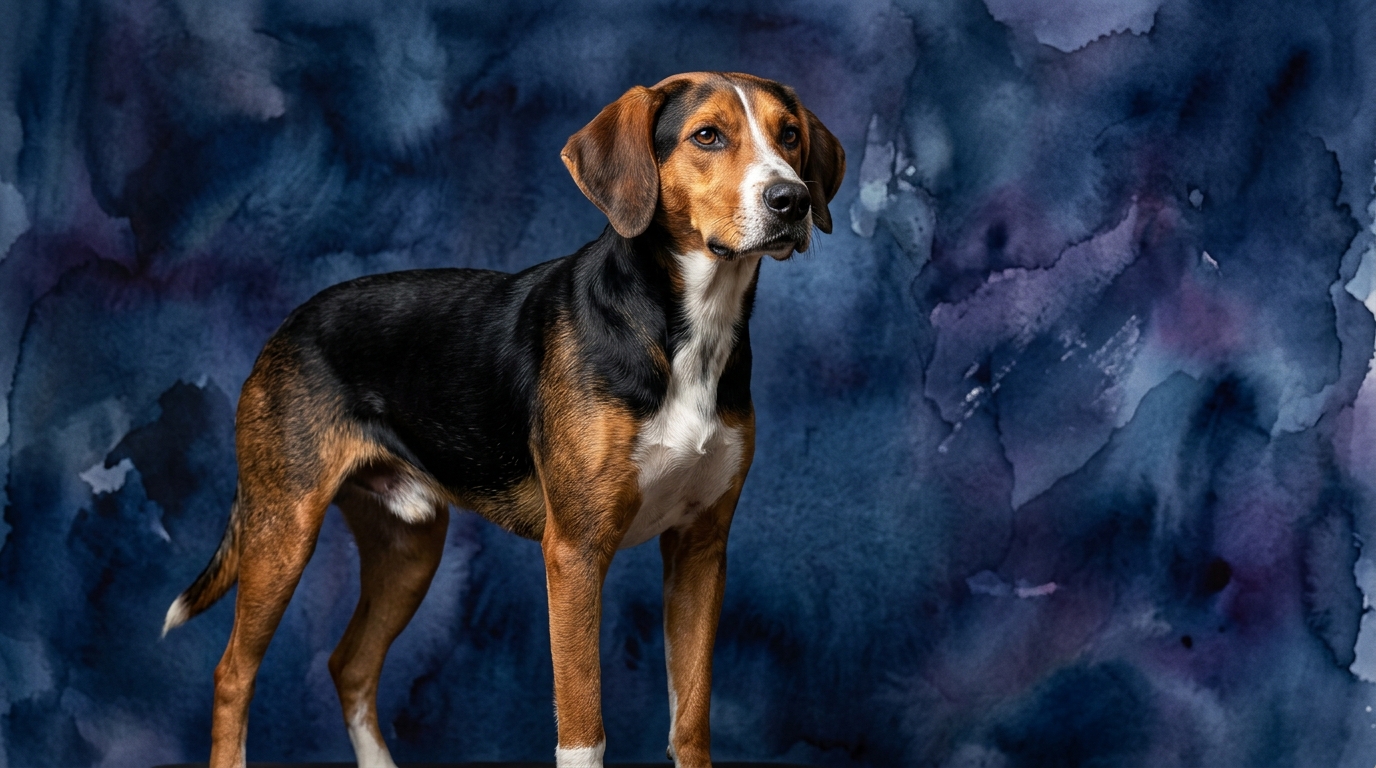
The American Foxhound, also scoring 3/5 in Problem Solving, applies this capacity differently. Their problem-solving prowess is most evident in their primary function: tracking. They excel at deciphering complex scent trails, working around obstacles, and demonstrating remarkable focus to maintain their quarry's path. This isn't abstract problem-solving but a highly specialized, instinct-driven form. Their Training Speed, also 3/5, means they learn at a moderate pace, but their formidable scent drive can make consistent focus challenging, especially outdoors where environmental stimuli are abundant. Success often hinges on making training rewarding and integrating their natural inclinations. Social Intelligence at 3/5 for the American Foxhound emphasizes their pack-oriented nature; they are highly attuned to group dynamics and thrive in environments where they feel part of a larger unit, whether canine or human. Their Instinctive Drive, a robust 3/5, is overwhelmingly governed by scent. These dogs possess an almost unparalleled drive to follow a compelling odor, often to the exclusion of all else, a trait honed over centuries of hunting. Their Memory, a 3/5, is particularly strong for scent-related information and established routines, though a potent scent can momentarily override learned behaviors, making it seem as if a command has been forgotten in the heat of the moment.
Where the Irish Wolfhound Cognitively Excels
Despite identical scores, the Irish Wolfhound's cognitive strengths lean towards independent decision-making in non-hunting contexts and a nuanced social awareness. Their sighthound heritage, combined with their historical role as companions to nobility, fostered a capacity for making quick judgments in varied situations without constant human direction. This translates into a dog that can often assess a novel household situation and react with a degree of calm and self-possession. Their social intelligence, while rated 3/5, often manifests as a more refined understanding of human emotional states, allowing them to offer comfort or space as needed, demonstrating a quiet empathy that can be deeply felt by their families. They are less prone to being entirely consumed by a single sensory input, maintaining a broader awareness of their surroundings and human presence.
Where the American Foxhound Cognitively Excels
The American Foxhound truly shines in areas demanding sustained focus on a specific sensory input and a deep understanding of cooperative group dynamics. Their 3/5 Problem Solving and Instinctive Drive scores, when combined, create a master tracker; their ability to meticulously follow a scent trail, ignoring distractions, represents an incredible feat of cognitive persistence and sensory processing. This unwavering dedication to a task, once engaged, is a distinct cognitive advantage for specific purposes. Furthermore, their social intelligence, also 3/5, emphasizes their exceptional ability to integrate into a pack structure. They instinctively understand their role within a group, whether a canine hunting pack or a human family, and derive immense satisfaction from cooperative activities, making them excellent companions for multi-dog households or group activities.
Training Differences: Patience vs. Persistence
When considering ease of training, the identical 3/5 Training Speed scores belie significant differences in approach. The Irish Wolfhound, with its independent streak and potential for boredom, requires patient, consistent, and varied training. They respond best to positive reinforcement and engaging exercises that challenge their moderate problem-solving abilities. Their large size and powerful build mean early leash training and command adherence are crucial, but their generally calmer demeanor indoors can make foundational obedience less frantic. The challenge often lies in maintaining their engagement over time and ensuring their attention doesn't wander from repetitive tasks.
The American Foxhound, conversely, presents a different set of training considerations. Their powerful 3/5 instinctive drive for scent can be a profound distraction, making off-leash reliability a significant, long-term endeavor. Their strong vocalizations (baying) also require dedicated training to manage in residential settings. While they learn commands at a moderate pace, their enthusiasm and single-minded pursuit of a scent mean that training often needs to be conducted in controlled environments and proofed extensively around distractions. Persistence from the owner, coupled with creative ways to harness their scent drive (like scent work games), is key to successful training, rather than expecting immediate, unwavering compliance in stimulating outdoor environments.
Suited for Active vs. Relaxed Owners
The choice between these two breeds largely depends on an owner's lifestyle. The Irish Wolfhound, despite its impressive size, can be surprisingly amenable to a more relaxed home life once its moderate exercise needs are met. They require daily walks and opportunities to stretch their long legs, but are not typically high-strung and enjoy lounging with their families. Their dignified nature and sensitive social intelligence make them excellent companions for owners who appreciate a calmer, more reflective presence indoors, provided they can accommodate their need for space and a good romp outdoors. They are a good fit for owners seeking a gentle giant who enjoys quiet companionship after a good stretch.
The American Foxhound, with its robust 3/5 instinctive drive and high energy levels, is unequivocally suited for active owners. These dogs were bred for endurance and relentless pursuit; they thrive on extensive daily exercise, including long runs, hikes, or vigorous play. Their moderate problem-solving and social intelligence scores are best leveraged in environments where they can engage in activities that tap into their natural inclinations, such as scent work, canine sports, or simply long adventures in nature. They require an owner who can commit to providing consistent physical and mental stimulation, making them ideal for individuals or families with an active, outdoorsy lifestyle ready to embrace a boisterous and driven companion.
The Verdict: When to Choose Each Hound
The Irish Wolfhound is an exceptional choice for those seeking a loyal, gentle giant who offers a quiet, dignified presence indoors after moderate daily exercise, appreciating a sensitive and thoughtful companion.
The American Foxhound is ideal for highly active, outdoors-loving individuals or families prepared to provide extensive daily exercise and engage with a dog whose powerful scent drive and pack mentality thrive on purposeful activity.
The Verdict
Choose the Irish Wolfhound if you seek a calm, gentle giant who appreciates a more thoughtful, nuanced social interaction and can provide moderate daily exercise.
Opt for the American Foxhound if you lead a highly active lifestyle, enjoy outdoor adventures, and are prepared to engage with a dog driven by an exceptional scenting instinct.
🧠 Find Your Pet's IQ Score
Our Pet IQ Lab assessment covers 25+ tests across 5 cognitive dimensions — personalized to your breed.
Take the Full IQ Test →Frequently Asked Questions
Do Irish Wolfhounds need a lot of exercise?
Irish Wolfhounds require moderate daily exercise; while they are large, they are not hyperactive. Daily walks and opportunities to gallop in a secure area are essential to keep them physically and mentally content, balancing their need for activity with their calm indoor demeanor.
Are American Foxhounds good family dogs?
American Foxhounds can be wonderful family dogs, especially for active families, as their social intelligence emphasizes pack dynamics. They thrive on companionship and enjoy being part of a group, but their high energy and strong scent drive necessitate consistent training and ample exercise to ensure they are well-adjusted household members.
Which breed is easier to train for off-leash activities?
Generally, the Irish Wolfhound might be marginally easier to train for off-leash activities due to their slightly less overwhelming instinctive drive compared to the American Foxhound. However, both breeds possess independent hunting instincts, meaning consistent, positive reinforcement training and a strong recall foundation are critical for safe off-leash reliability for either.