Side-by-Side Cognitive Profiles
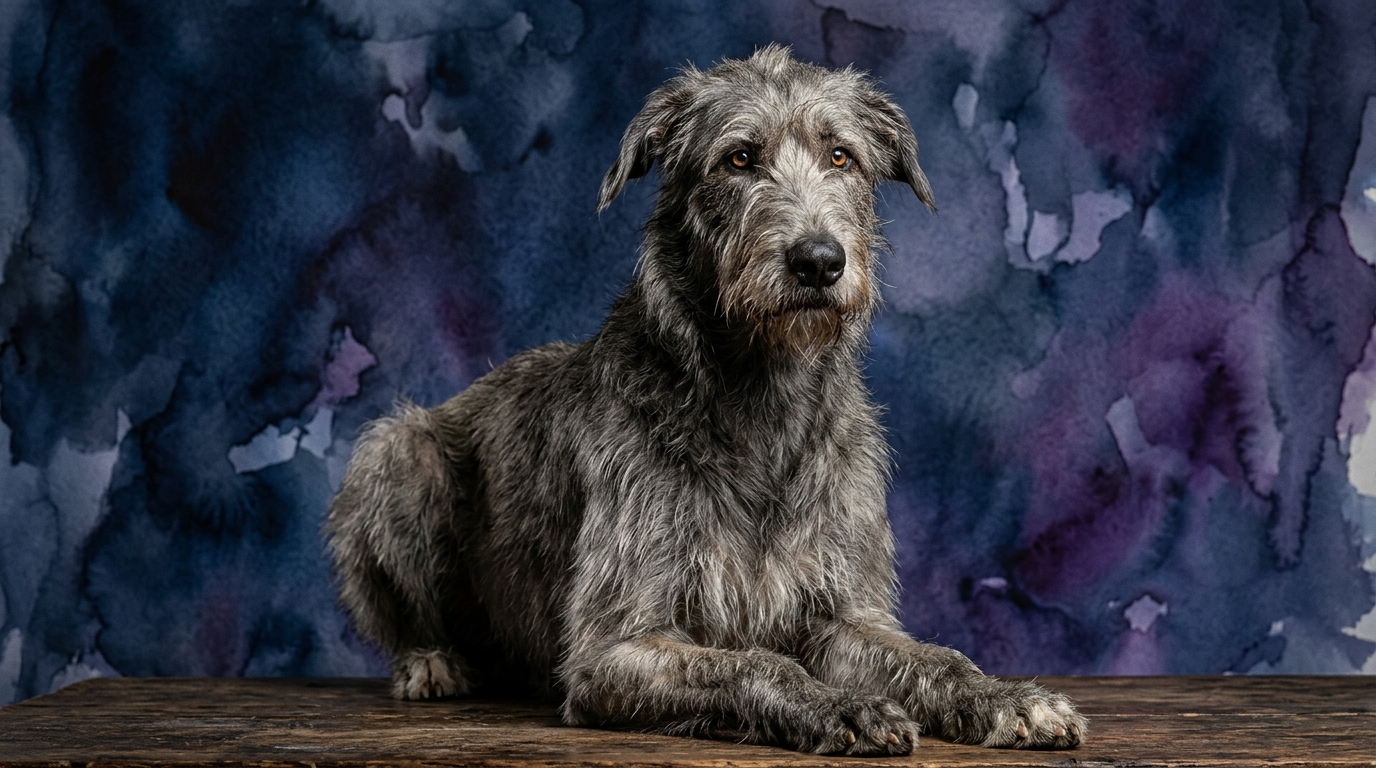
The Cosmic Pet Pet IQ Lab provides a structured framework for understanding canine intelligence across five critical dimensions. For the Irish Wolfhound, we observe a balanced set of scores, reflecting its historical role as an independent, yet cooperative, hunter. Its Problem Solving is rated at 3/5, indicating it can navigate challenges but may not instinctively seek out complex mental puzzles. Training Speed also stands at 3/5, suggesting a steady learning pace that requires consistent guidance rather than rapid-fire repetitions. Social Intelligence scores 3/5, meaning it capably understands human cues and pack dynamics. Its Instinctive Drive is likewise 3/5, exhibiting a moderate prey drive common to sighthounds but not an overwhelming fixation. Finally, its Memory is rated 3/5, capable of retaining routines and commands over time.
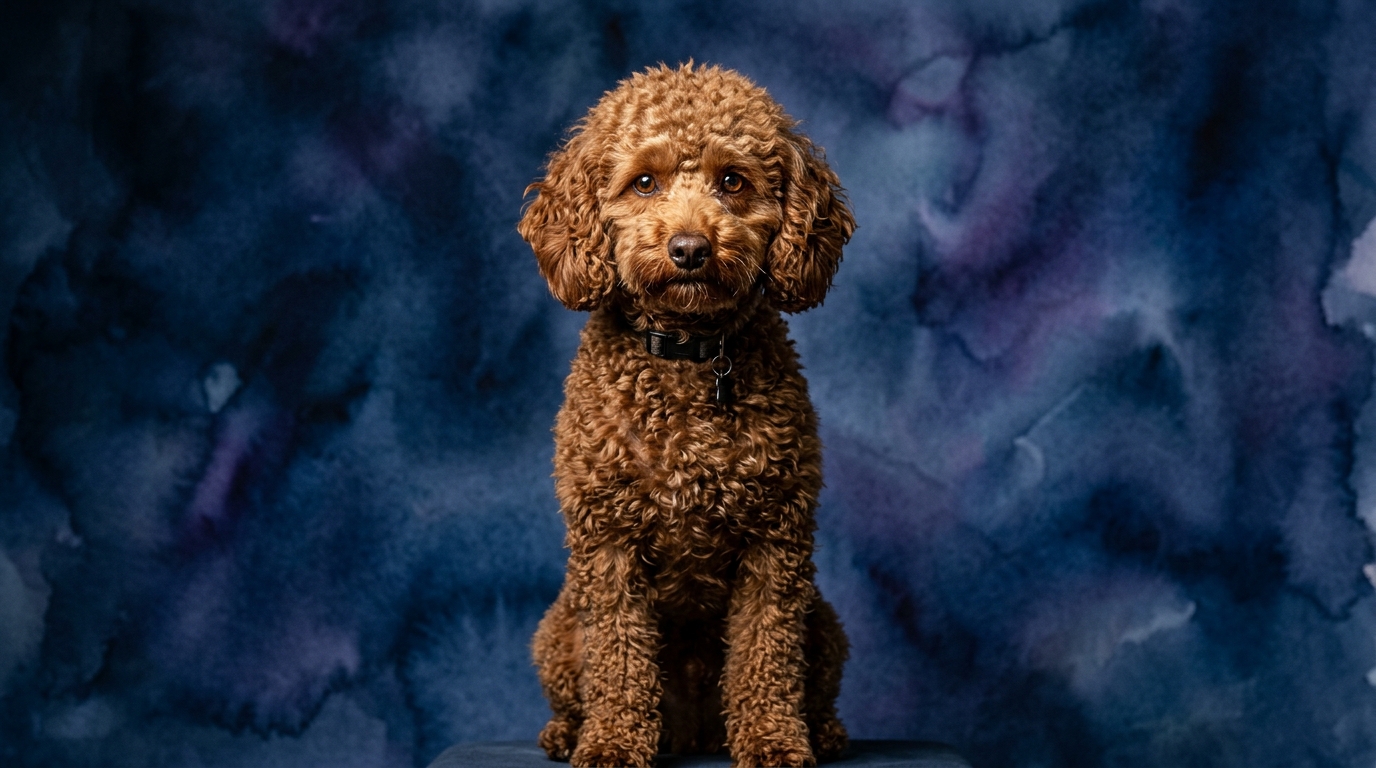
In contrast, the Miniature Poodle presents a profile indicative of a highly adaptable and mentally agile companion. Its Problem Solving ability soars to 5/5, demonstrating an exceptional capacity to analyze novel situations and devise effective solutions. This is mirrored in its Training Speed, also at 5/5, allowing it to grasp new commands and complex sequences with remarkable swiftness. Interestingly, its Social Intelligence matches the Wolfhound at 3/5, suggesting a competent understanding of social cues without exhibiting unique empathy levels compared to its other cognitive strengths. Its Instinctive Drive is also 3/5, indicating a moderate level of natural urges, such as retrieving or chasing, which are manageable. The Miniature Poodle's Memory is rated 5/5, signifying an impressive ability to recall a vast array of learned behaviors and experiences with precision.
Where the Irish Wolfhound Shines Cognitively
While the Miniature Poodle boasts higher scores in several areas, the Irish Wolfhound possesses a unique cognitive disposition forged by its heritage. Its 3/5 Problem Solving and Training Speed, combined with its independent nature, means it often excels in tasks requiring thoughtful deliberation rather than frantic attempts. This breed is not prone to impulsive decisions; instead, it processes information with a quiet stoicism. Owners often describe a deep, introspective quality, where the Wolfhound appears to weigh situations before acting, a valuable trait in a large guardian.
Moreover, the Wolfhound's balanced 3/5 in Instinctive Drive means that while it possesses the ancestral drive of a sighthound, it typically doesn't become overly fixated on prey or chasing to the detriment of other activities. This moderate drive, coupled with its social intelligence, allows it to integrate calmly into family life. Its cognitive strengths lie in its calm resilience and the ability to operate effectively without constant instruction, relying on its own judgment once a task or routine is understood. This makes it a dependable companion in predictable environments, valuing routine and subtle communication over constant mental gymnastics.
Where the Miniature Poodle Excels Cognitively
The Miniature Poodle's cognitive strengths are immediate and profound, particularly in its Problem Solving and Training Speed, both scoring 5/5. This breed demonstrates an exceptional capacity for abstract thought and rapid learning, making it adept at understanding complex commands and performing intricate sequences. It doesn't just learn; it often anticipates, adapting its behavior based on subtle cues and environmental changes. This makes the Miniature Poodle a standout performer in obedience, agility, and other dog sports that demand quick thinking and precise execution.
Its Memory, also rated 5/5, underpins its impressive trainability and problem-solving skills. Miniature Poodles can retain a vast repertoire of commands, tricks, and social cues over long periods, making them highly consistent once a behavior is learned. This robust memory, combined with their quick training speed, means they can master new skills in fewer repetitions and recall them reliably, even after extended breaks. Owners often find themselves amazed by the Poodle's capacity to remember specific routines or even the names of various objects, demonstrating a cognitive depth that goes beyond simple association.
Training: Patience vs. Precision
Training an Irish Wolfhound requires a different approach than training a Miniature Poodle. With a Training Speed of 3/5, the Wolfhound learns steadily but not instantaneously. They respond best to patient, consistent methods, clear expectations, and positive reinforcement. Because they are independent thinkers, Wolfhounds may take longer to generalize commands to new situations and might need more repetitions before a behavior becomes truly ingrained. Their large size also necessitates early and consistent training to ensure they are manageable and well-mannered companions.
In contrast, the Miniature Poodle's 5/5 Training Speed makes them exceptionally receptive to training. They pick up new commands with remarkable ease, often after just a few repetitions, and are eager to please their handlers. This allows for the teaching of a wide array of advanced behaviors and tricks, making them stars in competitive obedience, rally, and trick training. Their quick grasp of concepts means that trainers can progress rapidly through curricula, focusing on precision and nuance rather than brute repetition. However, their sharp minds also mean they require consistent mental stimulation to prevent boredom and the development of undesirable behaviors.
Matching Canine Cognition to Lifestyle
For active owners who thrive on mental engagement with their canine companions, the Miniature Poodle is an exceptional match. Its high scores in problem-solving, training speed, and memory mean it flourishes with regular mental challenges such as puzzle toys, scent work, complex obedience routines, or even learning multiple tricks. Owners who enjoy dog sports like agility, flyball, or advanced obedience will find the Miniature Poodle's cognitive profile perfectly suited to these demanding activities. They require an owner who can consistently provide intellectual stimulation to keep their sharp minds occupied and content.
The Irish Wolfhound, with its more balanced cognitive profile, suits owners who appreciate a calm, dignified companion and a less intense approach to mental engagement. While they benefit from training and clear communication, their cognitive strengths lean towards thoughtful independence rather than constant mental gymnastics. They are ideal for relaxed owners who enjoy long, reflective walks, appreciate a quiet presence, and are patient with learning curves. Their social intelligence allows them to form deep bonds, but their independence means they don't demand constant attention, making them excellent companions for those who value serene companionship over high-octane mental exertion.
The Verdict
Choose the Irish Wolfhound if you seek a calm, independent companion who learns at a steady pace and appreciates routine, offering a majestic presence and thoughtful companionship.
Opt for the Miniature Poodle if you desire a highly trainable, quick-witted partner eager for mental challenges, excelling in rapid learning and complex problem-solving activities.
🧠 Find Your Pet's IQ Score
Our Pet IQ Lab assessment covers 25+ tests across 5 cognitive dimensions — personalized to your breed.
Take the Full IQ Test →Frequently Asked Questions
Does the Irish Wolfhound's size affect its cognitive abilities?
While the Wolfhound's massive size might influence its physical agility, its cognitive scores of 3/5 across most dimensions suggest a steady, thoughtful intelligence rather than being directly limited by its stature. Its mental processing is more about deliberation than quick reaction.
Can a Miniature Poodle be too smart for a novice owner?
A Miniature Poodle's exceptional cognitive abilities, particularly its 5/5 problem-solving and training speed, mean it requires consistent mental stimulation. A novice owner can certainly manage one, but they must be prepared to provide engaging activities and consistent training to prevent boredom-induced behaviors.
How do their similar social intelligence scores (3/5) manifest differently?
Both breeds capably understand human cues, but the Irish Wolfhound's 3/5 social intelligence often manifests as a calm, observant understanding, while the Miniature Poodle's 3/5, paired with its high trainability, might appear more responsive and eager to engage in social learning.