Side-by-Side Cognitive Profile
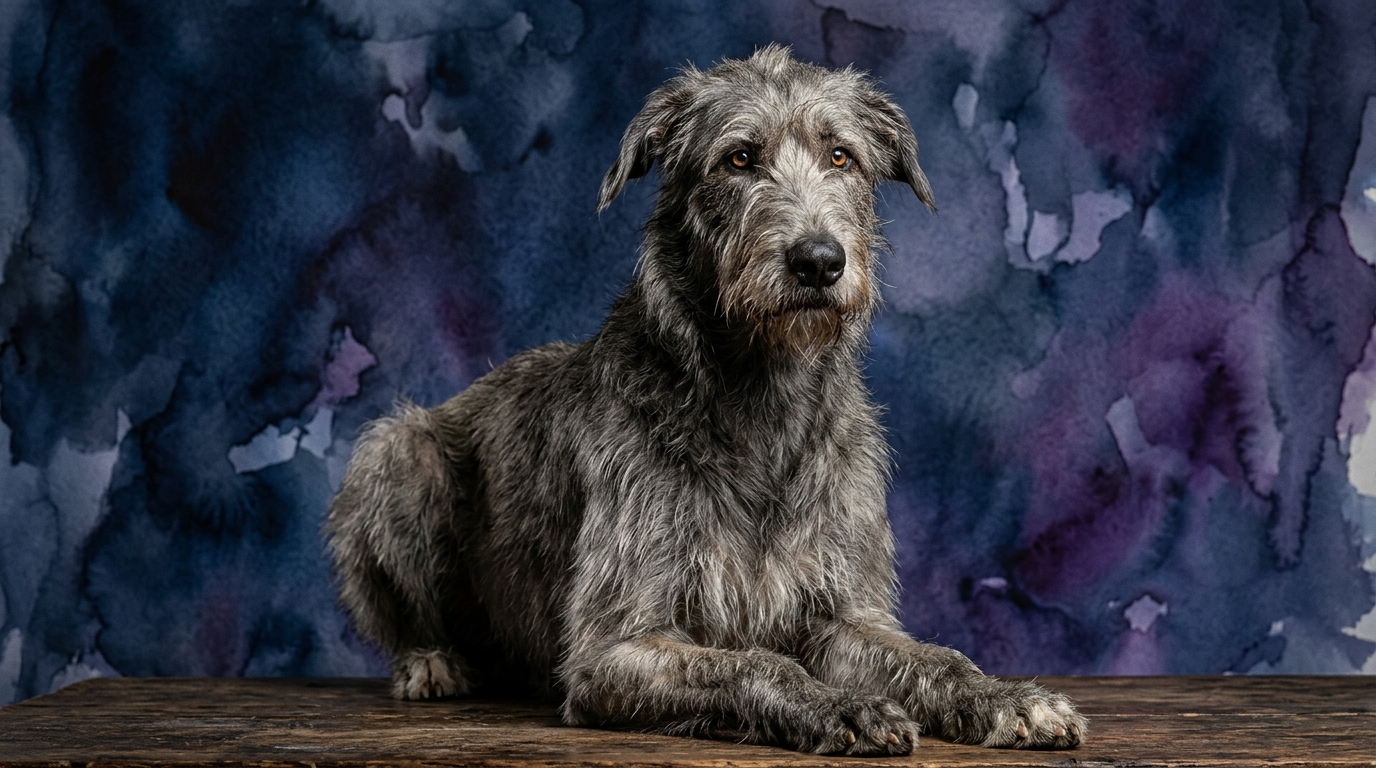
The Cosmic Pet Pet IQ Lab assesses canine cognition across five key dimensions, and for both the Irish Wolfhound and the Rhodesian Ridgeback, the scores present an intriguing baseline of 3/5 across the board. For the Irish Wolfhound, Problem Solving (3/5) often manifests as an independent thought process, particularly in self-directed decision-making during pursuit or navigating complex environments, reflecting their ancestral role as sight hounds. Their Training Speed (3/5) indicates a capacity for learning, though often with a thoughtful, unhurried pace that benefits from patient, positive reinforcement. Social Intelligence (3/5) in Wolfhounds typically translates to a gentle, perceptive understanding of human emotions, fostering deep, empathetic bonds. Their Instinctive Drive (3/5) is pronounced in their sight hound tendencies, focusing on movement and pursuit, alongside a protective instinct towards their family. Memory (3/5) allows them to retain commands and experiences effectively, applying them with a degree of independent judgment.
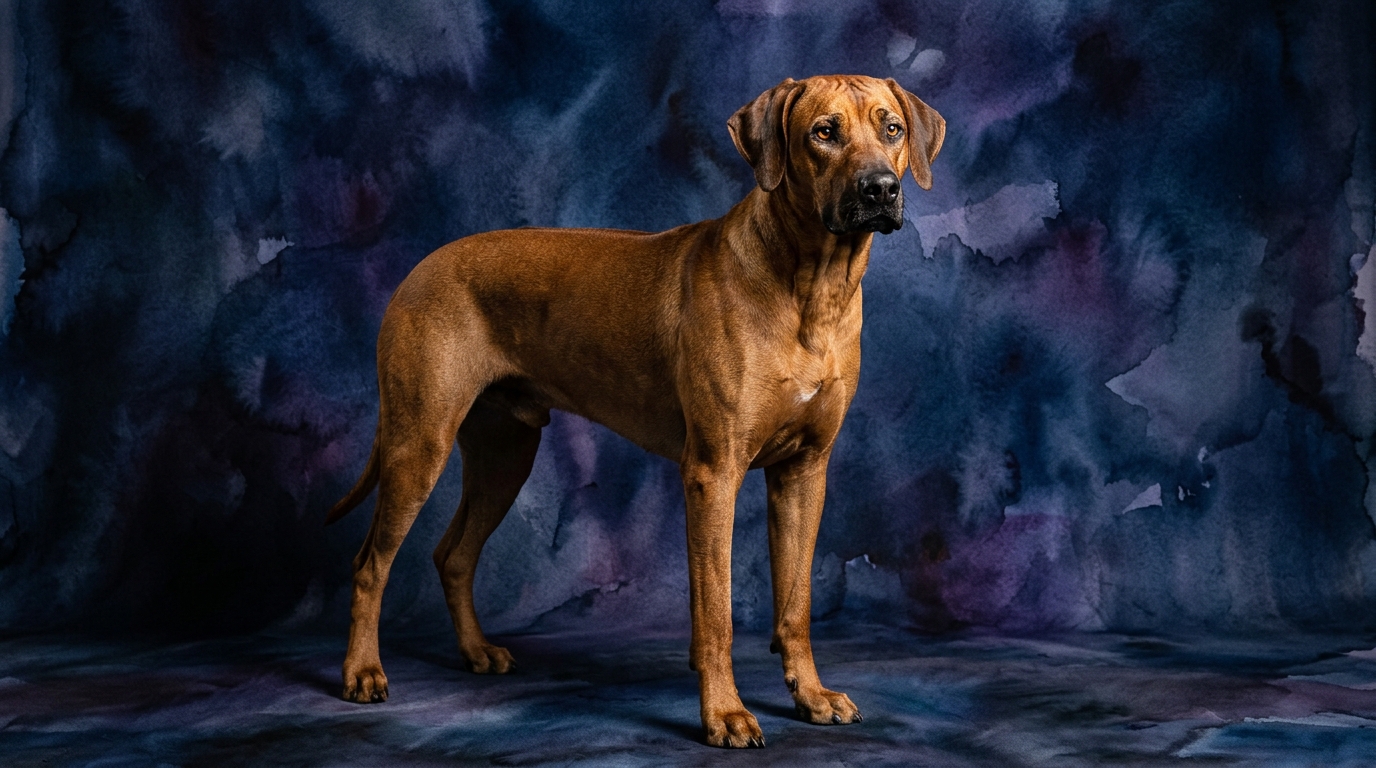
The Rhodesian Ridgeback, conversely, also registers 3/5 in all cognitive dimensions, yet these scores play out through a different lens. Their Problem Solving (3/5) tends towards strategic thinking required for tracking and holding large game, demonstrating adaptability in dynamic situations. Training Speed (3/5) signifies efficient learning, but it is often paired with a strong will, necessitating clear boundaries and unwavering consistency from their handlers. Social Intelligence (3/5) in Ridgebacks typically involves forming strong family attachments while maintaining a reserved, discerning demeanor with strangers, carefully assessing social cues. Their Instinctive Drive (3/5) is marked by a potent prey drive for tracking and a pronounced guarding instinct. Memory (3/5) is excellent for recalling learned behaviors and spatial information, crucial for executing complex tasks and maintaining their protective roles. Notably, the Ridgeback holds a Coren rank of #52, indicating a more conventionally recognized trainability compared to the Wolfhound, which is not Coren-ranked.
Where the Irish Wolfhound Excels Cognitively
Despite identical numerical scores, the Irish Wolfhound's cognitive strengths often lie in their unique blend of independent thought and profound gentleness. Their 3/5 in problem-solving, for instance, is less about intricate command sequences and more about autonomous decision-making in open spaces, where a keen visual sense and self-reliance were paramount for their original purpose. This often translates into a dog capable of understanding situations and reacting with a calm, considered approach. Furthermore, their 3/5 in social intelligence frequently manifests as an almost empathetic understanding of their human companions' emotional states, offering a subtle yet powerful cognitive advantage in companionship. This deep perceptiveness allows them to respond to unspoken cues, fostering an exceptionally strong emotional bond. Their memory (3/5), combined with this thoughtful nature, enables them to recall past experiences and apply lessons with a measured, rather than impulsive, reaction, contributing to their reputation for dignified composure.
Where the Rhodesian Ridgeback Excels Cognitively
The Rhodesian Ridgeback's cognitive strengths, while also rated 3/5, are distinctively geared towards focused determination and strategic application. Their problem-solving (3/5) excels in multi-stage tasks, such as tracking a scent trail over varied terrain, where persistence, adaptive strategy, and a strong sense of purpose are critical. This reflects their history of working in challenging environments requiring sustained mental effort. The Ridgeback’s instinctive drive (3/5) for pursuit and guarding, combined with their memory (3/5), allows for a highly effective and consistent application of learned behaviors in protective or working scenarios. They possess a remarkable ability to recall complex sequences and apply them with unwavering focus. Their social intelligence (3/5) manifests in a discerning protective instinct, requiring them to quickly assess potential threats and social dynamics, making them astute observers of their environment and discerning guardians of their family.
Training Dynamics: Irish Wolfhound vs. Rhodesian Ridgeback
When it comes to training, both breeds share a 3/5 rating for Training Speed, yet their approach to learning and their handler's required methodology diverge significantly. The Irish Wolfhound, despite its immense size, can be quite sensitive; they respond most effectively to gentle, positive reinforcement methods. Their independent thought process means they might thoughtfully consider the 'why' behind a command, requiring patience and clear motivation rather than rote repetition. While capable learners, their independence can sometimes be misinterpreted as stubbornness, but it's more often a reflection of their contemplative nature. Early and consistent training is vital due to their formidable size, ensuring they learn appropriate manners without resorting to harsh corrections that can diminish their trust.
The Rhodesian Ridgeback, though also rated 3/5 in Training Speed, often presents a different challenge. They are strong-willed and possess a notable independence, sometimes described as 'cat-like,' despite their strong working drive. They learn quickly, but will consistently test boundaries, demanding a confident, consistent leader who provides clear direction without resorting to harshness. Their higher energy and instinctive drive mean they require substantial mental stimulation, which can be effectively channeled into structured training sessions. This breed thrives when given a job to do and responds well to engaging challenges, making them responsive and eager to participate when appropriately motivated and led. The Ridgeback’s Coren rank of #52 also suggests a generally more conventional trainability compared to many other hound breeds.
Lifestyle Suitability: Active vs. Relaxed Owners
Considering their cognitive profiles and inherent drives, the Rhodesian Ridgeback is generally a better fit for active owners. Their high instinctive drive (3/5) and need for consistent mental engagement necessitate substantial daily exercise and purposeful activities. They thrive with individuals or families who enjoy pursuits like hiking, running, or dog sports, and who can dedicate time to consistent training and varied mental challenges. A Ridgeback that lacks sufficient mental and physical outlet may develop undesirable behaviors, underscoring their need for an engaged lifestyle.
The Irish Wolfhound, conversely, typically suits more relaxed owners, though they still require regular, moderate exercise. While capable of impressive bursts of speed, they are generally calm and sedate indoors, appreciating a comfortable, settled environment. Their social intelligence (3/5) means they enjoy being an integral part of family activities, but their stamina for continuous, high-impact activity is considerably lower than a Ridgeback's. They need ample space due to their size, but not necessarily constant rigorous activity, making them ideal for homes where a dignified, gentle presence is valued over perpetual motion.
The Verdict
Choose the Irish Wolfhound if you seek a gentle, empathetic companion who offers a thoughtful presence and appreciates a calmer pace, yet still enjoys substantial outdoor adventures in bursts, and you are prepared for their independent thought process during training.
Choose the Rhodesian Ridgeback if you are an active individual or family seeking a focused, determined, and protective companion who thrives on consistent training, mental challenges, and vigorous daily exercise, and you can provide firm, consistent leadership.
🧠 Find Your Pet's IQ Score
Our Pet IQ Lab assessment covers 25+ tests across 5 cognitive dimensions — personalized to your breed.
Take the Full IQ Test →Frequently Asked Questions
Do Irish Wolfhounds and Rhodesian Ridgebacks have similar problem-solving abilities?
Yes, both breeds register a 3/5 in problem-solving. However, the Wolfhound's problem-solving often relates to independent decision-making in pursuit, while the Ridgeback's leans towards strategic thinking in tracking and holding prey.
Which breed is generally more adaptable to different living situations?
The Irish Wolfhound, with its typically calmer indoor demeanor and lower continuous exercise requirement, can adapt to larger homes with moderate outdoor access. The Rhodesian Ridgeback's higher energy and mental needs demand a more consistently active lifestyle and stimulating environment.
How do their social intelligence scores (3/5) differ in practical terms?
The Irish Wolfhound's social intelligence often manifests as deep empathy and gentleness towards its family members. The Rhodesian Ridgeback's social intelligence, while also forming strong bonds, includes a more pronounced discerning and protective instinct towards strangers, requiring careful socialization.