Side-by-Side IQ Profile: Jack Russell Terrier vs. Great Pyrenees
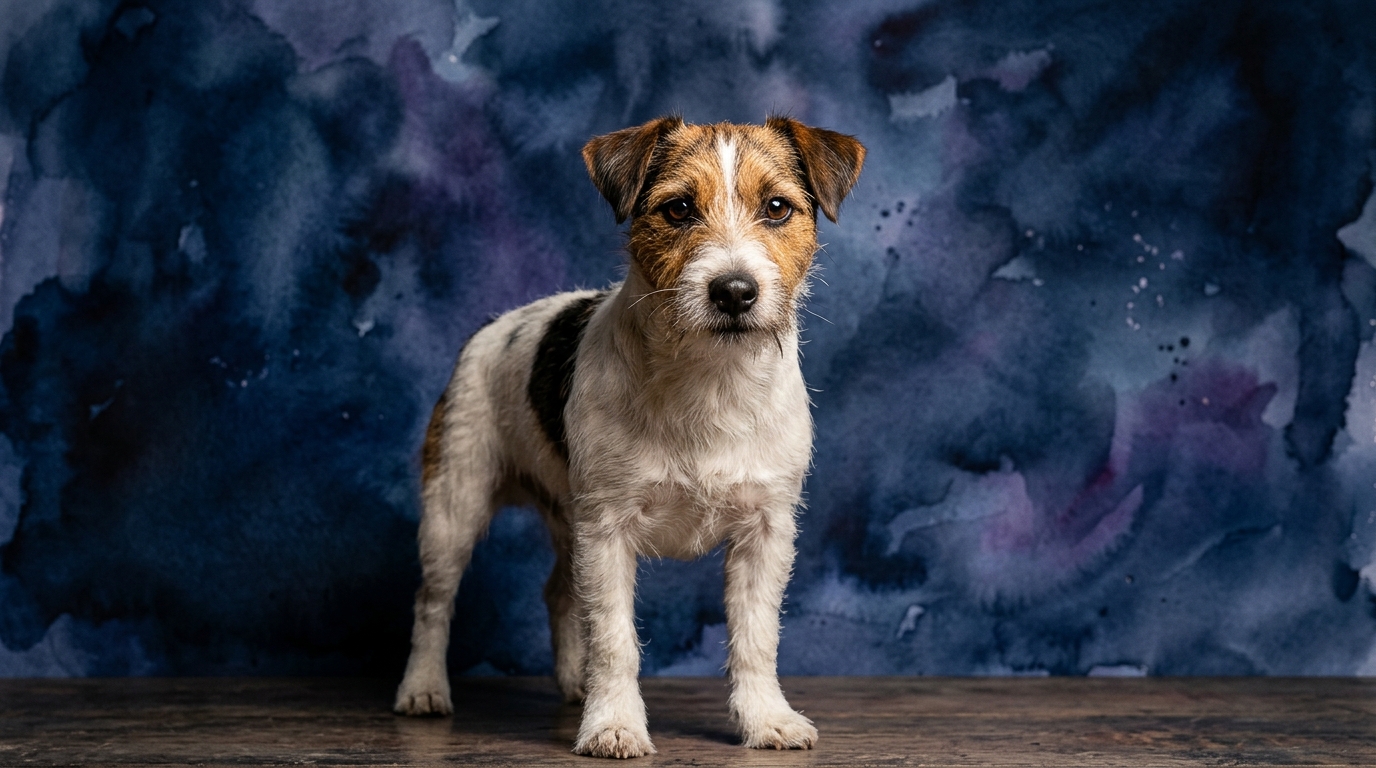
The Jack Russell Terrier, a breed engineered for tenacious vermin control, possesses a cognitive profile reflecting its purpose. Their Problem Solving is exceptional (5/5), showcasing an innate ability to strategize and overcome obstacles, whether it's outsmarting a rodent or figuring out how to open a cabinet. Training Speed, rated at 3/5, indicates they can grasp new concepts readily, but their formidable will and independent nature often mean compliance isn't always immediate or effortless. Social Intelligence sits at 3/5; while they can interpret human moods and intentions, their primary focus often remains on their environment, particularly potential “prey,” rather than complex social nuances with other canines or unfamiliar people. Instinctive Drive is a profound 5/5, manifesting as an insatiable desire to dig, chase, explore, and hunt, a core component of their very being. Finally, their Memory is robust (4/5), allowing them to recall learned commands, routines, and the locations of intriguing scents or objects with impressive accuracy over extended periods.
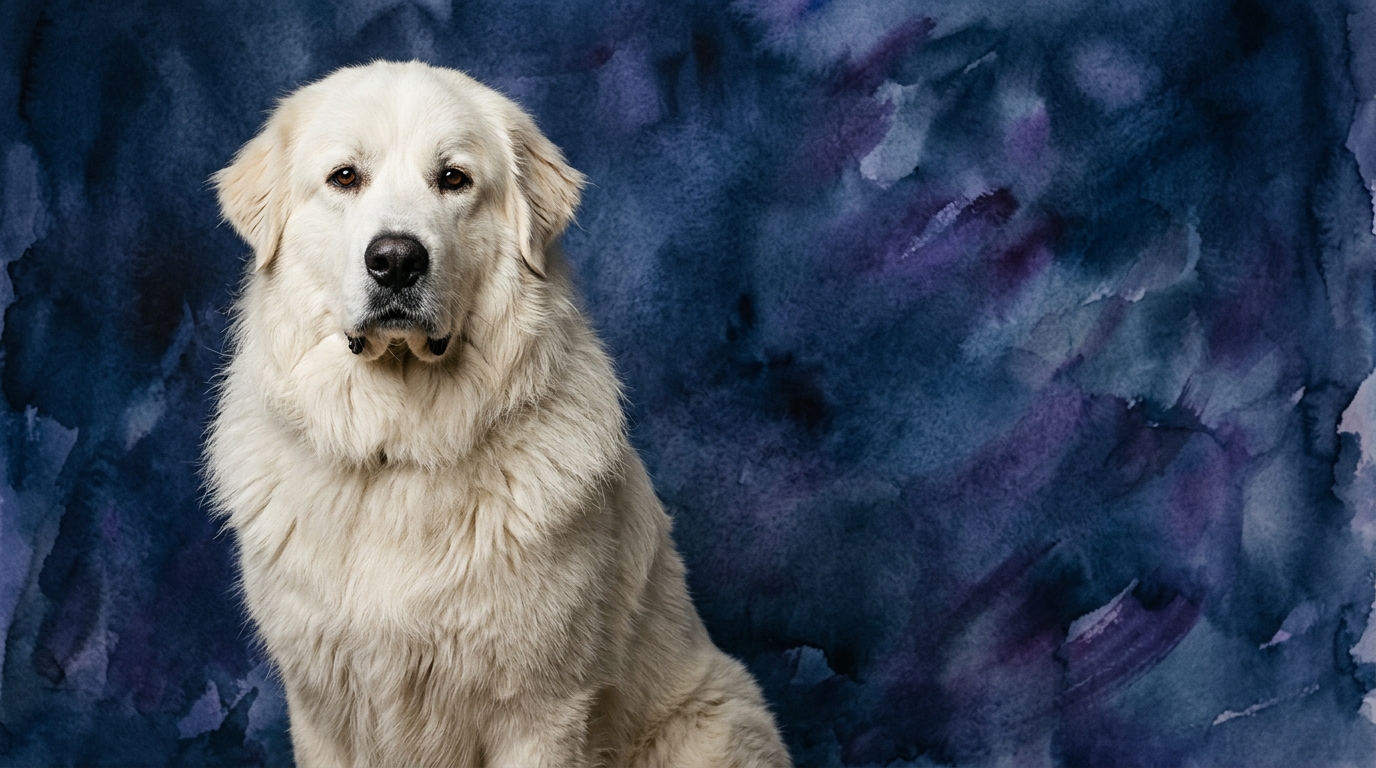
In stark contrast, the Great Pyrenees, a majestic livestock guardian, exhibits a cognitive blueprint tailored for self-sufficient protection. Their Problem Solving, rated 3/5, is practical and context-specific, focused on assessing threats, navigating terrain to protect their charges, or finding optimal vantage points, rather than engaging in abstract puzzles. Training Speed is also 3/5; they are capable learners, but their historical role demanded independent decision-making, often leading them to weigh commands against their own judgment regarding the flock's safety. Social Intelligence, at 3/5, is characterized by a discerning nature, recognizing their family and charges while maintaining a reserved, sometimes aloof, stance towards strangers, a critical trait for a guardian. Their Instinctive Drive, 3/5, is powerfully oriented towards vigilance, patrolling, and deterring threats, a stark contrast to the JRT's chase-and-hunt drive. Memory, at 3/5, is sufficient for remembering their territory, routines, and the identities of their charges and familiar faces, contributing to their steadfast guardianship.
Where the Jack Russell Terrier Wins Cognitively
The Jack Russell Terrier clearly outperforms the Great Pyrenees in several cognitive domains, particularly when it comes to active engagement with their environment and problem resolution. Their stellar 5/5 Problem Solving score means they excel at figuring out intricate puzzles, devising strategies to access desired objects, or navigating complex agility courses with remarkable ingenuity. This isn't merely about brute force; it's about strategic thinking and persistent experimentation. Furthermore, their 5/5 Instinctive Drive fuels an unparalleled tenacity and focus on a goal, whether it's tracking a scent trail or mastering a new trick. This relentless drive, combined with their 4/5 Memory, allows them to recall intricate sequences of behaviors and apply them to novel situations, demonstrating a dynamic and adaptive intelligence that thrives on challenge and activity. A JRT will typically dissect a new puzzle toy faster and with more sustained effort than a Great Pyrenees, whose cognitive strengths lie in different areas.
Where the Great Pyrenees Wins Cognitively
While not designed for high-octane problem-solving like the JRT, the Great Pyrenees' cognitive strengths are profoundly rooted in their ancient role as independent guardians. Their 3/5 Social Intelligence, while numerically similar to the JRT's, manifests as a sophisticated ability to discern friend from potential threat, often displaying a nuanced understanding of social cues within their established “flock” and a measured response to outsiders. They possess an exceptional capacity for autonomous decision-making, a trait explicitly bred into them so they could protect livestock without constant human direction. Their 3/5 Instinctive Drive, focused on vigilance and protection, allows them to maintain a constant, low-level awareness of their surroundings, assessing environmental changes and potential dangers with a quiet intensity. This deep understanding of their territory and charges, coupled with their practical 3/5 Problem Solving, means they excel at real-world guarding scenarios, often making appropriate judgments about when to intervene and how, a complex cognitive task that relies on observation, assessment, and self-control.
Which is Easier to Train and Why
Determining which breed is “easier” to train is nuanced, as their challenges stem from different cognitive profiles. The Jack Russell Terrier, despite its 3/5 Training Speed, possesses a 5/5 Problem Solving ability, meaning they quickly grasp what is being asked. However, their formidable 5/5 Instinctive Drive often competes directly with an owner's commands, making compliance a battle of wills. Training a JRT requires immense consistency, creativity, and the ability to channel their relentless energy and prey drive into productive outlets. They learn rapidly when motivated, but their independent spirit means they require an engaging, fast-paced approach to prevent boredom and mischief.
The Great Pyrenees, with its 3/5 Training Speed and historical independence, presents a different set of training considerations. Bred to make autonomous decisions in the absence of human instruction, they often evaluate commands based on their own judgment of the situation, particularly if it conflicts with their guarding instincts. Their Coren rank of #64 reflects this inherent independence, placing them lower in working and obedience intelligence compared to breeds specifically bred for eager compliance. Training a Great Pyrenees demands patience, understanding their motivations (primarily protection), and building a strong, trusting relationship where they choose to cooperate rather than simply obey. Expecting rote, eager obedience from a Pyrenees is often met with a thoughtful, sometimes stubborn, refusal, as their cognitive framework prioritizes their perceived duty over immediate human direction. Therefore, while a JRT might challenge an owner with hyperactivity, a Great Pyrenees will challenge with thoughtful independence and a slower, more deliberate training pace for general obedience.
Which Suits Active Owners vs. Relaxed Owners
For owners seeking a dynamic, engaged companion who thrives on constant activity and mental challenges, the Jack Russell Terrier is the clear choice. Their extraordinary 5/5 Problem Solving and 5/5 Instinctive Drive necessitate an active lifestyle filled with vigorous exercise, interactive games, and continuous mental stimulation. A JRT will flourish with owners who enjoy dog sports like agility, flyball, or earthdog trials, or who can dedicate significant time to training complex tricks and puzzle-solving. A relaxed or sedentary owner would likely find a JRT's boundless energy and inquisitive nature overwhelming, leading to destructive behaviors born of boredom.
The Great Pyrenees, by contrast, is better suited for owners who appreciate a calmer, more watchful presence, but are still prepared for the responsibilities of a large, independent guardian. While they do not require the intense physical exertion of a JRT, they need ample space to patrol and a secure environment to fulfill their 3/5 Instinctive Drive for guardianship. Their cognitive makeup favors observation and measured response over high-energy output. Owners should be prepared for a dog that will patrol its boundaries, be alert to its surroundings, and make independent decisions regarding potential threats. They are not dogs that demand constant interaction or intense play sessions but rather a consistent, reassuring presence and a clear understanding of their role within the family and home.
The Verdict
Choose the Jack Russell Terrier if you are an active, experienced owner eager for a tenacious, engaged companion to partake in high-energy activities, complex training, and who appreciates a dog driven by an insatiable curiosity and problem-solving prowess.
Choose the Great Pyrenees if you seek a steadfast, independent guardian, valuing a calm, protective presence and a dog that makes its own thoughtful decisions, and you are prepared for a breed whose primary cognitive focus is on discerning observation and defense rather than eager compliance.
🧠 Find Your Pet's IQ Score
Our Pet IQ Lab assessment covers 25+ tests across 5 cognitive dimensions — personalized to your breed.
Take the Full IQ Test →Frequently Asked Questions
Can a Jack Russell Terrier live peacefully with small pets?
Their intense instinctive drive (5/5) and strong prey drive mean integrating them with small pets requires significant early socialization and constant supervision. Their natural inclination is often to chase, making peaceful coexistence challenging without careful management and a dedicated training regimen.
Do Great Pyrenees need a lot of exercise?
While large, Great Pyrenees typically require moderate exercise, enjoying patrolling their territory and leisurely walks rather than intense, prolonged activity. Their energy is more focused on vigilance and observation, reflecting their instinctive drive (3/5) for guarding rather than high-speed pursuit or sustained athletic endeavors.
Is a Jack Russell Terrier a good choice for first-time dog owners?
A Jack Russell Terrier's high problem-solving ability (5/5) and intense instinctive drive (5/5) demand an experienced owner who can provide consistent training, mental stimulation, and appropriate outlets for their energy. Their strong will and persistent nature can be overwhelming for those new to dog ownership.