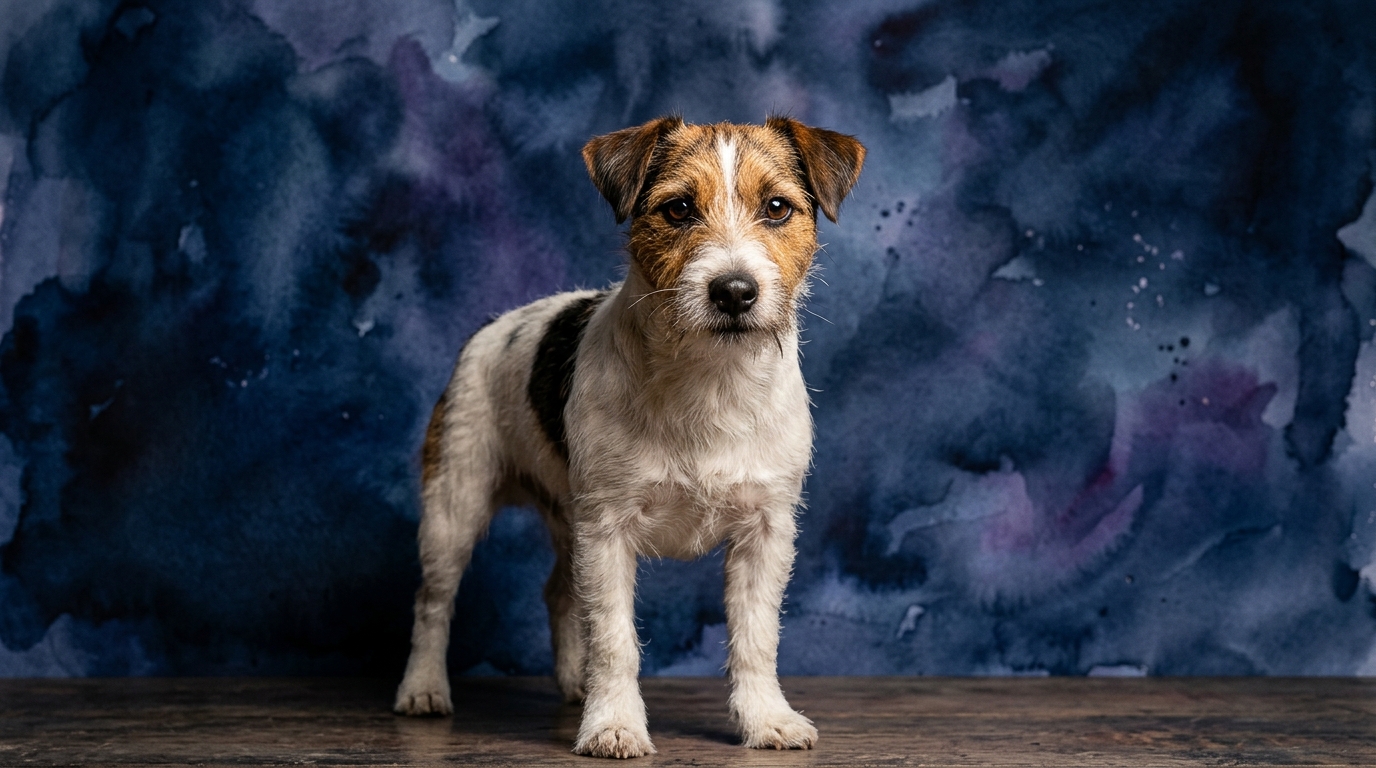
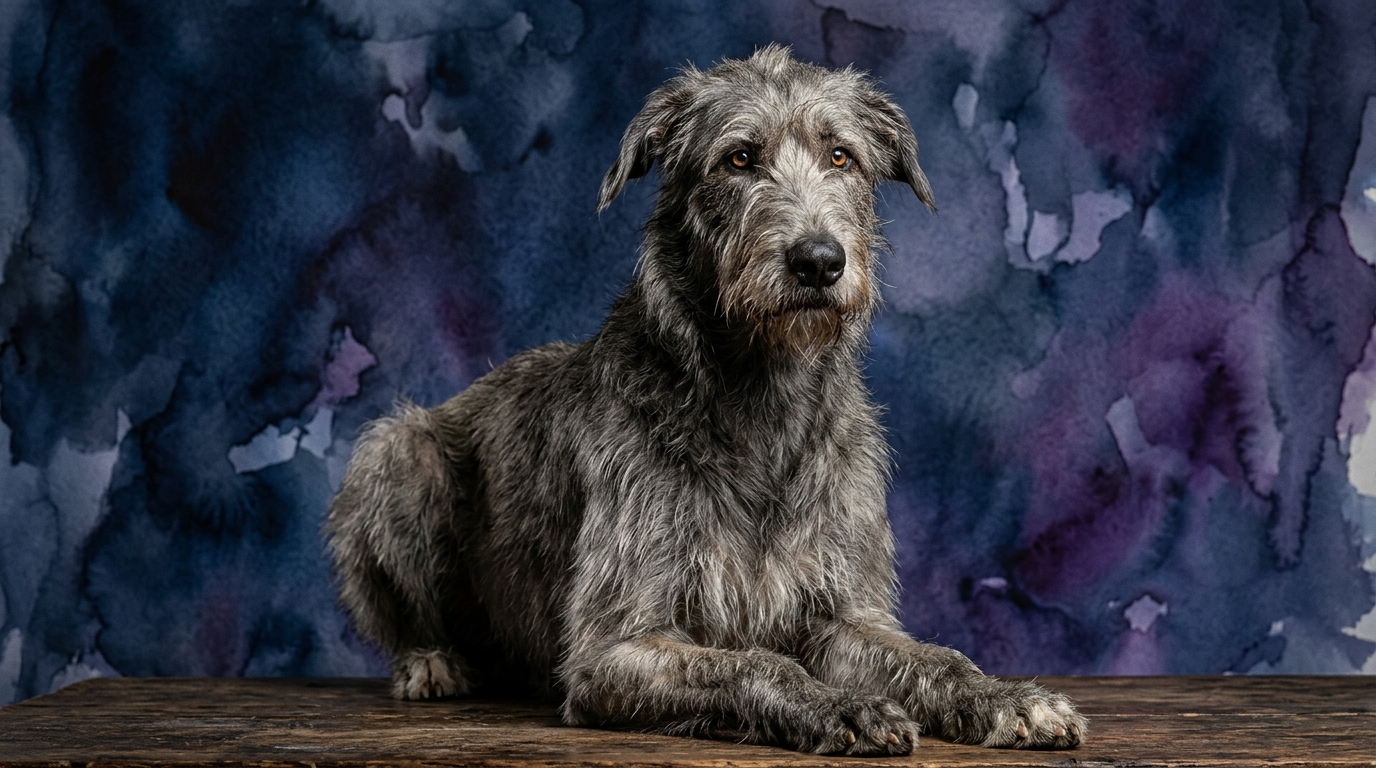
Side-by-Side IQ Profile: Jack Russell Terrier vs. Irish Wolfhound
The Cosmic Pet Pet IQ Lab assesses canine intelligence across five critical dimensions, revealing the unique cognitive strengths of each breed. For the Jack Russell Terrier, we observe a formidable Problem Solving score of 5/5, indicating their exceptional ability to strategize and overcome obstacles. Their Instinctive Drive also stands at a commanding 5/5, reflecting their intense prey drive and unwavering determination. Memory for the JRT is strong at 4/5, allowing them to retain learned behaviors and experiences with considerable detail.
In contrast, the Irish Wolfhound presents a different cognitive landscape. Their Problem Solving is rated at 3/5, suggesting a capacity for learning but a lesser inclination for independent, complex strategizing compared to the JRT. Their Instinctive Drive is a balanced 3/5, demonstrating a sighthound's chase instinct that is present but generally less persistent or all-consuming. Memory for the Irish Wolfhound is also 3/5, indicating a steady ability to recall information but perhaps less nuanced retention than a terrier. Both breeds share a Training Speed of 3/5 and Social Intelligence of 3/5, implying an average pace of learning and a generally aware but not overly effusive social disposition, respectively.
Where the Jack Russell Terrier Wins Cognitively
The Jack Russell Terrier's cognitive advantages are most apparent in their exceptional Problem Solving (5/5) and potent Instinctive Drive (5/5). Their minds are constantly at work, analyzing their environment for opportunities or challenges. This translates into a dog that can quickly figure out how to open gates, navigate complex puzzle toys, or even devise strategies to reach a desired object. Their high problem-solving capacity, combined with a tenacious memory (4/5), means they learn from experience, often adapting their tactics for future success.
This formidable combination makes them adept at tasks requiring quick, independent thought and persistent effort. Whether it's excelling in agility courses that demand on-the-fly decision-making or engaging in earthdog trials that tap into their innate hunting drives, the JRT's cognitive profile allows them to excel in roles where mental agility and an unwavering focus are paramount. Their drives are not just physical; they are deeply ingrained cognitive motivators that fuel their investigative and exploratory behaviors.
Where the Irish Wolfhound Wins Cognitively
While the Irish Wolfhound's scores might not reach the JRT's peak in every dimension, their cognitive profile offers distinct advantages, particularly in fostering a calm and manageable domestic presence. Their 3/5 Instinctive Drive means they possess a chase instinct but are generally less prone to the relentless, obsessive pursuit of small prey or incessant digging that can characterize breeds with higher drives. This translates to a more relaxed and less demanding cognitive landscape for owners, reducing the likelihood of impulse-driven destructive behaviors.
Furthermore, their 3/5 Social Intelligence, coupled with lower problem-solving (3/5) and instinctive drive, contributes to their renowned gentle and amiable temperament. They are perceptive of human emotions without being overly boisterous or prone to mischievous schemes, making them empathetic and serene companions. This specific blend of cognitive traits results in a dog that is generally content, less prone to anxiety stemming from unfulfilled intense drives, and offers a dignified, steady presence in the home – a significant cognitive 'win' for owners seeking a harmonious family member.
Which is Easier to Train and Why
Both the Jack Russell Terrier and the Irish Wolfhound share a Training Speed score of 3/5, suggesting neither is exceptionally quick or slow to grasp new commands. However, the ease of training diverges significantly due to their other cognitive dimensions. The JRT's high Problem Solving (5/5) and intense Instinctive Drive (5/5) mean that while they learn quickly, they are also prone to applying their intellect to 'outsmart' training or prioritize their own agenda. They might understand a command but choose to ignore it if a more compelling instinct, like chasing a squirrel, presents itself. Training a JRT requires immense consistency, creativity, and a deep understanding of their powerful motivations to channel their cognitive energy constructively.
The Irish Wolfhound, despite the same Training Speed, can be considered more straightforward to train for many owners. Their lower Instinctive Drive (3/5) and Problem Solving (3/5) mean fewer internal conflicts or attempts to defy commands through cleverness. While they may require more repetition to solidify a behavior, once learned, they tend to be more compliant because they are less likely to be distracted by overwhelming drives or to independently strategize alternatives. Their sheer size, however, makes early and consistent obedience training not just desirable, but absolutely critical for safe management, emphasizing reliable recall and polite leash manners from a young age.
Which Suits Active Owners vs. Relaxed Owners
The choice between a Jack Russell Terrier and an Irish Wolfhound largely depends on an owner's lifestyle and their capacity for canine engagement. The Jack Russell Terrier is unequivocally suited for active owners who thrive on mental stimulation and physical activity. Their high energy, intense instinctive drives, and constant problem-solving demand an owner prepared for daily extensive walks, engaging dog sports like agility or earthdog trials, and a steady stream of puzzle toys and training challenges. A JRT not provided with sufficient outlets will creatively invent its own entertainment, often in ways that are destructive or disruptive.
Conversely, the Irish Wolfhound is better suited for owners who appreciate a calmer, more serene companion, but can accommodate their substantial size. While not hyperactive, they still require regular, moderate exercise, such as long, leisurely walks, to maintain their health and well-being. Their cognitive profile, characterized by lower intensity drives and problem-solving, means they are generally content with a predictable routine, ample family presence, and less intense mental stimulation than a JRT. They are relaxed companions who fit well into a home with space, but their physical stature necessitates an owner prepared for the unique challenges and needs of a giant breed, including diligent early socialization and basic obedience.
The Verdict
Choose the Jack Russell Terrier if you seek an endlessly curious, tenacious, and physically robust companion who thrives on mental puzzles and physical challenges, and you are prepared to channel their intense drives and problem-solving skills into productive activities.
Choose the Irish Wolfhound if you desire a gentle, dignified, and calm giant who values companionship and routine, and you can provide ample space and consistent, patient guidance for a large, less intensely driven dog.
🧠 Find Your Pet's IQ Score
Our Pet IQ Lab assessment covers 25+ tests across 5 cognitive dimensions — personalized to your breed.
Take the Full IQ Test →Frequently Asked Questions
Are Jack Russell Terriers difficult to live with due to their high IQ?
Jack Russell Terriers are not inherently difficult, but their high problem-solving skills and intense instinctive drives mean they require significant mental and physical engagement. Without proper outlets, their cognitive prowess can lead to mischievous or destructive behaviors as they invent their own entertainment, making them a challenge for passive owners.
Do Irish Wolfhounds require a lot of mental stimulation?
Irish Wolfhounds require moderate mental stimulation. While they don't possess the same intense problem-solving drive as a Jack Russell, they benefit from consistent training, puzzle toys, and engaging walks that allow them to explore. Their social intelligence also means they thrive on interaction and companionship.
Which breed is better for first-time dog owners?
Neither breed is typically recommended for first-time dog owners without extensive research and preparation. The Jack Russell Terrier's intense drives and cognitive demands can be overwhelming, while the Irish Wolfhound's sheer size and need for early, consistent training, despite a calmer demeanor, can be challenging. Both require dedicated and informed ownership.